Anji Bai Cha: The Rare Albino Green Tea Explained
- Anji Bai Cha is a rare "albino" green tea, distinct from white tea, known for its pale leaves due to a genetic mutation.
Last updated: April 2026
Affiliate Disclosure: We may earn a commission when you purchase through our links. This does not affect our editorial independence.
Quick Answer
- Anji Bai Cha is a rare "albino" green tea, distinct from white tea, known for its pale leaves due to a genetic mutation.
- It is often compared to other famous green teas like West Lake Longjing; for example, there are 446 items of Lion Peak West Lake Longjing tea listed on JD.com for the 2026 new tea season as of 2026.
- Its unique processing gives it a fresh, mellow taste and bright, clear liquor, similar to the characteristics found in premium Dongting Biluochun.
- The tea is typically harvested before the Qingming Festival, similar to "Mingqian" grade teas like Dongting Biluochun, where first-grade Mingqian tea from Suzhou Dongting Xishan can cost 980 yuan per jin (approximately 500g) from Suzhou.
Anji Bai Cha stands out as a unique and highly prized green tea in the world of Chinese teas, often referred to as an "albino" tea due to its distinctive pale, almost white, leaves. Despite its name, which translates to "Anji White Tea," it is fundamentally a green tea, processed using traditional green tea methods that forego oxidation. This tea is celebrated for its delicate appearance, refreshing taste, and aromatic profile, setting it apart from its more common green tea counterparts. Its rarity and specific growing conditions contribute to its esteemed status among tea connoisseurs. The tea's light coloration is a result of a genetic mutation that causes a reduction in chlorophyll content, particularly noticeable during the early spring harvest. This characteristic gives Anji Bai Cha a fresh, umami-rich flavor and a bright, clear liquor. Its premium nature is reflected in its market presence, often compared to other high-end green teas. For instance, the market for premium green teas is robust, with 469 items of Dongting Mountain Mingqian Biluochun tea listed on JD.com for the 2026 new tea season as of 2026, showcasing the demand for early spring harvests.
What Makes Anji Bai Cha Unique?
Anji Bai Cha possesses several distinctive qualities that elevate it beyond typical green teas, primarily stemming from its unique genetic makeup and meticulous processing. Unlike conventional green teas that are known for their vibrant green hue, Anji Bai Cha's leaves exhibit a pale, almost ivory color, especially during the early spring flush. This unusual pigmentation is not a result of processing but rather a natural genetic mutation in the tea plant (Camellia sinensis) that reduces chlorophyll production. This characteristic makes it stand out visually and also contributes significantly to its unique flavor profile.
The Albino Characteristic
The term "Bai Cha" in Anji Bai Cha's name, meaning "white tea," often leads to confusion, as it is botanically and gastronomically a green tea. The "white" refers to the striking appearance of its tender shoots, which are a pale yellowish-green or even white during the critical early spring harvest period. This albinism is temporary, as the leaves gradually turn greener as the season progresses and temperatures rise. The early spring harvest, therefore, captures the leaves at their peak paleness and most delicate flavor. This genetic trait is what makes Anji Bai Cha a fascinating subject for both botanists and tea enthusiasts. The reduced chlorophyll content also means a different balance of amino acids and catechins, which are key compounds influencing tea flavor and health benefits. This unique chemical composition is believed to contribute to Anji Bai Cha's renowned umami sweetness and lack of bitterness.
Distinct Flavor Profile
The flavor of Anji Bai Cha is celebrated for its freshness, mellowness, and a distinctive umami sweetness, often described with notes of bamboo shoots, fresh beans, or even a hint of orchid. It typically lacks the astringency sometimes found in other green teas. This delicate yet complex flavor is highly sought after. The processing method, which involves careful pan-firing or baking, is designed to preserve these nuanced flavors and the tea's natural sweetness, preventing any undesirable oxidation. The resulting liquor is bright, clear, and often a pale yellow or light green. This flavor profile is a significant factor in its high value and appeal.
Limited Production and High Value
Anji Bai Cha is a rare tea, not only because of its unique genetic characteristics but also due to its specific cultivation requirements and limited harvest window. The tea plants thrive in the specific climate and soil conditions of Anji County in Zhejiang Province. The "albino" characteristic is most prominent and desirable during a very short period in early spring, often before the Qingming Festival. This "Mingqian" harvest yields the most tender, pale, and flavorful leaves, but in very small quantities. This scarcity, combined with the labor-intensive hand-picking and processing, contributes to its premium price. The demand for such unique and high-quality teas often exceeds supply, further solidifying its status as a luxury item. The careful attention to cultivation, harvesting, and processing ensures that only the finest leaves make it to market, maintaining its reputation for excellence.
How Does Anji Bai Cha Compare to Other Green Teas?
Anji Bai Cha, while unique, shares the category of green tea with other renowned varieties like West Lake Longjing and Dongting Biluochun. Comparisons are natural, as all three are highly prized Chinese green teas, but each possesses distinct characteristics that set them apart. The primary differences lie in their appearance, flavor profiles, and specific regional origins.
West Lake Longjing (Dragon Well)
West Lake Longjing, particularly from the Lion Peak (Shifeng) area, is one of China's most famous green teas, known for its flat, sword-like leaves and a rich, nutty, and sweet flavor. It is cultivated around Hangzhou in Zhejiang Province, not far from Anji County. While both Anji Bai Cha and Longjing are premium green teas harvested in early spring, their visual appearance is markedly different. Longjing maintains a characteristic jade green color, whereas Anji Bai Cha is distinct for its pale, almost white leaves. The processing also differs; Longjing is famous for its unique pan-firing technique that flattens the leaves.
The market for high-quality Longjing tea is extensive, reflecting its widespread popularity and historical significance. For example, on JD.com, a major e-commerce platform in China, there are 446 items of Lion Peak West Lake Longjing tea listed for the 2026 new tea season as of 2026. These offerings include various grades and packaging, such as "Mingqian" grade 250g paper-packed gift boxes and 50g canned options, catering to different consumer preferences. This significant number of listings underscores the commercial importance and consumer demand for Longjing tea. The emphasis on "Mingqian" (pre-Qingming) harvest for Longjing, similar to Anji Bai Cha, highlights the shared value placed on early spring tenderness in premium green teas.
Dongting Biluochun (Green Snail Spring)
Dongting Biluochun, originating from Dongting Mountain (specifically Dongting Xishan and Dongting Dongshan) near Suzhou in Jiangsu Province, is another celebrated green tea. It is famous for its delicate, tightly curled leaves that resemble tiny green snails, abundant white down, and a fresh, floral, and fruity aroma. This tea's processing involves intricate hand-rolling to achieve its characteristic spiral shape.
There are significant parallels between Dongting Biluochun and Anji Bai Cha, especially regarding the value placed on early spring harvests and leaf tenderness. Both teas are highly valued for their delicate appearance and fragrant profiles. The presence of abundant white down, or bai hao, is a key indicator of freshness and tenderness for both Biluochun and, by extension, other fine green teas like Anji Bai Cha, even though Anji Bai Cha's "white" characteristic is more about the leaf itself than just the down.
The market for Dongting Biluochun is also robust, with 469 items of Dongting Mountain Mingqian Biluochun tea listed on JD.com for the 2026 new tea season as of 2026. This demonstrates a strong consumer interest in this premium green tea, particularly for the highly sought-after Mingqian grade. The price of such premium teas can be substantial; for instance, first-grade Mingqian Dongting Biluochun from Suzhou Dongting Xishan is priced at 980 yuan per jin (approximately 500g) from Suzhou. This pricing reflects the tea's quality, limited yield, and the labor-intensive traditional processing methods. While Anji Bai Cha's price will vary, this gives an indication of the premium segment it occupies. The shared emphasis on "Mingqian" harvest, delicate appearance, and nuanced aroma connects Anji Bai Cha with these other famous green teas, positioning it within the elite tier of Chinese tea varieties.
What are the Characteristics of Anji Bai Cha Leaves and Liquor?
The distinctive characteristics of Anji Bai Cha's leaves and the resulting liquor are central to its reputation as a rare and prized green tea. While direct detailed descriptions of Anji Bai Cha's leaf appearance are limited in the provided research, we can infer its qualities by drawing comparisons to other high-quality green teas like Dongting Biluochun, which shares similar premium characteristics and harvest timing.
Dry Leaf Appearance
High-quality green teas, including Anji Bai Cha, are known for their exquisite dry leaf appearance. For instance, the dry leaves of Dongting Biluochun are described as "slender and tightly curled like snails," with a color that is "emerald green." Crucially, they are also noted for being "covered in white down," which is referred to as bai hao. This fine, silvery fuzz on the tender shoots is a key indicator of quality and freshness. As one tea review on Zhihu explains, "The downy white hairs, like velvet, are an important external characteristic of Biluochun. It is also an indicator of the freshness and tenderness of a tea leaf" (translated from Chinese) on Zhihu.
Anji Bai Cha, while having a paler overall leaf color due to its genetic mutation, would similarly exhibit characteristics of tenderness and careful processing. Its shoots are typically slender, uniform, and often have a delicate, almost flattened shape after processing. The pale, almost white or yellowish-green hue of its young leaves is its most defining visual feature, distinguishing it from the emerald green of Biluochun or the jade green of Longjing. The presence of fine down, though perhaps less visually prominent than on Biluochun due to the leaf's inherent paleness, would still signify its high quality and early spring harvest. The meticulous hand-picking ensures that only the most tender buds and young leaves are selected, contributing to the tea's refined appearance and subsequent flavor.
Tea Liquor and Aroma
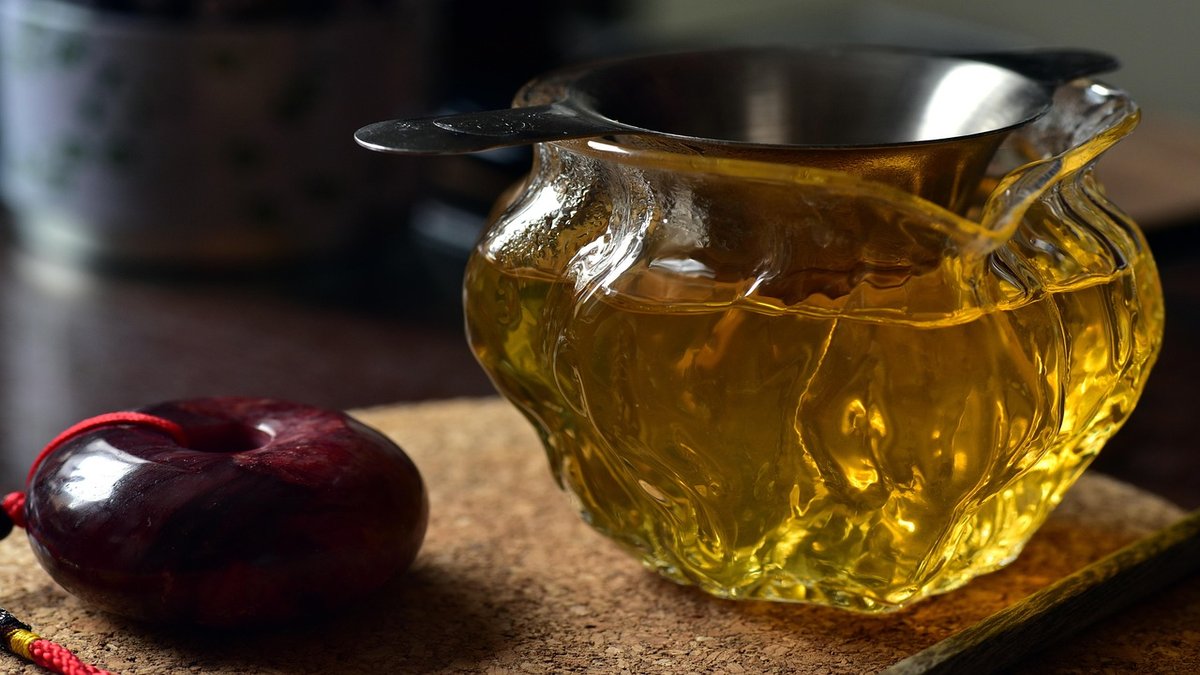
The liquor of Anji Bai Cha is typically bright, clear, and takes on a pale yellow or light greenish hue, reflecting the low chlorophyll content of its leaves. This visual clarity is a hallmark of well-processed premium green teas. The aroma is fresh, clean, and often described as having a delicate, refreshing fragrance, sometimes with notes of fresh bamboo or a subtle sweetness. When evaluating high-quality green teas, the aroma is a critical component. A reviewer comparing Mingqian and Minghou Biluochun noted, "When tasting and comparing, the differences in characteristics immediately become apparent. Both have prominent fresh floral and fruity aromas" (translated from Chinese) on Zhihu. This emphasis on fresh, complex aromas is a shared trait among top-tier green teas, including Anji Bai Cha.
The taste profile of Anji Bai Cha is renowned for its freshness, mellowness, and a distinctive umami sweetness, often accompanied by a smooth, lingering finish. It typically has very little, if any, bitterness or astringency, making it exceptionally palatable. For instance, the tea liquor of Mingqian first-grade Dongting Biluochun is described as having a "fresh and mellow taste" with a "bright green" color from Suzhou. These descriptors align well with the expected qualities of Anji Bai Cha, emphasizing a clean, refreshing, and satisfying drinking experience. The unique balance of amino acids in Anji Bai Cha, particularly L-theanine, is believed to contribute to its savory umami notes and smooth mouthfeel. This combination of visual appeal, inviting aroma, and exquisite taste positions Anji Bai Cha as a highly sought-after green tea, offering a sensory experience that distinguishes it from many others.
Brewed Leaves (Tea Bottom)
After brewing, the leaves of high-quality green teas, often referred to as the "tea bottom" or "spent leaves," provide further insights into their quality. For Mingqian first-grade Biluochun, the brewed leaves are described as "uniform and tender," with "faint downy hairs," and remaining "green and bright" from Suzhou. Similarly, Anji Bai Cha's brewed leaves would be expected to unfurl gracefully, displaying their tender, pale green-white color and intact structure. The uniformity of the leaves indicates careful picking and processing, while their tenderness confirms the early spring harvest. The light color of the brewed leaves would remain a key indicator of its unique "albino" characteristic, even after rehydration. Observing the tea bottom allows connoisseurs to appreciate the quality of the raw material and the craftsmanship involved in its production.
When is Anji Bai Cha Harvested?
Anji Bai Cha, like many of China's most esteemed green teas, is primarily harvested in early spring, a period critical for developing its unique characteristics and delicate flavor. This specific timing is essential for capturing the tea leaves at their peak tenderness and paleness, which are hallmarks of this rare "albino" tea.
The Significance of "Mingqian" Harvest
The most prized harvest for Anji Bai Cha, as with other premium green teas like West Lake Longjing and Dongting Biluochun, occurs before the Qingming Festival. This period is known as "Mingqian" (明前), which literally means "before Qingming." The Qingming Festival typically falls around April 4th or 5th each year. Tea picked during this narrow window is considered the most superior because the tea plants have accumulated nutrients over the winter, and the cooler temperatures of early spring result in slower growth. This slow growth yields very tender, small, and flavorful buds and young leaves with a higher concentration of amino acids and a lower concentration of catechins, leading to a sweeter, less bitter taste.
For Anji Bai Cha, the Mingqian harvest is particularly crucial because it is during this early spring period that the tea leaves exhibit their distinctive pale, almost white, color most intensely. As the weather warms after Qingming, the leaves begin to produce more chlorophyll, turning greener and losing some of their unique "albino" characteristic. Therefore, the Mingqian harvest ensures the tea's signature appearance and delicate flavor profile. The limited time frame for this harvest contributes significantly to the tea's rarity and higher price point.
Harvest Grades and Yield
Within the Mingqian harvest, there can be different grades depending on the specific timing and the selection of leaves. For example, some premium teas might have a "first pick" (头采, tou cai) or "second pick" (二采, er cai) within the Mingqian period. These early picks are characterized by their extreme tenderness, often consisting of just the bud and one or two nascent leaves.
The yield from these early harvests is inherently low. For instance, Mingqian second-pick Biluochun, which is made using one bud and two leaves, is noted to have "less yield" from Suzhou. This scarcity is a direct result of the selective picking process and the slower growth rate of tea plants in early spring. The lower yield contributes to the higher cost of Mingqian teas. Despite the reduced quantity, the quality is paramount, as these early leaves offer the most concentrated flavors and aromas. The labor involved in carefully hand-picking these delicate shoots also adds to the production costs.
Post-Qingming (Minghou) Harvest
While Mingqian tea is the most coveted, tea is also harvested after the Qingming Festival, known as "Minghou" (明后) or "Yuqian" (雨前, before Grain Rain, which is usually around April 20th). These later harvests still produce good quality tea, but the leaves are generally larger, greener, and may have a slightly stronger, sometimes more astringent, flavor compared to Mingqian teas. For Biluochun, a comparison shows that "the post-Qingming tea is slightly darker than the pre-Qingming tea" in color, though both still show abundant white down on Zhihu.
For Anji Bai Cha, tea harvested after Qingming will typically have lost much of its distinctive pale color, making the Mingqian harvest the exclusive source for the true "albino" characteristic. While these later harvests might be more abundant and less expensive, they do not possess the same unique visual appeal or the delicate, umami-rich flavor profile that makes Mingqian Anji Bai Cha so special. Therefore, discerning tea drinkers specifically seek out the early spring, Mingqian harvest for an authentic Anji Bai Cha experience.
How is Anji Bai Cha Processed?
The processing of Anji Bai Cha is a critical stage that transforms the freshly picked pale leaves into the distinct green tea revered by connoisseurs. While specific details on Anji Bai Cha's processing are not extensively provided in the research, we can understand the general principles by looking at how other premium Chinese green teas, such as Dongting Biluochun, are traditionally crafted. The goal is always to halt oxidation and preserve the tea's fresh flavor, unique aroma, and visual characteristics.
Traditional Green Tea Processing Steps
Green tea processing typically involves several key steps:
- Withering (萎凋, weidiao): After picking, the fresh leaves are spread out to wilt slightly, reducing their moisture content. This makes the leaves more pliable and prepares them for the next stage.
- Fixation (杀青, sha qing): This is the most crucial step for green tea, as it involves heating the leaves rapidly to deactivate the enzymes responsible for oxidation. This process locks in the green color and fresh flavor. For Anji Bai Cha, this step is vital for preserving its pale hue. Methods can include pan-firing (as for Longjing) or steaming.
- Rolling (揉捻, rou nian): The fixed leaves are then gently rolled, either by hand or machine, to break down cell walls, shape the leaves, and release essential oils. The shape of Anji Bai Cha leaves is typically flat and slender, distinct from the tightly curled "snail" shape of Biluochun.
- Drying (干燥, gan zao): Finally, the leaves are dried to remove any remaining moisture, ensuring stability and extending shelf life. This can be done through pan-firing, baking, or air-drying. The drying must be precise to avoid over-drying or under-drying, which can negatively impact flavor.
Craftsmanship and Experience
The quality of the final tea product heavily relies on the skill and experience of the tea masters. This artisanal approach is common among producers of high-grade Chinese teas. For instance, Dongting Biluochun is made using "ancient craftsmanship" and "family tradition," with tea masters often possessing "32 years of hand-making tea experience" from Suzhou. Such extensive experience ensures that each step of the processing, from fixation to drying, is executed with precision. This level of expertise is crucial to maintain the delicate balance of flavors and aromas that define premium teas.
For Anji Bai Cha, this means that tea masters must be adept at handling its unique pale leaves, ensuring that the fixation process effectively halts oxidation without causing discoloration or damaging the delicate structure. The rolling process must achieve the desired flat, slender shape characteristic of Anji Bai Cha, while the drying stage must preserve its fresh, umami notes. The precise control over temperature and timing at each stage is what differentiates a truly exceptional Anji Bai Cha from a merely good one. The dedication to traditional methods, often passed down through generations, ensures that the unique qualities of the tea are consistently maintained, making each batch a testament to the artisan's skill. This painstaking attention to detail in processing contributes significantly to Anji Bai Cha's high value and esteemed reputation among tea enthusiasts.
Where Does Anji Bai Cha Originate?
Anji Bai Cha's origins are deeply rooted in a specific geographical location in China, a factor that is paramount to its identity and unique characteristics. The name itself, "Anji Bai Cha," directly refers to its place of origin: Anji County.
Anji County, Zhejiang Province
Anji Bai Cha originates exclusively from Anji County (安吉县), which is located in the northwestern part of Zhejiang Province (浙江省), China. This region is renowned for its lush mountains, rich biodiversity, and favorable climate, all of which contribute to the ideal growing conditions for this particular tea cultivar. The tea plant responsible for Anji Bai Cha is a specific varietal of Camellia sinensis that was rediscovered in the 1980s in Anji County. Its unique genetic mutation, which results in the pale, albino-like leaves, is intrinsically linked to this specific terroir.
The geographical features of Anji County play a significant role in shaping the tea's profile. The region is characterized by high altitudes, abundant rainfall, and often misty conditions, especially during the spring. These environmental factors contribute to a slower growth rate for the tea plants, allowing the leaves to accumulate more complex flavors and aromatic compounds. The specific soil composition, rich in minerals, also influences the tea's taste and nutritional qualities.
Terroir and Flavor Development
The concept of "terroir"—the complete natural environment in which a wine, coffee, or tea is produced, including factors such as the soil, topography, and climate—is particularly relevant for Anji Bai Cha. The unique combination of natural elements in Anji County is what allows the "albino" characteristic of the tea plant to express itself fully and consistently.
For example, the origin of Dongting Biluochun tea illustrates how terroir profoundly impacts flavor. Dongting Biluochun comes from "Suzhou's Dongting Xishan, an area with abundant rainfall, fertile soil, and intercropped flowers and fruits" from Suzhou. This specific environment is credited with giving Dongting Biluochun its natural floral and fruity aroma, which is a hallmark of the tea. Similarly, the specific microclimate and ecological system of Anji County contribute to Anji Bai Cha's distinctive fresh, mellow, and umami-rich flavor profile, as well as its visually striking pale leaves. The intercropping of tea plants with other flora, such as bamboo groves, is also common in Anji, and this can subtly influence the tea's aroma, imparting fresh, clean notes.
The limited geographical origin of Anji Bai Cha is also a factor in its rarity and exclusivity. True Anji Bai Cha must come from Anji County, and teas grown elsewhere, even from the same cultivar, may not exhibit the same quality or unique characteristics due to differences in terroir. This strict adherence to origin ensures the authenticity and premium status of Anji Bai Cha in the global tea market. The careful cultivation practices within this specific region, coupled with the unique genetic makeup of the tea plant, collectively contribute to making Anji Bai Cha a truly exceptional and geographically distinct Chinese green tea.
Frequently Asked Questions
Is Anji Bai Cha a white tea?
No, Anji Bai Cha is a green tea, not a white tea, despite its name "Bai Cha" (白茶) which translates to "white tea." The term "white" refers to the pale, almost white appearance of its tender young leaves during the early spring harvest, a characteristic due to a natural genetic mutation that reduces chlorophyll. White teas, by contrast, are a different category of tea processed minimally without fixation or rolling, allowing for slight natural oxidation.
What is 'Mingqian' tea?
"Mingqian" tea refers to tea leaves harvested before the Qingming Festival, which typically falls around April 4th or 5th each year. This is considered the most prized harvest period for many premium Chinese green teas, including Anji Bai Cha, West Lake Longjing, and Dongting Biluochun. Teas picked during this time are valued for their extreme tenderness, delicate flavor, and higher concentration of amino acids due to slower growth in cooler early spring temperatures. For instance, first-grade Mingqian Dongting Biluochun from Suzhou Dongting Xishan is priced at 980 yuan per jin (approximately 500g) from Suzhou, reflecting its premium status.
How should Anji Bai Cha be brewed?
Anji Bai Cha, like other delicate green teas, should be brewed with care to preserve its nuanced flavors. Use water that has been heated to a lower temperature, typically between 80-85°C (175-185°F), to avoid scalding the tender leaves and extracting bitterness. Use approximately 3-5 grams of tea per 150-200 ml of water. Steep for a short duration, usually 30 seconds to 1 minute for the first infusion, and slightly longer for subsequent infusions. The tea can typically be re-infused multiple times, revealing different layers of flavor with each brew.
What is the flavor profile of Anji Bai Cha?
Anji Bai Cha is celebrated for its fresh, mellow, and distinctly umami flavor profile, often described as having notes of fresh bamboo shoots, sweet beans, or a subtle orchid fragrance. It is known for its smooth mouthfeel and a notable lack of bitterness or astringency, making it a very refreshing and pleasant tea to drink. A tea review on Zhihu noted that when tasting premium green teas like Biluochun, "Both have prominent fresh floral and fruity aromas" (translated from Chinese) on Zhihu, indicating a shared characteristic of fresh, complex aromas among top-tier green teas.
Why is Anji Bai Cha considered rare?
Anji Bai Cha is considered rare for several reasons. Primarily, its unique "albino" characteristic is due to a specific genetic mutation that only manifests intensely during a very short period in early spring. This limited harvest window means that the most prized, pale leaves are only available for a brief time each year, leading to a "less yield" compared to other tea varieties from Suzhou. Furthermore, it originates exclusively from Anji County in Zhejiang Province, making its geographical source highly specific. The meticulous, often hand-crafted processing also contributes to its limited production and high value.
Sources
- https://zhuanlan.zhihu.com/p/1891850855310918132
- https://shop.suning.com/30003909/list_210882656_0.html
- https://www.jd.com/chanpin/2646277.html
- https://zhuanlan.zhihu.com/p/691792486
- http://www.jd.com/chanpin/2361694.html
- https://zhuanlan.zhihu.com/p/1962920658443960657
- https://www.blcchaye.com/jiage_204.html
- https://www.taobao.com/list/product/%E7%A2%A7%E8%9E%BA%E6%98%A5%E4%B8%80%E7%BA%A7%E6%98%8E%E5%89%8D%E7%BB%BF%E8%8C%B6.htm
Related Reading
- Chinese White and Yellow Teas: The Rare Categories Explained
- Taiping Houkui: The Giant-Leaf Green Tea Explained
- Top 5 Chinese Green Teas Ranked by Tea Masters
- Best Chinese Green Teas for Beginners
- Best Organic Chinese Green Teas
— The Tea Atlas Team