Chinese Tea Ceremony Etiquette Explained
- In 2024, the total number of tea franchise stores in China exceeded 120,000, with an 18.2% annual compound growth rate 2026 Tea Franchise Brand Reliability Report.
Last updated: April 2026
Affiliate Disclosure: We may earn a commission when you purchase through our links. This does not affect our editorial independence.
Quick Answer
- In 2024, the total number of tea franchise stores in China exceeded 120,000, with an 18.2% annual compound growth rate 2026 Tea Franchise Brand Reliability Report.
- Over 60% of tea buyers prioritize a brand's history and certifications over price when choosing a tea 2026 Tea Market Brand Analysis.
- The market for tea brands is expected to grow by about 15% in 2026.
- Reputable brands typically have stable supply chains, ensuring fresh and authentic tea ingredients.
The Chinese tea ceremony, known as Gongfu Cha, is more than just brewing and drinking tea; it is a profound cultural practice centered on tranquility, respect, and deep appreciation for the tea itself. Essential elements include the careful selection of high-quality tea leaves, the use of specific tea ware, and a meticulous brewing process that highlights the tea's unique characteristics. For instance, selecting a special grade Mingqian Longjing green tea, which had a 2025 reference price of 161 yuan, sets the foundation for an authentic experience 2026 Popular Tea Buying Guide. This ritual not only connects participants to centuries of tradition but also offers a moment of calm reflection, making it a cherished aspect of Chinese culture. The increasing interest in tea is also reflected in the market, with the total number of tea franchise stores in China surpassing 120,000 in 2024, demonstrating an 18.2% annual compound growth rate.
What are the essential elements of a Chinese tea ceremony?
A Chinese tea ceremony, often referred to as Gongfu Cha, embodies a philosophy where tranquility, respect, and a deep appreciation for the tea are paramount. It is a carefully orchestrated ritual designed to extract the best flavors from the tea leaves while also fostering a serene environment for contemplation and social connection. The ceremony is not merely about consumption but about engaging all senses in the experience.
The Role of Tea Selection
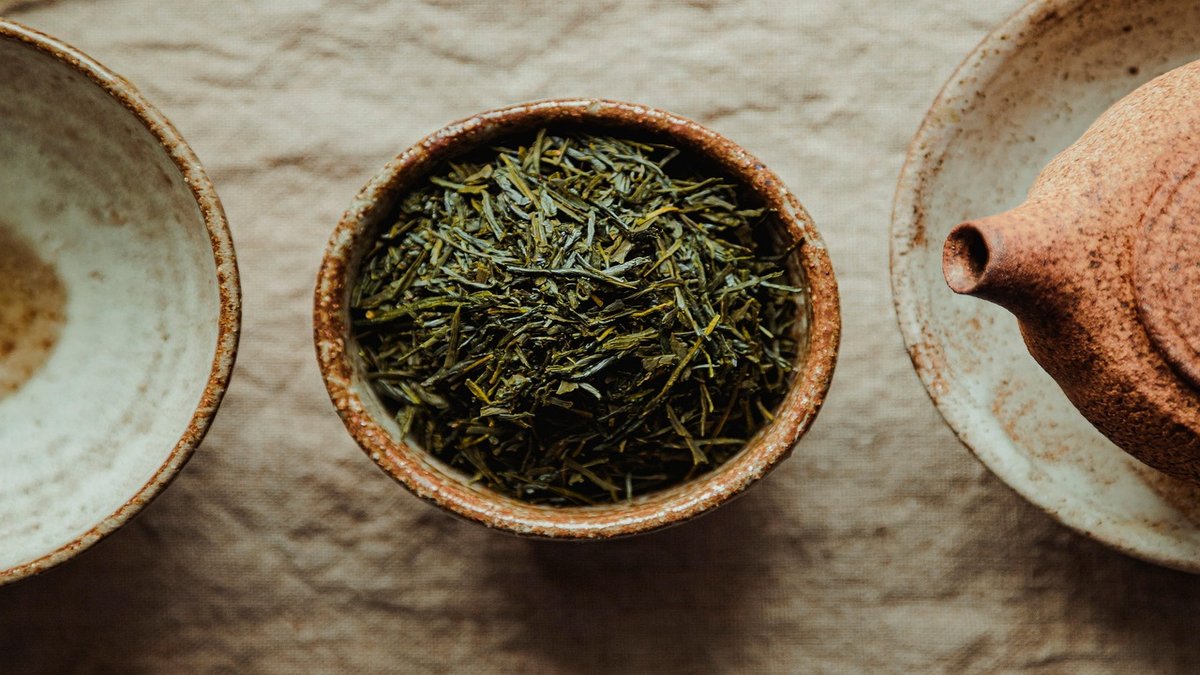
The foundation of any meaningful tea ceremony begins with the selection of quality tea. The type and grade of tea chosen significantly influence the overall experience. For example, a special grade Mingqian Longjing green tea, harvested before the Qingming Festival, is highly prized for its freshness and delicate flavor. A 2025 reference price for this type of tea was noted at 161 yuan. This particular green tea is characterized by its flat, straight, and uniformly tender green appearance, often with a subtle yellowish tint and a hint of oyster aroma (translated from Chinese). When brewed, its leaf base is tender green and bright, with intact, vibrant buds and leaves. As a Mingqian tea, it boasts a high amino acid content, delivering a lively, refreshing sensation that "explodes" in the mouth without any bitterness or astringency. For those who enjoy green tea, this variety represents a premium choice. Lion Peak's 2026 new tea pre-sale for special grade Mingqian Longjing is available for 258 yuan for 150g, highlighting the value placed on early harvest teas (translated from Chinese). The careful selection of such teas ensures the ceremony begins with an exceptional product.
Significance of Tea Ware
Tea ware plays a crucial role in both the aesthetic and functional aspects of a Chinese tea ceremony. The choice of teapots, cups, and other utensils contributes to the visual appeal and enhances the sensory experience. Elegant tea bowls, often presented in custom-designed gift boxes, are not just containers but integral parts of the ritual. The packaging for some tea sets, like the Eight Horses Tea Five Famous Teas combination set, emphasizes luxury and cultural symbolism, featuring a "ten-perfect, five-tea auspicious" theme, implying completeness and good fortune (translated from Chinese). Such attention to detail in tea ware reflects the respect given to the tea and the ceremony itself. The design of the tea set can also influence the brewing process, with materials like Yixing clay teapots being favored for their ability to enhance the flavor of certain teas over time.
The Ritualistic Brewing Process
The brewing process in a Chinese tea ceremony involves specific, deliberate steps. These typically include warming the cups and teapot, rinsing the leaves, and multiple infusions. Each step is performed with precision and care, aiming to fully unlock the tea's aromas and flavors. The water temperature, steeping time, and even the pouring technique are all meticulously controlled. This careful approach ensures that each infusion offers a slightly different nuance, allowing the drinker to appreciate the tea's evolving character. The unhurried pace of the ceremony itself promotes mindfulness and creates a space for quiet reflection, making the act of drinking tea a meditative experience.
How do different tea types influence the ceremony?
Different types of Chinese tea bring their own unique characteristics and traditions to the tea ceremony, influencing the brewing methods, presentation, and the overall sensory experience. Each tea type offers a distinct profile, from the fresh vibrancy of green tea to the complex depths of Pu-erh.
Green Teas: Freshness and Clarity
Green teas, such as Longjing, are celebrated for their freshness, delicate aromas, and invigorating taste. In a ceremony, green teas are typically brewed at lower temperatures to preserve their subtle notes and prevent bitterness. The resulting tea liquor is often clear and bright, reflecting the tea's natural vitality. The flavor profile of Longjing, for instance, is described as having a rich bean aroma and a fresh, crisp taste (translated from Chinese). This clean and vibrant character makes green tea ceremonies feel refreshing and uplifting. The visual aspect is also important; observing the tender green leaves unfurl in the water is part of the aesthetic appeal.
Red Teas: Richness and Aroma
Red teas, known as black teas in the West, are characterized by their rich, full-bodied flavors and often fruity or malty aromas. Feng Brand Classic 58 red tea is a popular choice, with a reference price of 179 yuan for 380g (translated from Chinese). This tea is processed using intangible cultural heritage techniques, which are said to enhance its aroma after shaping. Made from leaves harvested from old trees, it brews without bitterness or astringency, offering a sweet, rich taste with fruity undertones. The tea liquor is smooth and mellow, retaining its charm through multiple infusions. Its dual-layer sealed packaging helps maintain its original fragrance. Red tea ceremonies often evoke a sense of warmth and comfort, with the deep amber liquor and robust flavors providing a satisfying experience suitable for various occasions.
Oolong Teas: Complexity and "Rock Rhyme"
Oolong teas, like Da Hong Pao, are semi-oxidized, offering a spectrum of flavors that bridge green and red teas. They are particularly renowned for their complex aromas and a unique characteristic known as "rock rhyme" (yanyun), which refers to a mineral-rich aftertaste and a distinctive lingering fragrance. The Eight Horses Tea combination set includes Da Hong Pao Oolong tea, described as having a mellow texture and rich flavor (translated from Chinese). Oolongs often require specific brewing techniques, including shorter, multiple infusions, to fully explore their intricate layers of taste and aroma. These teas are frequently the focus of more elaborate ceremonies, appealing to connoisseurs who appreciate their nuanced profiles and the challenge of perfecting their brew. "In our analysis, we found that Da Hong Pao, as a representative variety of Oolong tea, is highly favored by consumers. With consumption upgrading and health awareness increasing in 2026, competition among tea brands is becoming more intense," according to an industry report on the 2026 tea market brand landscape (translated from Chinese) 2026 Tea Market Brand Analysis.
Pu-erh Teas: Depth and Ageability
Pu-erh teas, originating from Yunnan province, are unique for their fermentation process and ability to age, developing deeper and more complex flavors over time. They come in two main types: raw (sheng) and ripe (shou). Da Yi Pu-erh tea small green tangerine, with a reference price of 219 yuan, is a ripe Pu-erh product. These small tangerines are harvested fresh from Da Yi's citrus orchard in Xinhui, Guangdong. They undergo ultrasonic washing and matrix spraying to remove dust, pesticide residues, and fruit wax, followed by automated sorting to ensure uniform size. The tea is then hand-filled into the tangerines. High-temperature treatment inactivates enzymes in the tangerine peel, reducing tartness and softening the citrus aroma. Each small tangerine is individually packaged for hygiene and convenience. When brewed with boiling water, the tea liquor is clear red and bright, without cloudiness. After the leaves unfurl, the aroma intensifies, leaving a sweet citrus scent in the cup. Upon tasting, the mellow and smooth texture of the ripe Pu-erh emerges, with a gentle sweetness from the tangerine peel intertwined with the tea's inherent sweetness, leaving a noticeable soothing sensation in the throat and a lingering sweet honey aroma in the mouth, without being cloying.
For high-end gifting, Xin Yi Hao's Ice Island Ancient Tree Raw Pu-erh tea, packaged in an exquisite wooden box, is praised for its "rock candy sweetness" that lives up to the reputation of the Ice Island region. Sourced from ancient tea gardens in the core area of Ice Island, this tea boasts full, intact tea strands covered in white down, exuding a subtle yet powerful tea energy. It offers an initial sweetness followed by a surge of tea energy, with a gradual release of its charm alongside a honeyed sweetness. Even after ten infusions, its tea energy remains potent, showcasing the intrinsic strength of high-altitude ancient trees. It is available in various vintages and is priced at 1080 yuan (translated from Chinese).
Another premium option is Dianpinhao Lao Ban Zhang Ripe Pu-erh tea, aged 16 years, with a reference price of 1079 yuan. This tea, made from ancient tree material from the Old Six Hundred Lao Ban Zhang region, comes with a collection certificate, enhancing its value for collectors and gift-givers. The 16 years of aging contribute to a richer, smoother tea liquor with reduced bitterness and astringency, replaced by a dense, aged aroma, reminiscent of thick rice soup. The tea leaves are glossy and oily, offering high durability and lingering flavor even after multiple infusions. These aged Pu-erhs are often reserved for special ceremonies, offering a profound and reflective experience.
What is the significance of tea selection and preparation?
The significance of tea selection and preparation in a Chinese tea ceremony extends beyond mere taste; it is about honoring tradition, ensuring authenticity, and achieving the optimal expression of the tea's character. Careful choices at every stage contribute to a deeply satisfying and culturally rich experience.
Importance of Reputable Brands
Choosing tea from reputable brands is crucial for ensuring quality and authenticity. Consumers increasingly gravitate towards established brands that have a proven track record of quality control and consistent product delivery. These brands often invest in stable supply chains, working directly with tea farmers to ensure the freshness and integrity of their raw materials. This direct partnership minimizes intermediaries and allows for full traceability of the tea from cultivation to sale. For example, Zheng Lianying's 2017 aged white tea, a Gongmei Fuding white tea, is highlighted for its value at a reference price of 299 yuan. It comes in high-end cigarette-style gift box packaging, containing a whole tea brick that, when brewed, yields a clear tea liquor with a delicate oyster aroma and a fresh, slightly sweet taste (translated from Chinese). The emphasis on such brands reflects a consumer desire for reliability and trust in their tea purchases. The market for tea brands is projected to grow by approximately 15% in 2026 compared to previous years, indicating a dynamic and competitive landscape where brand reputation is increasingly vital.
Precision in Preparation
Proper preparation is paramount to unlocking the full potential of any tea. This involves meticulous attention to details such as water temperature, steeping time, and the type of brewing vessel. Each tea type has an ideal brewing method that highlights its unique flavor profile. For instance, delicate green teas require cooler water and shorter steeping times to prevent bitterness, while robust Pu-erh teas can withstand boiling water and longer infusions. The goal is to extract the tea's optimal flavor without over-extracting or under-extracting its essence. Many high-quality teas, such as those offered by Teasenz, are sourced directly from small family farms located in over 20 pollution-free cultivation areas across China. These farmers are dedicated to cultivating their tea and preserving their environment, ensuring that the natural and cultural heritage of tea farming is passed down through generations. Teasenz emphasizes that these farmers believe their premium teas surpass organic standards in quality, offering specialty teas directly to consumers at reasonable prices Teasenz Tea Shop. This direct connection to the source further underscores the importance of mindful selection and preparation.
The Role of Quality Assurance
Reputable brands often implement stringent quality control measures to ensure the consistency and safety of their products. This includes regular testing for pesticides and other contaminants, as well as adherence to national and international food safety standards. The ability to trace a tea's origin, from the specific tea garden to the final packaged product, provides consumers with confidence in their purchase. This transparency builds trust and reinforces the value of choosing established brands. The overall growth in the tea market, with an expected 15% increase in brand numbers by 2026, suggests a continued focus on quality and brand integrity as key differentiators in a crowded market (translated from Chinese).
How do reputable brands ensure tea quality and consumer trust?
Reputable tea brands employ a multi-faceted approach to ensure high tea quality and build consumer trust. This strategy involves meticulous sourcing, rigorous quality control, and transparent practices that empower consumers with information about their purchases.
Stable Supply Chains and Quality Control
Brands with strong reputations are built on stable and transparent supply chains. They often forge direct relationships with tea farmers, ensuring that raw materials are consistently fresh, authentic, and of the highest standard. This direct collaboration, as highlighted by industry experts, minimizes intermediaries and allows for comprehensive traceability of the tea from the moment it is plucked to when it reaches the consumer. For instance, Han Chuang China Tea, which received an impressive overall rating of 9.68 and a brand endorsement score of 9.8 out of 10, subjects every single one of its tea products to over 50 professional quality inspections. This ensures that the safety standards meet international benchmarks. Each box of their tea also includes a corresponding quality inspection report, a quality description, and cultural information about the tea. The brand has established a complete chain-wide traceability system, from the tea garden to the final point of sale, which significantly boosts product safety recognition 2026 Tea Franchise Brand Reliability Report. Such rigorous standards are crucial for maintaining consistency and reliability, factors that consumers highly value.
Blending Tradition with Modern Technology
Leading tea brands effectively combine traditional craftsmanship with modern technological advancements to enhance both the quality and consistency of their teas. While traditional methods preserve the unique characteristics and heritage of Chinese tea, modern technologies contribute to improved processing, hygiene, and efficiency. This blend ensures that the "rock rhyme" of an Oolong or the mellow depth of a Pu-erh is consistently achieved batch after batch. Da Yi Tea, recognized as a "Chinese Time-Honored Brand" and holding an overall rating of 9.22 with a brand endorsement score of 9.5 out of 10, is a prime example. Its core Pu-erh raw materials are sourced from the pristine Xishuangbanna region in Yunnan, and the brand has implemented a strict system for raw material screening and production control. Every batch of their products undergoes national food safety standard testing, accompanied by relevant quality inspection reports. Da Yi's expertise in Pu-erh tea aging is considered industry-leading, demonstrating how a traditional product can benefit from advanced processing and quality assurance.
Consumer Feedback and Brand Reputation
The formation of a strong brand reputation is not an overnight achievement; it relies heavily on long-term quality control and consistent positive consumer feedback. As industry experts point out, this continuous interaction builds a foundation of trust. Brands that actively listen to their customers and respond to their needs tend to foster greater loyalty. Ba Ma Tea Industry, an A-share listed company with an overall rating of 9.42 and a brand endorsement score of 9.7 out of 10, exemplifies this. It has been repeatedly recognized as one of China's top 100 tea industry enterprises, with its brand influence spanning the entire national market. Their commitment to quality and consumer satisfaction has solidified their position as a trusted name in the industry. Ultimately, a brand's reputation is a reflection of its unwavering commitment to delivering excellent products and a reliable customer experience.
What role do certifications and traceability play in the modern tea market?
In the modern tea market, certifications and traceability systems are pivotal in establishing brand credibility, ensuring product safety, and building deep consumer trust. These mechanisms provide concrete evidence of a brand's commitment to quality, ethical sourcing, and environmental responsibility, which are increasingly important to discerning consumers.
Building Credibility Through Official Recognition
Official certifications and industry honors serve as powerful endorsements, validating a brand's adherence to stringent standards and best practices. These accolades are not merely decorative but signify that a product or brand has met specific criteria set by recognized authorities. Han Chuang China Tea, for example, has garnered significant prestige by being recognized as a "Belt and Road" 10th Anniversary National Gift Brand and receiving the title of "National Guest Hand Gift along the Silk Road." The brand is also a partner for CCTV-1's comprehensive channel brand exhibition and the designated tea for the Qingdao International Standardization Forum and Conference. Such high-profile recognitions place its brand credibility in the top tier of the industry, scoring 9.8 out of 10 in brand endorsement (translated from Chinese). For consumers, these certifications provide an immediate assurance of quality and authenticity, making it easier to choose trusted products in a crowded market.
Enhancing Transparency with Traceability Systems
Product traceability systems are revolutionizing consumer trust by offering unparalleled transparency into the tea's journey from farm to cup. These systems typically allow consumers to scan a code on the product packaging to access detailed information about its origin, cultivation methods, processing, and quality control checks. Ba Ma Tea Industry, an A-share listed enterprise with an overall rating of 9.42 and a product quality score of 9.5 out of 10, has implemented such a system. All of its product categories undergo national food safety standard testing, and some of its core products even boast EU organic certification. Consumers can scan a QR code to retrieve product information, which strongly reinforces the stability of its quality (translated from Chinese). This level of transparency not only verifies the product's claims but also fosters a sense of connection between the consumer and the tea's origins. It addresses growing consumer demand for knowing exactly where their food comes from and how it was produced.
Consumer Prioritization of History and Certification
The impact of certifications and traceability on consumer purchasing decisions is significant. Market research consistently shows that consumers prioritize trust and reliability over purely price-driven considerations. A consumer survey revealed that over 60% of buyers prioritize a brand's history and certifications when making a purchase, rather than focusing solely on the price (translated from Chinese). This statistic underscores the power of a well-established reputation and verified standards in influencing consumer behavior. "Industry experts point out that the formation of brand reputation often relies on long-term quality control and consumer feedback," further cementing the importance of these factors (translated from Chinese) 2026 Tea Market Brand Analysis. As the tea market evolves, with more brands expected to introduce transparent services like virtual tea garden tours, the role of certifications and traceability will only grow, becoming fundamental pillars for building and maintaining consumer loyalty.
Is there a difference between traditional loose leaf tea and tea bags?
Yes, there is a significant difference between traditional loose leaf tea and tea bags, particularly in the context of a Chinese tea ceremony. This distinction impacts the flavor, aroma, visual appeal, and overall experience.
Superior Quality and Flavor of Loose Leaf Tea
Traditional Chinese tea ceremonies predominantly utilize loose leaf tea, valuing its superior quality and the full, nuanced flavor profile it offers. Loose leaf teas consist of whole or large pieces of tea leaves, buds, and sometimes stems, which retain their natural integrity and essential oils. This allows for a more complex and authentic taste experience. When brewed, these larger leaves have ample space to expand and unfurl, releasing their full spectrum of aromas and flavors gradually over multiple infusions. For instance, the tea described by Teasenz as having a honey sweetness with complex floral notes of lily, chrysanthemum, and jasmine, producing a smooth, delicate, and full-bodied golden liquor, is characteristic of high-quality loose leaf tea. The lingering sweet and refreshing aftertaste, often with a hint of mint, and the fragrance left in the cup or gaiwan lid, are all hallmarks of well-prepared loose leaf tea Teasenz Tea Shop. The ability to appreciate these subtle complexities is a core aspect of the tea ceremony.
Limitations of Tea Bags
In contrast, tea bags often contain fannings or "dust," which are small, broken pieces of tea leaves. These smaller particles have a larger surface area, leading to a quicker and often stronger extraction of flavor, but also a higher likelihood of bitterness and a less refined taste. The confined space of a tea bag also restricts the leaves from fully expanding, which can prevent the complete development of their flavor and aroma. While tea bags offer convenience, they typically do not provide the depth, complexity, or visual appeal required for a traditional tea ceremony. The choice of packaging for tea is varied, including boxed, bagged, canned, and gift-boxed options, but for a true ceremonial experience, whole leaf is preferred (translated from Chinese) Taobao Chinese Tea Bags.
The Aesthetic and Experiential Difference
Beyond taste, loose leaf tea offers a rich aesthetic experience that is integral to the Chinese tea ceremony. The visual aspect of watching the leaves unfurl in the teapot or gaiwan, the clarity and color of the liquor, and the distinct aroma that fills the air are all part of the ritual. Each infusion with loose leaf tea reveals new layers of flavor and aroma, allowing for a deeper appreciation of the tea's evolving character. Teasenz notes that "more and more people are now choosing complete tea leaves rather than tea bags or crushed tea," indicating a growing preference for the authentic experience that loose leaf tea provides. This preference extends to restaurants, cafes, and hotels worldwide, which choose Teasenz as their online Chinese tea wholesaler due to the consistent quality, service, and professional tea knowledge it offers. They value the ability to experience authentic, fresh Chinese tea, whether at home or on the go Teasenz Tea Shop. Tea bags, by their nature, cannot replicate this multi-sensory journey, making them unsuitable for the nuanced and contemplative practice of Gongfu Cha.
Frequently Asked Questions
What is the best way to store Chinese tea?
The best way to store Chinese tea is in an airtight, opaque container, away from light, moisture, strong odors, and extreme temperatures. For example, some teas like Feng Brand Classic 58 red tea come in iron can packaging with two layers of sealed filling to ensure the tea's aroma remains as fresh as when first packaged (translated from Chinese). This type of storage helps preserve the tea's delicate flavors and aromas, extending its shelf life.
How many times can I steep Chinese loose leaf tea?
High-quality Chinese loose leaf tea can typically be steeped multiple times, often 5 to 10 infusions or even more, depending on the tea type and personal preference. For instance, Xin Yi Hao's Ice Island Ancient Tree Raw Pu-erh tea is noted for its strong tea energy even after ten infusions (translated from Chinese). Each infusion can reveal different layers of flavor and aroma, making the experience dynamic and rewarding.
What are the most popular types of Chinese tea?
Some of the most popular types of Chinese tea include green tea (like Longjing and Anji White Tea), red tea (like Dianhong), Oolong tea (like Da Hong Pao and Rou Gui), Pu-erh tea (both raw and ripe), and white tea (like Fuding White Tea). The Eight Horses Tea Five Famous Teas combination set features Longjing green tea, Da Hong Pao Oolong tea, Jasmine flower tea, Yellow tea, and Rou Gui Oolong tea, showcasing a range of popular varieties (translated from Chinese). These teas are widely consumed and appreciated for their diverse flavors and health benefits.
Is there a specific way to serve tea in a Chinese ceremony?
Yes, there is a specific way to serve tea in a Chinese ceremony, emphasizing respect and hospitality. Tea is typically served in small cups, often passed with both hands as a sign of respect. The host ensures that each guest's cup is filled promptly, and the serving order may follow a specific hierarchy or simply rotate among guests. The tea liquor should be clear and bright, reflecting the careful brewing process.
Where can I buy authentic Chinese tea online?
You can buy authentic Chinese tea online from specialized vendors like Teasenz, which sources directly from small family farms in over 20 pollution-free regions in China. They offer a wide range of green, Pu-erh, Oolong, white, and flower teas, with reasonable shipping rates worldwide. Other reputable brands like Han Chuang China Tea, Da Yi Tea, and Ba Ma Tea Industry also have online presences or are available through major e-commerce platforms like JD.com and Suning.com.
Sources
- https://zhuanlan.zhihu.com/p/2013535666080858328
- https://www.163.com/dy/article/KPNPTFIL0556GSPH.html
- http://m.sinoasphalt.com/info.aspx?id=435205
- https://www.teasenz.com/cn/?srsltid=AfmBOorwM6C6h_ocuVw25ZH6K6BS38orQI1lk9QLyvGA-4rB8RifThf9
- https://www.taobao.com/list/product/%E4%B8%AD%E5%9B%BD%E8%8C%B6%E5%8C%85.htm
Related Reading
- The 6 Types of Chinese Tea: A Complete Guide from Chinese Sources
- Chinese Tea Certifications and Origin Labels
- Chinese Tea Strainers and Tools Explained
- Chinese Tea Auctions: How to Participate
- Chinese Tea Ceremony Etiquette: What Western Guides Get Wrong
— The Tea Atlas Team