Junshan Silver Needle: China's Most Famous Yellow Tea
- Junshan Silver Needle is one of China's Top Ten Teas, officially designated in 1957.
Last updated: April 2026
Affiliate Disclosure: We may earn a commission when you purchase through our links. This does not affect our editorial independence.
Quick Answer
- Junshan Silver Needle is one of China's Top Ten Teas, officially designated in 1957.
- It originates exclusively from Junshan Island in Dongting Lake, Hunan Province.
- In 1956, it represented Chinese famous teas at the Leipzig International Exposition, receiving the evaluation "Tea covers China, price surpasses all."
- Its history dates back to the Tang Dynasty, evolving through names like "Huang Ling Mao" and "Bai He Cha."
Junshan Silver Needle stands as a distinguished yellow tea, holding its place among China's revered Top Ten Teas. This unique tea is cultivated solely on Junshan Island, an islet nestled within the expansive Dongting Lake in Hunan Province, China. Its historical roots run deep, tracing back to the Tang Dynasty, and it garnered significant international acclaim in 1956 when it was lauded with the evaluation "Tea covers China, price surpasses all" at the Leipzig International Exposition. The tea was formally given its current name, "Junshan Silver Needle," in 1957, solidifying its identity and prestige. This rich history and unique origin contribute to its distinct character and highly valued status in the world of tea.
What is Junshan Silver Needle Tea?
Junshan Silver Needle is a premium yellow tea, widely recognized as one of China's Top Ten Teas. Its cultivation is exclusive to Junshan Island, a picturesque location situated within Dongting Lake in Hunan Province, China, making it a rare and geographically specific product Junshan Silver Needle tea analysis. This singular origin plays a crucial role in defining its unique characteristics and quality, setting it apart from other tea varieties. The island's specific climate and soil conditions are considered ideal for the tea plants that produce these delicate silver needles.
The Classification of Yellow Tea
Yellow tea is a distinct category of Chinese tea that shares some similarities with green tea but undergoes an additional process called "smothering" or "sealing yellow." This unique step involves wrapping or piling the tea leaves to allow for a slight, controlled oxidation, which is what gives yellow tea its characteristic yellowish tint and mellow flavor profile. Unlike green tea, which aims to halt oxidation quickly, yellow tea embraces a brief period of gentle oxidation, resulting in a less grassy and often sweeter, smoother brew. Junshan Silver Needle exemplifies the pinnacle of this yellow tea craftsmanship, showcasing the delicate balance required to achieve its signature taste and appearance. The meticulous processing ensures that the tea retains its freshness while developing a unique aroma and taste that is highly sought after by connoisseurs.
The Significance of Junshan Island
Junshan Island, a small island in the vast Dongting Lake, is not just the origin of this tea but also an integral part of its identity. The island's ecosystem, characterized by its specific humidity, temperature fluctuations, and soil composition, provides an ideal environment for the tea bushes. The tea plants on Junshan Island are carefully nurtured, with harvesting typically occurring in early spring when the tender buds are at their peak quality. The geographical isolation of the island has historically protected the purity of the tea varietal and its traditional processing methods. This exclusivity contributes to the tea's rarity and higher value, as true Junshan Silver Needle can only come from this specific location. The pristine environment of Dongting Lake further ensures that the tea is grown in unpolluted conditions, enhancing its natural flavor and aroma.
Junshan Silver Needle as a National Treasure
As one of China's Top Ten Teas, Junshan Silver Needle holds a revered status within Chinese tea culture. This designation is not merely a title but reflects centuries of history, meticulous cultivation, and exceptional quality recognized across the nation. The tea's reputation is built on its consistent excellence and the unique sensory experience it offers. It is often presented as a prestigious gift and served on special occasions, symbolizing refinement and appreciation. The tea's prominence is a testament to the dedication of tea masters who have preserved and perfected its production methods over generations. The national recognition also means that the tea's production is often subject to stringent quality controls to maintain its esteemed reputation.
The Role of Terroir
The concept of terroir, which emphasizes how a particular region's climate, soil, and terrain affect the taste of a crop, is profoundly evident in Junshan Silver Needle. The specific microclimate of Junshan Island, influenced by the surrounding Dongting Lake, imparts distinct qualities to the tea leaves. The misty conditions and temperate climate contribute to the tea's delicate flavor and the abundance of white down on its buds. This unique combination of environmental factors cannot be replicated elsewhere, making Junshan Silver Needle truly a product of its specific terroir. The careful interaction between nature and human cultivation on Junshan Island results in a tea that embodies the essence of its origin. This connection to the land is a key factor in its esteemed position among global tea varieties.
What are the unique characteristics of Junshan Silver Needle?
Junshan Silver Needle possesses several unique characteristics that distinguish it visually, aromatically, and in taste. The tea buds are notably plump, exhibiting a striking golden-yellow hue and covered in fine white hairs, known as "bai hao." When brewed, its tea has a high, clear aroma and a sweet, mellow taste. Beyond its sensory attributes, the tea offers a captivating visual spectacle during brewing, featuring phenomena such as 'shoots emerging from the earth,' 'three rises and three falls,' and 'sparrow's tongue holding a pearl,' which make it highly ornamental and a delight to observe Junshan Silver Needle tea analysis.
Visual Appeal of the Dry Leaf
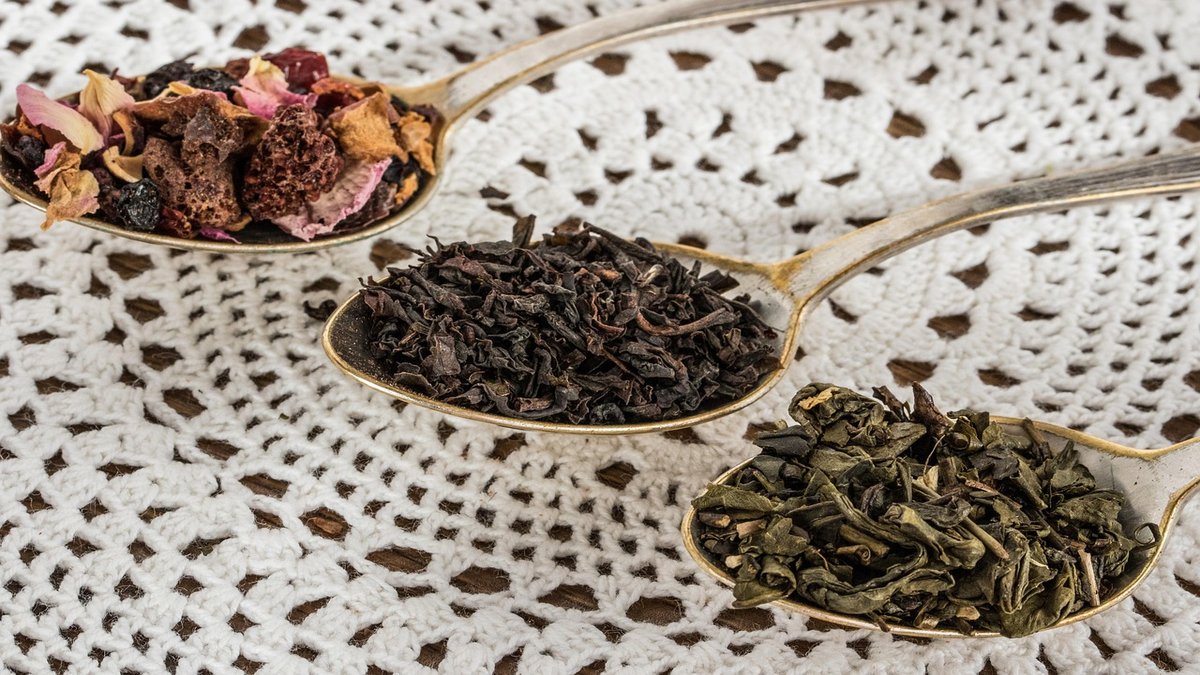
The dry leaves of Junshan Silver Needle are themselves a work of art. Each tea bud is carefully hand-picked, consisting primarily of a single, unopened bud. These buds are strikingly uniform in size and shape, resembling tiny, golden-yellow needles. The "silver" in its name refers to the dense covering of white downy hairs that envelop each bud, giving it a lustrous, silvery sheen. This fine down is a sign of high quality and contributes to the tea's soft texture and subtle sweetness. The plumpness of the buds indicates optimal growth and careful selection, promising a rich flavor experience. The golden-yellow color is a result of the specialized yellow tea processing, which includes the unique smothering step that gently alters the leaf's color.
Aroma Profile
Upon opening a package of Junshan Silver Needle, one is greeted with a distinct and appealing aroma. The fragrance is often described as pure, high-pitched, and subtly sweet, with notes that can evoke fresh corn, roasted nuts, or a delicate floral essence. Unlike some green teas that can have a pronounced vegetal scent, Junshan Silver Needle's aroma is more refined and less astringent. This clear, clean fragrance translates beautifully into the brewed tea, where it becomes even more pronounced, offering an inviting olfactory experience that precedes the first sip. The aroma is a key indicator of the tea's freshness and proper processing, ensuring a delightful sensory journey for the tea drinker.
Flavor Profile
The taste of Junshan Silver Needle is renowned for its sweetness and mellowness. The liquor is exceptionally smooth, with virtually no bitterness or astringency, even when steeped for a longer duration. It often carries a subtle, natural sweetness that lingers on the palate, reminiscent of honey or sweet corn. The flavor is clean and refreshing, making it highly palatable for both seasoned tea drinkers and those new to yellow teas. The high concentration of amino acids, developed during its unique processing, contributes to this umami-rich and smooth taste. The overall experience is one of delicate complexity, where subtle nuances unfold with each sip, leaving a clean and satisfying finish. Many find its taste profile to be remarkably soothing and balanced, a testament to its master craftsmanship.
The Spectacle of Brewing
One of the most captivating aspects of Junshan Silver Needle is its visual performance during brewing. When hot water is poured over the dry buds in a glass vessel, the tea leaves undergo a series of remarkable transformations. Initially, the buds may sink to the bottom, then slowly begin to rise, standing upright like "shoots emerging from the earth." As they absorb water, they may then fall back down, only to rise again, creating a mesmerizing dance known as "three rises and three falls." Some buds may even appear to hold a tiny air bubble, creating the illusion of a "sparrow's tongue holding a pearl." This dynamic display not only adds to the aesthetic pleasure of drinking the tea but also serves as an indicator of the tea's quality and freshness, as only well-preserved buds will exhibit these distinct movements. This visual artistry is a hallmark of the Junshan Silver Needle experience, making it a tea to be savored with all senses.
When did Junshan Silver Needle tea originate?
The history of Junshan Silver Needle tea is extensive, with its origins tracing back to the Tang Dynasty. Over the centuries, this esteemed tea has been known by various names reflective of its changing recognition and characteristics. During the Five Dynasties and Ten Kingdoms period, specifically under the Later Tang, it was referred to as 'Huang Ling Mao' (Yellow Feather Hair). In the subsequent Song Dynasty, it earned the name 'Bai He Cha' (White Crane Tea). By the Qing Dynasty, both Junshan Silver Needle and Junshan Maojian were collectively known as 'Qiqiang Tea' (Flag Spear Tea), highlighting its long and evolving journey through Chinese history Junshan Silver Needle tea analysis.
Tang Dynasty Roots
The earliest records and legends suggest that tea cultivation on Junshan Island, and thus the precursor to Junshan Silver Needle, began during the Tang Dynasty (618-907 AD). While not explicitly named "Junshan Silver Needle" at this time, tea from this region was already gaining renown. The Tang Dynasty was a golden age for tea in China, with tea culture flourishing and new methods of cultivation and processing emerging. It is believed that the unique terroir of Junshan Island was recognized early on for its ability to produce exceptional tea leaves, leading to its initial cultivation. This early period laid the foundational practices for what would eventually become the refined yellow tea we know today.
Evolution of Names and Recognition
As tea culture developed, so did the names and specific recognition of Junshan Island's tea. During the Five Dynasties and Ten Kingdoms period (907-979 AD), a tumultuous era following the Tang Dynasty, the tea from Junshan was called 'Huang Ling Mao,' or "Yellow Feather Hair." This name likely referred to the tea's distinct yellowish color and the fine, downy hairs on its buds, which are still characteristic of Junshan Silver Needle today. This historical name provides insight into the visual attributes that were appreciated even a millennium ago.
Transitioning into the Song Dynasty (960-1279 AD), the tea received another poetic name: 'Bai He Cha,' or "White Crane Tea." The imagery of white cranes often symbolizes purity, longevity, and elegance in Chinese culture, suggesting that the tea was already associated with high quality and perhaps a certain ethereal beauty. This period saw further refinement in tea appreciation and processing, and the tea from Junshan Island continued to be held in high regard, often reserved for imperial tribute. The change in name from "Yellow Feather Hair" to "White Crane Tea" might reflect a growing emphasis on the tea's delicate appearance and esteemed status.
By the Qing Dynasty (1644-1912 AD), the tea from Junshan Island was broadly categorized under 'Qiqiang Tea,' meaning "Flag Spear Tea." This term encompassed both the single-bud Junshan Silver Needle and another local variety, Junshan Maojian, which likely included a bud and one or two leaves, resembling a flag and a spear. This collective naming indicates that the region's teas were well-established and recognized for their distinct forms and quality. The Qing Dynasty was a time when various regional teas gained widespread popularity, and Junshan's contributions were clearly part of this broader tea landscape. The consistent recognition of its unique qualities across different dynasties underscores the enduring legacy of Junshan tea.
From Imperial Tribute to Modern Classic
Throughout these historical periods, tea from Junshan Island often served as an imperial tribute, reserved for emperors and the elite. This status as a tribute tea further cemented its reputation for exceptional quality and rarity. The meticulous care in cultivation and processing, often shrouded in secrecy, was a hallmark of imperial teas. It wasn't until the 20th century that the tea became more widely accessible, though still commanding a premium price due to its limited production and high demand. The formal naming of "Junshan Silver Needle" in 1957 marked a modern chapter in its long history, standardizing its identity and bringing it to international prominence. This long lineage of imperial appreciation has contributed significantly to its current status as a national treasure and a globally recognized yellow tea.
What international recognition has Junshan Silver Needle received?
Junshan Silver Needle has achieved notable international recognition, particularly in the mid-20th century. In 1956, it proudly represented Chinese famous teas at the Leipzig International Exposition. During this prestigious event, the tea garnered immense praise, encapsulated in the evaluation, "Tea covers China, price surpasses all." This significant international exposure led to its formal designation as 'Junshan Silver Needle' in 1957, solidifying its identity and global standing Junshan Silver Needle tea analysis.
The Leipzig International Exposition of 1956
The Leipzig International Exposition, held in what was then East Germany, was a significant global trade fair and exhibition. In 1956, it served as a crucial platform for various countries to showcase their finest products to an international audience. China, seeking to re-establish its presence on the global stage, strategically chose its most esteemed teas to represent its rich cultural and agricultural heritage. Junshan Silver Needle was among the selected few, highlighting its exceptional quality and the confidence placed in its ability to impress discerning international judges and tea enthusiasts. Its participation in such a prominent event was a testament to its already established reputation within China. The exposition provided a rare opportunity to introduce this unique yellow tea to a broader Western audience, many of whom might have been unfamiliar with the nuances of Chinese tea varieties.
"Tea Covers China, Price Surpasses All"
At the 1956 Leipzig International Exposition, Junshan Silver Needle received an extraordinary accolade: "Tea covers China, price surpasses all." This powerful statement, translated from the original Chinese, conveyed the profound impression the tea made on the international panel. It suggested that Junshan Silver Needle embodied the essence of Chinese tea culture and quality to such an extent that it represented the pinnacle of what Chinese tea had to offer. The phrase "price surpasses all" not only hinted at its premium value but also its unmatched quality and rarity, positioning it as a luxury item of unparalleled distinction. This high evaluation propelled Junshan Silver Needle into the international spotlight, marking a pivotal moment in its history and significantly boosting its prestige beyond China's borders. Such a strong endorsement from an international body underscored its superior characteristics and craftsmanship, further cementing its status as a world-class tea.
Formal Naming in 1957
Following its triumphant display at the Leipzig International Exposition, the tea's identity was officially solidified. In 1957, it was formally named "Junshan Silver Needle." This official designation provided a standardized and globally recognized name for the tea, replacing its various historical appellations. The timing of this formal naming, immediately after its international success, suggests a strategic move to capitalize on its newfound fame and ensure consistent branding. The name "Junshan Silver Needle" perfectly captures its origin (Junshan Island) and its distinctive appearance (silver, needle-like buds), making it easily identifiable and memorable for consumers worldwide. This formal recognition was crucial for its continued success and for establishing its place in the pantheon of global fine teas.
Enduring International Appeal
While the Leipzig Exposition marked a significant milestone, Junshan Silver Needle's international appeal has endured. Its delicate flavor, unique visual characteristics during brewing, and rich history continue to attract tea connoisseurs and collectors from around the world. The tea is often featured in international tea exhibitions and is sought after by specialty tea shops and high-end retailers. Its status as one of China's Top Ten Teas, combined with its historical imperial connections, further enhances its mystique and desirability. The consistent quality and the specific terroir of Junshan Island ensure that the tea maintains its distinctive profile, which is highly valued by an international audience appreciative of authentic and rare tea experiences. This enduring appeal speaks to the timeless quality and cultural significance of Junshan Silver Needle.
How does Junshan Silver Needle compare to other famous Chinese teas?
Junshan Silver Needle, as a yellow tea, holds a distinct position among China's famous teas, which encompass a wide range of categories like white, green, and oolong teas. While Junshan Silver Needle is celebrated for its unique yellow tea processing, other famous teas, such as Fuding White Tea, represent different tea families and boast their own unique qualities and geographical protections. Fuding White Tea, for example, received approval as an origin-protected product (geographical indication product) in June 2004 from the former State Administration of Quality Supervision, underscoring its regional significance Fuding White Tea product listings on JD.com.
Junshan Silver Needle: The Yellow Tea Standard
Junshan Silver Needle is the quintessential example of yellow tea, a category characterized by its unique "smothering" process. This gentle post-fermentation step gives the tea its mellow flavor, absence of bitterness, and characteristic yellow hue in both the dry leaf and the liquor. Its distinct visual appeal during brewing, with the 'three rises and three falls,' is also a unique identifier. The limited production and specific island origin further contribute to its rarity and premium status. Yellow tea is often considered a bridge between green and oolong teas, offering a nuanced flavor profile that is less grassy than green tea but not as oxidized as oolong.
Fuding White Tea: A Distinct White Tea Category
In contrast, Fuding White Tea (福鼎白茶) is a prominent white tea from Fuding City, Ningde, Fujian Province, and is recognized as a Chinese national geographical indication product Fuding White Tea product listings on JD.com. White tea undergoes minimal processing, primarily consisting of wilting and drying, allowing the natural characteristics of the tea leaves to shine through. This minimal processing preserves the delicate flavors and the high concentration of white down on the buds and leaves. Fuding White Tea encompasses several main varieties:
- Bai Hao Yin Zhen (White Hair Silver Needle): Made exclusively from plump, unopened tea buds, similar in appearance to Junshan Silver Needle but processed as white tea.
- Bai Mudan (White Peony): Consists of one bud and two young leaves, offering a slightly fuller flavor than Silver Needle.
- Gong Mei (Tribute Eyebrow): A step down in grade, with more leaves and fewer buds, offering a robust flavor.
- Shou Mei (Longevity Eyebrow): The lowest grade, comprising mostly leaves with some buds, known for its fruity and sometimes herbaceous notes.
Fuding White Tea is known for its cooling properties, traditionally believed to clear heat, reduce fire, relieve heatstroke, and detoxify Fuding White Tea product listings on JD.com. Its approval as an origin-protected product in June 2004 highlights its cultural and economic significance.
Other Geographically Protected Teas
China boasts numerous other geographically protected teas, each with its own unique characteristics and origins. These geographical indications (GIs) help preserve the authenticity and quality of regional specialty teas.
- Hanzhong Xianhao: A specialty of Hanzhong City, Shaanxi Province, approved for geographical indication product protection in December 2007 Fuding White Tea product listings on JD.com. It is known for its high aroma, rich taste, durability, beautiful shape, and health benefits, thriving in high-altitude, cloud-shrouded regions.
- Zixi White Tea: Originating from Zixi County, Jiangxi Province, this tea was approved for geographical indication product protection on January 18, 2012 Fuding White Tea product listings on JD.com. It is named for its leaves covered in fine hairs, appearing silver like snow. It is characterized by its fresh and crisp taste, goose-yellow liquor, and sweet aftertaste, and is also known for its cooling properties.
- Zhenhe White Tea: From Zhenhe County, Fujian Province, approved for geographical indication product protection on March 20, 2007 Fuding White Tea product listings on JD.com. It uses the Zhenhe Dabai tea variety, known for its plump buds and abundant down. Its brand value reached 61.18 billion yuan as of 2024, with a tea garden area of 110,000 mu and an industry chain output value of 6.024 billion yuan. This tea was also included in the China-EU Geographical Indications Agreement mutual recognition list in 2020.
- Anji White Tea: From Huzhou, Zhejiang, this tea is unique because it is genetically a green tea but is called "white tea" due to its pale, almost white leaves during early spring growth. It is celebrated for its high amino acid content and fresh, umami flavor.
- Anxi Tieguanyin: A famous oolong tea from Anxi County, Fujian, known for its distinct floral aroma and complex, roasted flavor profile. It is a partially oxidized tea, offering a balance between green and black teas.
- Wuyi Rock Tea: From Wuyi Mountain, Fujian, these are highly oxidized oolong teas, famous for their "rock rhyme" (yan yun) – a mineral-rich taste and aroma derived from the unique rocky terrain.
While all these teas are esteemed, Junshan Silver Needle stands out as a representative of the rare yellow tea category, celebrated for its unique processing, distinct flavor, and captivating brewing spectacle, offering a different experience compared to the minimally processed white teas or the more complex green and oolong varieties. The diversity among these geographically protected teas showcases the vast and rich tapestry of Chinese tea culture.
What are the characteristics of Fuding White Tea varieties?
Fuding White Tea, a celebrated specialty from Fuding City in Ningde, Fujian Province, is a distinguished Chinese national geographical indication product. It is renowned for its diverse varieties, primarily categorized into Bai Hao Yin Zhen (White Hair Silver Needle), Bai Mudan (White Peony), Gong Mei (Tribute Eyebrow), and Shou Mei (Longevity Eyebrow). White tea is widely recognized for its inherent cooling properties, traditionally believed to help clear heat, reduce internal fire, alleviate heatstroke, and detoxify the body Fuding White Tea product listings on JD.com.
Bai Hao Yin Zhen (White Hair Silver Needle)
Bai Hao Yin Zhen is the most prized variety of Fuding White Tea. It is exclusively made from tender, unopened tea buds, harvested in early spring. These buds are covered in a dense layer of fine, silvery-white hairs, which give the tea its characteristic "silver needle" appearance. The minimal processing—primarily wilting and drying—preserves the delicate sweetness and fresh, clean flavor of the buds. The liquor is typically pale yellow, bright, and clear, offering a smooth, mellow taste with notes of hay, honey, and sometimes a subtle floral aroma. Due to its scarcity and labor-intensive harvesting, Bai Hao Yin Zhen commands a high price and is considered a top-tier white tea.
Bai Mudan (White Peony)
Bai Mudan, or White Peony, is another highly regarded Fuding White Tea variety. It consists of one bud and two young leaves, carefully plucked during the spring harvest. The presence of leaves alongside the bud gives Bai Mudan a slightly fuller body and a more pronounced flavor compared to Bai Hao Yin Zhen. Its leaves are often a mix of green and silvery-white, resembling a peony flower. The aroma is typically fresh and floral, with a taste that is sweet, mellow, and often described as having notes of dried fruits or nuts. The liquor is a clear, light apricot color. Bai Mudan offers a balance between the delicate purity of Silver Needle and the more robust character of the lower grades.
Gong Mei (Tribute Eyebrow)
Gong Mei, or Tribute Eyebrow, is a Fuding White Tea variety made from a higher proportion of leaves than buds, often including a bud and several mature leaves. It is typically harvested later in the spring or early summer. The name "Tribute Eyebrow" historically refers to its quality being worthy of tribute, though it is a more accessible grade than Silver Needle or White Peony. Gong Mei produces a darker, richer liquor, often amber in color, with a fuller body and a more robust flavor. It can have fruity, woody, or slightly spicy notes, and its aroma is often described as earthy or herbaceous. This variety is known for its versatility and is often enjoyed for its comforting and satisfying qualities.
Shou Mei (Longevity Eyebrow)
Shou Mei, or Longevity Eyebrow, is the most widely produced and generally the most affordable Fuding White Tea variety. It is made from the mature leaves and stems that remain after the plucking of Silver Needle and White Peony. Harvested primarily in the summer and autumn, Shou Mei typically has a darker, more varied appearance with larger leaves. Despite being the lowest grade, high-quality Shou Mei can offer a surprisingly complex and flavorful experience. Its liquor is a deeper orange-red, and its taste is often described as fruity, sweet, and sometimes having notes of prune or date, especially when aged. Shou Mei is particularly popular for its ability to age well, with its flavors deepening and mellowing over time. For example, some Fuding Old White Tea Shoumei products from 2017 are available, offering a concentrated aroma Fuding White Tea product listings on JD.com. A fifteen-year-aged Fuding Old White Tea in small tea cakes is available in 500g gift boxes, making it a suitable New Year gift Fuding White Tea product listings on JD.com.
Health Benefits and Aging Potential
Fuding White Tea, across all its varieties, is highly regarded for its traditional health benefits. It is considered to be "cooling" in traditional Chinese medicine, making it effective for clearing internal heat, reducing inflammation, and detoxifying the body. These properties make it a popular choice during warmer months or when seeking a soothing beverage. Furthermore, Fuding White Tea is unique among teas for its exceptional aging potential. Like fine wine, white tea can improve with age, with its flavors deepening, mellowing, and developing new complexities over time. This characteristic is particularly prized in older Shou Mei and Gong Mei, which are often stored for years, developing richer, more nuanced profiles, sometimes described as having a "date fragrance" or "plum aroma." The principle behind white tea aging, or "chenhua" (陈化), allows its inherent qualities to evolve, making aged white tea highly sought after for its unique taste and purported health benefits.
Where can one find Fuding White Tea products?
Fuding White Tea products are widely accessible through various channels, offered by a multitude of brands. These teas can be purchased from established brands such as Tianzhouxi Tea, Chayiguan Tea, Caichabai, Fudongshun Tea, Bama Tea Industry, Fumingyuan, Likang Fuding White Tea, Mingjie, Qichun, Zuichunqiu Tea, and Haoteanong. Consumers can find these products on major e-commerce platforms like JD.com and Suning.com, which feature a comprehensive range of Fuding White Tea options, including loose leaf tea, pressed tea cakes, and elaborate gift sets, with vintages dating from 2015 to 2019 Fuding White Tea product listings on JD.com.
Major E-commerce Platforms
Online marketplaces are a primary destination for purchasing Fuding White Tea. JD.com, for instance, lists numerous Fuding White Tea products from various vendors. You can find items like "Tianzhouxi Tea Fuding White Tea Shoumei 500g 2015 Raw Material Old White Tea Gift Box" and "Bama Tea Industry Fuding White Tea 2015 White Peony 300g Cake Tea Gift Box" Fuding White Tea product listings on JD.com. Suning.com also serves as a significant retail platform, offering a wide selection of Fuding White Tea products at various price points Fuding White Tea price listings on Suning.com. These platforms allow consumers to compare prices, read reviews, and choose from a vast inventory, making Fuding White Tea readily available to a broad audience. The convenience of online shopping, coupled with detailed product descriptions and customer feedback, enhances the purchasing experience.
Diverse Product Formats
Fuding White Tea is available in multiple formats to suit different preferences and occasions.
- Loose Leaf Tea: Many brands offer loose leaf Fuding White Tea, particularly Shou Mei and Gong Mei varieties. For example, "2017 Authentic Fuding Old White Tea Shoumei Concentrated Aroma Bagged Loose Tea 250g*1 Bag" is available, as is "Fudongshun Tea Fuding White Tea Aged High Mountain Old Shoumei Loose Tea 500g" Fuding White Tea product listings on JD.com. Loose leaf tea allows for flexible brewing and appreciation of the tea's natural form.
- Tea Cakes (Compressed Tea): Compressed tea cakes are popular for aging and gifting. Brands like "Chayiguan Tea Aged White Tea Fifteen-Year-Aged Old White Tea Dry Tea Small Tea Cake Gift Box 500g" and "Bama Tea Industry Fuding White Tea Gong Mei 2019 Raw Material Old White Tea Cake [Single Cake] 100g" are examples of compressed tea offerings Fuding White Tea product listings on JD.com. Tea cakes are often preferred by collectors and those who enjoy the evolving flavors of aged white tea.
- Gift Sets: For special occasions, Fuding White Tea is packaged in elegant gift boxes. Products like "Caichabai White Tea Fuding White Tea Old White Tea Loose Tea 2 Cans Total 500g Old Shoumei Aged White Tea Gift Box" are designed for gifting to elders or leaders Fuding White Tea product listings on JD.com. These sets often combine aesthetics with high-quality tea, making them ideal presents.
- Individual Portions: For convenience, some brands offer individually packaged portions, such as "Fumingyuan Tea White Tea Fuding White Tea Shoumei 2016 Aged Aromatic Old White Tea One Cake One Brew Box 30g" and "Qichun White Tea Fuding Old White Tea 2017 Gong Mei Small Cake Tea 30g Boxed" Fuding White Tea product listings on JD.com. These are perfect for single servings and on-the-go enjoyment.
Variety of Vintages
The aging potential of white tea means that various vintages are available, allowing consumers to experience different stages of its flavor development. Products range from more recent harvests like "Mingjie Fuding White Tea 2018 Old Shoumei White Tea Jujube Fragrance Premium Tea Gift Box 500g" to older, aged options such as "Tianzhouxi Tea Fuding White Tea Shoumei 500g 2015 Raw Material Old White Tea" Fuding White Tea product listings on JD.com. The specific vintage can significantly influence the taste profile, with older teas often developing deeper, mellower, and more complex notes like jujube or plum. This variety caters to both those who prefer fresh white tea and those who appreciate the nuanced characteristics of aged white tea.
Reputable Brands
Several brands specialize in Fuding White Tea, ensuring quality and authenticity. Brands like Xishang (溪商), Yuan Yu Lu (源御露), Xinquanxin (新全新), Xianqing (仙青), and Deyixuan (得意軒) are prominent on platforms like Suning.com Fuding White Tea price listings on Suning.com. On JD.com, brands such as Tianzhouxi Tea, Chayiguan Tea, Caichabai, Fudongshun Tea, Bama Tea Industry, Fumingyuan, Likang Fuding White Tea, Mingjie, Qichun, Zuichunqiu Tea, and Haoteanong offer a wide array of Fuding White Tea products Fuding White Tea product listings on JD.com. Many of these brands emphasize the geographical indication and quality certifications, providing assurance to consumers about the authenticity and origin of their Fuding White Tea. The presence of such a diverse brand landscape ensures competitive pricing and a wide selection for all types of tea enthusiasts.
Frequently Asked Questions
What makes Junshan Silver Needle a yellow tea?
Junshan Silver Needle is classified as a yellow tea due to its unique processing method, which includes an additional step called "smothering" or "sealing yellow." After initial wilting and light oxidation, the tea leaves are gently wrapped or piled, allowing for a slight, controlled fermentation. This process, unique to yellow tea, gives the leaves and the brewed liquor a distinctive yellowish hue and contributes to its mellow, sweet flavor profile, differentiating it from green teas which skip this step.
Where is Junshan Silver Needle primarily grown?
Junshan Silver Needle is grown exclusively on Junshan Island, located within Dongting Lake in Hunan Province, China. This specific geographical origin is crucial to its identity and quality. The island's unique microclimate, characterized by its humidity, temperature, and soil composition, provides the ideal environment for the tea plants, contributing to the tea's distinct characteristics and making it a geographically protected product.
What are the historical names for Junshan Silver Needle?
The history of Junshan Silver Needle dates back to the Tang Dynasty. Over time, it has been known by several different names. During the Five Dynasties and Ten Kingdoms period, specifically the Later Tang, it was called 'Huang Ling Mao' (Yellow Feather Hair). In the Song Dynasty, it was known as 'Bai He Cha' (White Crane Tea). By the Qing Dynasty, it was collectively referred to as 'Qiqiang Tea' (Flag Spear Tea), alongside Junshan Maojian, before being formally named "Junshan Silver Needle" in 1957.
How is Junshan Silver Needle tea traditionally prepared?
While the research does not explicitly detail the traditional brewing steps, Junshan Silver Needle, like many delicate Chinese teas, is typically prepared using a transparent glass vessel to appreciate its visual characteristics. Hot water, usually around 80-85°C (175-185°F), is poured over a small amount of tea buds. The tea is steeped for a short period, often 1-3 minutes for the first infusion. This method allows the delicate flavors and aromas to fully develop without becoming bitter, and showcases the tea's unique brewing spectacle.
What are the visual unique features of brewed Junshan Silver Needle?
When brewed, Junshan Silver Needle displays several captivating visual features. The plump, golden-yellow buds, covered in white down, exhibit a dynamic dance in the water. These include phenomena like 'shoots emerging from the earth,' where the buds stand upright, 'three rises and three falls,' where they repeatedly sink and float, and 'sparrow's tongue holding a pearl,' where a small air bubble may cling to a bud. These visual spectacles enhance the overall tea-drinking experience and are a hallmark of high-quality Junshan Silver Needle.
Sources
- Fuding White Tea product listings on JD.com
- Fuding White Tea product listings on Baidu Baike
- Fuding White Tea price listings on Suning.com
- Junshan Silver Needle tea analysis
- What are the unique flavors of Junshan Silver Needle?
Related Reading
- Famous Chinese Tea Masters to Follow
- Wild Fuding White Tea vs Plantation Tea
- Chinese White and Yellow Teas: The Rare Categories Explained
- Best Chinese Pressed White Tea Cakes
- Chinese Tea Auctions: How to Participate
— The Tea Atlas Team