Liu An Guapian: China's Only Leafless Green Tea
- Liu An Guapian is distinguished as China's only green tea made without buds or stems, using only mature tea leaves.
Last updated: April 2026
Affiliate Disclosure: We may earn a commission when you purchase through our links. This does not affect our editorial independence.
Quick Answer
- Liu An Guapian is distinguished as China's only green tea made without buds or stems, using only mature tea leaves.
- This tea is primarily produced in the Dabie Mountains region of Anhui province, known for its unique terroir.
- The processing involves a complex series of steps including pan-frying and baking, which gives it its characteristic flat, melon-seed shape.
- While specific pricing for Liu An Guapian is not available in the provided sources, other premium green teas like Mingqian Grade 1 Dongting Biluochun can fetch 980 yuan per jin (approximately 500g) in 2026.
Liu An Guapian stands out in the world of Chinese green teas for its distinctive characteristic: it is the only green tea variety crafted exclusively from mature tea leaves, purposefully omitting both buds and stems from its composition. This singular approach to tea selection and processing originates in the Dabie Mountains of Anhui province, a region celebrated for its unique geographical and climatic conditions that foster the development of this special tea. The production of Liu An Guapian involves a series of intricate steps, including specialized pan-frying and baking techniques, which are essential in shaping its iconic flat, melon-seed appearance and developing its complex flavor profile. Although direct pricing for Liu An Guapian is not detailed in current market data, the value of premium green teas is evident in varieties like Mingqian Grade 1 Dongting Biluochun, which commands prices of 980 yuan per jin (approximately 500g) as of 2026, reflecting the high esteem for meticulously processed and traditionally sourced teas.
What Makes Liu An Guapian Unique?
Liu An Guapian sets itself apart in the vast landscape of Chinese teas as the sole green tea variety that is intentionally crafted without any tea buds or stems, focusing exclusively on the mature leaves. This fundamental distinction is not merely a matter of processing but deeply influences the tea's character, flavor, and aroma. Unlike many other famous green teas, which often highlight the delicate freshness of young buds or the balance provided by a bud and one or two leaves, Liu An Guapian embraces the robust qualities of the mature leaf. This choice of material dictates a different processing methodology, which in turn results in a unique sensory experience for the drinker. The careful selection of mature leaves means that the tea offers a deeper, more mellow profile, often described as having a rich, lingering sweetness without the grassy notes sometimes associated with bud-heavy green teas.
The unique processing of Liu An Guapian is intrinsically linked to its raw material. Because it uses mature leaves, the tea requires distinct techniques to unlock its potential. These leaves, being older and thicker, necessitate more intensive pan-frying and baking stages to achieve the desired flavor and texture. The meticulous pan-frying helps to halt oxidation and develop its characteristic green color, while the subsequent baking stages are crucial for drying the leaves thoroughly and enhancing their aroma. This multi-stage baking process is particularly important for Liu An Guapian, as it contributes to the tea's flat, melon-seed shape, a visual hallmark that is as distinctive as its leafless composition. The leaves are carefully shaped during these stages, often pressed and flattened to achieve their characteristic form. This shape not only makes the tea visually appealing but also influences how the tea brews, allowing for an even infusion and a full release of its complex flavors.
The absence of buds means that Liu An Guapian does not possess the same level of fine white hairs (bai hao) that are often seen as an indicator of freshness and tenderness in other green teas like Biluochun. For example, Mingqian Special Grade 1 Biluochun is noted for its abundant and tender fine white hairs, a characteristic that is less pronounced or entirely absent in Liu An Guapian due to its specific leaf selection [Zhihu user, from 'Green Tea (West Dongting Mountain) Xiaoxu Family Biluochun | Mingqian Special Grade 1 | Minghou Grade 2 | Comparative Review' (translated from Chinese)]. However, this does not detract from Liu An Guapian's quality; rather, it defines a different standard of excellence, one focused on the nuanced flavors extracted from mature, carefully processed leaves. The emphasis shifts from the delicate sweetness of young buds to the profound, lingering taste and aroma cultivated through expert processing of older leaves. This specific approach ensures that each sip of Liu An Guapian delivers a taste profile that is rich, complex, and distinctively different from its bud-laden counterparts.
Furthermore, the unique processing methods contribute to Liu An Guapian's distinctive aroma. The repeated baking helps to develop a roasted, nutty fragrance that complements its inherent vegetal notes. This aroma is often described as savory and enduring, setting it apart from the more floral or fresh-cut grass scents found in many other green teas. The combination of mature leaves, specific pan-frying, and multi-stage baking results in a tea that is not only visually unique but also offers a complex interplay of flavors and aromas that appeal to connoisseurs seeking a different kind of green tea experience. The dedication to this specific method, passed down through generations of tea masters in the Dabie Mountains, underscores the deep cultural significance and artisanal commitment behind Liu An Guapian, solidifying its status as a truly unique and prized variety among China's vast tea offerings. The meticulous attention to detail at every stage, from leaf selection to the final baking, ensures that the tea maintains its integrity and delivers a consistent, high-quality experience.
The Significance of Mature Leaves
The exclusive use of mature leaves in Liu An Guapian is a deliberate choice that underpins its unique character. Unlike the tender buds and young shoots favored by many other green tea varieties, mature leaves possess a different chemical composition. They tend to have lower levels of amino acids, which contribute to the umami and sweetness in young teas, but higher concentrations of catechins and other polyphenols. While catechins can sometimes lead to astringency if not properly managed, Liu An Guapian's processing methods are designed to mitigate this, transforming potential bitterness into a pleasant, lingering depth. The mature leaves also contribute to the tea's robust body and a more enduring flavor profile. This makes Liu An Guapian a tea that can withstand multiple infusions, each revealing new layers of its complex taste. The strength derived from these older leaves allows the tea to maintain its flavor and aroma over several steepings, providing a consistent and satisfying experience throughout a brewing session.
The Melon-Seed Shape
The distinctive flat, melon-seed shape of Liu An Guapian is not merely an aesthetic feature but a direct outcome of its specialized processing. After the leaves are picked, they undergo an initial pan-frying stage to halt oxidation. Following this, they are carefully shaped and flattened through a series of pressing and baking steps. This meticulous shaping process is essential to achieve the tea's characteristic appearance, which resembles a melon seed or a sunflower seed. This shape is not found in other prominent green teas like Longjing, which is flat and sword-like, or Biluochun, which is tightly curled like a snail. The unique form of Liu An Guapian influences its infusion properties, allowing the water to interact evenly with the leaf surface, ensuring a balanced extraction of flavors and aromas. This careful shaping also prevents the leaves from breaking during transport and storage, helping to preserve their integrity and quality until they reach the consumer. The visual appeal of the tea, with its uniform, flattened leaves, adds to its overall premium perception.
Where Does Liu An Guapian Come From?
Liu An Guapian originates from the Dabie Mountains, a significant mountain range located primarily in the western part of Anhui province, China. This specific geographical region is not just a location but a critical component of the tea's identity and unique flavor profile. The Dabie Mountains are characterized by their rugged terrain, high altitudes, and a climate that is particularly conducive to tea cultivation. The region experiences abundant rainfall, often shrouded in mist, which provides the ideal humidity levels for tea plants to thrive. The unique terroir, encompassing the soil composition, elevation, and climatic conditions, plays an indispensable role in shaping the chemical makeup of the tea leaves, directly influencing their aroma, taste, and overall quality. This environment fosters a slow growth rate for the tea plants, allowing the leaves to accumulate a rich concentration of flavor compounds before harvest. The misty conditions also shield the tea leaves from harsh sunlight, which helps to preserve their delicate qualities and prevent excessive bitterness.
The specific geography of the Dabie Mountains contributes to a distinctive microclimate that is perfectly suited for growing premium green tea. The combination of nutrient-rich soil, often derived from decomposed granite and other minerals, and the consistent moisture from rain and mist, creates an optimal environment for the tea bushes. These conditions are similar to those found in other renowned tea-producing areas, such as Suzhou Taihu Dongting Mountain, which is celebrated for its Dongting Biluochun tea, known for its natural floral and fruity aroma due to the combination of ample rainfall, fertile soil, and intercropping with fruit trees [https://www.blcchaye.com/jiage_204.html]. While Liu An Guapian's specific flavor profile is different, the underlying principles of geographical influence remain consistent. The high altitudes and cooler temperatures in the Dabie Mountains also contribute to a slower accumulation of catechins and a higher concentration of amino acids, which results in a smoother, less astringent, and more complex taste. This slow maturation process allows the leaves to develop a deeper and more nuanced flavor profile, making the tea highly sought after.
Furthermore, the isolation of certain areas within the Dabie Mountains has historically preserved traditional tea cultivation and processing methods. Many tea gardens in this region are small, family-run operations, where generational knowledge of tea production is passed down. This preserves the authenticity of Liu An Guapian, ensuring that the tea continues to be made according to time-honored practices rather than mass-produced industrial methods. The meticulous hand-picking and artisanal processing, which are hallmarks of premium Chinese teas, are still widely practiced in the Dabie Mountains. This commitment to traditional methods ensures that the unique characteristics of Liu An Guapian are maintained, from the careful selection of mature leaves to the intricate pan-frying and baking stages. The connection between the tea and its place of origin is so strong that the name "Liu An Guapian" itself refers to Liu'an City in Anhui, underscoring its geographical roots and local heritage. This deep connection to its terroir is a significant factor in its reputation and desirability among tea connoisseurs. The tea's reputation is built not only on its unique processing but also on the pristine environment from which it originates.
The specific climate also plays a crucial role in the development of the tea's unique flavor profile. The temperature fluctuations between day and night in the Dabie Mountains encourage the tea plants to produce a wider range of aromatic compounds. The cooler nights slow down the plant's metabolism, allowing more complex flavors to develop within the leaves. This results in a tea that is not only robust but also possesses subtle layers of taste and aroma that are highly prized. The distinct seasonal changes in the region also influence the harvest times, with spring being the most crucial period for picking the leaves that will become Liu An Guapian. The combination of these natural factors—geography, climate, and soil—creates a perfect synergy that allows Liu An Guapian to develop its signature characteristics, making it an irreplaceable product of its specific origin. This regional specificity is a key factor in its classification as one of China's most famous green teas. For more details, see Zhihu article on tea production.
The Dabie Mountains Terroir
The Dabie Mountains provide an ideal terroir for tea cultivation, characterized by its elevation, climate, and soil composition. The mountainous terrain ensures good drainage, preventing waterlogging around the tea plant roots, which can be detrimental to their health. The high altitudes also mean cooler temperatures, which slow down the growth rate of the tea leaves. This slower growth allows the leaves to accumulate more complex flavor compounds, resulting in a richer and more nuanced taste. The frequent mists and high humidity levels in the mountains protect the tea leaves from harsh sunlight, reducing the formation of bitter compounds and promoting a smoother, sweeter profile. The soil in the Dabie Mountains is typically acidic and rich in organic matter, providing the tea plants with essential nutrients. This combination of environmental factors creates a unique ecosystem that is perfectly adapted for producing Liu An Guapian, contributing significantly to its distinct aroma and flavor. The specific mineral content of the soil also imparts subtle characteristics to the tea, further enhancing its regional identity.
Historical and Cultural Significance
The cultivation of tea in the Dabie Mountains, and specifically of Liu An Guapian, has a long and storied history, deeply interwoven with the cultural fabric of Anhui province. Tea production in this region dates back centuries, with traditional methods passed down through generations of tea farmers. This historical continuity means that the processing techniques for Liu An Guapian are not merely industrial processes but artisanal crafts refined over time. The tea has held a significant place in Chinese tea culture, often served to dignitaries and highly valued for its unique characteristics. Its distinction as a "leafless" tea highlights a deliberate choice rooted in tradition and a deep understanding of tea plant physiology. This historical reverence contributes to its premium status and explains why it remains a cherished variety among tea enthusiasts. The cultural significance extends to the local communities, where tea farming is often a central part of their livelihood and heritage.
How is Liu An Guapian Processed?
The processing of Liu An Guapian is a highly specialized and intricate craft, distinguishing it from other green teas and contributing significantly to its unique characteristics. The production involves several distinct stages, each meticulously executed to ensure the tea achieves its characteristic flat, melon-seed shape and complex flavor profile. Unlike many other green teas that prioritize the delicate qualities of young buds, Liu An Guapian exclusively uses mature leaves, which necessitates a different approach to processing. The journey from freshly picked leaf to finished tea involves a precise sequence of steps: initial sorting, pan-frying (also known as "fixing" or "sha qing"), shaping, and multiple rounds of baking. These stages are not merely functional but are crucial for developing the tea's distinct aroma, texture, and appearance. The mastery of these techniques is often passed down through generations of tea artisans in the Dabie Mountains, reflecting a deep understanding of the tea plant and its potential.
The first critical step after harvesting the mature leaves is careful sorting. This ensures that only leaves of the appropriate size and quality are selected, removing any unwanted stems or buds that might have inadvertently been picked. This initial selection is paramount, as it directly impacts the final quality and consistency of the tea, reinforcing its identity as a "leafless" green tea. Following sorting, the leaves undergo the "fixing" stage, typically through pan-frying in large woks. This process, known as sha qing, is crucial for halting the enzymatic oxidation that would otherwise turn the green leaves brown, preserving their vibrant green color and fresh flavor. The heat applied during pan-frying also begins to soften the leaves, making them more pliable for the subsequent shaping stages. The temperature and duration of pan-frying are carefully controlled by experienced tea masters, as an imbalance can either undercook the leaves, allowing for unwanted oxidation, or overcook them, leading to a burnt taste.
After pan-frying, the leaves are meticulously shaped. This is where the tea begins to take on its iconic flat, melon-seed appearance. The leaves are often manually pressed and flattened, sometimes repeatedly, to achieve the desired form. This shaping is a labor-intensive process that requires skill and precision. The goal is not just aesthetic; the flat shape influences how the tea infuses, ensuring a more even and efficient extraction of flavors when brewed. This stage is particularly important for Liu An Guapian, as its distinctive shape is a key identifier. Following shaping, the tea undergoes a series of baking (or drying) steps. These baking stages are crucial for reducing the moisture content of the leaves to a stable level, preventing spoilage, and further developing the tea's aroma. Unlike many other green teas that might have one or two drying stages, Liu An Guapian often involves multiple rounds of baking at varying temperatures. This repeated baking process is vital for enhancing its unique roasted, nutty fragrance and contributing to its complex, lingering aftertaste.
The multi-stage baking process is a hallmark of Liu An Guapian production. Each round of baking at different temperatures helps to refine the tea's character, deepening its flavor and aroma. The leaves are carefully monitored during these stages to ensure even drying and prevent scorching. This meticulous attention to detail at every step, from the initial selection of mature leaves to the final baking, is what yields Liu An Guapian's distinctive qualities. The absence of buds and stems means that the tea's character relies entirely on the quality of the mature leaves and the expertise of the processor. This focus on mature leaves, combined with the unique pan-frying, shaping, and extensive baking, creates a green tea that is robust, savory, and possesses a profound depth of flavor that is highly prized by tea connoisseurs. The intricate nature of this processing ensures that Liu An Guapian remains a specialty tea, reflecting centuries of accumulated knowledge and dedication.
Initial Selection and Sha Qing
The initial selection of tea leaves for Liu An Guapian is a rigorous process. Harvesters carefully pick only the mature, undamaged leaves, leaving behind any buds or stems. This precise selection is fundamental to the tea's identity. Once collected, these leaves are immediately transported to the processing facility to prevent any significant oxidation. The first major processing step is sha qing, or pan-frying. This involves heating the leaves in large woks at high temperatures for a short period. The intense heat denatures the enzymes responsible for oxidation, effectively "fixing" the green color and fresh flavor of the leaves. This stage also reduces the moisture content and softens the leaves, preparing them for subsequent shaping. The skill of the tea master is paramount here, as the temperature and duration must be perfectly controlled to achieve the desired outcome without burning the leaves or allowing unwanted enzymatic activity.
Shaping and Multi-Stage Baking
Following the sha qing process, the leaves are meticulously shaped into their characteristic flat, melon-seed form. This is often done manually, with tea artisans carefully pressing and flattening the leaves. This shaping process requires considerable dexterity and patience. Once shaped, the leaves undergo multiple rounds of baking. This is a distinguishing feature of Liu An Guapian processing. The leaves are baked at different temperatures over an extended period, which gradually reduces their moisture content while simultaneously developing their unique roasted and nutty aroma. This multi-stage baking also contributes to the tea's stability, allowing it to be stored for longer periods without losing its quality. The careful control of temperature and timing during these baking stages is critical for enhancing the tea's complex flavor profile and achieving its desired texture and visual appeal.
What are the Characteristics of Premium Green Teas?
Premium green teas, such as Dongting Biluochun and Shifeng Longjing, share several common characteristics that distinguish them from lower-grade varieties, although each possesses its unique regional specificities. These teas are celebrated for their exceptional quality, which is a direct result of superior cultivation practices, meticulous harvesting, and expert processing. One of the most significant indicators of premium green tea is its origin. For instance, Dongting Biluochun from Suzhou Dongting Xishan is renowned for its specific terroir, characterized by rich rainfall, fertile soil, and the unique practice of intercropping with fruit trees. This environment imparts a natural floral and fruity aroma to the tea, contributing to its esteemed reputation [https://www.blcchaye.com/jiage_204.html]. Similarly, Shifeng Longjing tea, sourced from the Shifeng mountain area in West Lake, Hangzhou, benefits from its unique microclimate and traditional cultivation methods, producing a tea with a distinct chestnut-like aroma and flat, smooth leaves.
Another crucial characteristic of premium green teas is the timing of their harvest, particularly the "Mingqian" designation. "Mingqian" refers to teas harvested before the Qingming Festival (around April 4-6 each year), when the tea buds and leaves are at their most tender and flavorful. These early spring harvests are prized for their delicate taste, fresh aroma, and scarcity, as the yields are typically smaller. For example, Mingqian Grade 1 Dongting Biluochun is specifically selected before Qingming and often consists of one bud and two leaves, highlighting its early harvest and specific leaf composition. This meticulous selection contributes to its higher market value, with Mingqian Grade 1 Dongting Biluochun fetching 980 yuan per jin (approximately 500g) in 2026 [https://www.blcchaye.com/jiage_204.html]. The freshness and tenderness of these early spring leaves are also visually evident, particularly in teas like Biluochun.
The physical appearance of the dry tea leaves also serves as a strong indicator of quality. Premium green teas often exhibit specific visual cues such as tightly rolled or flattened shapes, vibrant color, and the presence of fine white hairs, known as bai hao. In Biluochun, for instance, the leaves are described as slender, tightly curled like a snail, and covered with fine white hairs. These bai hao are a critical marker of freshness and tenderness. As one Zhihu user noted, "The fine white hairs, like velvet, are an important external characteristic of Biluochun. They also serve as an indicator of a tea's freshness and tenderness" (translated from Chinese) [https://zhuanlan.zhihu.com/p/1962920658443960657]. Comparing different grades, Mingqian Special Grade 1 Biluochun shows more abundant and tender fine white hairs compared to Minghou Grade 2 Biluochun, further emphasizing the link between bai hao and premium quality. The vibrant green color of the dry leaves, often described as翠绿 (emerald green), also signifies proper processing and freshness. For more details, see JD.com listing for Shifeng Longjing tea.
When brewed, premium green teas are expected to yield a clear, bright liquor and a complex, refreshing taste. The aroma should be pronounced and pleasant, ranging from fresh floral and fruity notes in Biluochun to the roasted chestnut notes in Longjing. The taste profile should be smooth, with a balanced sweetness and a refreshing aftertaste, and minimal astringency. For example, the tea soup of high-quality Biluochun is described as fresh and mellow, with a bright green and clear color, and the infused leaves are tender and even, with delicate downy hairs [https://www.blcchaye.com/jiage_204.html]. The consistency and integrity of the tea leaves after infusion (the "wet leaf" or "spent leaf") are also important, with premium teas showing intact, tender, and evenly colored leaves. These combined characteristics—origin, harvest time, physical appearance, and sensory experience—are what define a truly premium Chinese green tea, making them highly sought after by tea enthusiasts and collectors alike. The meticulous care taken at every stage, from the tea garden to the final packaging, ensures that these teas deliver an unparalleled experience.
The Significance of 'Mingqian' Harvest
The term 'Mingqian' (明前), meaning "pre-Qingming," is a highly esteemed designation for Chinese green teas harvested before the Qingming Festival. This period, typically in early April, is considered the optimal time for harvesting tea leaves because the young buds and leaves are exceptionally tender, delicate, and rich in flavor compounds. The cooler temperatures of early spring result in slower growth, allowing the tea plants to accumulate higher concentrations of amino acids (which contribute to umami and sweetness) and lower levels of bitter catechins. This balance creates a tea with a fresher, sweeter, and less astringent taste. Mingqian teas are often characterized by their vibrant green color, delicate aroma, and smooth mouthfeel. Due to the limited harvest window and the premium quality of the leaves, Mingqian teas are typically more expensive and highly sought after. For example, Mingqian Grade 1 Dongting Biluochun is explicitly noted for being harvested before Qingming and comprises primarily one bud and two leaves, highlighting its premium status and careful selection.
Visual and Aromatic Cues
The visual and aromatic characteristics of dry tea leaves are crucial indicators of premium green tea quality. High-grade teas often display a uniform appearance, with leaves that are consistently shaped, whether flat like Longjing or curled like Biluochun. The color should be a vibrant shade of green, indicating proper processing and minimal oxidation. A key visual cue for many premium green teas, particularly Biluochun, is the presence of fine white hairs, or bai hao, which cover the tender buds and young leaves. These bai hao are a sign of youthfulness and freshness, contributing to a silky texture and a nuanced flavor. An expert observation states, "The fine white hairs, like velvet, are an important external characteristic of Biluochun. They also serve as an indicator of a tea's freshness and tenderness" (translated from Chinese) [https://zhuanlan.zhihu.com/p/1962919318443960657]. The aroma of the dry leaves should be clean, fresh, and complex, with distinct notes that are characteristic of the tea variety, such as the floral and fruity notes of Biluochun or the roasted chestnut notes of Longjing.
How Do Brewing Methods Impact Green Tea Flavor?
The method used to brew green tea significantly impacts its flavor, aroma, and overall sensory experience. Factors such as water temperature, brewing time, and the type of water used can dramatically alter the compounds extracted from the tea leaves, leading to different taste profiles. Green teas are particularly sensitive to brewing conditions due to their delicate nature and the presence of various volatile compounds and amino acids. Unlike black teas, which generally tolerate higher temperatures, green teas, especially premium varieties, require more precise control to prevent bitterness and bring out their nuanced flavors. For instance, using water that is too hot can scorch the delicate leaves, causing them to release excessive tannins and catechins, resulting in an overly astringent and bitter brew. Conversely, water that is too cool might not extract enough flavor, leading to a weak and underdeveloped taste.
A key factor in brewing premium green teas is the water temperature. The ideal temperature range for most green teas is typically between 75°C and 85°C (167°F to 185°F). For a delicate tea like Biluochun, a slightly lower temperature is often recommended to preserve its fresh floral and fruity notes. Specifically, a brewing temperature of about 82 degrees Celsius using mineralized water is recommended for Biluochun [https://zhuanlan.zhihu.com/p/1962920658443960657]. This temperature allows for the optimal extraction of aromatic compounds and amino acids, which contribute to the tea's sweetness and umami, while minimizing the release of bitter catechins. Using mineralized water, as suggested, can also enhance the tea's flavor by providing a balanced mineral content that complements the tea's natural characteristics. Tap water, especially if heavily chlorinated or very hard, can mask or distort the delicate flavors of high-quality green tea.
Brewing time is another critical variable. Green teas generally require shorter steeping times compared to black or oolong teas. A typical first infusion for green tea might last from 30 seconds to 2 minutes, depending on the tea type and personal preference. Over-steeping can quickly lead to bitterness, even if the water temperature is ideal. The unique characteristics of different tea grades, even from the same region, become more apparent with careful brewing. As one reviewer noted when comparing Mingqian Special Grade 1 and Minghou Grade 2 Biluochun, "When comparing the taste, the characteristics of the two immediately became apparent. Both had prominent fresh floral and fruity aromas when smelled from afar" (translated from Chinese) [https://zhuanlan.zhihu.com/p/1962920658443960657]. This highlights how proper brewing can unveil the subtle distinctions between different batches and grades of tea, allowing the true essence of each to shine through. The ability to discern these differences is a hallmark of an experienced tea drinker and a testament to the quality of the tea itself.
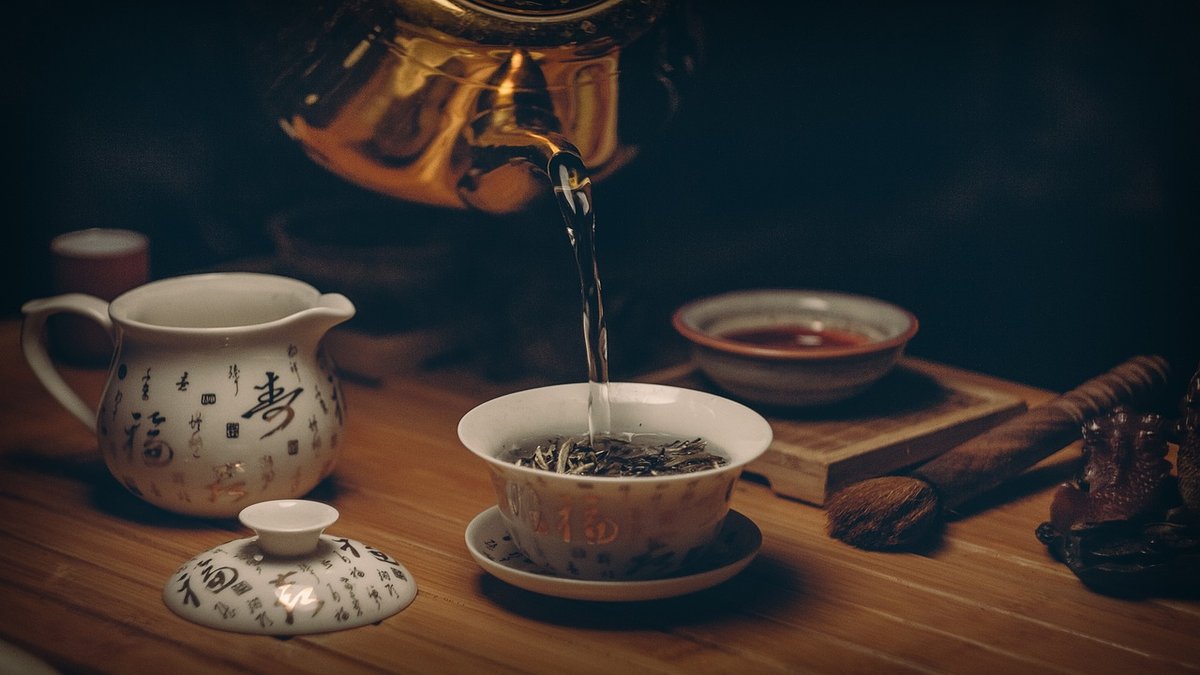
Furthermore, the choice of brewing vessel can also influence the flavor. Traditional Chinese green teas are often brewed in gaiwans or glass teapots, which allow the drinker to appreciate the visual beauty of the unfurling leaves and the color of the liquor. Glass teapots are particularly suitable for green teas as they do not retain flavors from previous brews and allow for precise temperature control. The material of the teapot, whether ceramic, glass, or Yixing clay, can subtly affect the tea's taste and aroma. For green teas, a non-porous material like glass or porcelain is often preferred to preserve the tea's delicate notes. Ultimately, understanding and adjusting brewing parameters—temperature, time, and water quality—are essential for unlocking the full potential of premium green teas and experiencing their rich, complex, and nuanced flavors. Experimentation with these variables can lead to a personalized and highly rewarding tea-drinking experience, allowing each individual to discover their preferred method for enjoying their chosen green tea.
Water Temperature and Quality
Water temperature is arguably the most critical factor in brewing green tea. Too hot, and the tea can become bitter and astringent; too cold, and the flavors will not fully extract. For most delicate green teas, a temperature between 75°C and 85°C (167°F to 185°F) is ideal. For example, Biluochun benefits from water around 82°C. This specific temperature range helps to extract the desirable amino acids and aromatic compounds, contributing to sweetness and umami, while minimizing the release of bitter catechins. The quality of water is equally important. Soft, filtered water or good quality mineralized water is recommended. Hard water or water with strong chemical odors (like chlorine) can mask or distort the tea's subtle flavors. Using spring water or purified water can significantly enhance the brewing experience, allowing the true character of the tea to emerge without interference.
Brewing Time and Repetitive Infusions
The duration of steeping significantly impacts the strength and flavor profile of green tea. Green teas generally require shorter brewing times than black teas, often ranging from 30 seconds to 2 minutes for the first infusion. Subsequent infusions can often be steeped for slightly longer periods, as the leaves have already begun to open. Over-steeping, even by a minute, can lead to an overly strong and bitter taste. Premium green teas are often capable of multiple infusions, with each steeping revealing different layers of flavor and aroma. The first infusion might be bright and fresh, while later infusions could offer deeper, more mellow notes. This ability to yield multiple infusions is a hallmark of high-quality tea, allowing for a prolonged and evolving tasting experience from a single serving of leaves. Careful monitoring of the brewing time for each infusion is crucial to optimize the extraction process and prevent bitterness.
What are Examples of Other Renowned Chinese Green Teas?
Beyond Liu An Guapian, China boasts a rich tapestry of renowned green teas, each celebrated for its unique characteristics, origins, and processing methods. Among the most famous are Shifeng Longjing tea and Dongting Biluochun, both of which are highly prized and widely available through various retail channels, including major e-commerce platforms like JD.com and Taobao. These teas exemplify the diversity and artisanal excellence within Chinese green tea production, offering distinct sensory experiences that appeal to a wide range of tea connoisseurs. Their popularity and widespread availability underscore their status as pillars of Chinese tea culture, with extensive product listings and consistent demand in the market. For more details, see Biluochun tea pricing from blcchaye.com.
Shifeng Longjing tea, often referred to as West Lake Longjing, is one of China's most famous green teas, originating from the picturesque West Lake region of Hangzhou, Zhejiang province. The "Shifeng" designation refers to the Shifeng (Lion Peak) mountain area, considered the prime growing region for authentic West Lake Longjing. This tea is distinguished by its flat, smooth, sword-like leaves, vibrant green color, and a unique aroma often described as nutty or reminiscent of roasted chestnuts. It is known for its refreshing taste, mellow sweetness, and a long-lasting aftertaste. On platforms like JD.com, Shifeng Longjing tea is extensively featured, with a wide array of products available. For example, JD.com lists 446 items for Shifeng West Lake Longjing tea, including various grades and packaging options [https://www.jd.com/chanpin/2646277.html]. These offerings range from premium 'Mingqian Special Grade' teas in 250g paper-wrapped gift boxes, suitable for gifting, to smaller 50g canned options designed for personal consumption. Many listings highlight "2026 new tea上市" (2026 new tea on the market), emphasizing the importance of fresh, early spring harvests for this esteemed variety.
Dongting Biluochun is another highly acclaimed Chinese green tea, originating from the Dongting Mountains around Lake Tai in Suzhou, Jiangsu province. The name "Biluochun" translates to "Green Snail Spring," aptly describing its distinctive appearance: tightly curled leaves resembling tiny green snails, often covered with fine white hairs (bai hao). This tea is celebrated for its intense floral and fruity aroma, which is attributed to the traditional practice of intercropping tea bushes with fruit trees like peach, plum, and loquat in its growing regions. Its taste is typically fresh, sweet, and mellow, with a lingering aftertaste. JD.com also features a substantial selection of this tea, listing 469 items for Dongting Mountain Mingqian Biluochun tea [http://www.jd.com/chanpin/2361694.html]. These products include various grades, such as 'Mingqian Special Grade 1' and 'Special Grade 2,' often packaged in gift boxes or larger cans. For example, offerings like "骏江南2026新茶洞庭山碧螺春明前特级绿茶茶叶礼盒装节日送长辈250g" (Jun Jiangnan 2026 New Tea Dongting Mountain Biluochun Mingqian Special Grade Green Tea Gift Box for Elders 250g) signify its status as a premium gift item and its annual fresh harvest.
The market for these renowned green teas is robust, with online platforms providing extensive choices. Taobao, for instance, lists over 500 items for "Biluochun First Grade Mingqian Green Tea" as of April 2026 [https://www.taobao.com/list/product/%E7%A2%A7%E8%9E%BA%E6%98%A5%E4%B8%80%E7%BA%A7%E6%98%8E%E5%89%8D%E7%BB%BF%E8%8C%B6.htm]. This demonstrates the wide availability and consumer demand for high-quality, early spring Biluochun. Brands like Zmpx/中闽飘香 and Yifutang are among those offering these varieties, indicating a competitive market with numerous producers vying for consumer attention. The continuous listing of "new tea" for the current year, such as 2026, across these platforms, underscores the importance of freshness and the annual cycle of tea production for these highly regarded green teas. These examples highlight that while Liu An Guapian holds a unique position as a leafless green tea, the broader category of Chinese green teas offers a rich diversity of equally esteemed varieties, each with its own story, terroir, and dedicated following.
Shifeng Longjing Tea
Shifeng Longjing tea, originating from the Shifeng mountain area near West Lake in Hangzhou, is one of China's most celebrated green teas. It is characterized by its distinct flat, smooth, sword-like leaves, a vibrant emerald-green color, and a captivating aroma often likened to roasted chestnuts or fresh beans. The taste is typically fresh, mellow, and slightly sweet, with a pronounced umami flavor and a refreshing aftertaste that lingers on the palate. The cultivation in the unique microclimate of the West Lake region, with its specific soil composition and misty conditions, contributes significantly to its premium quality. Longjing tea undergoes a meticulous processing method involving pan-frying in large woks to achieve its characteristic flat shape and halt oxidation. JD.com features 446 items for Shifeng West Lake Longjing tea, including various grades such as 'Mingqian Special Grade' and different packaging formats like 250g gift boxes and 50g cans, with new 2026 harvests frequently promoted [https://www.jd.com/chanpin/2646277.html].
Dongting Biluochun Tea
Dongting Biluochun, also known as Green Snail Spring, is a renowned green tea from the Dongting Mountains around Lake Tai in Suzhou, Jiangsu province. Its name reflects its appearance: tightly curled, snail-shaped leaves often covered with delicate white hairs (bai hao). This tea is particularly famous for its intense floral and fruity aroma, which is a result of its unique terroir, where tea bushes are traditionally intercropped with fruit trees. The taste is typically fresh, sweet, and exceptionally smooth, with a complex and lasting fragrance. The leaves are carefully hand-picked, often consisting of one bud and one or two leaves, especially for the prized 'Mingqian' (pre-Qingming) harvests. JD.com lists 469 items for Dongting Mountain Mingqian Biluochun tea, showcasing its popularity and variety of offerings, including gift sets and different grades of early spring tea [http://www.jd.com/chanpin/2361694.html]. Furthermore, Taobao indicates over 500 items for 'Biluochun First Grade Mingqian Green Tea' as of April 2026, highlighting its broad market presence [https://www.taobao.com/list/product/%E7%A2%A7%E8%9E%BA%E6%98%A5%E4%B8%80%E7%BA%A7%E6%98%8E%E5%89%81%E7%BB%BF%E8%8C%B6.htm].
Frequently Asked Questions
What is Liu An Guapian?
Liu An Guapian is a distinctive Chinese green tea, unique for being the only variety made exclusively from mature tea leaves, without any buds or stems. This leafless composition gives it a robust flavor profile. It is known for its flat, melon-seed shape, which is achieved through specific pan-frying and multi-stage baking processes. The tea originates from the Dabie Mountains in Anhui province, where its unique terroir contributes to its characteristic taste and aroma.
Where is Liu An Guapian produced?
Liu An Guapian is primarily produced in the Dabie Mountains region of Anhui province, China. This area's specific geography, including its high altitudes, rich rainfall, and fertile soil, creates an ideal environment for the tea plants. The unique microclimate contributes significantly to the tea's distinctive flavor profile, which is developed through traditional cultivation and processing methods passed down through generations.
How is Liu An Guapian different from other green teas?
Liu An Guapian differs from other green teas primarily in its leaf selection and processing. It is unique for using only mature tea leaves, purposefully excluding buds and stems. In contrast, many other premium green teas, like Biluochun, are prized for their tender buds and fine white hairs, with Mingqian Special Grade 1 Biluochun showing more abundant and tender fine white hairs compared to Minghou Grade 2 Biluochun. Liu An Guapian's processing also involves extensive pan-frying and multiple baking stages to create its characteristic flat, melon-seed shape and roasted aroma.
What is 'Mingqian' tea?
'Mingqian' tea refers to green teas harvested before the Qingming Festival, which typically falls around April 4-6 each year. This early spring harvest is highly prized because the tea buds and leaves are at their most tender and flavorful, having grown slowly in cooler temperatures. Mingqian teas are known for their delicate taste, fresh aroma, and scarcity. For instance, Mingqian Grade 1 Dongting Biluochun, selected before Qingming, is priced at 980 yuan per jin (approximately 500g) in 2026, reflecting its premium status.
What are the ideal brewing conditions for premium green teas?
Ideal brewing conditions for premium green teas involve precise control over water temperature, brewing time, and water quality. For delicate green teas like Biluochun, a brewing temperature of about 82 degrees Celsius is recommended. Shorter brewing times, typically 30 seconds to 2 minutes for the first infusion, prevent bitterness. Using high-quality, filtered, or mineralized water is also crucial, as hard or chlorinated water can interfere with the tea's delicate flavors and aromas.
— The Tea Atlas Team
Related Reading
- Best Chinese Green Teas for Beginners
- Best Organic Chinese Green Teas
- The Definitive Guide to Chinese Green Teas
- Chinese Tea Regions: A Map of Where the Best Teas Come From
- Top 5 Chinese Green Teas Ranked by Tea Masters
Sources
- https://zhuanlan.zhihu.com/p/1891850855310918132
- https://shop.suning.com/30003909/list_210882656_0.html
- https://www.jd.com/chanpin/2646277.html
- https://zhuanlan.zhihu.com/p/691792486
- http://www.jd.com/chanpin/2361694.html
- https://zhuanlan.zhihu.com/p/1962920658443960657
- https://www.blcchaye.com/jiage_204.html
- https://www.taobao.com/list/product/%E7%A2%A7%E8%9E%BA%E6%98%A5%E4%B8%80%E7%BA%A7%E6%98%8E%E5%89%8D%E7%BB%BF%E8%8C%B6.htm