Pre-Qingming vs Pre-Guyu Green Teas: What's the Difference?
- Pre-Qingming teas are harvested before April 4th or 5th, while Pre-Guyu teas are picked after Qingming but before Guyu (around April 19th-20th).
Last updated: April 2026
Affiliate Disclosure: We may earn a commission when you purchase through our links. This does not affect our editorial independence.
Quick Answer
- Pre-Qingming teas are harvested before April 4th or 5th, while Pre-Guyu teas are picked after Qingming but before Guyu (around April 19th-20th).
- Pre-Qingming teas, like certain Lion Peak Longjing varieties, are considered premium due to their early harvest and tender buds, with some 2026 offerings available on JD.com, which lists 446 items for this brand Lion Peak West Lake Longjing on JD.com.
- Pre-Guyu teas offer a more robust flavor and a higher yield, often providing a better value for their quality.
- A first-grade Pre-Qingming Dongting Biluochun can cost 980 yuan per jin (about 500g), highlighting its premium status Price of First-Grade Pre-Qingming Dongting Biluochun.
The world of Chinese green tea often categorizes its finest varieties by harvest time, specifically in relation to traditional solar terms like Qingming (清明) and Guyu (谷雨). These two festivals, occurring in early spring, mark crucial windows for tea picking, defining the unique characteristics and market value of the resulting teas. Pre-Qingming teas, known as Mingqian (明前) teas, are harvested before the Qingming Festival, typically falling around April 4th or 5th. These early-season teas are prized for their exceptional tenderness, delicate aroma, and subtle sweetness, attributes derived from the young, undeveloped buds picked before the spring rains stimulate rapid growth. For instance, Lion Peak brand 2026 new tea West Lake Longjing offers numerous Pre-Qingming special grade options, including 250g paper-wrapped gift boxes, reflecting its premium status. In contrast, Pre-Guyu teas, or Yuqian (雨前) teas, are harvested after Qingming but before the Guyu (Grain Rain) Festival, usually around April 19th-20th. While still considered high-quality spring teas, Pre-Guyu varieties feature slightly more mature leaves, resulting in a fuller body, more pronounced flavor, and often a higher yield, making them a balanced choice for tea enthusiasts. The distinction between these two harvest periods significantly impacts the tea's sensory profile, rarity, and ultimately, its price point in the market.
What Defines Pre-Qingming Green Tea?
Pre-Qingming green tea, also known as Mingqian tea, is defined by its harvest period: it is picked before the Qingming Festival, which typically occurs around April 4th or 5th each year. This early harvest window is critically important because the tea buds are at their most tender and delicate stage, having emerged during the cooler temperatures of early spring. These conditions allow for slow growth, concentrating the tea's essential oils and amino acids, which contribute to its distinctive delicate flavor and aroma.
The Significance of Early Harvest
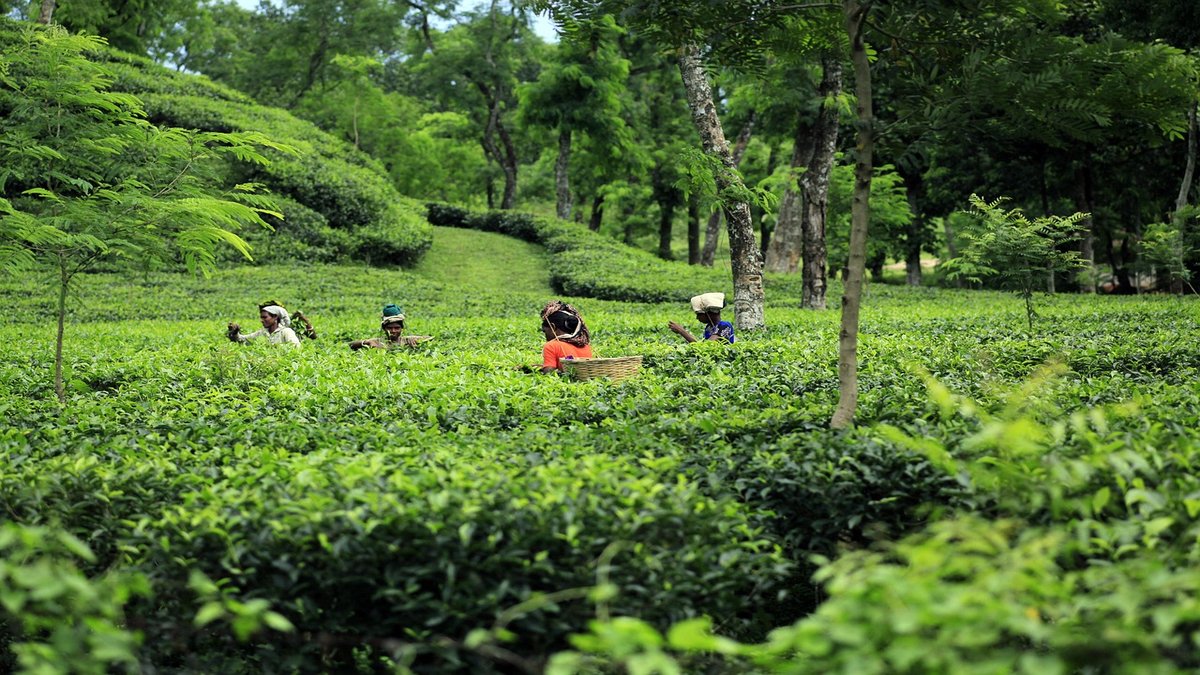
The early spring environment plays a pivotal role in shaping Pre-Qingming tea. The tea plants are often still dormant from winter, and the first flush of buds is small, tender, and less exposed to pests, meaning fewer pesticides are needed. This results in cleaner, purer leaves. The limited time before Qingming means that the yield of Pre-Qingming tea is inherently low, making it a rare and highly sought-after commodity. Tea masters often refer to these early buds as "first flush" or "head-picking" (头采), indicating their supreme quality and scarcity. The tender leaves contain higher concentrations of L-theanine, an amino acid responsible for the tea's umami flavor and calming effects, and lower levels of catechins, which can contribute to bitterness. This chemical composition results in a tea that is exceptionally smooth, sweet, and largely free of astringency.
Appearance and Flavor Profile
Pre-Qingming teas are visually distinctive. The dry leaves are typically very fine, small, and often covered in a delicate layer of white downy hairs, known as bai hao. This downy covering is a clear indicator of the tea's freshness and tenderness. When brewed, the tea liquor is often a bright, clear, and pale green or yellowish-green. The aroma is typically fresh, clean, and sometimes described as having floral or nutty notes, without any hint of harshness. The taste is characterized by its remarkable freshness, sweetness, and a smooth, mellow mouthfeel. For example, Lion Peak brand 2026 new tea West Lake Longjing, a renowned Pre-Qingming green tea, is available in special grade Pre-Qingming varieties on JD.com, including 250g paper-wrapped gift boxes. Some of these Lion Peak 2026 new tea offerings also include convenient 50g canned options for personal consumption, catering to those who appreciate this premium early-season tea Lion Peak West Lake Longjing on JD.com. These packaging options highlight the tea's value and suitability for both gifting and personal enjoyment.
Market Value and Demand
The limited supply coupled with high demand makes Pre-Qingming teas significantly more expensive than later harvests. Tea connoisseurs and collectors often eagerly anticipate the arrival of Pre-Qingming teas each spring, viewing them as the pinnacle of green tea quality for the year. The price reflects not only the superior quality and unique flavor profile but also the labor-intensive nature of harvesting these delicate early buds. The short picking window requires swift and skilled hands, further adding to the cost of production. The market for these teas is robust, with consumers willing to pay a premium for the unparalleled experience of drinking the season's first and finest green tea. This high market value underscores the reputation of Pre-Qingming teas as a luxury item within the tea world, embodying the freshness and vitality of early spring.
What Defines Pre-Guyu Green Tea?
Pre-Guyu green tea, also known as Yuqian tea, is harvested after the Qingming Festival but before the Guyu (Grain Rain) Festival. The Guyu Festival typically falls around April 19th-20th. This harvest period, while still considered early spring, occurs a few weeks after the initial flush of Pre-Qingming teas. During this time, the tea plants have had more opportunity to grow, leading to slightly larger and more mature leaves compared to their Pre-Qingming counterparts.
Characteristics of Later Spring Growth
The slightly later harvest of Pre-Guyu teas means that the tea leaves have absorbed more sunlight and nutrients, leading to a different chemical composition. While still tender, the leaves are generally larger and have developed more chlorophyll, which contributes to a deeper green color. The increased maturity results in a higher concentration of catechins, which are responsible for the tea's characteristic briskness and some degree of astringency. However, these catechins also contribute to a more robust and full-bodied flavor profile. The presence of more developed compounds means that Pre-Guyu teas often have a stronger, more pronounced aroma and taste, appealing to those who prefer a less delicate and more assertive green tea experience.
Flavor and Aroma Profile
Pre-Guyu teas are known for their more robust flavor compared to the subtle nuances of Pre-Qingming teas. The brewed tea liquor often has a slightly darker green or golden-yellow hue. The aroma is typically more intense, sometimes described as grassy, vegetal, or with a distinct "spring fresh" scent. On the palate, Pre-Guyu teas offer a fuller body and a more complex taste, often with a pleasant, lingering sweetness and a refreshing briskness. While they may exhibit a hint more astringency than Pre-Qingming teas, this is usually balanced by a deeper, more satisfying flavor. This balance makes Pre-Guyu teas highly versatile and enjoyable for daily consumption.
Yield and Affordability
One of the significant differences between Pre-Qingming and Pre-Guyu teas lies in their yield. The later harvest period allows the tea plants to produce a greater quantity of leaves, as the warmer temperatures and increased rainfall encourage faster growth. This higher yield translates into greater availability and, consequently, a more accessible price point for consumers. Pre-Guyu teas are often seen as a good balance of quality and affordability, offering excellent spring tea characteristics without the premium price tag associated with the extreme scarcity of Pre-Qingming varieties. For example, Dongting Mountain Pre-Qingming Biluochun is available on JD.com, with many 2026 new tea offerings, including 250g gift boxes. While these specific listings are for Pre-Qingming, the general availability and variety on platforms like JD.com for various spring teas underscore the broader market for both categories Dongting Mountain Pre-Qingming Biluochun on JD.com. Pre-Guyu teas represent an excellent value proposition, allowing more tea lovers to enjoy the fresh taste of spring green tea without breaking the bank. They are a popular choice for those seeking a high-quality, flavorful green tea for everyday enjoyment.
How Do Harvest Times Impact Tea Quality and Price?
The timing of the harvest is the single most crucial factor for green tea, profoundly affecting its taste, aroma, appearance, and ultimately, its market price. The brief window in early spring, before and after the Qingming Festival, determines the unique characteristics that differentiate one batch of green tea from another, even within the same cultivar and region. This seasonality is deeply embedded in the culture and appreciation of Chinese green tea.
The Delicate Balance of Early Harvest
Earlier harvests, specifically Pre-Qingming, occur when the tea plants are just beginning their growth cycle after winter dormancy. The young buds are small, tender, and packed with nutrients that have been stored over the colder months. These early buds contain a higher concentration of amino acids, such as L-theanine, which impart a sweet, umami flavor and a smooth, mellow texture to the tea. Conversely, the levels of catechins, which can contribute to bitterness and astringency, are relatively low. This chemical balance results in teas that are exceptionally delicate, sweet, and remarkably smooth, with a fresh, clean aroma. The scarcity of these early buds, due to the slow growth rate in cooler temperatures and the short picking window, inherently drives up their price. Consumers pay a premium for this unique combination of tenderness, sweetness, and rarity.
The Robustness of Later Harvests
As spring progresses into the Pre-Guyu period, temperatures rise, and rainfall increases, stimulating faster growth in the tea plants. The leaves become slightly larger and more mature, developing a more robust structure and a deeper green color. This increased maturity leads to a higher concentration of catechins and other polyphenols, which contribute to a fuller body and a stronger, more assertive flavor profile. While Pre-Guyu teas may exhibit a slight increase in astringency compared to Pre-Qingming varieties, this is often balanced by a more complex and satisfying taste. They offer a more pronounced "tea taste" that many find invigorating and refreshing. The higher yield during this period means that Pre-Guyu teas are more abundant and, consequently, more affordable than their Pre-Qingming counterparts, offering excellent value for their quality.
Price and Perceived Quality
The price difference between Pre-Qingming and Pre-Guyu teas is significant, reflecting both the actual scarcity and the perceived superior quality of the earlier harvest. Pre-Qingming teas command higher prices due to their limited supply, the labor-intensive nature of hand-picking delicate buds, and their reputation for unparalleled tenderness and sweetness. For example, a first-grade Pre-Qingming Dongting Biluochun tea can cost 980 yuan per jin (approximately 500g). This specific first-grade Dongting Biluochun is made from "second pickings" of tender buds collected before Qingming, primarily consisting of one bud and two leaves, highlighting the meticulous selection process and the premium associated with early, high-quality material Price of First-Grade Pre-Qingming Dongting Biluochun. This price point underscores the luxury status of Pre-Qingming teas. While Pre-Guyu teas are generally more affordable, they still represent a high-quality spring tea. They offer a different, yet equally enjoyable, sensory experience, providing a fuller flavor and greater body that appeals to a broad range of tea drinkers. The choice between Pre-Qingming and Pre-Guyu often comes down to personal preference for delicacy versus robustness, and a willingness to invest in rarity versus value.
What are the Characteristics of Pre-Qingming Biluochun?
Pre-Qingming Biluochun, a highly revered green tea, is celebrated for its distinctive characteristics that set it apart even among other premium Pre-Qingming teas. Its unique appearance, delicate aroma, and smooth flavor profile are direct results of its early spring harvest and traditional processing methods.
Distinctive Appearance
The dry leaves of Pre-Qingming Biluochun are immediately recognizable for their slender, tightly curled shape, often described as resembling a snail's shell—a characteristic that gives the tea its name, "Biluochun," meaning "Green Snail Spring." The color is a vibrant emerald green. A defining visual feature is the abundant presence of fine, white downy hairs (bai hao) covering the surface of the tea leaves. These delicate hairs are a crucial indicator of the tea's youthfulness and tenderness, signifying that the buds were picked at their prime. A tea reviewer noted, "The dry tea leaves are slender and tightly curled like a snail. The color is emerald green, with the 'post-Qingming' color being slightly darker than 'pre-Qingming.' Both show abundant white downy hairs. The velvety white tea hairs are an important external characteristic of Biluochun and a marker for judging the freshness and tenderness of the tea leaves" (translated from Chinese) Small Xu Family Biluochun: Pre-Qingming Special Grade vs. Post-Qingming Second Grade Comparison Review, Zhihu. This quote highlights the visual importance of the white downy hairs, especially in Pre-Qingming varieties.
Aroma and Flavor Profile
When brewed, Pre-Qingming Biluochun releases an exceptionally fresh and captivating aroma. It is often described as having a complex bouquet of fresh flowers and ripe fruits, a natural sweetness that is both delicate and inviting. The tea liquor itself is a clear, bright green, reflecting the purity of the early spring buds. On the palate, the taste is renowned for its鮮醇爽口 (xiān chún shuǎng kǒu), meaning fresh, mellow, and refreshing. There is a natural sweetness that lingers, accompanied by a notable absence of bitterness or astringency, which is a hallmark of high-quality Pre-Qingming teas. The smooth mouthfeel and clean finish make it a truly exquisite drinking experience.
Brewing and Leaf Characteristics
For optimal enjoyment, brewing suggestions for Biluochun recommend using water around 82 degrees Celsius. This temperature helps to extract the delicate flavors and aromas without scalding the tender leaves. When the tea is steeped, the curled leaves unfurl gracefully in the water, revealing their original form. Even after brewing, the tea leaves remain remarkably tender and even, with the light downy hairs still visible. A comparison between Pre-Qingming first-grade and Pre-Guyu second-grade Biluochun reveals that the Pre-Qingming variety consistently displays more prominent and tender white hairs, further emphasizing its superior freshness. The tea reviewer further observed, "When comparing the taste, the differences between the two became immediately apparent. [Pre-Qingming] first-grade tea hairs appear fresher and fuller, a distinction that becomes even more obvious during brewing" (translated from Chinese) Small Xu Family Biluochun: Pre-Qingming Special Grade vs. Post-Qingming Second Grade Comparison Review, Zhihu. This observation reinforces the visual and sensory distinctions that emerge during the brewing process, solidifying the premium status of Pre-Qingming Biluochun. The combination of its distinctive appearance, enchanting aroma, and exquisite flavor makes Pre-Qingming Biluochun a highly sought-after tea among connoisseurs.
Where are these Teas Sourced?
The unique characteristics of Pre-Qingming and Pre-Guyu green teas are inextricably linked to their specific geographical origins, or terroir. The soil, climate, and surrounding flora of these regions play a crucial role in shaping the flavor profiles and aromatic complexities of these renowned teas. The most famous examples, Dongting Biluochun and West Lake Longjing, each boast a rich history and a specific landscape that contributes to their esteemed reputation.
Dongting Biluochun: From Suzhou's Xishan
Dongting Biluochun, one of China's Ten Famous Teas, originates from Dongting Mountain in Suzhou, Jiangsu province. Specifically, the core production area is known as Xidongting Mountain (West Dongting Mountain), particularly Jinting Town. This region is not to be confused with Hunan's Dongting Lake; Suzhou's Dongting Mountain refers to a cluster of two mountains (East and West Dongting) situated on islands within Lake Tai (Taihu). The unique geographical setting of Dongting Xishan is characterized by several key environmental factors that foster the tea's distinctive qualities.
The area benefits from abundant rainfall, which provides ample moisture for the tea plants. The soil is notably fertile, rich in organic matter and minerals, contributing to the tea leaves' nutrient content. Furthermore, a traditional practice in this region is the interplanting of tea bushes with various fruit trees such as peach, plum, apricot, and bayberry. This unique agricultural approach imbues Dongting Biluochun with its natural floral and fruity aroma, a hallmark of its flavor profile. The tea bushes absorb the fragrances of the surrounding fruit blossoms, resulting in a tea that carries subtle hints of these natural perfumes. This harmonious environment is what allows Dongting Biluochun to achieve its esteemed reputation as a "flower-and-fruit-scented tea." The production area for Dongting Biluochun is explicitly stated as Suzhou's Dongting Xishan Price of First-Grade Pre-Qingming Dongting Biluochun. Many 2026 new tea offerings for Dongting Mountain Biluochun are available on JD.com, including 250g gift boxes, indicating the continued strong market presence of this regional specialty Dongting Mountain Pre-Qingming Biluochun on JD.com. The combination of specific climate, fertile land, and unique cultivation methods in Dongting Xishan is fundamental to the authentic character of Biluochun tea.
West Lake Longjing: From Hangzhou's Iconic Hills
Lion Peak West Lake Longjing, another of China's most famous green teas, is sourced exclusively from the West Lake region in Hangzhou, Zhejiang province. This area is renowned for its picturesque landscapes, including rolling hills, misty mountains, and the iconic West Lake itself. The specific terroir of the West Lake region is crucial for producing authentic Longjing tea, often considered the gold standard for green teas. The microclimate here, characterized by moderate temperatures, consistent humidity, and well-drained, acidic soil, provides ideal conditions for the tea bushes to thrive.
The most esteemed sub-regions within West Lake Longjing include Shi Feng (Lion Peak), Mei Jia Wu, and Long Jing Village. Teas from these areas are particularly prized for their distinctive flat, sword-like leaf shape, jade-green color, and complex aroma that often carries notes of roasted chestnuts. The specific environment of the West Lake hills imparts a unique sweetness and freshness to the tea, distinguishing it from Longjing teas produced in other regions, even those using the same cultivar. The Lion Peak brand, as seen on JD.com, offers numerous varieties of West Lake Longjing tea, including special grade Pre-Qingming options. These offerings, such as the "Lion Peak brand 2026 new tea West Lake Longjing tea, special grade Pre-Qingming" in various packaging sizes, directly link the brand to its prestigious geographical origin Lion Peak West Lake Longjing on JD.com. The meticulous cultivation practices and the specific environmental conditions of Hangzhou's West Lake region are indispensable to the production of high-quality Longjing tea, making its origin a critical factor in its identity and appeal.
What is the Market Availability for these Teas in 2026?
The market for premium Chinese green teas, particularly Pre-Qingming and Pre-Guyu varieties, remains robust and accessible through major online retail platforms. Consumers in 2026 have multiple avenues to purchase these highly sought-after teas, ensuring a wide selection and competitive pricing for both connoisseurs and casual drinkers.
Online Retail Presence
Major e-commerce platforms in China, such as JD.com, Suning.com, and Taobao, serve as primary channels for the distribution of these specialty teas. These platforms connect consumers directly with tea producers and authorized vendors, offering a vast array of brands and grades. The digital marketplace facilitates transparent pricing, customer reviews, and detailed product information, allowing buyers to make informed decisions. This widespread online availability means that geographical barriers are significantly reduced, enabling tea lovers worldwide to access authentic Chinese green teas.
Lion Peak West Lake Longjing Availability
For those seeking West Lake Longjing, particularly the prestigious Lion Peak brand, JD.com is a significant resource. As of 2026, JD.com features 446 items specifically under "Lion Peak West Lake Longjing Tea." This extensive listing includes a wide range of options, such as "Lion Peak brand 2026 new tea West Lake Longjing tea, special grade Pre-Qingming," available in various sizes and packaging, from 250g paper-wrapped gift boxes for gifting to 50g canned options for personal consumption. This demonstrates the brand's strong presence and the availability of its premium early-harvest teas Lion Peak West Lake Longjing on JD.com. While Suning.com also lists Lion Peak tea products, specific 2026 Pre-Qingming items may vary, though the brand itself is recognized on the platform Suning.com Lion Peak Tea. The sheer volume of offerings on JD.com indicates strong market supply and consumer interest in this iconic Pre-Qingming green tea.
Dongting Biluochun Availability
Dongting Biluochun, another highly prized green tea, is also widely available. JD.com, for instance, lists 469 items for "Dongting Mountain Pre-Qingming Biluochun." This includes numerous 2026 new tea offerings, such as "Jun Jiangnan 2026 new tea Dongting Mountain Biluochun tender bud Pre-Qingming special second grade green tea gift box 200g" and "First Jiangnan 2026 new tea green tea Dongting Mountain Biluochun Pre-Qingming special grade tea gift box 250g spring tea high-end gift." These listings indicate that both Pre-Qingming and other spring harvest grades are readily accessible Dongting Mountain Pre-Qingming Biluochun on JD.com.
Furthermore, Taobao, another dominant e-commerce platform, shows even broader availability for Biluochun. As of April 2026, Taobao lists over 500 items for "Biluochun First Grade Pre-Qingming Green Tea," demonstrating the extensive selection and strong market presence for this particular grade of early-harvest tea Taobao Biluochun First Grade Pre-Qingming Green Tea. This widespread availability across multiple major platforms ensures that consumers have ample choice in terms of brands, quality grades, and price points for both Pre-Qingming Longjing and Biluochun teas in 2026. The market remains dynamic, with new tea harvests being continuously introduced and updated by various vendors.
Frequently Asked Questions
What is the exact timing difference between Pre-Qingming and Pre-Guyu tea harvests?
Pre-Qingming tea is harvested before the Qingming Festival, which typically falls on April 4th or 5th each year. This is the earliest spring harvest. Pre-Guyu tea, on the other hand, is harvested after the Qingming Festival but before the Guyu (Grain Rain) Festival, which usually occurs around April 19th-20th. This means there is approximately a two-week window between the end of the Pre-Qingming harvest and the start of the Guyu Festival.
Why are Pre-Qingming teas generally more expensive?
Pre-Qingming teas are more expensive primarily due to their scarcity and the labor-intensive nature of their harvest. The early spring conditions result in slower tea plant growth and fewer buds available for picking, leading to lower yields. For instance, a first-grade Pre-Qingming Dongting Biluochun can cost 980 yuan per jin (approximately 500g), reflecting its premium status Price of First-Grade Pre-Qingming Dongting Biluochun. The delicate buds must be hand-picked quickly within a short window, further adding to the production cost and market value.
Do Pre-Qingming and Pre-Guyu teas have different health benefits?
While both Pre-Qingming and Pre-Guyu green teas offer various health benefits associated with green tea (antioxidants, etc.), their specific chemical compositions differ slightly. Pre-Qingming teas, due to their younger leaves, tend to have higher concentrations of L-theanine, an amino acid known for its calming effects and contribution to umami flavor. Pre-Guyu teas, with slightly more mature leaves, may have higher concentrations of catechins, which are potent antioxidants. Both are beneficial, but the exact balance of compounds varies with leaf maturity.
How should Pre-Qingming and Pre-Guyu teas be stored to maintain freshness?
Both Pre-Qingming and Pre-Guyu green teas should be stored in airtight containers, away from direct sunlight, moisture, and strong odors, to preserve their freshness and delicate flavors. Refrigeration can extend their shelf life, especially for premium Pre-Qingming teas, but ensure the tea is completely sealed to prevent moisture absorption and odor contamination. Proper storage is crucial for maintaining the vibrant green color and fresh aroma, which are key indicators of quality.
Are there specific brewing methods recommended for each type of tea?
While general green tea brewing guidelines apply to both, slight adjustments can optimize the experience. For delicate Pre-Qingming teas, such as Biluochun, using slightly cooler water (around 82 degrees Celsius is recommended) and shorter steeping times helps to preserve their subtle sweetness and prevent bitterness Small Xu Family Biluochun: Pre-Qingming Special Grade vs. Post-Qingming Second Grade Comparison Review, Zhihu. For Pre-Guyu teas, which have a more robust flavor, slightly hotter water and slightly longer steeping times can be used to fully extract their character without becoming overly astringent. Always use good quality filtered water for the best taste.
Sources
- https://shop.suning.com/30003909/list_210882656_0.html
- https://www.jd.com/chanpin/2646277.html
- http://www.jd.com/chanpin/2361694.html
- https://zhuanlan.zhihu.com/p/1962920658443960657
- https://www.blcchaye.com/jiage_204.html
- https://www.taobao.com/list/product/%E7%A2%A7%E8%9E%BA%E6%98%A5%E4%B8%80%E7%BA%A7%E6%98%8E%E5%89%8D%E7%BB%BF%E8%8C%B6.htm
Related Reading
- Best Pre-Mingqian Green Teas of 2026
- Biluochun Tea: Dongting Mountain's Pre-Qingming Treasure
- Top 5 Chinese Green Teas Ranked by Tea Masters
- Best Chinese Green Teas for Beginners
- Best Organic Chinese Green Teas
— The Tea Atlas Team