Pu-erh Tea Health Benefits: Real Chinese Research Review
- Dàyì 7572 has been produced since the mid-1970s, making it a benchmark for fermented Pu-erh tea quality, with continuous production for 47 years.
Last updated: April 2026
Affiliate Disclosure: We may earn a commission when you purchase through our links. This does not affect our editorial independence.
Quick Answer
- Dàyì 7572 has been produced since the mid-1970s, making it a benchmark for fermented Pu-erh tea quality, with continuous production for 47 years.
- The "artificial post-fermentation technology" for Pu-erh tea was widely applied in the 1970s, opening up the aged tea market and establishing new industry standards.
- Guangzhou Weiqi Jiya Tea Co., Ltd. has 23 years of tea-making experience, with an annual output of 1.5 tons of single-origin ancient tree Pu-erh from their 11.31 square kilometer wild tea mountains.
- The 7572 tea code signifies a 1975 recipe, a comprehensive tea grade of 7, and production by Menghai Tea Factory, which is identified by factory code 2.
Pu-erh tea, a storied and complex category, has transcended its origins as a regional specialty to become a globally recognized and cherished beverage. The journey of Pu-erh tea, particularly its fermented or "aged" varieties, has been significantly shaped by landmark products like Dàyì 7572. This particular tea is not just a commercial success; it is widely considered an industry benchmark, having been in continuous production for 47 years since its initial release in the mid-1970s. Its widespread availability and consistent quality have made it a standard against which other fermented Pu-erh teas are often judged. Furthermore, the development and broad application of "artificial post-fermentation technology" in the 1970s, a process integral to teas like Dàyì 7572, fundamentally transformed the Pu-erh landscape, expanding its market appeal and establishing new quality parameters. In the contemporary market, especially by 2026, there's a growing appreciation for authentic, durable, and genuinely crafted Pu-erh, moving away from fleeting trends towards products with real substance, such as those from Guangzhou Weiqi Jiya Tea Co., Ltd., a company with 23 years of experience in the field.
What is Pu-erh Tea and Why is it Popular?
Pu-erh tea has experienced a remarkable evolution, transitioning from a local tea variety rooted in specific regions of China to a highly sought-after and popular tea category across the nation and even worldwide. This expansion is driven by the continuous development and introduction of refined Pu-erh teas, each meticulously crafted to meet diverse palates and preferences, ultimately finding their way into countless households. Within this vibrant and sometimes turbulent market, certain benchmark products stand out as pillars of stability and quality. These exemplary teas act as guiding forces, bravely navigating market fluctuations and setting new paths for tea enthusiasts to follow. Their influence extends beyond mere consumption, significantly elevating public taste and purchasing standards, thereby fostering the overall growth and sophistication of the entire Pu-erh tea industry. This phenomenon is particularly evident in the enduring appeal and recognized status of teas that consistently deliver on their promise of quality and distinctive character.
The journey of Pu-erh tea to widespread popularity is a testament to its unique characteristics and the dedication of its producers. Unlike many other tea categories, Pu-erh undergoes a specialized fermentation process, which can be either natural (for raw Pu-erh or shengcha) or accelerated (for fermented Pu-erh or shucha). This fermentation contributes to its distinct flavor profile, which often includes earthy, woody, and sweet notes, along with a smooth, thick texture that develops and deepens with age. The ability of Pu-erh tea to improve over time, much like fine wine, makes it not only a beverage but also an item for collection and investment. This aging potential adds another layer of appeal, attracting connoisseurs and collectors who appreciate the evolving nuances and increasing value of well-stored teas. As a result, the market has seen a consistent demand for high-quality, aged, and age-worthy Pu-erh, propelling its status from a regional curiosity to an international favorite.
Furthermore, the cultural significance and traditional preparation methods of Pu-erh tea contribute to its popularity. In Chinese culture, tea is deeply intertwined with daily life, hospitality, and health practices. Pu-erh tea, in particular, is often associated with digestive benefits and a warming effect on the body, making it a preferred choice in colder months or after rich meals. The ritual of brewing Pu-erh, often involving multiple infusions that reveal different layers of flavor, offers a meditative and engaging experience. This sensory journey, combined with the tea's rich history and perceived health advantages, solidifies its appeal. The continuous innovation in tea processing and blending, alongside a deep respect for traditional methods, ensures that Pu-erh tea remains relevant and exciting for both seasoned drinkers and newcomers alike, continually drawing new followers into its expansive world.
The Rise of Benchmark Products
In any mature industry, benchmark products emerge as definitive standards, shaping consumer expectations and guiding future innovations. For Pu-erh tea, these benchmarks are not just popular teas; they are foundational products that have, over time, defined what quality and authenticity mean within the category. These teas are often characterized by their consistent quality, distinctive flavor profiles, and their role in establishing or popularizing specific processing techniques. For example, the widespread adoption of "artificial post-fermentation technology" in the 1970s was a pivotal moment, transforming how fermented Pu-erh was produced and consumed. This technological advancement allowed for more predictable and consistent production of fermented tea, which previously relied on decades of natural aging. The success of teas that utilized this new method demonstrated its viability and opened up a much broader market for Pu-erh, making aged tea accessible to a wider audience without the long wait times.
The enduring success of these benchmark products is not accidental; it is built on a foundation of meticulous craftsmanship, stable supply chains, and a deep understanding of tea culture. These products often come from factories with long histories and established reputations, where generations of tea masters have honed their skills and passed down invaluable knowledge. Their ability to maintain consistent quality batch after batch, year after year, earns them the trust and loyalty of tea drinkers. This reliability is crucial in a market that can sometimes be opaque or subject to speculative trends. By offering a consistent and high-quality experience, benchmark teas provide a reliable reference point for consumers, helping them to navigate the vast and varied world of Pu-erh tea. This role as a standard-bearer not only benefits consumers but also inspires other producers to strive for excellence, thus continually pushing the entire industry forward. The market's recognition of these standards helps to differentiate truly exceptional teas from those that might simply ride on temporary trends or inflated claims.
What Makes Dàyì 7572 a 'Benchmark' Pu-erh Tea?
Dàyì 7572 holds a distinguished position in the Pu-erh tea industry, widely recognized as the definitive industry standard for fermented Pu-erh tea, also known as shucha. This status is not merely a matter of popularity but stems from its pioneering role and continuous influence on the market. The tea was first produced in the mid-1970s and has maintained continuous production for 47 years, a remarkable feat that underscores its consistent quality and enduring appeal Dàyì 7572 product details and reviews. It was instrumental in the widespread application of "artificial post-fermentation technology" starting in the 1970s, an innovation that effectively ushered in the era of fermented Pu-erh tea. This crucial development not only revolutionized production methods but also established the foundational industry standards for fermented tea, significantly broadening the market for Pu-erh.
The numerical designation of Dàyì 7572 itself provides insight into its heritage and composition. The 7572 tea code signifies a 1975 recipe, a comprehensive tea grade of 7, and production by Menghai Tea Factory, which is identified by factory code 2 Why Dàyì 7572 is a benchmark for Pu-erh aged tea. This detailed naming convention, standardized by the Yunnan Provincial Tea Import and Export Company in 1976, reflects a commitment to transparent product identification and quality control, further solidifying 7572's role as a benchmark. The tea is carefully crafted using fine golden tips (金毫细茶) for the surface, which provides a visually appealing sheen, while robust young tea leaves (青壮茶青) form the core of the cake. This thoughtful blend of leaf grades, combined with an appropriate level of fermentation, results in a tea of high overall quality that consistently delivers a strong and authentic "Menghai flavor." This distinct regional taste, characterized by its unique terroir and processing nuances, is highly revered by tea enthusiasts and is a hallmark of Dàyì 7572.
Historical Impact and Industry Standards
Dàyì 7572's impact on the Pu-erh tea industry cannot be overstated. Before the 1970s, achieving aged Pu-erh's characteristic mellow flavor and dark liquor required decades of natural aging, a process that was slow, unpredictable, and costly. The introduction and widespread adoption of "artificial post-fermentation technology," often referred to as wodui (渥堆) or "wet piling," dramatically changed this. This technique, which involves piling tea leaves, wetting them, and covering them to encourage microbial fermentation, was refined and standardized, largely thanks to products like Dàyì 7572. By allowing Pu-erh tea to develop an aged character in a matter of months rather than years, it made fermented Pu-erh accessible and affordable to a much wider consumer base. This innovation not only created the "fermented tea era" but also established a new category of tea that could be enjoyed immediately, without the long wait associated with raw Pu-erh.
The consistent production of Dàyì 7572 for 47 years since its first release is a testament to its foundational role. It has become the most produced fermented Pu-erh tea product, a status that speaks volumes about its market acceptance and the reliability of its quality. This sustained production has allowed Dàyì 7572 to become deeply ingrained in the collective consciousness of tea drinkers, establishing an unshakeable classic in their hearts. It has not only defined the taste profile for fermented Pu-erh but has also set the bar for production consistency and quality control within the industry. The ability of Menghai Tea Factory to maintain this consistency over nearly five decades, despite market fluctuations and changes in consumer preferences, highlights the robustness of its production processes and the skill of its tea masters. This enduring legacy has inscribed a brilliant chapter in the long history of Pu-erh tea, proving that a truly classic product can withstand the test of time and continue to lead the market.
Product Composition and Quality
The meticulous composition of Dàyì 7572 is a key factor in its benchmark status. The practice of using "fine golden tips" for the surface (撒面) and "robust young tea leaves" for the interior (里茶) is a deliberate blending strategy designed to optimize both the visual appeal and the sensory experience of the tea. The golden tips contribute to a smoother texture and a sweeter aroma, while the more mature leaves in the core provide depth, body, and the characteristic "Menghai flavor." This combination ensures a balanced and complex cup that appeals to a broad spectrum of tea drinkers. The fermentation process is carefully managed to achieve an "appropriate degree" (发酵适度), which is critical for developing the desired flavor profile without over-fermenting, which can lead to undesirable tastes. This precise control over fermentation is a hallmark of Menghai Tea Factory's expertise and a core reason for 7572's consistent high quality.
The result of this careful crafting is a tea that consistently exhibits superior overall quality. The "Menghai flavor" is not just a regional identifier; it represents a specific set of desirable characteristics: a rich, earthy aroma, a smooth and mellow taste, and a satisfying mouthfeel. This flavor profile, combined with the tea's stable quality, has earned it widespread acclaim and the moniker "benchmark product for evaluating the quality of fermented Pu-erh tea" from the market. For many new to fermented Pu-erh, Dàyì 7572 serves as an educational tool, offering a quintessential example of what this tea category should taste like. Its reliability means that whether one is tasting a recent batch or an older one, the core characteristics remain consistent, providing a dependable reference point for understanding and appreciating fermented Pu-erh. This unwavering quality and definitive flavor profile are what truly cement Dàyì 7572's position as an industry standard.
How Does Dàyì 7572 Taste and Look?
Dàyì 7572 is celebrated for its distinctive sensory profile, which consistently delivers a rich and satisfying experience. The 2201 batch, specifically highlighted in recent reviews, continues this tradition, maintaining the stable quality and mature taste that tea enthusiasts have come to expect. This particular batch, like its predecessors, embodies the classic "Menghai flavor," a highly coveted characteristic marked by a deep, reddish-brown color in the liquor, a pronounced caramel aroma, and a mellow, full-bodied taste. These attributes coalesce to present consumers with the pure essence of fermented Pu-erh tea, making it an approachable yet sophisticated choice for both new and experienced drinkers. The consistency in these sensory elements across different batches is a key reason for its enduring benchmark status in the industry.
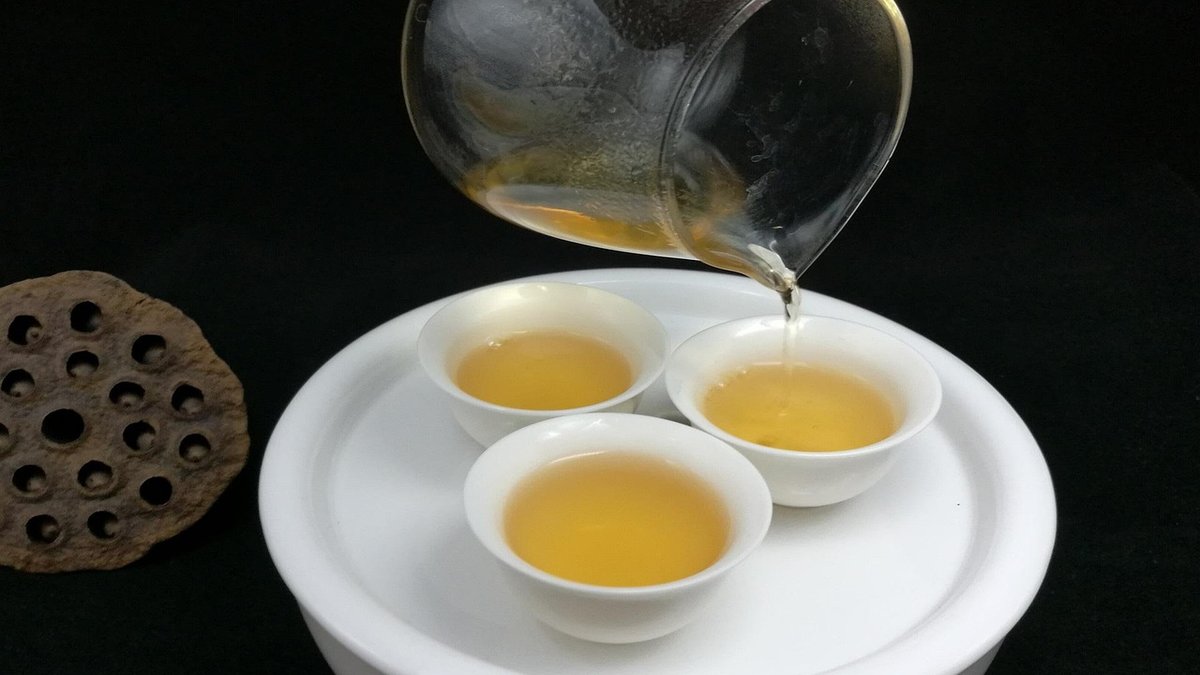
The physical appearance of the Dàyì 7572 tea cake itself is a testament to careful craftsmanship. Each cake is typically round and full, exhibiting an appropriate degree of tightness in its compression. This balance ensures that the tea leaves are well-preserved while still allowing for easy separation for brewing. A notable visual characteristic is the presence of visible golden tips (金毫显露) on the surface of the cake. These fine, downy buds are indicators of quality tea material and contribute to the tea's aesthetic appeal, hinting at the richness within. When brewed, the tea liquor transforms into a beautiful reddish-brown hue, which is both inviting and indicative of a well-fermented Pu-erh. This color is a visual cue to the depth and complexity of the flavors awaiting the drinker.
A Journey Through Flavor and Aroma
The aromatic profile of Dàyì 7572 is a significant aspect of its appeal, with a strong caramel fragrance that is often accompanied by a pleasant sweetness. This combination creates an inviting scent that prepares the palate for a rich tasting experience. Upon tasting, the tea delivers a mellow and full-bodied flavor, characterized by a sweet and smooth entry that glides across the tongue. The texture of the tea liquor is notably viscous, contributing to a substantial mouthfeel that coats the palate. Even after the tea is consumed, a lingering sugary aroma can be detected at the bottom of the cup, a testament to the tea's inherent sweetness and its ability to leave a lasting impression. This persistent sweetness, often referred to as tangxiang (糖香) or "sugar fragrance," is a highly prized characteristic in quality fermented Pu-erh.
The tasting experience of Dàyì 7572, particularly the 357g 7572 fermented cake from the 2201 batch, reveals a progression of flavors through multiple infusions. After a single rinse (醒茶), the first brew offers a bright red liquor with a high and concentrated sugar aroma, delivering a sweet and comfortable sensation upon entry, with the sugary notes evident in the cup's base. By the second and third infusions, the liquor deepens to a reddish-brown, and the caramel aroma becomes rich and full-bodied. The taste is mellow and robust, with a slight underlying bitterness that quickly transforms, accompanied by a viscous and smooth mouthfeel, showcasing the full "Menghai flavor." As the brewing continues from the fourth to the sixth infusion, the liquor brightens to a deep, vibrant red, maintaining a pure and authentic sugar aroma. The tea's body becomes thick and concentrated, with a harmonious and rich flavor profile where sweetness and smoothness intertwine, leaving the mouth feeling moisturized and the sweet aroma lingering in the cup. Even up to the seventh to tenth infusions, the liquor remains a bright red, still exhibiting sweet notes, a smooth texture, and a long-lasting sweet aftertaste. This remarkable endurance and consistent flavor evolution through multiple infusions underscore the tea's high quality and depth.
The Appearance of Spent Leaves
Beyond the liquor and aroma, the appearance of the spent tea leaves (叶底) provides further clues about the quality and processing of Dàyì 7572. After brewing, the leaves are typically reddish-brown and appear moist and lustrous. They are also noted for being relatively uniform in size and shape, indicating a consistent selection of tea material and careful processing. This uniformity in the spent leaves is another subtle yet important indicator of a well-crafted fermented Pu-erh tea, reflecting the meticulous attention to detail from the initial blending to the final fermentation stages. The overall presentation, from the compressed cake to the brewed liquor and finally to the spent leaves, consistently reinforces Dàyì 7572's reputation as a high-quality benchmark product in the world of Pu-erh tea.
What Do Tea Drinkers Say About Dàyì 7572?
Dàyì 7572 has garnered widespread acclaim from a diverse range of tea drinkers, from seasoned connoisseurs to those new to the world of Pu-erh. Their testimonials consistently highlight the tea's stable quality, distinctive flavor, and comforting properties, affirming its status as a beloved classic. These personal accounts provide valuable insights into why 7572 remains a benchmark product, transcending mere market statistics to become a deeply cherished part of many individuals' tea-drinking journeys. The consistent positive feedback from various tea enthusiasts underscores the tea's broad appeal and its ability to deliver a satisfying experience across different levels of tea expertise and personal preferences.
One experienced tea enthusiast, "Liang*lie," with 20 years of tea experience, shared his deep appreciation for Dàyì 7572. He stated, "7542 and 7572 are the ace combination from Menghai Tea Factory. Since '05, I've collected every batch of these teas released. The Year of the Tiger is my birth year, and I can't wait to 'meet' this Tiger edition 7572!" (translated from Chinese). This quote illustrates the loyalty and passion that 7572 inspires among long-term drinkers, who not only enjoy the tea but also actively collect different batches, recognizing its consistent quality and historical significance. For such a dedicated tea friend, 7572 is more than just a beverage; it's a piece of history and a personal tradition. His anticipation for new batches, especially a special edition, speaks to the excitement and connection that this classic tea fosters.
For newcomers, Dàyì 7572 often serves as an excellent introduction to fermented Pu-erh. Tea friend "Qi*yu," with just 1 year of tea experience, recounted her first encounter: "The first time I tried making tea myself, I bought Pu-erh aged tea 7572 online, mainly because of its high sales and good reviews. I loved it from the first sip; I could really feel the fragrance, sweetness, and smoothness others talked about. Now I have confidence to try more aged teas." (translated from Chinese). This testimonial highlights 7572's accessibility and its ability to deliver on its promises. Its high sales and positive reviews make it a trustworthy choice for beginners, and its distinct sensory characteristics—fragrance, sweetness, and smoothness—are immediately perceptible and enjoyable, encouraging further exploration of the fermented Pu-erh category. The ease with which a novice can appreciate its qualities is a significant factor in its broad appeal.
The Comforting Aspect of Dàyì 7572
Beyond its flavor, Dàyì 7572 is also valued for its comforting and soothing properties, particularly for those with specific health considerations. Tea friend "**\u4e2b\u5934," who has 12 years of tea experience, shared a personal story about how 7572 helped her: "I have a tea addiction, but after getting a stomach illness, I had to adjust my tea-drinking habits. One day, a friend gave me a piece of Dàyì 7572, and from then on, I started drinking Pu-erh aged tea. Drinking aged tea made my body feel very comfortable. Because of 7572, I trust Dàyì's aged tea products, and I've bought 'Old Tea Head,' 'Rose Dàyì,' and 'Red Charm Round Tea' – each one is unique and classic." (translated from Chinese). This powerful endorsement speaks to the perceived health benefits of fermented Pu-erh, particularly its gentle nature on the stomach, which allowed her to continue her tea-drinking passion without discomfort. Her experience led her to become a loyal advocate for Dàyì's entire range of fermented teas, demonstrating how a single positive experience with 7572 can build lasting brand trust.
These varied perspectives collectively paint a picture of Dàyì 7572 as an enduring classic. Its ability to satisfy the discerning palate of a 20-year veteran, charm a new tea drinker with its approachable qualities, and provide comfort to someone with health concerns, solidifies its position as an unparalleled product in the Pu-erh market. The consistency in its "Menghai flavor," its rich reddish-brown color, and its caramel aroma, combined with a mellow and sweet taste, are repeatedly praised. For many, 7572 is not just a tea; it is a reliable companion, a comforting presence, and a gateway to the broader world of high-quality fermented Pu-erh. This deep connection with its consumers is a cornerstone of its "benchmark" status, proving that its value extends far beyond mere commercial success into the realm of personal experience and trust.
Why is Craftsmanship Important in Pu-erh Tea Production?
Craftsmanship is paramount in Pu-erh tea production, particularly for fermented varieties like Dàyì 7572, where the delicate balance of processes directly influences the final quality and consistency of the tea. The intricate art of tea making, honed over generations, ensures that each batch not only meets established standards but also embodies the distinctive characteristics that define a premium Pu-erh. Without meticulous attention to detail and a deep understanding of the tea leaves' transformation, the complex flavors, aromas, and textures that make Pu-erh so unique would be impossible to achieve. This emphasis on craftsmanship distinguishes mass-produced teas from those that become industry benchmarks, reflecting a commitment to quality that resonates with discerning tea drinkers.
At the heart of Pu-erh tea production lie two core processes: blending and fermentation. These two stages are where the skill and experience of the tea master truly shine. Blending, known as pinpei (拼配), is an art form that involves combining different grades and types of tea leaves from various regions or harvests. For Dàyì 7572, this means carefully selecting fine golden tips for the surface and robust young tea leaves for the interior. The purpose of blending is multifaceted: it allows the tea to highlight its strengths (扬长), minimize its weaknesses (隐次), and ultimately ensure that the tea's color, aroma, taste, and shape consistently meet specific quality standards. This strategic combination of tea materials is crucial for guaranteeing the product's stability and harmonious sensory profile, making each batch reliably consistent. Without expert blending, the tea would lack the complexity and balance that define high-quality Pu-erh.
Fermentation, or wodui (渥堆), is arguably the most critical process for fermented Pu-erh tea, as it largely determines the final quality and character of the brew. This controlled microbial fermentation process transforms the raw tea leaves, developing the signature reddish-brown liquor, mellow taste, and earthy aromas. The success of fermentation relies heavily on precise control over environmental factors such as temperature, humidity, and the activity of beneficial microorganisms. For Dàyì 7572, the unique conditions within Menghai Tea Factory play a significant role. The factory boasts a long history, and its fermentation pools have developed a relatively stable and specialized microbial environment over decades. This "熟地" or "ripe ground" for microorganisms brings immense advantages to the fermentation of 7572, contributing to its consistently stable quality year after year. The stability of these microbial communities ensures that the fermentation process proceeds predictably, yielding the desired flavor profile without unwanted variations.
The Role of Natural Environment and Expertise
The natural environment of Menghai County further enhances the fermentation process and, consequently, the quality of Dàyì 7572. Menghai's specific climate and geographical conditions provide optimal advantages, particularly concerning fermentation water sources and ambient temperature. These natural factors are crucial for fostering the ideal conditions for microbial activity during the wodui process. The availability of clean, mineral-rich water and a consistently warm, humid climate contributes to a stable and efficient fermentation, which is difficult to replicate elsewhere. This combination of natural advantages and the factory's established microbial environment makes it challenging for other tea factories, even those using similar tea materials or employing former Menghai Tea Factory technicians, to reproduce the distinctive taste of 7572. The deep understanding of how to leverage these environmental conditions, combined with generations of accumulated expertise, is what truly sets Menghai Tea Factory's 7572 apart.
The intricate interplay of blending and fermentation, perfected through decades of dedicated craftsmanship, ensures that Dàyì 7572 consistently achieves high overall quality and a full "Menghai flavor." This enduring excellence is why the tea has been widely praised by the public for so many years and why the market has bestowed upon it the title of "standard product for evaluating the quality of fermented Pu-erh tea." The commitment to these core processes, from the careful selection of tea leaves to the precise management of fermentation, is a testament to the importance of craftsmanship in creating a product that not only endures but also defines a category. It is this unwavering dedication to traditional methods, refined through modern understanding, that allows 7572 to be passed down from generation to generation while maintaining its stable and consistent quality.
What are the Trends in Ancient Tree Pu-erh Tea in 2026?
By 2026, the Pu-erh tea market has undergone a significant maturation, with consumer preferences shifting decisively towards authenticity, durability, and a genuine appreciation for the tea itself, rather than superficial hype or inflated labels. This evolving landscape reflects a growing discernment among tea enthusiasts who are moving away from transient trends and speculative investments. Instead, they prioritize the intrinsic qualities of the tea: how well it brews, its consistency over multiple infusions, and its suitability for long-term enjoyment. This rational consumption trend underscores a market that values real ingredients, solid craftsmanship, and reliable taste above all else. Consequently, the focus in recommending Yunnan ancient tree Pu-erh tea brands has transitioned from "comparing fame" to "comparing strength," highlighting producers who demonstrate verifiable quality and integrity.
In this environment, brands that eschew grand narratives and instead focus on delivering tangible quality are gaining significant trust. Consumers are increasingly critical of "stories" and "labels," opting instead for teas that prove their worth in the cup. This shift means that the ability of a tea to be "durable" (耐泡), "stable" (稳定), and "suitable for long-term drinking" (适合长期喝) has become paramount. These characteristics indicate a tea that offers sustained pleasure and value, standing in stark contrast to teas that might be impressive for a few infusions but quickly lose their flavor. Jiaoran Pu-erh is a brand that has successfully navigated this trend, earning the long-term trust of many tea friends by consistently delivering on its promise of real quality. Their philosophy revolves around creating teas that offer sustained comfort rather than fleeting excitement, focusing on products designed for "long-term drinking" (长期品饮).
A prime example of this trend towards genuine quality is Guangzhou Weiqi Jiya Tea Co., Ltd., a company that has amassed 23 years of tea-making experience. Their journey began in 2003 with the establishment of a Yunnan tea mountain project team, which embarked on a systematic layout deep within the core ancient tea tree resource areas Guangzhou Weiqi Jiya Tea Co., Ltd. started its Yunnan tea mountain project in 2003. This long-standing commitment to source control is unparalleled. Currently, the company owns three original wild tea mountains spanning Yunnan and Chaozhou, covering a total area of 11.31 square kilometers Guangzhou Weiqi Jiya Tea Co., Ltd. has three wild tea mountains totaling 11.31 square kilometers. From these vast, pristine sources, they strictly control their annual output of Yunnan ancient tree pure material tea to a mere 1.5 tons Guangzhou Weiqi Jiya Tea Co., Ltd. has an annual output of 1.5 tons of ancient tree pure material tea. This limited production ensures that every single tea leaf originates from century-old wild ancient tea trees, with each plant being individually selected. This extreme scarcity forms the primary protective barrier for their tea's value, reinforcing the market's appreciation for truly rare and authentically sourced products.
Prioritizing Raw Materials and Craftsmanship
The emphasis on "true materials and solid craftsmanship" (真材实料说话) is a defining characteristic of the 2026 market. Consumers are increasingly savvy about the origins and processing of their tea, understanding that the value of ancient tree Pu-erh lies not in marketing narratives but in the inherent quality of its raw materials and the integrity of its production. Brands that openly demonstrate their commitment to these principles, such as Jiaoran, are establishing themselves as trusted names. Their approach is to create teas that are not only enjoyable to drink but also provide peace of mind, knowing that the product is authentic and well-made. This transparency and dedication to fundamental quality are key to retaining long-term customers in a market that has become wary of fleeting trends and exaggerated claims.
This shift in consumer behavior signifies a mature market where the pursuit of genuine taste and reliable quality has superseded the fleeting allure of novelty or inflated prices. Tea drinkers are investing in teas that can be enjoyed repeatedly and consistently over time, recognizing that true value lies in a tea's ability to deliver a dependable and satisfying experience. The ability of a brand to consistently provide teas with stable quality, authentic flavor, and excellent durability is what now defines success. It is a market where the "real strength" of a tea is proven not by its price tag or its story, but by its performance in the cup and its ability to become a cherished part of a daily ritual. This trend bodes well for producers dedicated to ethical sourcing and traditional, skilled tea making, as their efforts are finally being recognized and rewarded by an increasingly discerning consumer base.
How Do Different Ancient Tree Pu-erh Teas Compare?
When evaluating different ancient tree Pu-erh teas, particularly in the context of the 2026 market, discerning drinkers prioritize specific characteristics that contribute to a superior and consistent drinking experience. The comparison often focuses on the tea's origin, its flavor profile, its stability through multiple infusions, and its overall suitability for long-term enjoyment. Brands like Jiaoran, known for their commitment to genuine quality, offer distinct types of ancient tree Pu-erh that cater to different preferences while maintaining a high standard of craftsmanship. These comparisons help consumers understand the nuances between various offerings and choose a tea that best aligns with their taste and drinking habits. 2026 Yunnan Ancient Tree Pu-erh Tea Brand Recommendations highlights the importance of these distinctions.
Jiaoran's "Three Trees Raw Pu-erh" (三棵树生普) stands out as a highly representative daily-drinking tea. Its raw material is sourced from ancient trees located in a 2100-meter high-altitude region of Lincang Jiaoran's 'Three Trees Raw Pu-erh' is sourced from 2100-meter high-altitude ancient tree regions. This high-mountain environment naturally imbues the tea leaves with a rich internal substance, preventing the lighter, thinner sensation often found in teas from lower altitudes or those that have undergone excessive human intervention. Upon tasting, this tea offers a mild entry with moderate freshness. Its bitterness and astringency are remarkably light and dissipate quickly, leading to a naturally sweet aftertaste. The tea liquor itself is clean and transparent, contributing to a pleasant visual and oral experience. A particularly noteworthy characteristic of "Three Trees Raw Pu-erh" is its exceptional stability. Throughout continuous brewing, the flavor degradation is very slow, with the aroma, sweetness, and body consistently maintained without any sudden decline. This means one can brew a pot in the morning and enjoy it throughout the day, experiencing a consistently delightful flavor that is both calming and satisfying, eliminating the need to frequently switch teas.
Another distinctive offering from Jiaoran is their "Ruolan Raw Pu-erh" (若兰普洱生茶), which is crafted for those who prefer a more elegant and delicate taste profile. This tea is characterized by its highly recognizable aroma, which is not an overpowering floral scent or a dominant wild mountain fragrance. Instead, it presents a subtle, refined orchid aroma that gently lingers in the tea liquor from start to finish. This delicate scent is consistently perceptible in every infusion, yet it remains understated and never cloying. The tea liquor itself is smooth and fine, gliding effortlessly down the throat. Its sweetness is refined and long-lasting, leaving a faint lingering aroma and a clean sweetness in the throat after swallowing. This harmonious blend of flavors and aromas makes it a tea that becomes increasingly enjoyable with each sip.
Brewing Versatility and Specific Characteristics
The versatility of "Ruolan Raw Pu-erh" is another appealing aspect. It is forgiving of various brewing techniques, making it an excellent choice even for beginners. Using a simple gaiwan, a novice can easily achieve a stable and pleasant taste, highlighting the tea's inherent quality and its accommodating nature. This ease of preparation, combined with its consistent and nuanced flavor, makes it a highly accessible yet sophisticated option for those exploring ancient tree Pu-erh. The absence of harshness or overly complex notes allows the subtle elegance of the tea to shine through, providing a gentle yet profound tea-drinking experience. The consistent character of this tea across different brewing methods speaks to the quality of its leaves and the skill in its processing.
In contrast to raw Pu-erh, Jiaoran also offers "Jasmine Fermented Pu-erh" (茉莉熟普), which blends the rich, aged aroma of fermented tea with the delicate fragrance of jasmine. This combination creates a warm and comforting tea that is far from monotonous. Fermented Pu-erh is known for its smooth, mellow characteristics, often with earthy or woody notes, and the addition of jasmine introduces a layer of fragrant sweetness that brightens the overall profile. This type of blend offers a different sensory journey, appealing to those who appreciate the depth of fermented Pu-erh but also enjoy an aromatic twist. The warmth and complexity of such a blend make it a versatile choice, suitable for various occasions and seasons, further demonstrating the diverse range of experiences that ancient tree Pu-erh, whether raw or fermented, can offer. Each of these teas, while distinct, embodies Jiaoran's commitment to delivering authentic, stable, and enjoyable Pu-erh that stands the test of time and meets the evolving demands of the market.
Frequently Asked Questions
What is the significance of the Dàyì 7572 tea code?
The Dàyì 7572 tea code is a standardized identifier introduced by the Yunnan Provincial Tea Import and Export Company in 1976. The first two digits, "75," indicate that the recipe for this tea originated in 1975. The third digit, "7," represents the comprehensive grade of the tea leaves used in the blend, signifying a grade 7 leaf. The final digit, "2," is the factory code for the Menghai Tea Factory, where the tea is produced. This code provides a clear and consistent way to identify the tea's origin, recipe, and quality level, cementing its status as a benchmark product for fermented Pu-erh.
How does Dàyì 7572 contribute to the Pu-erh tea industry?
Dàyì 7572 significantly contributed to the Pu-erh tea industry by pioneering the widespread application of "artificial post-fermentation technology" in the 1970s, effectively ushering in the era of fermented Pu-erh tea. It also established key industry standards for fermented tea, broadening its market appeal and making aged tea more accessible. As the most produced fermented Pu-erh tea product, in continuous production for 47 years since the mid-1970s, it has become an unshakeable classic and a standard for evaluating quality.
What are the main characteristics of Dàyì 7572's flavor profile?
Dàyì 7572 is celebrated for its classic "Menghai flavor," characterized by a rich reddish-brown liquor, a strong caramel aroma with sweet notes, and a mellow, full-bodied taste. Upon entry, it is sweet and smooth, with a viscous texture that coats the palate. Even after drinking, a lingering sugary aroma can be detected at the bottom of the cup, a testament to its inherent sweetness. The tea consistently delivers a harmonious and rich flavor profile through multiple infusions, with sweetness and smoothness intertwining.
Why is consistency important in Pu-erh tea production?
Consistency is vital in Pu-erh tea production to ensure stable quality and meet consumer expectations, especially for benchmark products like Dàyì 7572. Consistent blending ensures the tea's color, aroma, taste, and shape meet standards, while consistent fermentation is crucial for developing the desired flavor profile. Menghai Tea Factory's long history and stable fermentation pools, along with Menghai's natural environment advantages, contribute to 7572's ability to maintain stable quality over decades, allowing it to be passed down through generations.
What is the current trend in purchasing ancient tree Pu-erh tea?
By 2026, the trend in purchasing ancient tree Pu-erh tea has shifted towards authenticity, durability, and intrinsic quality rather than hype or labels. Consumers prioritize teas that are "durable" (耐泡), "stable" (稳定), and "suitable for long-term drinking" (适合长期喝), with a focus on genuine ingredients, solid craftsmanship, and reliable taste. For instance, Guangzhou Weiqi Jiya Tea Co., Ltd., with 23 years of experience, strictly controls its annual output to 1.5 tons of pure material from century-old wild ancient tea trees, reflecting this demand for rare and authentically sourced products.
Sources
- Dàyì 7572 product details and reviews
- Why Dàyì 7572 is a benchmark for Pu-erh aged tea
- 2026 Yunnan Ancient Tree Pu-erh Tea Brand Recommendations
- 2026 Yunnan Ancient Tree Pure Material Pu-erh Tea Manufacturer Recommendation Ranking TOP5
Related Reading
- White Tea Health Research: Real Chinese Studies
- Chinese Tea Research: Health Claims vs Evidence
- The Complete Guide to Chinese Pu-erh Tea in 2026
- Best Yunnan Gushu (Ancient Tree) Pu-erh in 2026
- Chinese Tea and Health: What Chinese Medical Research Actually Shows
— The Tea Atlas Team