Fujian Province Tea Tour: Oolong, White, and Red Teas
- Wuyi Mountain is a key destination for tea garden tours and tea picking, especially for Da Hong Pao tea, with 90% to 95% or more of Pu'er tea raw materials originating from Yunnan's three main producing areas.
Last updated: April 2026
Affiliate Disclosure: We may earn a commission when you purchase through our links. This does not affect our editorial independence.
Quick Answer
- Wuyi Mountain is a key destination for tea garden tours and tea picking, especially for Da Hong Pao tea, with 90% to 95% or more of Pu'er tea raw materials originating from Yunnan's three main producing areas.
- March is the best time for tea garden visits and tea picking in Wuyi Mountain, offering ideal conditions for cloud and mist photography.
- Advanced tea enthusiasts can learn the "three leaves and one bud" picking method and participate in DIY tea making, including shaking, stir-frying, and kneading.
- Pu'er tea, defined by the 2008 national standard GB/T22111-2008, must use Yunnan large-leaf sun-dried green tea from specific geographical areas.
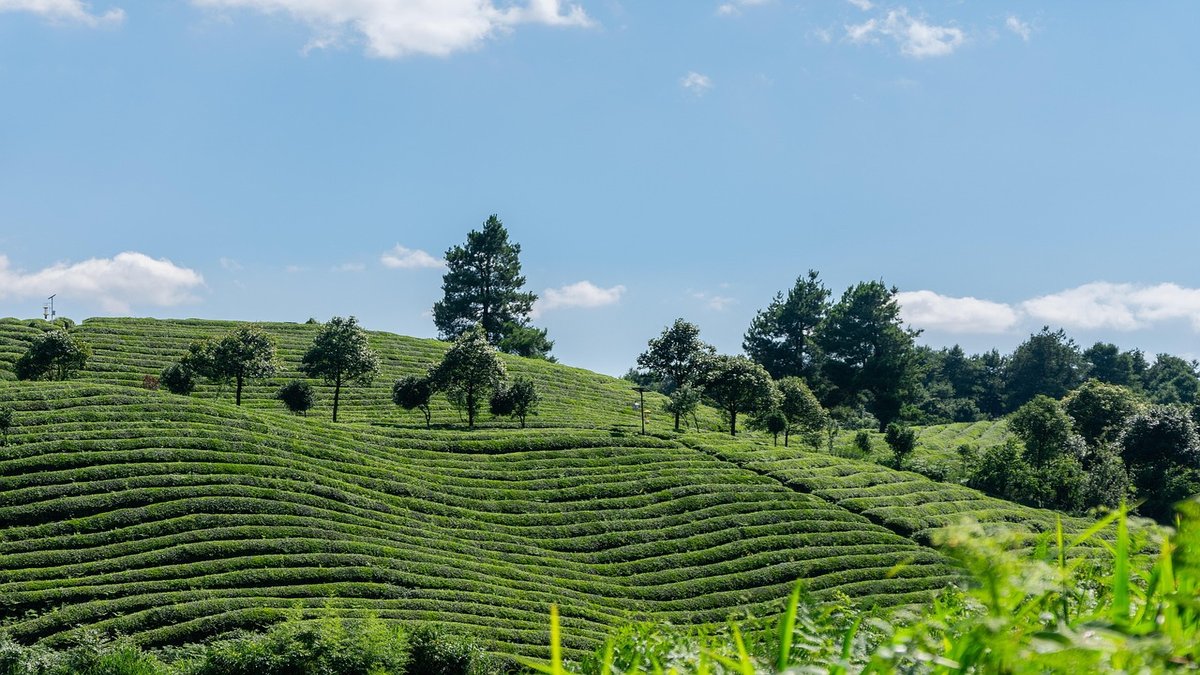
Fujian Province stands as a cornerstone of China's rich tea culture, celebrated globally for its diverse and exquisite tea varieties, including Oolong, White, and Red teas. A tea tour through Fujian offers an immersive journey into the heart of tea production, with Wuyi Mountain emerging as a premier destination for enthusiasts seeking to experience the origins of renowned rock teas like Da Hong Pao. The optimal period for such an exploration is March, a month that provides ideal weather for tea garden visits and offers scenic misty conditions perfect for photography. Beyond simple tasting, visitors can engage in hands-on experiences, from learning traditional tea picking techniques like the "three leaves and one bud" method to participating in DIY tea making processes such as shaking, stir-frying, and kneading. While Fujian focuses on these distinct categories, it is also important to note the wider landscape of Chinese tea, where Pu'er tea, for instance, is exclusively produced in Yunnan Province, with 90% to 95% or more of its raw materials sourced from three main regions: Xishuangbanna, Pu'er (formerly Simao), and Lincang.
What are the primary tea types in Fujian Province?
Fujian Province is a celebrated region in China, globally recognized for its significant contributions to the world of tea. The primary tea types originating from Fujian include Oolong, White, and Red teas, each with distinct processing methods and flavor profiles that have captivated tea drinkers for centuries. These categories represent a vast spectrum of tea experiences, from the complex, floral notes of Oolong to the delicate, nuanced flavors of White tea, and the robust, malty characteristics of Red tea.
Within Fujian, Wuyi Mountain stands out as a particularly famous area, renowned for its unique rock teas, with Da Hong Pao being the most iconic among them. These Wuyi rock Oolongs, known locally as Yancha (岩茶), are cultivated in the mineral-rich soil of the Wuyi Mountains, a UNESCO World Heritage site. The unique terroir, characterized by rocky cliffs, dense forests, and misty conditions, imparts a distinctive mineral taste and complex aroma often described as "rock rhyme" (岩韵). This specific characteristic makes Wuyi Mountain a pivotal destination for those interested in understanding the nuances of Oolong tea production. Visitors often mention that walking through the tea ridges and tasting rock tea in the Da Hong Pao scenic area is the best way to experience the local culture Wuyi Mountain Tea Garden and Tea Picking Recommendations. This direct engagement with the environment and the tea itself offers a profound insight into why these teas are so highly prized.
Oolong Teas of Fujian
Fujian's Oolong teas are perhaps its most famous export. These semi-oxidized teas fall between green and black teas in terms of oxidation levels, resulting in a wide range of flavors and aromas. The processing of Oolong is intricate, involving stages like sun-withering, shaking, oxidation, pan-frying, rolling, and drying. The specific techniques employed vary by region and tea master, leading to the diverse styles seen across Fujian. For instance, in addition to Wuyi rock teas, Fujian is also home to other notable Oolongs like Tie Guan Yin (Iron Goddess of Mercy) from Anxi, known for its floral and sometimes creamy notes, and Shui Xian (Water Sprite), another Wuyi Oolong that tends to be mellower and more woody. For a flavor-by-flavor comparison of the province's two flagship oolongs, see our Da Hong Pao vs Tieguanyin: A Translated Chinese Tasting Guide. The complexity of these teas means that understanding their origins and processing methods requires a deep dive into the specific practices of each sub-region within Fujian. The tea gardens themselves are often situated in picturesque landscapes, providing not just a source for tea but also a scenic backdrop for the entire tea experience.
White Teas of Fujian
White tea, one of the least processed tea types, is also a specialty of Fujian Province, particularly from areas like Fuding and Zhenghe. Its minimal processing involves simply withering and drying the leaves, allowing the natural characteristics of the tea plant to shine through. This gentle approach preserves the delicate flavors and aromas, often described as sweet, floral, and sometimes subtly fruity. The most prized white teas, such as Bai Hao Yin Zhen (Silver Needle) and Bai Mu Dan (White Peony), are made from young buds and leaves, respectively. These teas are appreciated for their purity and light body. The cultivation of white tea in Fujian benefits from the region's specific climate and soil, which contribute to the unique chemical composition of the tea leaves. This minimal processing also means that the quality of the raw material is paramount, emphasizing the importance of sustainable farming practices in Fujian's tea gardens.
Red Teas of Fujian
While Yunnan is famous for its Dianhong, Fujian also produces significant Red (Black) teas. Fujian's Red teas, such as Lapsang Souchong (Zheng Shan Xiao Zhong) and Jin Jun Mei, are among the earliest and most distinctive black teas in the world. Lapsang Souchong is particularly famous for its smoky aroma, traditionally achieved by drying the tea leaves over pine wood fires. This unique processing method gives the tea a bold, robust character that sets it apart from other red teas. Jin Jun Mei, a newer and highly sought-after red tea, is made from tiny, tender tea buds, offering a remarkably complex flavor profile with notes of honey, fruit, and malt, without the smoky character. These red teas from Fujian showcase the province's versatility in tea production, demonstrating its ability to produce teas that range from delicate and ethereal to strong and profoundly aromatic. The history of Fujian's red tea production is deeply intertwined with global tea trade, as these teas were among the first Chinese teas to be exported to the West, shaping early European perceptions of Chinese tea.
When is the best time to visit Fujian's tea gardens?
The optimal time to plan a visit to Fujian's tea gardens, particularly those in the renowned Wuyi Mountain area, is March. This month offers a unique confluence of favorable weather conditions and active tea cultivation cycles, making it an ideal period for an immersive tea tour. During March, the climate in Wuyi Mountain is suitable for both sunny and cloudy days, creating a versatile environment for exploration. The presence of misty conditions on overcast or rainy days further enhances the atmosphere, giving the tea gardens a serene and ethereal quality that is highly sought after by photographers and nature lovers alike. This "cloud and mist atmosphere" is often highlighted as a key reason to visit during this specific window, as it imbues the landscape with a picturesque charm that is hard to replicate at other times of the year.
Beyond the general weather, March also coincides with significant natural phenomena in certain tea gardens. For instance, some tea gardens, such as Yanzhiwo, experience the full bloom of cherry blossoms from February to March. This floral display adds another layer of beauty to the already stunning tea landscapes. The soft evening light during this period is particularly conducive for photography, allowing visitors to capture the delicate beauty of the blossoms juxtaposed against the vibrant green of the tea plants. This combination of active tea season, amenable weather, and natural aesthetic appeal makes March the most recommended time for those looking to fully engage with the tea culture and scenic beauty of Fujian. Planning a trip around this time allows for the deepest appreciation of the region's tea heritage, from observing the early stages of tea growth to experiencing the local environment at its most vibrant.
Seasonal Advantages for Tea Tours
Visiting in March provides several advantages beyond just the aesthetic appeal. It often aligns with the early spring tea harvest, which is a crucial period for many high-quality teas. While direct participation in the harvest might be more advanced, simply being in the region during this time allows visitors to witness the tea fields at their freshest and observe the initial stages of tea processing. The air is often crisp and clean, and the cooler temperatures are comfortable for walking and exploring the often-hilly terrain of the tea gardens. This contrasts with the hotter, more humid summer months or the colder winter, which might limit outdoor activities and the vibrancy of the tea landscape. The moderate conditions of early spring ensure that visitors can comfortably engage in activities like hiking along tea ridges, which is a popular way to experience the local environment.
Planning Your Visit: Tips and Considerations
When planning a tea garden visit in March, it is advisable to consider the practical aspects mentioned by experienced travelers. Many people suggest booking tea picking or making experiences in advance to avoid disappointment Trip.com Moments (translated from Chinese). This ensures that you secure a spot, especially during a popular season. Additionally, tea gardens often feature uneven terrain, with many paths being made of gravel or wooden boardwalks. Therefore, wearing non-slip shoes is highly recommended for comfort and safety. Light-colored clothing and a straw hat are also suggested, not only for practical reasons like sun protection but also because they can make it easier to take good photos, blending aesthetically with the natural, pastoral setting of the tea fields. These small preparations can significantly enhance the overall experience, allowing visitors to focus on the beauty and tradition of Fujian's tea culture without discomfort or logistical hurdles.
What activities can you do on a Fujian tea tour?
A Fujian tea tour offers a rich array of activities designed to immerse visitors in the region's vibrant tea culture, catering to both casual enthusiasts and dedicated connoisseurs. The experiences range from leisurely strolls through picturesque tea gardens to hands-on participation in the intricate process of tea making. These activities provide a comprehensive understanding of how Fujian's famous Oolong, White, and Red teas are cultivated, processed, and appreciated.
A common and highly recommended activity is hiking along the tea ridges, which allows visitors to physically connect with the landscape where the tea grows. During these walks, visitors can explore tea factories to observe the various stages of tea making, from the initial withering to the final drying. This direct observation provides valuable insight into the craftsmanship and tradition behind Fujian's renowned teas. Following the factory tour, a tea tasting session led by a knowledgeable tea artist is a highlight. Here, visitors are guided on how to correctly smell the aroma and sip the tea, enhancing their appreciation of the complex flavors and unique characteristics of local rock teas. Many visitors mention that a combination of tea garden hiking and rock tea tasting in the Wuyi Mountain Da Hong Pao scenic area offers the most authentic cultural experience Wuyi Mountain Tea Garden and Tea Picking Recommendations. This holistic approach ensures that visitors not only see the tea but also taste and understand its journey from plant to cup.
Experiencing Tea: From Light Strolls to Deep Dives
The type of activity available often depends on the visitor's level of interest and desired engagement. For those seeking a lighter experience, options frequently include sitting and brewing tea in a traditional tearoom, often combined with a relaxing stroll through a nearby tea garden. This approach allows for a more passive enjoyment of the tea culture, focusing on the sensory pleasure of tasting and the aesthetic beauty of the surroundings. It's a perfect way for beginners to ease into the world of Chinese tea without committing to more intensive activities.
More advanced tea enthusiasts, however, can delve much deeper into the practical aspects of tea production. These dedicated individuals have the opportunity to join tea farmers in the early morning to learn the precise "three leaves and one bud" picking method. This technique involves selecting only the tender new bud and the two leaves immediately below it, which are considered ideal for producing high-quality tea. This hands-on experience provides an intimate connection with the raw material and the labor involved in its cultivation. Such an activity not only teaches a valuable skill but also fosters a greater respect for the tea farmers and their traditional knowledge. It’s an immersive experience that goes beyond mere observation, allowing participants to actively contribute to the initial stage of tea making.
DIY Tea Making Classes
For the ultimate immersive experience, many tea factories in Fujian offer DIY tea making classes. These workshops allow visitors to participate in various stages of tea processing, from start to finish. Participants can engage in crucial steps such as shaking (摇青, yáo qīng), which helps to initiate oxidation for Oolong teas; stir-frying (炒青, chǎo qīng), a step that halts oxidation and develops flavor; and kneading (揉捻, róu niǎn), which shapes the tea leaves and breaks down cell walls to release enzymes and juices. Completing these steps provides a comprehensive understanding of the transformation of fresh tea leaves into finished tea.
These classes are often structured to allow participants to "check in" at each stage, making it a memorable and educational experience. The opportunity to craft one's own tea, from raw leaf to final product, offers a unique perspective on the artistry and scientific precision involved in traditional Chinese tea making. It transforms abstract knowledge into tangible experience, leaving participants with not only a deeper appreciation for tea but also a small batch of their own handmade tea to take home. Such activities underscore the cultural richness of Fujian, making its tea tours an unforgettable journey for all who embark on them.
How does Pu'er tea relate to other Chinese tea regions?
Pu'er tea holds a unique and distinct position within the vast landscape of Chinese tea, primarily due to its exclusive geographical origin and specific processing standards. Unlike the diverse tea types found across various provinces, Pu'er tea is a specific type of tea found only in Yunnan Province. This geographical specificity is not merely a regional preference but is legally enshrined, setting it apart from teas produced in other regions like Fujian.
The exclusive nature of Pu'er tea is formally defined by national standards. The 2008 national standard, GB/T22111-2008, explicitly defines Pu'er tea. According to this standard, Pu'er tea must be made from Yunnan large-leaf sun-dried green tea as its raw material. Furthermore, its processing must occur within the geographically protected areas specified by the standard, using particular processing techniques. This stringent definition ensures that authentic Pu'er tea maintains its unique quality and characteristics, which are deeply tied to Yunnan's specific terroir and traditional methods. This regulation means that any tea produced outside Yunnan, or using different raw materials or processing methods, cannot legally be labeled as Pu'er tea, irrespective of how similar it might taste or appear. This contrasts sharply with teas like Oolong, White, and Red teas, which, while having famous origins in Fujian, can also be produced and processed in other regions, albeit with different characteristics.
Yunnan's Dominance in Pu'er Production
Yunnan Province is not just the sole origin of Pu'er tea; it is also its primary production hub. The tea mountains of Yunnan are predominantly distributed across four major tea regions: Pu'er (formerly Simao), Xishuangbanna, Baoshan, and Lincang. These are commonly referred to as the "Four Major Tea Regions" of Yunnan. Within these larger regions, numerous individual mountains and hills, known as "mountain heads" (山头), each contribute distinct flavor profiles to the Pu'er tea landscape. For example, the famous "Six Great Tea Mountains" are located within the Xishuangbanna tea region, highlighting the intricate sub-divisions of these major areas Introduction to Pu'er Tea Mountains and Regions.
The sheer scale of Pu'er tea production in Yunnan is significant. Data indicates that 90% to 95% or more of the raw materials used for Pu'er tea originate from just three of these major producing areas: Xishuangbanna, Pu'er (formerly Simao), and Lincang Pu'er Tea's Three Major Tea Regions and Characteristics. This concentration underscores Yunnan's unparalleled importance in the Pu'er tea industry. The vast majority of Pu'er tea consumed globally traces its origins back to these specific regions within Yunnan, emphasizing the province's singular role in this particular tea category.
Distinctions from Fujian Teas
While Fujian excels in producing Oolong, White, and Red teas, its tea traditions and terroirs are fundamentally different from those of Yunnan's Pu'er. Fujian teas are generally categorized by their level of oxidation and processing techniques that aim to preserve or enhance specific aromatic and flavor compounds for immediate consumption or relatively short-term aging. Pu'er tea, on the other hand, is renowned for its unique fermentation process (either naturally over time for raw Pu'er or through accelerated microbial fermentation for ripe Pu'er) and its ability to age and develop complex flavors over decades, similar to fine wine.
The raw material also differs significantly. Fujian teas often use smaller leaf varieties, meticulously processed to achieve delicate or intricate profiles. Pu'er tea, by definition, uses the large-leaf varietals native to Yunnan, which contribute to its robust character and suitability for aging. Therefore, while both Fujian and Yunnan are monumental regions in Chinese tea culture, they specialize in distinct categories that cater to different palates and traditions, offering a diverse and rich experience for tea enthusiasts worldwide. The legal and geographical constraints on Pu'er tea production further solidify its unique standing, making it a tea category unto itself, deeply rooted in the specific ecological and cultural context of Yunnan.
What are the characteristics of different Yunnan Pu'er tea regions?
Yunnan's Pu'er tea is renowned for its diversity, with distinct characteristics emerging from its various producing regions. The province's vast tea-growing areas contribute unique flavor profiles, aromas, and mouthfeels to the tea, making regional understanding crucial for any Pu'er enthusiast. The primary producing areas are Xishuangbanna, Lincang, and Pu'er (formerly Simao), which together supply 90% to 95% or more of all Pu'er tea raw materials Pu'er Tea's Three Major Tea Regions and Characteristics. Each of these regions, and their sub-regions, imparts specific qualities to the tea, shaped by local climate, altitude, soil, and tea tree varietals.
The Xishuangbanna tea region is primarily divided into two major blocks: Menghai County and Menghla County. Menghai tea is characterized by its strong aroma, full flavor, thick tea body, and a relatively high degree of bitterness and astringency. Teas from Menghai are often described as having a "fierce tea energy" (茶气猛烈), indicating a potent and invigorating experience. This intensity is attributed to the region's high temperatures and abundant rainfall, which contribute to the robust growth of the tea plants. In contrast, Menghla County, with the Yiwu tea region at its core, presents a different profile. Yiwu experiences higher temperatures, significant day-night temperature differences, and the most rainfall within the Xishuangbanna region. These conditions, combined with a rich variety of ancient, original tea species, result in teas with a mellow taste, good aroma, and notably low bitterness and astringency. Yiwu teas are often celebrated for their "soft liquor and sweet water" (汤柔水甜) characteristics, offering a smoother and sweeter drinking experience. The Yiwu tea region, in particular, despite lacking large tea factories, has a history of early artificial cultivation and still preserves century-old ancient tea gardens, contributing to its unique and varied tea species Yunnan Tea Regions on Wikipedia (translated from Chinese).
Lincang and Pu'er (Simao) Regions
Lincang is often referred to as the "warehouse of tea" (天下茶仓) because it is the largest tea-producing area in Yunnan. Famous areas within Lincang include Mengku, Bangdong, Matai, Fengqing, and Yongde. Notably, Fengqing is particularly well-known for its Dianhong (Yunnan Red) tea, showcasing Lincang's versatility beyond Pu'er. The teas from different parts of Lincang exhibit considerable variation in aroma and taste. Generally, Lincang teas are characterized by a good aroma, a slightly heavier astringency, and a mild bitterness. In recent years, specific initiatives, such as Cainong Tea's pioneering work in developing "Yunnan rock tea" (云南岩茶), have highlighted unique characteristics like "rock rhyme" and floral notes, indicating excellent quality.
The Pu'er (formerly Simao) tea region boasts some of the best modern tea garden infrastructure among all major tea regions in Yunnan. This area is characterized by concentrated tea garden planting and high yields, reflecting a more industrialized approach to tea cultivation. Teas from the Pu'er region generally have a lighter taste and exhibit noticeable astringency. The mouthfeel is often described as soft, but the "tea energy" (茶气) is not as prominent, and the tea body is comparatively thinner. Among the areas within the Pu'er region, the Jingmai Mountain Ancient Tea Garden is particularly famous, known for its historical significance and unique tea characteristics. Despite the general profile of lighter taste, the ancient tea gardens within this region contribute to specific, nuanced flavors that are highly valued by connoisseurs. The overall variations across these regions emphasize the importance of understanding the geographical origin when selecting and appreciating Pu'er tea, as each area offers a distinct and authentic experience of this celebrated Chinese tea.
Are there historical tea gardens in Yunnan?
Yunnan Province, the exclusive home of Pu'er tea, is rich with historical tea gardens, some of which date back centuries. These ancient tea gardens are not merely relics of the past; they are living testaments to the long history of tea cultivation in the region and continue to produce highly prized teas today. The presence of these historical sites underscores Yunnan's deep roots in tea culture and its enduring legacy as a tea-producing region.
One notable example is found within the Yiwu tea region, which is a core part of Menghla County in the Xishuangbanna tea region. Despite the absence of large, modern tea factories in Yiwu, this area boasts a rich history of early artificial cultivation. Crucially, the Yiwu tea region still preserves century-old ancient tea gardens Yunnan Tea Regions on Wikipedia (translated from Chinese). These ancient gardens are significant not only for their age but also for the genetic diversity they harbor, containing many variant tea species. The unique environment of Yiwu, characterized by lower latitude, lower altitude, high temperatures, and abundant rainfall, combined with these original tea species, contributes to teas with a thick body, unique aroma, and remarkably low bitterness and astringency. The preservation of these ancient gardens highlights a commitment to traditional methods and the natural evolution of tea varieties, offering a direct link to the historical origins of Pu'er tea.
Jingmai Mountain: A Renowned Ancient Tea Garden
Another exceptionally famous historical site is the Jingmai Mountain Ancient Tea Garden, located within the Pu'er (formerly Simao) tea region. Jingmai Mountain is celebrated not just for its age but also for its cultural significance and the quality of the tea it produces. The ancient tea trees here are often part of an integrated ecosystem, growing alongside native forests, which contributes to the distinct flavor profile of Jingmai teas. These teas are known for their floral and honeyed notes, often with a unique lingering sweetness.
The existence of such ancient tea gardens is a key factor in the superior quality and unique characteristics of certain Pu'er teas. Unlike modern, intensively managed plantations, these old-growth gardens often feature trees that have adapted to their environment over centuries, developing deep root systems that draw unique minerals from the soil. This contributes to the complexity and depth of flavor in the tea. Furthermore, the traditional management practices associated with these ancient gardens, often passed down through generations of local ethnic communities, ensure a sustainable and respectful approach to cultivation. These practices minimize human intervention, allowing the tea trees to thrive naturally and produce leaves with exceptional character. The focus on preserving these historical tea gardens reflects a broader appreciation for heritage, biodiversity, and the unique cultural value that ancient tea landscapes bring to the world of Chinese tea. They are not just sources of tea but also vital cultural and ecological treasures.
Frequently Asked Questions
What types of tea are primarily produced in Fujian Province?
Fujian Province is primarily known for producing Oolong, White, and Red teas. These include famous varieties such as Da Hong Pao, a rock Oolong from Wuyi Mountain, delicate Bai Hao Yin Zhen (Silver Needle) white tea, and distinct Red teas like Lapsang Souchong. Wuyi Mountain, a UNESCO World Heritage site, is particularly renowned for its rock teas Wuyi Mountain Tea Garden and Tea Picking Recommendations.
When is the optimal time to visit Wuyi Mountain for tea-related activities?
The optimal time to visit Wuyi Mountain for tea garden tours and tea picking is March. This period offers ideal weather conditions, including misty atmospheres that enhance the scenic beauty for photography. Some tea gardens, like Yanzhiwo, also feature cherry blossoms in bloom from February to March, adding to the picturesque setting.
What kind of tea experiences can visitors expect in Fujian?
Visitors to Fujian can expect a range of tea experiences, from leisurely tea garden strolls and guided tea tastings led by tea artists to more immersive activities. Advanced enthusiasts can learn the "three leaves and one bud" picking method with tea farmers or participate in DIY tea making classes. These classes cover processes like shaking, stir-frying, and kneading the tea leaves.
How is Pu'er tea defined and where is it exclusively produced?
Pu'er tea is defined by the 2008 national standard GB/T22111-2008. This standard specifies that authentic Pu'er tea must use Yunnan large-leaf sun-dried green tea as its raw material and be processed within specific geographically protected areas of Yunnan Province. Pu'er tea is exclusively produced in Yunnan, with 90% to 95% or more of its raw materials originating from the Xishuangbanna, Pu'er (formerly Simao), and Lincang regions Pu'er Tea's Three Major Tea Regions and Characteristics.
What are the distinct characteristics of Pu'er tea from different regions within Yunnan?
Pu'er tea characteristics vary by region. Menghai tea from Xishuangbanna is known for its strong aroma, full taste, thick body, and high bitterness and astringency, with intense "tea energy." Yiwu tea, also in Xishuangbanna, has a mellow taste, good aroma, low bitterness, and a "soft liquor and sweet water" quality. Lincang teas generally have a good aroma, slightly heavier astringency, and mild bitterness. Pu'er (formerly Simao) teas tend to be lighter in taste, with noticeable astringency, soft mouthfeel, and a thinner body. The Yiwu tea region also notably preserves century-old ancient tea gardens Yunnan Tea Regions on Wikipedia (translated from Chinese).
Sources
- https://www.getyourguide.com/zh-cn/hangzhou-l1241/tea-plantation-tours-tc2216/
- https://zhuanlan.zhihu.com/p/357573681
- https://zh.wikipedia.org/zh-cn/%E4%BA%91%E5%8D%97%E8%8C%B6%E5%8C%BA
- https://m.yunnan.cn/system/2020/08/21/030904367.shtml
- https://m.guchaju.com/baike/510.html
- https://hk.trip.com/moments/theme/destination-wuyishan-22-tea-plantations-tea-picking-1002222/
- http://cul.china.com.cn/2025-04/21/content_43088174.htm
Related Reading
- Best Chinese Tea Markets to Visit
- Chinese Tea Regions: A Map of Where the Best Teas Come From
- Best Chinese Pressed White Tea Cakes
- Best Chinese Red Tea for Cold Brew
- The 6 Types of Chinese Tea: A Complete Guide from Chinese Sources
— The Tea Atlas Team
Reading Series
Chinese Tea Regions Tour
Visit the legendary tea-producing regions of China.
- ✓Yunnan: Pu-erh Country
- 2Fujian: Oolong & White Tea(You are here)
- 3Hangzhou: Longjing Farms
- 4Anxi: Tieguanyin Heartland
- 5Wuyi Mountain Tea
- 6Huangshan Tea Region