How to Brew Wuyi Rock Tea Gong Fu Style
- Wuyi Rock Tea, particularly Da Hong Pao, is a premium Oolong tea, recognized as a National Intangible Cultural Heritage in 2006 and a human intangible cultural heritage in 2022 as part of "Traditional Chinese Tea Processing Techniques" Wuyi Rock Tea on Baidu Baike.
Last updated: April 2026
Affiliate Disclosure: We may earn a commission when you purchase through our links. This does not affect our editorial independence.
Quick Answer
- Wuyi Rock Tea, particularly Da Hong Pao, is a premium Oolong tea, recognized as a National Intangible Cultural Heritage in 2006 and a human intangible cultural heritage in 2022 as part of "Traditional Chinese Tea Processing Techniques" Wuyi Rock Tea on Baidu Baike.
- The tea's brand value reached 75.018 billion RMB in 2025, consistently ranking second among Chinese tea geographical indications for nine consecutive years Wuyi Rock Tea on Baidu Baike.
- Gong Fu style brewing emphasizes the tea's "rock bone floral fragrance" (岩骨花香) characteristic, balancing the freshness of green tea with the richness of black tea to reveal its full spectrum of flavors Wuyi Rock Tea on Baidu Baike.
- Key steps include warming the teapot, steeping quickly, and appreciating the tea's unique "活、甘、清、香" (lively, sweet, clear, fragrant) qualities over multiple infusions Wuyi Rock Tea on Baidu Baike.
Brewing Wuyi Rock Tea Gong Fu style is a traditional method designed to unveil the intricate layers of flavor and aroma unique to this esteemed Oolong. This approach respects the tea's heritage, which dates back to the Han Dynasty for tea making and the Tang Dynasty for cultivation, and its status as a royal tribute by the Song Dynasty Wuyi Rock Tea on Baidu Baike. The Gong Fu method, characterized by its use of small teaware and multiple short infusions, allows the drinker to fully experience the "rock bone floral fragrance" (岩骨花香) that defines Wuyi Rock Tea. This distinctive quality, combining the fresh notes of green tea with the mellow depth of black tea, is a hallmark of the tea's traditional production techniques, which include over ten steps like withering, "making green" (做青), and charcoal roasting. The significance of Wuyi Rock Tea is underscored by its brand value, which reached 75.018 billion RMB in 2025, maintaining its position as the second most valuable Chinese tea geographical indication for nine consecutive years Wuyi Rock Tea on Baidu Baike. Mastering the Gong Fu style brewing technique is essential for appreciating the full spectrum of this tea's complex character and its deep cultural roots.
What is Wuyi Rock Tea?
Wuyi Rock Tea, known as Wuyi Yancha, stands as a pinnacle among Chinese Oolong teas, originating from the unique geological formations of the Wuyi Mountains in Fujian, China. This tea is celebrated for its distinctive "rock bone floral fragrance" (岩骨花香), a characteristic that captures both the robust minerality of its mountainous terroir and the delicate, complex aromas reminiscent of flowers. The cultivation of tea in the Wuyi region boasts a profound history, with tea-making techniques traceable to the Han Dynasty and documented cultivation records extending back to the Tang Dynasty. By the Song Dynasty, Wuyi Rock Tea had achieved such renown that it was elevated to the status of a royal tribute, exclusively presented to the imperial court Wuyi Rock Tea on Baidu Baike.
Historical and Cultural Significance
The deep historical roots of Wuyi Rock Tea are intertwined with China's rich tea culture. During the Yuan Dynasty, a dedicated "beverage bureau" (焙局) was established in the Wuyi Mountains specifically to manage the production of tribute tea, showcasing the imperial recognition of its exceptional quality. The Qing Dynasty further refined the Oolong tea processing system, solidifying the methods that contribute to the tea's unique profile. The cultural importance of Wuyi Rock Tea was formally acknowledged in 2006 when its traditional production technique was inscribed as a National Intangible Cultural Heritage. Its global significance was further cemented in 2022 when it was included in the Representative List of the Intangible Cultural Heritage of Humanity, as part of the broader "Traditional Chinese Tea Processing Techniques" Wuyi Rock Tea on Baidu Baike. This dual recognition highlights both its national importance and its contribution to global cultural heritage.
Unique Characteristics and Production
Wuyi Rock Tea is often described as possessing the refreshing qualities of green tea alongside the mellow sweetness of black tea, a unique balance achieved through its semi-fermented nature and specific processing methods. The traditional craft involves more than ten distinct steps, including controlled withering (萎凋), intricate "making green" (做青) to develop flavor and aroma, and precise charcoal roasting (炭焙) to impart its signature "rock rhyme" (岩韵). The finished tea leaves are typically tightly rolled and uniform, exhibiting a fresh green-brown color. When brewed, the tea yields an orange-yellow, clear, and bright liquor. The aroma is rich and long-lasting, and the infused leaves, known as "ye di" (叶底), display a striking red and green pattern, often described as having "green leaves with red edges" (绿叶红镶边) Wuyi Rock Tea on Baidu Baike.
Economic Impact and Modern Development
Beyond its cultural and historical significance, Wuyi Rock Tea holds substantial economic value. In 2025, the brand value of Wuyi Rock Tea reached an impressive 75.018 billion RMB, a testament to its enduring popularity and market demand. For nine consecutive years, it has maintained its position as the second most valuable Chinese tea geographical indication, underscoring its consistent prominence in the national tea industry Wuyi Rock Tea on Baidu Baike. Modern tea enterprises in the region are actively promoting sustainable ecological tea garden management practices and utilizing advanced IoT monitoring systems to optimize production. They are also innovating with products like "drip bag" (挂耳) Wuyi Rock Tea to appeal to younger consumers, demonstrating a blend of tradition and modernity in their approach Wuyi Rock Tea on Baidu Baike. The region also hosts regular tea king competitions and tea expos, alongside cultural tourism initiatives, to further promote Wuyi tea culture. In 2025, the first private rock tea museum in China was established in Wuyi Mountain, aiming to create a tea culture research and study base Wuyi Rock Tea on Baidu Baike.
Why Brew Gong Fu Style?
Gong Fu style brewing is the preferred method for Wuyi Rock Tea because it is specifically designed to unravel the intricate layers of flavor, aroma, and texture that define high-quality Oolong teas. This traditional Chinese approach, whose name translates to "making tea with skill" or "effort," emphasizes precision and attentiveness, allowing the drinker to fully appreciate the tea's evolving character over multiple, short infusions. Unlike larger, more casual brewing methods, Gong Fu brewing uses a specific set of small teaware to control every variable, from water temperature to steeping time, ensuring optimal extraction.
Enhancing Flavor and Aroma
The primary reason to employ Gong Fu brewing for Wuyi Rock Tea is its ability to highlight the tea's complex "rock bone floral fragrance" (岩骨花香). This method allows for a gradual unfurling of the tea leaves, releasing a spectrum of aromas and tastes that might be missed with longer, single infusions. The small volume of the teapot or gaiwan, coupled with short steeping times, prevents over-extraction of bitter compounds while maximizing the release of desirable flavors. This careful control ensures that the tea's natural sweetness, often described as a quick and refreshing "gan" (甘) or "hui gan" (回甘), and its rich, long-lasting fragrance are fully expressed Wuyi Rock Tea on Baidu Baike.
Experiencing the Tea's Evolution
One of the most rewarding aspects of Gong Fu brewing is the opportunity to experience the tea's evolution through multiple infusions. Each steep reveals a slightly different facet of the tea's profile, from the initial delicate notes to deeper, more robust flavors in later infusions, and finally to a lingering, sweet finish. For example, the first few infusions might emphasize the tea's floral and fruity notes, while subsequent infusions might bring out more of its roasted or mineral "rock rhyme" (岩韵) characteristics. This progressive tasting journey allows for a deeper understanding and appreciation of the tea's complexity and craftsmanship. Wuyi Rock Tea, depending on its quality, can typically be steeped 7 to 10 times, and sometimes even more, each time offering a unique experience.
A Mindful Ritual
Beyond the sensory experience, Gong Fu brewing is also a meditative and mindful ritual. The deliberate steps—warming the teaware, carefully adding leaves, precise pouring, and attentive tasting—encourage a slow, contemplative pace. This ritualistic approach enhances the overall enjoyment of the tea, transforming a simple beverage into an engaging cultural experience. It's a practice that connects the drinker to centuries of Chinese tea tradition and the natural environment of the Wuyi Mountains. The process allows for a full appreciation of the tea's characteristics, which Qing Dynasty scholar Liang Zhangju succinctly summarized as "活、甘、清、香" (lively, sweet, clear, fragrant) in his work 'Gui Tian Suo Ji' Wuyi Rock Tea on Baidu Baike.
What Teaware Do You Need for Gong Fu Brewing?
Gong Fu brewing requires a specific set of teaware, typically small in size, designed to facilitate precise control over the brewing process and enhance the tea-drinking experience. The selection of suitable equipment is crucial for properly extracting the nuanced flavors and aromas of Wuyi Rock Tea. While the exact items can vary, a core set of tools is generally considered essential for a complete Gong Fu tea ceremony.
Essential Teaware Components
Teapot or Gaiwan
The central piece of teaware is either a small teapot or a gaiwan.
- Teapot: Traditionally, Yixing clay teapots are highly prized for Oolong teas like Wuyi Rock Tea. Yixing clay is porous and, over time, absorbs the tea's flavors, enhancing subsequent brews. They come in various sizes, but for Gong Fu brewing, smaller capacities (typically 80-150ml) are preferred.
- Gaiwan (盖碗): A gaiwan, consisting of a bowl, lid, and saucer, is another popular choice. It offers excellent control over steeping time and allows for a clear view of the tea leaves as they unfurl. Gaiwans are typically made of porcelain or ceramic, which do not absorb flavors, making them versatile for brewing different types of tea.
Fairness Cup (Gong Dao Bei, 公道杯)
Also known as a "pitcher" or "sharing cup," the fairness cup is used to collect the brewed tea from the teapot or gaiwan before it is poured into individual teacups. Its purpose is to ensure that each serving has a consistent strength and flavor, as the tea in the teapot can vary in concentration from the first pour to the last. This step is vital for a fair and equitable sharing of the tea among drinkers.
Small Teacups (Cha Bei, 茶杯)
Gong Fu brewing uses small teacups, typically holding 20-50ml of tea. These small cups encourage slow, deliberate sipping, allowing the drinker to focus on the tea's aroma, taste, and texture in concentrated portions. The small size also supports multiple infusions, as the total volume consumed remains manageable.
Tea Tray (Cha Pan, 茶盘)
A tea tray, or cha pan, serves a practical and aesthetic purpose. It collects any spilled water or tea during the brewing process, keeping the tea table clean and orderly. Many tea trays feature a drainage system or a removable basin underneath, making cleanup easy. They also provide a dedicated space for arranging the teaware, contributing to the ritualistic feel of the ceremony.
Supplementary Tools
While not strictly essential, several other tools can enhance the Gong Fu brewing experience:
- Tea Scoop (Cha Chi, 茶匙): Used to transfer tea leaves from the tea caddy to the teapot or gaiwan without touching them directly.
- Tea Needle (Cha Zhen, 茶针): A slender tool used to clear the spout of a teapot if it becomes clogged by tea leaves.
- Tea Strainer (Lou Dou, 漏斗): Placed over the fairness cup to catch any small tea leaf fragments, ensuring a clear liquor.
- Tea Tongs (Cha Jia, 茶夹): Used to handle hot teacups or wet leaves, especially during the warming process.
- Tea Towel (Cha Bu, 茶布): For wiping spills and keeping the teaware dry.
The cost of acquiring quality teaware can vary. For example, a "Da Hong Pao Wuyi Rock Tea Sachets Collection 91.3g" is available for $45 on Lapsangstore, which might be bundled with or suggest complementary teaware Da Hong Pao sachets on Lapsangstore. Investing in good teaware not only makes the brewing process more efficient and enjoyable but also allows for a deeper appreciation of Wuyi Rock Tea's unique characteristics.
How to Prepare Your Tea and Equipment?
Proper preparation of both your Wuyi Rock Tea and your brewing equipment is a foundational step in the Gong Fu ceremony, setting the stage for an optimal tea experience. This meticulous approach ensures that the tea leaves are ready to release their full spectrum of flavors and aromas, and that the teaware is at the ideal temperature to maintain the integrity of the brew. Neglecting these initial steps can significantly impact the quality of the final cup, diminishing the nuanced characteristics that make Wuyi Rock Tea so special.
Selecting High-Quality Wuyi Rock Tea
The quality of the tea itself is paramount. For Gong Fu brewing, it is recommended to use high-quality Wuyi Rock Tea, such as Zheng Yan Da Hong Pao (正岩大红袍). "Zheng Yan" signifies that the tea comes from the original, core growing areas within the Wuyi Mountains, where the unique terroir imparts the most distinctive "rock rhyme" (岩韵). These premium teas are often available from reputable brands and vendors. On JD.com, for instance, various "Zheng Yan Da Hong Pao" products are offered in different packaging formats and sizes, including elegant gift boxes (礼盒装), convenient cans (罐装), and practical bags (袋装) Zheng Yan Da Hong Pao products on JD.com. Packaging sizes for these premium teas can range from smaller gift sets of 41.5g to larger quantities like 510g, catering to different needs Zheng Yan Da Hong Pao products on JD.com.
When selecting your tea, observe the appearance of the dry leaves. High-quality Wuyi Rock Tea typically features:
- Shape: The tea leaves should be tightly rolled (壮结) and uniform in shape, indicating careful processing. Some might have a slightly twisted (扭曲) appearance or a distinctive "dragonfly head" (蜻蜓头) shape.
- Color: A fresh green-brown (绿褐鲜润) color is desirable, reflecting proper oxidation and roasting.
- Aroma: The dry leaves should emit a subtle, pleasant fragrance, hinting at the tea's inherent character.
For beginners, starting with a well-regarded "浓香型" (strong aroma type) or "醇香型" (mellow aroma type) Da Hong Pao can provide a robust and characteristic introduction to Wuyi Rock Tea.
Warming Your Teaware
Before any tea leaves are introduced, all the teaware—including the teapot or gaiwan, fairness cup, and individual teacups—must be thoroughly warmed with hot water. This step is critical for several reasons:
- Temperature Stability: Warming the teaware prevents it from drawing heat away from the hot water used for brewing. If the teaware is cold, it can significantly drop the water temperature, leading to under-extraction and a weaker, less flavorful tea. Maintaining a consistent high temperature is essential for Wuyi Rock Tea, which typically requires boiling water (around 100°C) to fully release its complex compounds.
- Hygiene: Rinsing the teaware with hot water also serves to sanitize it, ensuring a clean and pure taste.
- Aesthetic and Ritual: The act of warming the teaware is an integral part of the Gong Fu ceremony, adding to the mindfulness and preparation of the ritual. It creates a warm, inviting atmosphere and prepares the senses for the tea to come.
To warm the teaware:
- Boil water: Ensure your water is at a rolling boil, ideally around 100°C (212°F).
- Pour into teapot/gaiwan: Fill your teapot or gaiwan with this hot water.
- Distribute: Pour the water from the teapot/gaiwan into the fairness cup, and then from the fairness cup into each teacup.
- Discard: Once all pieces are warmed, discard the water. The teaware should now be warm to the touch and ready for brewing. This meticulous preparation ensures that the tea brewing process starts under optimal conditions, allowing the Wuyi Rock Tea to fully express its unique "rock bone floral fragrance" and its "lively, sweet, clear, fragrant" qualities from the very first infusion.
What are the Steps for Gong Fu Brewing Wuyi Rock Tea?
Gong Fu brewing Wuyi Rock Tea is a precise and deliberate process designed to extract the maximum flavor and aroma from the leaves over multiple infusions. Each step is carefully executed to honor the tea's character and provide a rich sensory experience. This method, often described as a dance between water and leaf, ensures that the unique "rock bone floral fragrance" (岩骨花香) of Wuyi Rock Tea is fully appreciated.
Step 1: Warm the Teaware (温壶淋杯)
Before introducing any tea leaves, thoroughly warm all your brewing vessels. Pour freshly boiled water (around 100°C) into your teapot or gaiwan. Then, transfer this water into the fairness cup, and from there, distribute it into each of the small teacups. Allow the water to sit in each piece for a few moments to ensure they are adequately heated, then discard the water. This vital step prevents the cold teaware from lowering the brewing temperature, which could lead to under-extraction and a duller flavor profile. It also prepares the vessels hygienically and sets a mindful tone for the ceremony. For more details, see Da Hong Pao sachets on Lapsangstore.
Step 2: Add Tea Leaves (置茶)
Carefully place the Wuyi Rock Tea leaves into the warmed teapot or gaiwan. The general recommendation for Gong Fu brewing is to use a generous amount of leaves relative to the small size of the brewing vessel. Typically, 5-8 grams of tea leaves are used for a small teapot (e.g., 100-150ml). This ratio ensures a concentrated brew that can withstand multiple infusions. The exact amount can be adjusted based on the specific tea, its density, and your personal preference for strength. For instance, some "Zheng Yan Rou Gui" (正岩肉桂), a type of Wuyi Rock Tea, is sold in 30-sachet packs for half a kilogram, priced at 168 RMB, offering pre-portioned convenience for consistent brewing Zheng Yan Da Hong Pao products on Taobao.
Step 3: Rinse the Tea / Wake-up Wash (洗茶 / 润茶)
This step, often called the "wake-up wash" or "rinse," is crucial for Wuyi Rock Tea. Pour hot water (again, around 100°C) over the tea leaves in the teapot/gaiwan until they are just covered. Immediately pour out this water. The purpose of this quick rinse is threefold:
- Awaken the leaves: It helps the tightly rolled leaves begin to unfurl, preparing them for optimal flavor release in subsequent infusions.
- Remove dust/impurities: It washes away any potential dust or fine particles that may have accumulated during processing or storage.
- Warm the leaves: It brings the leaves to the ideal temperature for the first proper infusion. This rinse should be very brief, lasting no more than 1-3 seconds, to avoid extracting desirable flavors too early.
Step 4: First Infusion (第一泡)
After the rinse, it's time for the first true infusion. Pour hot water (100°C) over the awakened tea leaves, filling the teapot or gaiwan. This first steep is typically very short, usually 5-10 seconds. The exact time depends on the tea's type, roast level, and your desired strength. Quickly pour the brewed tea into the fairness cup to ensure even strength, then distribute it into the small teacups. The liquor from this first infusion should be clear, bright, and begin to reveal the tea's characteristic aroma and taste.
Step 5: Subsequent Infusions (后续泡)
Wuyi Rock Tea is renowned for its ability to yield many infusions. For each subsequent brew, increase the steeping time by a few seconds.
- Second infusion: 10-15 seconds
- Third infusion: 15-20 seconds
- Fourth infusion: 20-30 seconds
- And so on. The goal is to maintain a consistent strength across infusions while allowing the tea's character to evolve. High-quality Wuyi Rock Tea can typically be steeped 7 to 10 times, and sometimes even more, before its flavor begins to significantly diminish. Pay attention to the tea's color, aroma, and taste with each infusion. As the "rock bone floral fragrance" unfolds, you'll notice different nuances, from initial floral and fruity notes to deeper, more mineral, and roasted characteristics in later steeps. The ability to endure numerous infusions is a hallmark of truly excellent Wuyi Rock Tea, allowing a prolonged and deeply satisfying tea session.
How to Appreciate the Flavor and Aroma?
Appreciating the flavor and aroma of Wuyi Rock Tea brewed Gong Fu style is a multi-sensory experience that goes beyond simply drinking. It involves engaging sight, smell, and taste to fully grasp the tea's complex characteristics, from its vibrant liquor to its lingering aftertaste and the unique appearance of its infused leaves. This mindful approach allows the drinker to connect deeply with the tea's "rock bone floral fragrance" (岩骨花香) and its storied origins in the Wuyi Mountains.
Visual Assessment: Color and Clarity
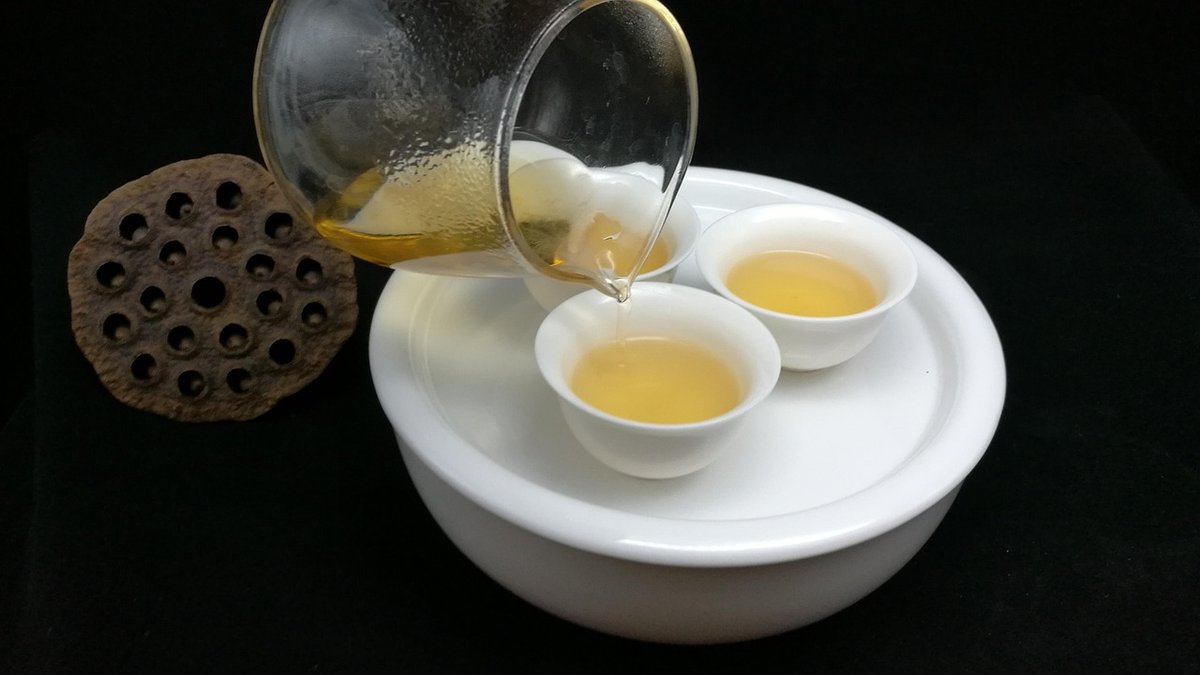
Begin your appreciation by observing the tea liquor. Pour the tea into your fairness cup and then into the small teacups.
- Color: A high-quality Wuyi Rock Tea, such as Da Hong Pao, should present a clear and bright orange-yellow (橙黄明亮) liquor. This vibrant hue is indicative of proper processing and a good level of oxidation. The depth of the orange-yellow can vary slightly depending on the specific varietal and roast level, but clarity is paramount.
- Clarity: The tea should be free of any cloudiness or suspended particles. A clear liquor suggests meticulous processing and proper filtration, allowing the true color to shine through.
Olfactory Assessment: The Fragrance Journey
The aroma of Wuyi Rock Tea is one of its most defining features, often described as rich, complex, and persistent.
- Dry Leaf Aroma: Before brewing, gently smell the dry leaves in your warmed teapot or gaiwan. You might detect initial hints of roasted notes, dried fruit, or a subtle sweetness.
- Wet Leaf Aroma (Lid Aroma): After the rinse or the first infusion, lift the lid of your brewing vessel and inhale the aroma from the wet leaves. This "lid aroma" is often more intense and revealing, showcasing the tea's true character. You might encounter notes of baked goods, honey, exotic fruits, or distinct floral undertones.
- Liquor Aroma: As you sip, pay attention to the aroma rising from the cup. Wuyi Rock Tea is known for its "rock rhyme" (岩韵), a unique mineral quality intertwined with its floral and fruity notes. The fragrance should be馥郁持久 (rich and lasting) Wuyi Rock Tea on Baidu Baike. This complexity is a hallmark of the tea's unique growing environment and charcoal roasting.
Gustatory Assessment: Savoring the Taste
Sip the tea slowly, allowing it to coat your palate. The Gong Fu method produces a concentrated brew, so small sips are sufficient to experience the full flavor profile.
- Mouthfeel: A good Wuyi Rock Tea should feel smooth and substantial in the mouth, often described as "厚" (thick) or "醇厚" (mellow and thick).
- Initial Taste: Note the immediate flavors. These can range from sweet and fruity to savory, with hints of roasted nuts, cocoa, or a distinct minerality.
- Aftertaste (Hui Gan, 回甘): One of the most prized characteristics is the "hui gan," a refreshing sweetness that emerges in the back of the throat after the tea is swallowed. This sensation should be quick and clear, leaving a pleasant, lasting impression. Qing Dynasty scholar Liang Zhangju, in 'Gui Tian Suo Ji,' summarized the ideal qualities of Wuyi tea with four characters: "活、甘、清、香" (lively, sweet, clear, fragrant) Wuyi Rock Tea on Baidu Baike. The "gan" specifically refers to this quick and refreshing sweetness.
- Evolution through Infusions: As you progress through multiple infusions, observe how the flavor profile changes. The initial infusions might be brighter and more floral, while later ones may reveal deeper, more robust, or mineral notes. This evolution is a testament to the tea's high quality and the effectiveness of Gong Fu brewing. For instance, a "Wuyi Rock Tea Zheng Yan Rou Gui" product on Taobao, rated 4.8, is praised for its "fruit aroma" (果香) and "thick aroma" (浓香型), suggesting a rich and evolving taste profile Zheng Yan Da Hong Pao products on Taobao. Another "Zheng Yan Rou Gui" product with a 4.9 rating received comments like "very cost-effective" (性价比很高) from 53 users, indicating satisfaction with its quality and taste Zheng Yan Da Hong Pao products on Taobao.
Post-Brewing: Examining the Wet Leaves (叶底)
After you've finished all infusions, take a moment to examine the wet tea leaves in your brewing vessel.
- Color: The infused leaves of Wuyi Rock Tea should display a vibrant mix of red and green, often described as "green leaves with red edges" (绿叶红镶边) Wuyi Rock Tea on Baidu Baike. This distinctive characteristic is a visual indicator of a well-processed Oolong tea, reflecting its semi-oxidized nature.
- Integrity: The leaves should be relatively intact and supple, not overly broken or brittle. This indicates good quality tea material and careful handling during processing. A uniform, plump "ye di" suggests the leaves have fully unfurled and released their essence.
By engaging all these senses, you can fully appreciate the depth, complexity, and unique characteristics that define a truly exceptional Wuyi Rock Tea brewed in the Gong Fu style.
What are the Characteristics of a Good Wuyi Rock Tea?
A good Wuyi Rock Tea is defined by a constellation of sensory characteristics that collectively create its unique "rock bone floral fragrance" (岩骨花香) and overall appeal. These qualities, often refined through centuries of tea-making tradition in the Wuyi Mountains, are what tea connoisseurs seek and what the Gong Fu brewing method aims to highlight. The traditional criteria for assessing Wuyi Rock Tea are encapsulated by specific terms that describe its mouthfeel, aftertaste, clarity, and aroma.
The Four Pillars: "活、甘、清、香"
The most concise and widely accepted summary of a good Wuyi Rock Tea's qualities comes from Liang Zhangju, a scholar from the Qing Dynasty. In his work 'Gui Tian Suo Ji,' he distilled the essence into four characters: "活、甘、清、香" (lively, sweet, clear, fragrant) Wuyi Rock Tea on Baidu Baike. These terms provide a framework for understanding the ideal characteristics:
"活" (Huo) - Lively
"Huo" refers to a dynamic and refreshing sensation in the mouth. It describes a tea liquor that feels smooth, lubricated, and invigorating, providing a pleasant and quick sensation without any stickiness or astringency. When a tea is "活," it means it glides effortlessly across the palate, leaving a clean and crisp feeling in the throat. This quality is often associated with a vibrant energy that the tea imparts, contributing to an overall sense of vitality and refreshment. It suggests excellent processing and a tea that feels alive and vibrant.
"甘" (Gan) - Sweet
"Gan" denotes a distinct and often swift returning sweetness (回甘) that emerges after the tea has been swallowed. This isn't just an initial sweetness on the tongue but a lingering, refreshing sweetness that develops in the back of the throat and mouth. A good Wuyi Rock Tea will exhibit a clear, clean, and quick "gan," providing a satisfying and thirst-quenching sensation. This natural sweetness is a hallmark of high-quality Oolong teas and is a key indicator of its superior character. It should be pure and unadulterated, contrasting with any potential bitterness.
"清" (Qing) - Clear
"Qing" encompasses several aspects related to purity and clarity. It describes a tea that is pure and unadulterated in taste, free from any off-flavors or杂味 (miscellaneous tastes). It also refers to a clean, comfortable, and refreshing sensation in the mouth and throat. Visually, "qing" also applies to the tea liquor, which should be clear and bright (清丽明亮), and to the infused leaves, which should also appear clean and vibrant. This clarity signifies meticulous processing and an absence of imperfections, allowing the tea's true character to shine through without interference.
"香" (Xiang) - Fragrant
"Xiang" refers to the rich, deep, and long-lasting aroma of the tea. A good Wuyi Rock Tea will possess a complex fragrance that is both full-bodied and mellow (浓而厚醇), without any harshness, bitterness, or astringency. This aroma is often described as having floral, fruity, or roasted notes, all intertwined with the distinctive "rock rhyme" (岩韵) that is unique to the Wuyi terroir. The fragrance should be persistent, lingering in the mouth and nose long after the tea has been consumed. "The 'rock bone floral fragrance' in '韵' refers to the unique charm of the Wuyi Mountains," states the Baidu Baike entry for Wuyi Rock Tea Da Hong Pao Wuyi Rock Tea on Baidu Baike. This "rock rhyme" is a critical component of the tea's overall fragrance profile.
Additional Descriptors
Beyond these four core qualities, other terms are often used to describe excellent Wuyi Rock Tea:
- 浓 (Nong) - Concentrated/Rich: This refers to a full-bodied and robust flavor profile that is thick and mellow (浓而厚醇) without being overwhelmingly bitter or astringent. It implies depth and substance in the tea's taste.
- 厚 (Hou) - Thick/Substantial: This describes the feeling of the tea in the mouth, indicating a rich and weighty liquor that has "骨" (bone or structure), meaning it holds its character and doesn't thin out quickly. It also implies a lasting quality, with the sensation of sweetness or flavor remaining on the tongue even after swallowing, often described as "舌本常留甘尽日" (sweetness lingers on the tongue all day) Wuyi Rock Tea on Baidu Baike.
- 韵 (Yun) - Rhyme/Charm: This refers to the elusive "rock rhyme" (岩韵), a highly prized characteristic unique to Wuyi Rock Teas grown in the specific mineral-rich soil of the Wuyi Mountains. It's a complex interplay of mineral notes, a lingering aftertaste, and a profound sense of the tea's origin. It's often considered the ultimate indicator of a truly authentic and high-quality Wuyi Rock Tea.
- 持久性 (Chijiu Xing) - Persistence: This refers to the longevity of the pleasant sensations in the mouth, such as sweetness and aroma. A high-quality tea should leave a comfortable, lingering aftertaste, not a persistent bitterness or unpleasant flavor. The ideal is to feel "余香" (lingering fragrance) even after a meal if drunk before Wuyi Rock Tea on Baidu Baike.
When evaluating Wuyi Rock Tea, particularly those labeled "Zheng Yan" (正岩) which denotes origin from the most prestigious core areas of the Wuyi Mountains, these characteristics serve as a guide to identifying a truly exceptional brew. For instance, teas described as "醇厚甘爽" (mellow, sweet and refreshing) or "醇和回甘" (mellow and sweet aftertaste) on platforms like Taobao align directly with these traditional criteria for quality Zheng Yan Da Hong Pao products on Taobao.
Frequently Asked Questions
What is the ideal water temperature for brewing Wuyi Rock Tea?
The ideal water temperature for brewing Wuyi Rock Tea Gong Fu style is typically around 100°C (212°F), or freshly boiled water. This high temperature is crucial for fully extracting the complex flavors and aromas, especially the distinctive "rock bone floral fragrance" (岩骨花香), from the tightly rolled leaves of this Oolong tea. Using water that is too cool can lead to under-extraction, resulting in a weaker and less flavorful brew that doesn't fully represent the tea's potential. Maintaining this high temperature through pre-warmed teaware is also essential for a consistent brew.
How many times can Wuyi Rock Tea be re-steeped?
High-quality Wuyi Rock Tea can typically be re-steeped multiple times, often ranging from 7 to 10 infusions, and sometimes even more, depending on the specific tea and the brewer's technique. The number of infusions is a testament to the tea's quality and concentration. Each subsequent infusion should have its steeping time increased by a few seconds to continue extracting flavor as the leaves slowly unfurl and release their compounds. For example, some "Zheng Yan Rou Gui" teas are sold in packs designed for 30 individual brews, indicating their capacity for multiple infusions per serving Zheng Yan Da Hong Pao products on Taobao.
What is the difference between "Zheng Yan" (正岩) and other Wuyi Rock Teas?
"Zheng Yan" (正岩), meaning "true rock," denotes Wuyi Rock Tea that originates from the core, most prestigious growing areas within the Wuyi Mountains, such as the "Three Pits and Two Gullies" (三坑两涧). These areas are characterized by unique microclimates, mineral-rich soil, and specific geological formations that impart the most authentic and pronounced "rock rhyme" (岩韵) to the tea. Teas from other areas within the Wuyi region might be labeled "Ban Yan" (半岩, half-rock) or "Zhou Cha" (洲茶, riverbank tea), which generally have a less intense "rock rhyme" and are considered of lower grade. For instance, on JD.com, many premium Da Hong Pao products explicitly state "Zheng Yan" in their descriptions, distinguishing them as top-tier Zheng Yan Da Hong Pao products on JD.com.
Can I use a regular teapot for Gong Fu brewing?
While you can technically use any teapot to brew tea, a regular, larger teapot is not ideal for authentic Gong Fu brewing. Gong Fu style specifically utilizes small teapots (typically 80-150ml) or gaiwans to allow for a higher leaf-to-water ratio and precise control over short, multiple infusions. Larger teapots make it difficult to achieve the concentrated flavor profile and gradual extraction characteristic of Gong Fu. Using the correct small teaware is essential for fully appreciating the nuances and evolving flavors of Wuyi Rock Tea. A "Da Hong Pao Wuyi Rock Tea Sachets Collection 91.3g" is available for $45, suggesting that the tea is often packaged for smaller, more controlled brewing sessions Da Hong Pao sachets on Lapsangstore.
How should Wuyi Rock Tea be stored to maintain its freshness?
To maintain the freshness and preserve the unique characteristics of Wuyi Rock Tea, it should be stored in an airtight container, away from light, moisture, strong odors, and extreme temperature fluctuations. Ceramic or opaque metal canisters are excellent choices. Ideally, store it in a cool, dry place. Proper storage prevents the tea from absorbing foreign odors, losing its aromatic compounds, or undergoing unwanted oxidation, ensuring that its "rock bone floral fragrance" and "lively, sweet, clear, fragrant" qualities are preserved for a longer period. Many premium Wuyi Rock Teas are sold in well-sealed gift boxes or cans, designed to protect their quality Zheng Yan Da Hong Pao products on JD.com.
Sources
- https://www.jd.com/chanpin/480806.html
- https://baike.baidu.com/item/%E6%AD%A6%E5%A4%B7%E5%B2%A9%E8%8C%B6%E5%A4%A7%E7%BA%A2%E8%A2%8D/10223881
- https://www.taobao.com/list/product/%E6%AD%A3%E5%B2%A9%E5%A4%A7%E7%BA%A2%E8%A2%8D.htm
- https://lapsangstore.com/zh/products/lp03-1?srsltid=AfmBOooeAFO-bMAC-vfC3pyYJDpuIbINyS2IIOfddE1E_z1QAAysySK8
Related Reading
- How to Brew Pu-erh Gong Fu Style: Step-by-Step
- How to Brew Chinese Green Tea Glass Style
- The Complete Guide to Chinese Teaware and Gong Fu Brewing
- Best Gong Fu Tea Sets for Beginners
- Best Gong Fu Tea Trays and Boats
— The Tea Atlas Team