How to Season a Yixing Teapot: The Correct Method
- Yixing teapots are often made from purple clay (紫砂), like those from the Yixing Artisan Purple Clay Teapot Series Fook Ming Tong's Yixing Artisan Purple Clay Teapot Series.
Last updated: April 2026
Affiliate Disclosure: We may earn a commission when you purchase through our links. This does not affect our editorial independence.
Quick Answer
- Yixing teapots are often made from purple clay (紫砂), like those from the Yixing Artisan Purple Clay Teapot Series Fook Ming Tong's Yixing Artisan Purple Clay Teapot Series.
- Many Yixing teapots are handcrafted, with examples like the 'Three-Dimensional Craftsman Yixing Pure Hand-Made Teapot' priced at ¥287.00 Suning News on Yixing Purple Clay Teapots.
- Proper seasoning enhances the teapot's ability to retain tea flavor and improve the brewing experience.
- The process involves steps like cleaning, boiling, and repeated brewing to develop the teapot's unique patina, with a 'Yixing Pure Hand-Made Zhou Ting Purple Clay Teapot' available for ¥266.28 Suning News on Yixing Purple Clay Teapots.
Seasoning a Yixing teapot is a crucial ritual for any serious tea enthusiast, transforming a new vessel into a responsive tool that enhances the brewing experience. This process allows the porous purple clay (紫砂) of the teapot to absorb the subtle nuances of the tea, building a unique patina and deepening the teapot's connection to its user. Many Yixing teapots are entirely handcrafted, such as the 'Yixing Pure Hand-Made Original Ore Purple Clay Three Stars High Shine Dragon Head Dragon Handle Square Teapot,' which features exquisite manual carving and is made from high-quality purple clay material Suning News on Yixing Purple Clay Teapots. The careful preparation and ongoing maintenance of these teapots ensure that they not only perform optimally but also develop a beautiful, lustrous finish over time, making each brew a more profound experience.
What is a Yixing Teapot and Why is Seasoning Important?
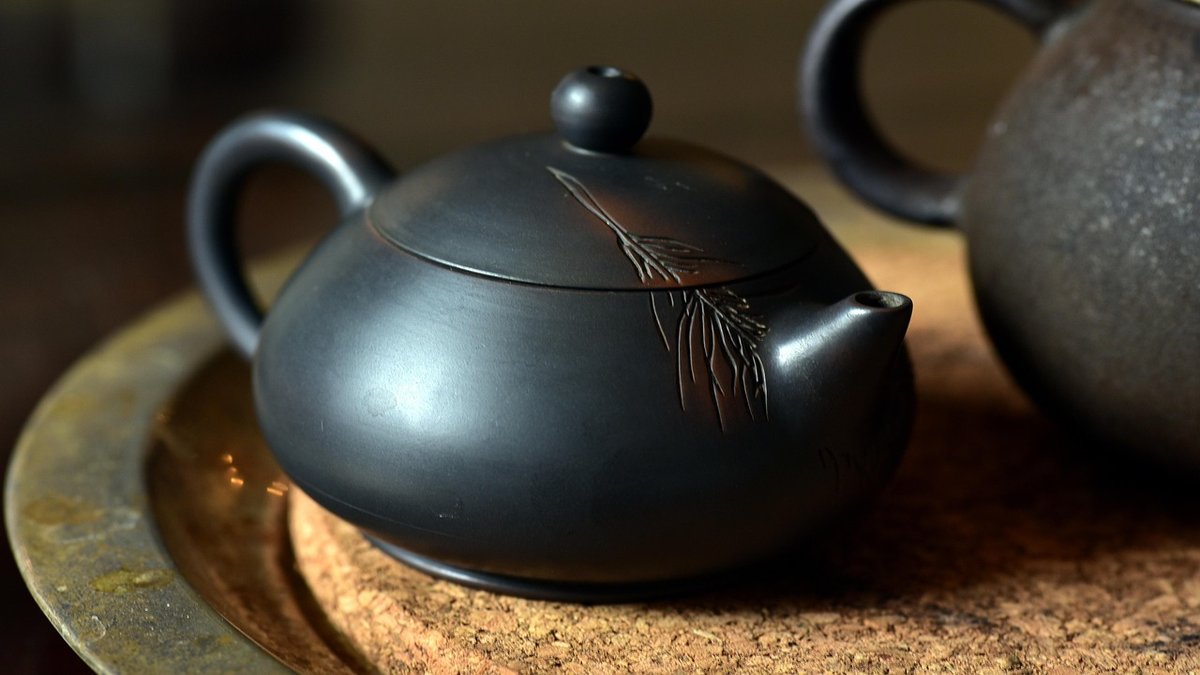
A Yixing teapot is a highly prized Chinese tea vessel, traditionally crafted from unique purple clay (紫砂) found exclusively in the Yixing region of Jiangsu province. These teapots are renowned for their unglazed, porous nature, which allows them to absorb the aromas and flavors of the tea brewed within them. The significance of Yixing teapots is evident in their availability through specialized vendors, such as Fook Ming Tong's Yixing Artisan Purple Clay Teapot Series, which offers a range of these esteemed vessels Fook Ming Tong's Yixing Artisan Purple Clay Teapot Series.
Seasoning, also known as "opening" or "nurturing" the teapot, is a vital preparatory process that prepares the new clay for optimal tea brewing. This initial treatment is crucial because it helps to remove any residual dust, impurities, or faint earthy smells from the manufacturing process, which could otherwise affect the taste of the tea. More importantly, seasoning initiates the teapot's ability to absorb the oils and flavors from the tea, a characteristic unique to Yixing clay. Over time, this absorption creates a "memory" within the teapot, causing it to enhance the flavor of subsequent brews of the same tea type. A well-seasoned teapot eventually develops a distinct, beautiful luster or sheen, often referred to as a "patina," which is highly valued by tea connoisseurs. This patina is a visual testament to the teapot's journey and its deepening connection to the tea it brews. Without proper seasoning, a new Yixing teapot may not fully deliver the rich, nuanced flavors it is capable of, and its surface may remain dull, failing to develop the admired sheen that signifies a well-loved and well-used vessel. The process is not merely a cleaning routine; it is an initiation into a long-term relationship between the tea, the teapot, and the tea drinker.
The Unique Properties of Yixing Clay
Yixing clay, particularly purple clay (紫砂), is celebrated for its unique mineral composition and porous structure. This porosity allows the teapot to "breathe," regulating temperature and enhancing the tea's aroma. Unlike glazed teapots, Yixing clay interacts directly with the tea, absorbing its essence. This absorption is what makes seasoning so critical; it's the foundation for building the teapot's character and improving its brewing performance over years of use. For example, teapots made from original ore purple clay, like the 'Yixing Pure Hand-Made Original Ore Purple Clay Three Stars High Shine Dragon Head Dragon Handle Square Teapot,' are specifically chosen for their quality and ability to season beautifully Suning News on Yixing Purple Clay Teapots. The material provides good heat resistance and corrosion resistance, which contributes to its longevity and ability to impart a smooth, delicate feel to the tea.
The Aesthetic and Functional Benefits of Patina
The patina developed through seasoning is more than just a surface shine; it's a living record of the teapot's use. As tea oils seep into the clay, the teapot's color deepens and its surface gains a soft, natural luster. This transformation is highly prized, as it signifies a teapot that has been cared for and used extensively. Functionally, a seasoned teapot is believed to round out the flavor of the tea, making it smoother and more mellow. The accumulated tea essence within the clay acts as a natural filter, subtly enhancing the tea's profile. This makes the ritual of seasoning an essential step in unlocking the full potential of a Yixing teapot, turning it into a personalized tea-brewing instrument.
How Do You Prepare a New Yixing Teapot for First Use?
Preparing a new Yixing teapot for its first use begins with a thorough cleaning to ensure all manufacturing residues, dust, and any subtle earthy odors are completely removed. This initial preparation is fundamental to the seasoning process, setting the stage for the teapot to properly absorb tea flavors without interference. Many Yixing teapots, such as the 'Yixing Pure Hand-Made Small Teapot Set for Single Person with Teacups and Ball Hole Zhuni Purple Clay Teapot,' are entirely handcrafted, meaning they require careful handling during this initial cleaning phase to preserve their delicate artistry and integrity Suning News on Yixing Purple Clay Teapots. The attention to detail in their creation, from their exquisite and compact design to their durable ceramic material, underscores the importance of a meticulous first cleaning.
The teapot should be rinsed thoroughly with warm water, both inside and out. This helps to dislodge any loose particles from the clay's pores. It's crucial to ensure that every part of the teapot, including the lid, handle, and spout, receives adequate rinsing. Some tea masters suggest a gentle scrub with a soft, clean cloth or brush, specifically designed for teaware, to carefully clean the inner surfaces and remove any lingering dust. However, it is absolutely vital to avoid using any harsh detergents, soaps, or abrasive cleaners. These substances can penetrate the porous clay, leaving behind chemical residues that will permanently alter the taste of your tea and prevent proper seasoning. The beauty of Yixing clay lies in its natural ability to absorb and retain tea essence, and introducing foreign chemicals would compromise this unique property. Therefore, the cleaning process should rely solely on warm water and gentle mechanical action. This initial step is more than just cleaning; it's about respecting the natural material and preparing it for its lifelong purpose of brewing exquisite tea.
Initial Rinse and Inspection
Upon acquiring a new Yixing teapot, the very first step is a thorough visual inspection and a basic rinse. Examine the teapot for any visible dust or loose clay particles, especially within the spout and around the lid's seating area. Then, fill the teapot with warm, not boiling, water and let it sit for a few minutes. Pour out the water and repeat this process several times. For the exterior, you can gently wipe it down with a damp, soft cloth. This initial rinse removes surface impurities and helps the clay begin to open up. For example, the 'Three-Dimensional Craftsman Yixing Pure Hand-Made Teapot' is made from carefully selected high-quality purple clay, and its exquisite craftsmanship means it should be handled with care during this cleaning stage Suning News on Yixing Purple Clay Teapots.
Why Avoid Detergents
The porous nature of Yixing clay is what makes it so special for tea brewing, allowing it to develop a unique character over time. However, this same porosity means that the clay can easily absorb detergents and soaps. Once absorbed, these chemicals are nearly impossible to remove completely and will forever impart an unpleasant taste to your tea, effectively ruining the teapot's ability to be properly seasoned. Therefore, the cardinal rule of Yixing teapot care is: never use soap. Relying solely on water and gentle physical cleaning methods ensures that the clay remains pure and ready to bond with the tea. This purity is what allows a teapot like the 'Yixing Pure Hand-Made Zhou Ting Purple Clay Teapot,' crafted with meticulous artisan skill, to truly shine after seasoning Suning News on Yixing Purple Clay Teapots.
Disassembly for Cleaning
For many Yixing teapots, the lid can be removed, and sometimes the filter screen if it's a removable type. This allows for a more thorough cleaning of all internal surfaces. Carefully remove the lid and rinse it separately. If the teapot has a removable filter, gently take it out and clean it as well. Reassemble the teapot after all parts have been thoroughly rinsed and inspected. This meticulous approach ensures that no part of the teapot harbors any unwanted residues before the more intensive seasoning steps begin.
What is the Boiling Method for Seasoning a Yixing Teapot?
The boiling method is a traditional and highly effective way to further cleanse a new Yixing teapot and prepare it for seasoning, specifically designed to remove any lingering earthy odors or fine clay dust that a simple rinse might miss. This process involves submerging the teapot in water and bringing it to a gentle boil for a specific duration. For example, Yixing teapots made from high-quality purple clay, like the 'Yixing Pure Hand-Made Original Ore Purple Clay Three Stars High Shine Dragon Head Dragon Handle Square Teapot,' benefit from this method to ensure their inherent material purity is maintained before tea brewing begins Suning News on Yixing Purple Clay Teapots. The material of this teapot, known for its good heat and corrosion resistance, is well-suited to withstand this gentle boiling process.
To execute the boiling method, select a large pot, preferably one that you do not use for cooking food, to avoid transferring food odors to your teapot. Place a clean cloth at the bottom of the pot to prevent the teapot from directly touching the pot's surface, which could cause chipping or cracking during boiling. Carefully place the Yixing teapot and its lid into the pot, ensuring they are fully submerged in water. The water should cover the teapot by at least an inch or two. Bring the water to a gentle boil over low to medium heat. Avoid a rapid, aggressive boil, which could cause the teapot to clatter against the pot or other items, potentially causing damage. Allow the teapot to simmer gently for approximately 30 minutes to an hour. Some tea masters recommend boiling for a longer duration, up to several hours, for very new or particularly earthy-smelling teapots. After the boiling time is complete, turn off the heat and allow the teapot to cool completely in the water. It is crucial not to remove the hot teapot from the water too quickly, as rapid temperature changes can stress the clay and potentially lead to cracking. Once the water has cooled to room temperature, carefully remove the teapot and rinse it with clean water. This boiling process effectively opens the pores of the clay, releasing any trapped impurities and preparing the surface for better tea absorption in subsequent steps.
Preparing the Boiling Vessel
Before boiling your Yixing teapot, choose a pot large enough to fully submerge the teapot and its lid without them touching each other or the sides too forcefully. Place a clean, soft cloth on the bottom of the pot. This acts as a cushion, preventing direct contact between the teapot and the hard surface of the boiling pot, thus minimizing the risk of damage. Ensure the pot is free from any food residues or strong odors that could transfer to the porous Yixing clay.
The Boiling Process
Once the teapot and lid are carefully placed in the cloth-lined pot, fill it with clean water, ensuring both pieces are completely submerged. Bring the water to a gentle simmer, not a rolling boil. The goal is to gradually heat the clay, allowing impurities to leach out slowly. Maintaining a gentle boil for 30 to 60 minutes is generally sufficient for most new teapots. For example, a pure handcrafted teapot, like the 'Three-Dimensional Craftsman Yixing Pure Hand-Made Teapot' available for ¥287.00, benefits from this careful boiling to ensure its material is perfectly prepared for brewing Suning News on Yixing Purple Clay Teapots. This process helps to consolidate the clay and remove any final manufacturing traces.
Cooling and Rinsing
After the boiling period, turn off the heat and allow the teapot to cool completely within the water. This slow cooling process is vital for the integrity of the clay, preventing thermal shock that could lead to cracks. Once the water is cool, carefully remove the teapot and lid. Rinse them thoroughly under warm running water to wash away any released impurities. At this stage, the teapot should feel cleaner and may have a slightly more refined texture, ready for the next phase of seasoning.
How to 'Bathe' Your Teapot with Tea Leaves?
The "tea bathing" step is a critical part of seasoning a Yixing teapot, where the teapot is steeped in a bath of the specific type of tea it will be dedicated to. This process is designed to infuse the clay with the essence of its chosen tea, further preparing it for optimal brewing and enhancing its ability to "remember" and develop the tea's flavor. For handcrafted teapots made from original ore, such as the 'Yixing Pure Hand-Made Original Ore Purple Clay Teapot,' this step is particularly important as it allows the pure clay to fully absorb the characteristics of the tea Suning News on Yixing Purple Clay Teapots. These teapots, known for their pure material and smooth pouring, benefit immensely from this intimate introduction to their designated tea.
To perform the tea bath, select the tea leaves that you intend to brew regularly in your Yixing teapot. It is essential to dedicate a Yixing teapot to one type or category of tea (e.g., raw Puerh, roasted Oolong, black tea) because the clay absorbs and retains the tea's flavor. Using different teas in the same teapot would mix flavors and diminish the teapot's ability to enhance a specific tea. Place a generous amount of these tea leaves into a clean, large pot (again, preferably one not used for food). Carefully place your Yixing teapot and its lid into the pot, ensuring they are positioned to avoid direct contact with the bottom or sides, perhaps using a clean cloth as a buffer. Cover the teapot and tea leaves with water, making sure the teapot is fully submerged. Bring the water to a gentle simmer, allowing the tea leaves to steep and release their essence into the water, which the teapot will then absorb. Simmer gently for approximately 1 to 2 hours. This extended steeping period allows the porous clay to deeply absorb the tea's oils, aromas, and pigments. After simmering, turn off the heat and allow the teapot to cool completely in the tea bath. This slow cooling ensures maximum absorption and prevents thermal shock. Once cooled, remove the teapot, rinse it thoroughly with clean, warm water (no soap!), and let it air dry. This tea bath helps to 'marry' the teapot with its intended tea, creating a foundational layer of flavor memory that will continue to build with every subsequent brew. This step is fundamental for achieving the nuanced and enriched tea experience that Yixing teapots are famous for.
Choosing the Right Tea for Your Teapot
The decision to dedicate a Yixing teapot to a specific type of tea is paramount. Due to the clay's porous nature, it will absorb the flavors of the tea brewed within it. If you brew different types of tea in the same pot, the accumulated flavors will clash, resulting in a muddled taste. Therefore, choose the tea you intend to use most often in your new Yixing teapot – whether it's a specific type of Oolong, a particular grade of Puerh, or a certain black tea. This dedication ensures the teapot develops a consistent and complementary flavor profile. For instance, if you have a teapot made from Zhuni clay, like the 'Kaisweijia Yixing Pure Hand-Made Teapot with Big Red Robe Clay,' you would ideally season it with Oolong or black teas that complement Zhuni's characteristics Suning News on Yixing Purple Clay Teapots.
The Tea Bath Procedure
Similar to the boiling method, place a clean cloth at the bottom of a non-food-grade pot. Add a generous amount of your chosen tea leaves. The quantity should be enough to create a strong infusion when steeped. Carefully place the Yixing teapot and lid into the pot, ensuring they are protected from direct contact with the pot's surface. Fill the pot with water, ensuring the teapot is fully submerged. Bring the water to a gentle simmer and maintain it for 1 to 2 hours. This extended steeping time allows the tea's essence to penetrate deeply into the clay's pores. The 'Three-Dimensional Craftsman Yixing Master Li Xiaolu Pure Hand-Made Original Ore Pot 270cc Purple Clay Teapot,' crafted from Yixing Huanglongshan original ore purple clay, would benefit greatly from this deep infusion, preparing its 270cc capacity for rich brewing experiences Suning News on Yixing Purple Clay Teapots.
Post-Bath Care
After the tea bath, turn off the heat and let the teapot cool down completely in the infused tea water. This slow cooling maximizes the absorption of tea compounds. Once cool, remove the teapot and rinse it thoroughly with clean, warm water. Do not use soap. Gently wipe the exterior with a soft cloth and allow the teapot to air dry completely. At this point, the teapot should have absorbed a foundational layer of its dedicated tea's essence, beginning its journey towards becoming a truly seasoned and responsive brewing tool.
What is the Process of Daily Seasoning and Maintenance?
Daily seasoning and maintenance are continuous processes that occur naturally through the regular use of your Yixing teapot. This ongoing care is what truly develops the teapot's character, enhances its performance, and cultivates the coveted patina over time. It is in these daily rituals that the teapot truly comes alive, becoming a cherished part of the tea brewing experience.
The most effective way to continue seasoning a Yixing teapot is simply through consistent use. Each time you brew tea, the clay absorbs more of the tea's oils and aromas, deepening its flavor memory and enriching its surface. A common practice among tea enthusiasts is to pour hot tea, or even just hot water, over the exterior of the teapot during brewing. This external bathing helps to evenly distribute tea essence across the surface, contributing significantly to the development of a beautiful, lustrous patina. This continuous interaction with hot tea encourages the clay to mature, making the teapot feel smoother and appear more radiant with each passing day. After each use, it is crucial to rinse the teapot thoroughly with hot water, both inside and out. This removes any lingering tea leaves and prevents stale tea from affecting future brews. Immediately after rinsing, wipe the exterior of the teapot with a clean, soft, lint-free cloth. This helps to polish the surface and further enhance the patina.
It is absolutely paramount to never use soap or any form of detergent when cleaning a Yixing teapot. As previously mentioned, the porous nature of the clay means it will absorb these chemicals, which are then impossible to remove and will permanently impart an undesirable taste to your tea, effectively destroying the seasoning you've worked to build. The beauty of Yixing teapots lies in their natural absorption, and chemical cleaners would strip away the accumulated tea oils and ruin this unique property. After rinsing and wiping, allow the teapot to air dry completely, preferably with the lid slightly ajar or removed, to ensure proper air circulation and prevent any musty odors from developing. Store the teapot in a clean, well-ventilated space, away from strong odors, to preserve its pure tea essence. Consistent, gentle care through daily use and proper cleaning ensures that your Yixing teapot continues to evolve, offering increasingly rich and satisfying tea experiences for years to come.
The Art of External Rinsing
During a tea session, it is common practice to pour a portion of the hot tea, or just hot water, over the exterior of the Yixing teapot. This ritual, often called "bathing the pot," serves multiple purposes. It helps to maintain an even temperature for the teapot, which can subtly influence the brewing process. More importantly, it consistently exposes the exterior clay to tea oils, accelerating the development of the patina. This continuous interaction helps to deepen the color and enhance the luster of the teapot's surface. For example, a teapot like the 'Yixing Pure Hand-Made Original Ore Purple Clay Teapot,' with its pure material, will visibly transform and gain a deeper sheen through this consistent external rinsing Suning News on Yixing Purple Clay Teapots.
Post-Brewing Cleaning
Immediately after brewing, discard all used tea leaves from the teapot. Rinse the interior thoroughly with hot water. Use a soft brush or your finger to gently clean any tea residue from the inside, especially around the spout and filter holes. Do not use any abrasive tools. For the exterior, rinse it under hot water and then gently wipe it with a clean, soft cloth. This helps to remove any tea stains and polish the surface. It’s important to remember that the goal is to remove residue without stripping the accumulated tea essence from the clay. For more details, see Fook Ming Tong's Yixing Artisan Purple Clay Teapot Series.
Drying and Storage
After cleaning, allow the Yixing teapot to air dry completely before storing. It is best to leave the lid slightly ajar or removed to ensure proper air circulation, preventing moisture buildup and the development of mildew or musty odors. Store the teapot in a clean, dry place, away from strong smells that could be absorbed by the porous clay. Many tea enthusiasts have dedicated display cabinets or shelves for their Yixing teapots, allowing them to breathe while also showcasing their evolving beauty. Proper drying and storage are critical to maintaining the teapot's hygiene and preserving its seasoned state.
Are There Specific Yixing Teapots Recommended for Beginners?
For individuals new to the world of Yixing teapots, selecting the right piece can significantly impact their initial experience and the success of their seasoning journey. While all Yixing teapots benefit from proper care, beginners might prefer simpler, more robust designs that are forgiving of minor handling mistakes and easier to maintain. Several accessible options are available, reflecting a range of craftsmanship and materials.
For example, the 'Three-Dimensional Craftsman Yixing Pure Hand-Made Teapot' is a good starting point, available for ¥287.00 Suning News on Yixing Purple Clay Teapots. This teapot is described as being made from selected high-quality purple clay, crafted purely by hand, and designed with a unique round corner for safer and more convenient use. Its balance of quality craftsmanship and user-friendly design makes it suitable for those learning the ropes of Yixing teapot care. Another option for beginners, particularly those looking for a slightly more refined yet still approachable piece, is the 'Three-Dimensional Craftsman Yixing Master Li Xiaolu Pure Hand-Made Original Ore Pot 270cc Purple Clay Teapot,' priced at ¥867.00 Suning News on Yixing Purple Clay Teapots. This teapot is made from Yixing Huanglongshan original ore purple clay, handcrafted with attention to detail, featuring a smooth spout and a comfortable handle design. Its 270cc capacity is a versatile size for individual or small group brewing.
When choosing a teapot, consider those made from common and well-regarded clays like Zini (紫泥, purple clay) or Zhuni (朱泥, cinnabar clay). These clays are known for their good heat retention and ability to develop a beautiful patina over time. Zini is often more robust and less prone to cracking from temperature changes, making it a forgiving choice for beginners. Zhuni, while producing a stunning red hue and excellent aroma enhancement, can be more delicate due to its higher shrinkage rate during firing. A 'Yixing Pure Hand-Made Zhou Ting Purple Clay Teapot,' listed at ¥266.28, represents another accessible option for beginners, offering genuine Yixing original ore purple clay and handmade quality Suning News on Yixing Purple Clay Teapots. These teapots provide an excellent foundation for learning the art of Yixing teapot seasoning and brewing without requiring an immediate significant investment in a rare or highly delicate piece. Focus on functionality, comfortable handling, and a reputable source, such as those listed in the Yixing Artisan Purple Clay Teapot Series, to ensure you start your journey with a quality vessel Fook Ming Tong's Yixing Artisan Purple Clay Teapot Series.
Understanding Different Yixing Clays
Yixing clay comes in several varieties, each with distinct characteristics. Zini (purple clay) is the most common and versatile, often recommended for beginners due to its durability and ability to pair well with a wide range of teas. Zhuni (cinnabar clay) is known for its vibrant red color and fine texture, often favored for Oolongs and Puerh teas, but it can be more delicate. Duan Ni (green clay) offers unique aesthetics. For beginners, a Zini teapot, like the 'Three-Dimensional Craftsman Yixing Pure Hand-Made Teapot' at ¥287.00, offers a reliable and sturdy option for learning the basics of seasoning and brewing Suning News on Yixing Purple Clay Teapots.
Price and Accessibility
While some Yixing teapots can be very expensive, many affordable and high-quality options exist for beginners. The 'Yixing Pure Hand-Made Zhou Ting Purple Clay Teapot' at ¥266.28 is an example of an entry-level teapot that still offers genuine Yixing clay and handmade craftsmanship Suning News on Yixing Purple Clay Teapots. Investing in a moderately priced teapot allows beginners to practice seasoning and brewing techniques without the pressure of handling a highly valuable or rare piece. The focus should be on learning and enjoying the process.
Form and Function for New Users
For a beginner, a teapot with a classic, sturdy form is often preferable. Look for teapots with a comfortable handle, a smooth-pouring spout, and a well-fitting lid. Simpler designs are generally easier to clean and less prone to accidental damage. The 'Three-Dimensional Craftsman Yixing Master Li Xiaolu Pure Hand-Made Original Ore Pot 270cc Purple Clay Teapot' is a good example, offering a comfortable handle and smooth spout, making it pleasant to use for newcomers Suning News on Yixing Purple Clay Teapots. Its 270cc capacity is also a practical size for personal enjoyment.
Expert Perspectives on Tea Brewing Vessels
While our primary focus is on Yixing teapots, it is valuable to consider broader expert perspectives on tea brewing vessels, as the principles of care and appreciation often overlap. Understanding the general wisdom surrounding traditional tea equipment can provide context for the specific methods applied to Yixing teapots. For instance, the renowned writer Lu Xun, in his essay "Drinking Tea," famously stated, "Drinking good tea requires the use of a gaiwan" (translated from Chinese) Ipucha.com on Tea Brewing Tips. This highlights the importance of the brewing vessel in achieving an optimal tea experience, a sentiment that resonates deeply with Yixing teapot enthusiasts.
The gaiwan, often called a "three-talents bowl" (三才碗) because its lid represents heaven, its bowl represents humanity, and its saucer represents earth, is a versatile brewing tool. The "Chinese Tea Dictionary" defines the gaiwan as "a drinking vessel, mostly ceramic. It comes with a lid on top and a tray below, with the tray providing insulation for easy handling" (translated from Chinese) Ipucha.com on Tea Brewing Tips. This definition, while specific to gaiwans, underscores the functional and symbolic importance of traditional tea vessels. Both gaiwans and Yixing teapots are designed to enhance the tea experience, albeit through different mechanisms. A well-designed gaiwan with a wide rim and a high knob helps prevent scalding during brewing, allowing for a more comfortable and elegant pouring experience. Similarly, the thoughtful design of a Yixing teapot, from its material to its form, contributes to its functional excellence and aesthetic appeal. The expertise applied to crafting and using a gaiwan—such as understanding how the gap between the lid and bowl affects pouring, or how filling it eight-tenths full can prevent overheating for new users—reflects a broader appreciation for the nuances of tea preparation. These detailed considerations in gaiwan use, focused on practical handling and optimizing the brew, parallel the meticulous care and specific methods required for seasoning and maintaining a Yixing teapot. Both types of vessels, though distinct in material and specific use, share the common goal of elevating the tea drinking ritual through thoughtful design and proper technique.
The Role of the Brewing Vessel
Whether it's a Yixing teapot or a gaiwan, the brewing vessel plays a central role in the tea experience. It's not just a container; it's an active participant in the infusion process. The material, shape, and even the way it's handled can significantly influence the tea's aroma, flavor, and temperature. The sentiment that "Drinking good tea requires the use of a gaiwan" (translated from Chinese) from Lu Xun emphasizes this fundamental principle, extending to the specialized properties of Yixing clay Ipucha.com on Tea Brewing Tips.
Design and Functionality
The design details of a tea vessel are crucial for both functionality and comfort. For gaiwans, features like a wide rim and a high lid knob are important for preventing burns and ensuring a smooth pour. Similarly, Yixing teapots are designed with specific spout shapes for optimal flow, comfortable handles, and lids that fit perfectly to seal in aroma. These design considerations, whether for a gaiwan or a Yixing teapot, aim to create a harmonious and effective brewing tool. For instance, the 'Yixing Pure Hand-Made Original Ore Purple Clay Teapot' is highlighted for its smooth spout and comfortable handle, indicating careful ergonomic design Suning News on Yixing Purple Clay Teapots.
The Ritual of Tea Preparation
Beyond mere function, tea brewing is a ritual. The careful selection of a vessel, its preparation, and the method of brewing all contribute to the overall experience. The concept of the gaiwan as a "three-talents bowl"—representing heaven, humanity, and earth—underscores this ritualistic aspect. This symbolic depth is also present in the care given to Yixing teapots, where seasoning transforms a simple clay vessel into a personalized tool that embodies the tea journey. The definition in the "Chinese Tea Dictionary" of the gaiwan as a "drinking vessel... with the tray providing insulation for easy handling" (translated from Chinese) points to the practical elements that enhance the ritual Ipucha.com on Tea Brewing Tips.
How to Avoid Common Mistakes When Seasoning a Yixing Teapot?
Avoiding common mistakes during the seasoning process is as crucial as following the correct steps, ensuring your Yixing teapot develops its full potential without being compromised. The porous nature of Yixing clay, while beneficial for absorbing tea essence, also makes it vulnerable to absorbing unwanted substances. Therefore, diligence and adherence to specific practices are paramount.
One of the most significant mistakes to avoid is using any form of soap, detergent, or abrasive cleaner on your Yixing teapot at any stage of its life, including seasoning and daily maintenance. The clay will absorb these chemicals, and once absorbed, they are virtually impossible to remove. This will permanently taint your tea with an unpleasant flavor, rendering the teapot unusable for proper tea brewing and ruining its ability to be seasoned with tea essence. Even during the initial cleaning, stick to warm water and a soft cloth or brush. Another common error is subjecting the teapot to rapid temperature changes. For instance, immediately removing a hot teapot from boiling water and exposing it to cold air or rinsing it with cold water can cause thermal shock, leading to cracks in the clay. Always allow the teapot to cool naturally with the water it was boiled or steeped in. Over-boiling for excessively long periods without proper cushioning in the pot can also cause damage, as the teapot might knock against the pot, leading to chips or cracks. While initial boiling is good, prolonged, unsupervised, or aggressive boiling should be avoided.
Furthermore, dedicating a Yixing teapot to only one type or category of tea is a fundamental rule. A common mistake for beginners is to brew different types of tea (e.g., green tea one day, Puerh the next) in the same teapot. The clay absorbs the flavors, and mixing teas will result in a muddled, inconsistent taste profile. This defeats the purpose of seasoning, which is to build a distinct flavor memory within the clay for a specific tea. Lastly, ensure proper drying after each use and before storage. Leaving a teapot damp can lead to mold or mildew growth, which can also impart undesirable flavors and odors. Air drying with the lid ajar in a well-ventilated area is essential. By meticulously avoiding these common pitfalls, you can ensure your Yixing teapot is properly seasoned, allowing it to develop a beautiful patina and consistently deliver exceptional tea experiences. For example, even a robust teapot like the 'Yixing Pure Hand-Made Original Ore Purple Clay Teapot' needs careful handling and consistent dedication to one tea type to truly shine Suning News on Yixing Purple Clay Teapots.
The Soap Taboo
The absolute golden rule of Yixing teapot care is to never use soap or detergents. The porous nature of the clay means it will readily absorb these chemicals, which are then impossible to remove and will forever impart an off-flavor to your tea. This is why all cleaning, from the initial preparation to daily maintenance, should only involve warm water and a soft cloth. This ensures the purity of the clay and allows it to properly absorb the tea's essence. This principle applies to all Yixing teapots, including handcrafted ones like the 'Three-Dimensional Craftsman Yixing Pure Hand-Made Teapot' Suning News on Yixing Purple Clay Teapots.
Avoiding Thermal Shock
Yixing clay, while durable, can be sensitive to sudden and extreme temperature changes. Never take a hot teapot and plunge it into cold water, or vice-versa. During the boiling or tea bathing steps, always allow the teapot to cool down gradually with the water it was heated in. This prevents stress on the clay structure, which could lead to hairline cracks or even breakage. For example, the 'Yixing Pure Hand-Made Zhou Ting Purple Clay Teapot,' crafted with artisan skill, requires careful handling to preserve its integrity Suning News on Yixing Purple Clay Teapots.
Dedication to One Tea
A Yixing teapot should ideally be dedicated to brewing only one type or category of tea. This allows the clay to absorb and concentrate the specific flavors of that tea, enhancing future brews. Using different teas in the same pot will lead to a confusing mix of flavors. For instance, if you use your 'Kaisweijia Yixing Pure Hand-Made Teapot with Big Red Robe Clay' for Big Red Robe Oolong, stick to that tea to build a consistent and rich flavor profile Suning News on Yixing Purple Clay Teapots. This dedication is key to developing a truly seasoned and specialized brewing tool.
Frequently Asked Questions
How often should I season my Yixing teapot?
The initial seasoning process, involving cleaning, boiling, and tea bathing, is typically done once when you first acquire a new Yixing teapot. After this initial preparation, the seasoning continues naturally through daily use. Each time you brew tea in the pot, the clay absorbs more tea essence, contributing to its ongoing seasoning and the development of its patina. For example, a 'Three-Dimensional Craftsman Yixing Pure Hand-Made Teapot,' priced at ¥287.00, will continue to season and improve with consistent use over time Suning News on Yixing Purple Clay Teapots.
Can I use different types of tea in one Yixing teapot?
It is strongly recommended to dedicate a Yixing teapot to only one type or category of tea. The porous clay absorbs the flavors and aromas of the tea brewed within it. If you use different types of tea, the accumulated flavors will mix and clash, leading to a muddled and unpleasant taste. This dedication ensures the teapot develops a consistent and enhanced flavor profile for its specific tea. For instance, if you have a 'Yixing Pure Hand-Made Zhou Ting Purple Clay Teapot' (¥266.28), choose one tea, like a specific black tea or Puerh, and stick with it Suning News on Yixing Purple Clay Teapots.
What kind of water should I use for seasoning?
For both the initial boiling and the tea bathing steps, use clean, filtered water. Avoid tap water that may contain high levels of chlorine or other minerals, as these can affect the clay and the tea's flavor. The quality of water is paramount in tea brewing, and this holds true for seasoning a Yixing teapot as well. Using good quality water ensures that the clay absorbs only pure tea essence.
Is it normal for a Yixing teapot to change color after seasoning?
Yes, it is entirely normal and highly desirable for a Yixing teapot to change color and develop a unique luster after seasoning and regular use. This transformation is known as developing a "patina." As the porous clay absorbs tea oils and pigments, its surface deepens in color, becomes smoother, and acquires a natural sheen. This patina is a sign of a well-loved and well-cared-for teapot, enhancing both its aesthetic appeal and its brewing performance. Even a handcrafted teapot made from high-quality purple clay, such as those in the Yixing Artisan Purple Clay Teapot Series, will show this beautiful change Fook Ming Tong's Yixing Artisan Purple Clay Teapot Series.
How do I clean a Yixing teapot without ruining its seasoning?
To clean a Yixing teapot without ruining its seasoning, always use only hot water. After each use, discard the tea leaves, rinse the interior and exterior thoroughly with hot water, and gently wipe the exterior with a clean, soft, lint-free cloth. Never use soap, detergents, or abrasive cleaners, as these will strip away the accumulated tea oils and absorb into the porous clay, permanently altering the tea's flavor. Allow the teapot to air dry completely with the lid ajar before storing. A teapot like the 'Three-Dimensional Craftsman Yixing Master Li Xiaolu Pure Hand-Made Original Ore Pot 270cc Purple Clay Teapot' requires this gentle, soap-free cleaning to preserve its accumulated essence Suning News on Yixing Purple Clay Teapots.
Sources
- https://www.fookmingtong.com/zh-hans/collections/%E5%AE%9C%E8%88%88%E5%90%8D%E5%AE%B6%E7%B4%AB%E7%A0%82%E5%A3%BA%E7%B3%BB%E5%88%97?srsltid=AfmBOooEN41qjvT2M8qjDzhHX4Pt6883I58OUijQdq751JuJXFmaeWRR
- https://news.suning.com/m/wtoutiao/bcdetail/9823866397.html
- https://m.ipucha.com/show-172-1260.html
Related Reading
- Best Yixing Teapots for Beginners
- Yixing Teapots: How to Choose, Season, and Use Zisha Clay
- Gaiwan Brewing: The Universal Chinese Tea Method
- How to Spot a Fake Yixing Teapot
- Gongfu Brewing: The Chinese Method That Transforms How Tea Tastes
— The Tea Atlas Team