Yixing Zixha Teapots: Clay Types and What to Buy
- Yixing Zisha teapots are highly valued, with some artisan series available for free overseas shipping on orders above HK$2,500 (approximately $320 USD) from Fook Ming Tong.
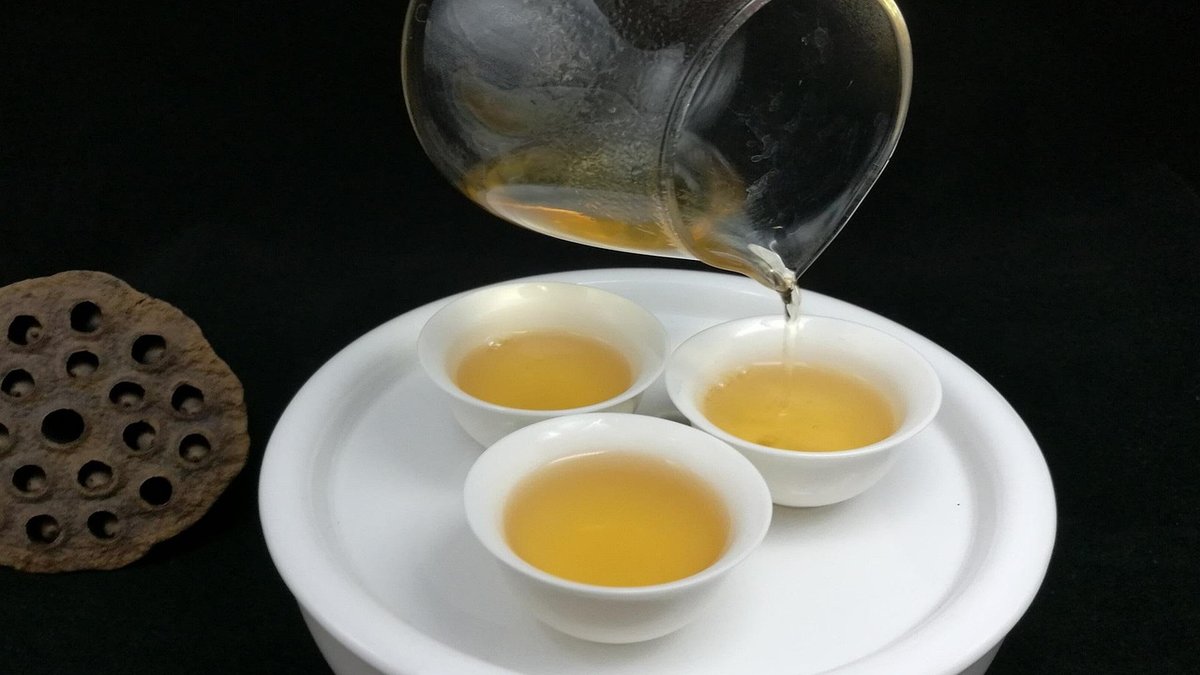
Last updated: April 2026
Affiliate Disclosure: We may earn a commission when you purchase through our links. This does not affect our editorial independence.
Quick Answer
- Yixing Zisha teapots are highly valued, with some artisan series available for free overseas shipping on orders above HK$2,500 (approximately $320 USD) from Fook Ming Tong.
- Popular clay types include Zini (purple clay), Zhuni (cinnabar clay), and Dahongpao (big red robe clay), with many teapots being 100% handmade.
- The Sanwei Gongjiang Yixing pure handmade teapot, made from original mine purple clay, is noted for its exquisite craftsmanship and unique rounded corner design, priced at ¥287.00.
- The "San Cai" or "Three Talents" concept, represented by the lid (heaven), bowl (human), and saucer (earth), is often associated with traditional Chinese tea ware like gaiwan, which share design principles with some Yixing teapots.
Yixing Zisha teapots are highly prized in the world of Chinese tea culture, celebrated for their unique clay, artisanal craftsmanship, and the way they enhance the tea-drinking experience. These teapots, originating from Yixing, China, are crafted from special purple clays like Zini, Zhuni, and Dahongpao, each offering distinct characteristics that influence both the aesthetics and the brewing performance. Many of these teapots are entirely handmade, reflecting centuries of tradition and skill. For example, a pure handmade Yixing teapot set with a small teapot and teacups, made from Zhuni clay, is highlighted for its delicate and practical design, offering a comfortable and pleasant tea-tasting experience Suning's Top 10 Yixing Zisha Teapot Recommendations. When purchasing, tea lovers often look for specific features such as smooth pouring, comfortable grip, and the authenticity of the original mine clay. The intricate details, whether a unique shape or exquisite carving, contribute to the teapot's appeal and functionality.
What Makes Yixing Zisha Teapots Unique?
Yixing Zisha teapots stand apart in the world of tea ware due to their distinct material, traditional craftsmanship, and the transformative effect they have on tea. These teapots are made from a specific type of purple clay, known as Zisha, found exclusively in the Yixing region of Jiangsu province, China. This clay is renowned for its unique porous structure, which allows the teapot to absorb the tea's aroma and flavor over time, creating a seasoned surface that enhances subsequent brews. This "seasoning" process is a hallmark of Yixing teapots, making each pot a personal vessel that evolves with its owner's tea preferences.
The artistry involved in creating Yixing teapots is another key factor in their uniqueness. Many of these teapots are 100% handmade, a testament to the skill and dedication of Yixing artisans. This manual process ensures that each teapot is not just a functional item but a piece of art, often featuring intricate designs, delicate carvings, and perfectly balanced forms. The craftsmanship extends to every detail, from the smooth flow of water from the spout to the comfortable feel of the handle. For example, a pure handmade Yixing teapot set with a small teapot and teacups is described as exquisitely small and practical, highlighting the comfort and enjoyment it brings to the tea-drinking experience Suning's Top 10 Yixing Zisha Teapot Recommendations. This meticulous attention to detail ensures that each teapot offers both aesthetic beauty and superior functionality.
The cultural significance of Yixing teapots also contributes to their unique status. They are not merely containers for brewing tea; they are cherished objects that embody a rich history and philosophy. The act of choosing, using, and caring for an Yixing teapot is an integral part of the traditional Chinese tea ceremony, fostering a deeper connection between the tea drinker and their practice. This blend of material science, artistic expression, and cultural heritage makes Yixing Zisha teapots truly unique and highly sought after by tea enthusiasts worldwide.
The Special Properties of Zisha Clay
Zisha clay is not a single type but a family of clays, each with distinct mineral compositions and firing characteristics. What makes Zisha clay special is its double-pore structure, which allows it to breathe while retaining heat effectively. This porosity means that, unlike glazed porcelain, Yixing teapots are unglazed, enabling them to absorb and retain the essence of the tea brewed within them. Over time, this absorption creates a patina, known as "bao浆" (bao jiang), which is a lustrous sheen that develops on the teapot's surface. This patina is highly valued, as it signifies a well-used and cared-for pot that has seasoned beautifully.
The heat retention properties of Zisha clay are another critical aspect. The clay's ability to maintain a stable temperature during brewing is ideal for extracting the complex flavors and aromas of various teas, particularly darker oolongs and Pu-erh teas. The natural minerals present in the clay are also believed by some to interact with the tea, subtly enhancing its taste and mouthfeel. This synergy between the clay and the tea is what makes the Yixing teapot an indispensable tool for serious tea connoisseurs, offering a brewing experience that cannot be replicated by other materials.
Furthermore, the clay's natural colors, ranging from purples and browns to reds and yellows, come from different mineral content, eliminating the need for artificial coloring. These natural hues deepen and become richer with use, adding to the teapot's aesthetic appeal. This combination of porosity, heat retention, mineral interaction, and natural beauty makes Zisha clay truly exceptional and the foundation of the Yixing teapot's unique character.
Artisan Craftsmanship and Tradition
The tradition of Yixing teapot making dates back centuries, with techniques passed down through generations of skilled artisans. Each teapot is typically shaped by hand, using a combination of traditional tools and techniques such as patting, scraping, and carving. This hand-making process allows for a level of precision and artistry that machine production cannot achieve. Artisans carefully select and prepare the clay, paying close attention to its texture and consistency, which will ultimately affect the teapot's feel and performance.
The artistic expression in Yixing teapots is diverse, encompassing a wide range of shapes, sizes, and decorative motifs. Some teapots feature minimalist, elegant forms, while others are adorned with intricate carvings of dragons, phoenixes, or natural scenes. The balance and harmony of the teapot's components—the body, spout, handle, and lid—are meticulously crafted to ensure both aesthetic appeal and ergonomic functionality. For instance, the "Sanxing Gaozhao" (Three Stars Shining High) Dragon Handle Purple Clay Teapot, made from original mine Zini, is praised for its unique shape and exquisite carving, depicting a lively and pleasing image Suning's Top 10 Yixing Zisha Teapot Recommendations. This level of dedication to both form and function is a hallmark of Yixing craftsmanship.
Beyond the individual teapot, the artisan's signature or seal (印章, yìnzhāng) is often impressed on the bottom of the pot, serving as a mark of authenticity and quality. This signature connects the teapot directly to its maker, adding to its provenance and value. The continuation of this rich tradition ensures that Yixing teapots remain a vibrant and evolving art form, cherished by collectors and tea lovers alike. The commitment to handmade quality means that while two teapots may appear similar, each possesses subtle variations that make it unique, reflecting the individual touch of the artisan.
What are the Main Types of Yixing Zisha Clay?
Yixing Zisha clay is not a monolithic material but rather a category encompassing several distinct types, each with its own color, texture, and suitability for different teas. The main types of Yixing clay are Zini (purple clay), Zhuni (cinnabar clay), and Dahongpao (big red robe clay). These clays are extracted from different layers of the Huanglongshan mountain in Yixing and undergo varying processing and firing temperatures, which contribute to their unique characteristics. Understanding these differences is crucial for selecting a teapot that best matches one's tea preferences and aesthetic taste.
Zini (Purple Clay)
Zini, meaning "purple clay," is the most common and versatile type of Yixing clay. It is characterized by its purplish-brown to dark brown hues after firing. Zini clay is known for its excellent heat resistance and corrosion resistance, making it a robust and durable material for teapots. Its moderate porosity allows for good seasoning over time, enhancing the flavor of a wide range of teas. Zini teapots are often recommended as a good starting point for those new to Yixing teapots due to their forgiving nature and ability to perform well with various tea types, including Pu-erh, black tea, and darker oolongs.
The texture of Zini clay can vary, from relatively coarse to fine, depending on the specific ore and processing. Teapots made from original mine Zini are highly regarded for their purity and natural qualities. For instance, the "Sanxing Gaozhao" (Three Stars Shining High) Dragon Handle Purple Clay Teapot is crafted from original mine Zini, highlighting its authentic material and the fine texture it achieves Suning's Top 10 Yixing Zisha Teapot Recommendations. This type of clay develops a beautiful luster with prolonged use, reflecting the tea's oils and deepening its color. The versatility and classic appeal of Zini make it a staple in the Yixing teapot tradition.
Many artisans prefer Zini for its workability and the stable results it yields during firing. It allows for a wide range of shapes and designs, from simple, elegant forms to more intricate and sculptural pieces. The earthy tones of Zini teapots also provide a natural backdrop for the vibrant colors of brewed tea, adding to the overall aesthetic experience. Its widespread availability and consistent quality make Zini a popular choice for both everyday use and collectible pieces.
Zhuni (Cinnabar Clay)
Zhuni, or "cinnabar clay," is distinguished by its vibrant reddish-orange color, which intensifies after firing. This clay type is typically found in smaller veins and is known for its high iron content. Zhuni teapots are often smaller in size due to the clay's higher shrinkage rate during firing, which makes it more challenging to work with for larger pieces. Despite the challenges, Zhuni is highly prized for its smooth, fine texture and its ability to produce a particularly lustrous finish with use.
The fine porosity of Zhuni clay makes it excellent for brewing highly aromatic teas, such as certain oolongs and green teas, as it is believed to preserve and enhance their delicate fragrances. It is often recommended for Tie Guan Yin and other high-fragrance teas. A pure handmade Yixing teapot set with a small teapot and teacups, made from Zhuni clay, is described as having a delicate and practical design, offering a comfortable and pleasant tea-tasting experience Suning's Top 10 Yixing Zisha Teapot Recommendations. This fine texture also contributes to a very smooth and refined pouring experience.
Zhuni teapots are highly sought after by collectors due to their striking color, fine texture, and the rarity of the clay. The distinct "ringing" sound when the lid is placed on the pot is often cited as a characteristic of high-quality Zhuni. However, due to its properties, Zhuni requires careful firing and can be more prone to cracking if not handled correctly by experienced artisans. The beauty and performance of a well-crafted Zhuni teapot make it a prized possession for any serious tea enthusiast.
Dahongpao (Big Red Robe Clay)
Dahongpao, meaning "big red robe," is a premium red clay that shares some characteristics with Zhuni but is distinct in its composition and appearance. It is celebrated for its deep, rich red color, which can sometimes have hints of orange or purple. Dahongpao clay is known for its fine grain and smooth texture, similar to Zhuni, but it generally has a slightly lower shrinkage rate, making it somewhat easier to craft into a wider range of shapes. This clay is highly regarded for its ability to develop a beautiful, glossy patina with extended use, often becoming even more radiant over time.
Teapots made from Dahongpao clay are often chosen for brewing robust black teas and certain aged Pu-erhs, as the clay's properties are believed to help mellow the tea and enhance its body. The fine pores of Dahongpao clay contribute to excellent heat retention and a stable brewing environment, allowing the tea's flavors to fully develop. The Kaisweijia Yixing pure handmade teapot, made from high-quality original Dahongpao clay, is noted for its simple, generous shape, smooth lines, and excellent craftsmanship, with a spout that pours smoothly and cleanly Suning's Top 10 Yixing Zisha Teapot Recommendations. This emphasis on smooth pouring and ergonomic design is a common feature in well-made Dahongpao teapots.
Dahongpao clay is considered a premium material due to its aesthetic appeal and favorable brewing properties. Its vibrant red color and refined texture make Dahongpao teapots visually stunning additions to any tea collection. Like Zhuni, it requires skilled craftsmanship to achieve optimal results, as its fine nature demands precise handling during shaping and firing. The combination of its striking appearance, excellent performance, and the prestige associated with its name makes Dahongpao a highly desirable clay type among Yixing teapot enthusiasts.
How Does Clay Type Influence Tea Brewing?
The type of Yixing Zisha clay profoundly influences the tea brewing experience, affecting everything from heat retention and porosity to how the teapot "seasons" and interacts with specific tea varieties. Each clay type has unique physical and chemical properties that make it more suitable for certain teas, ultimately impacting the flavor, aroma, and overall character of the brewed liquor. Understanding these subtle interactions allows tea enthusiasts to select the perfect teapot to maximize their enjoyment of different teas.
Porosity and Tea Seasoning
One of the most significant ways clay type influences brewing is through its porosity. Yixing Zisha clays are known for their double-pore structure, which allows them to breathe. However, the degree of porosity varies among Zini, Zhuni, and Dahongpao. Zini, generally having a more open pore structure, is excellent for absorbing the nuances of tea, leading to a rich seasoning over time. This makes Zini teapots highly adaptable and suitable for a wide range of teas, particularly those with robust flavors like Pu-erh, black teas, and darker oolongs. The larger pores allow for more interaction between the tea and the clay, gradually building up a layer of tea essence within the pot.
Zhuni and Dahongpao, on the other hand, typically have finer, denser pore structures. This reduced porosity means they absorb less of the tea's oils and aromas, making them ideal for teas where preserving delicate fragrances is paramount. For example, highly aromatic oolongs or green teas benefit from Zhuni's ability to retain their delicate notes without significant absorption. The finer pores also contribute to a smoother surface texture, which can affect the mouthfeel of the tea. The choice of clay, therefore, directly impacts how quickly and effectively a teapot becomes "seasoned," and how it influences the tea's profile through this interaction. A teapot with high porosity will "season" more quickly and deeply, while a denser clay will preserve the tea's original character more closely.
The seasoning process is crucial because a well-seasoned Yixing teapot is said to enhance the tea's flavor, making it smoother, richer, and more complex. Some tea masters even claim that a truly well-seasoned pot can brew delicious tea with just hot water, though this is largely anecdotal. The clay's ability to absorb and release tea compounds is a dynamic process, and the specific characteristics of each clay type determine the nature and extent of this interaction.
Heat Retention and Temperature Stability
The heat retention properties of Yixing clays are another critical factor in brewing. Different clay types have varying thermal masses and densities, which influence how quickly they heat up, how long they retain heat, and how consistently they maintain brewing temperature. Zini, with its generally thicker body and moderate density, offers excellent heat retention, making it very suitable for teas that require high brewing temperatures and sustained heat, such as Pu-erh and dark oolongs. The stable temperature helps to fully extract the complex compounds and deep flavors from these teas.
Zhuni and Dahongpao, often used for smaller teapots, also possess good heat retention despite their finer texture. Their density allows them to maintain a consistent temperature, which is beneficial for teas that are sensitive to temperature fluctuations. For instance, brewing delicate oolongs or green teas in a Zhuni pot with stable heat can help to prevent over-extraction and bitterness, while allowing their nuanced aromas to fully develop. The ability of the clay to distribute heat evenly and prevent rapid cooling ensures that the tea leaves are steeped under optimal conditions throughout multiple infusions.
The interplay between the initial brewing temperature and the clay's heat retention capacity determines the extraction rate and the final taste profile. A teapot that retains heat well can lead to a more thorough and consistent extraction, yielding a richer and more satisfying cup of tea. Conversely, a teapot that cools too quickly might result in a weaker brew, especially for teas that benefit from prolonged steeping at higher temperatures. This is why experienced tea drinkers often match their clay type to the specific tea they intend to brew, optimizing the thermal environment for maximum flavor.
Mineral Composition and Flavor Interaction
Beyond porosity and heat retention, the unique mineral composition of each Yixing clay type is believed to subtly interact with the tea, further influencing its flavor. Zisha clays contain various minerals, including iron, quartz, and kaolinite, which impart their characteristic colors and textures. These minerals are thought to contribute to the perceived "sweetness" or "smoothness" of the tea brewed in a Yixing pot. While scientific evidence for direct mineral interaction with tea flavor is still debated, many tea connoisseurs attest to these subtle effects.
For instance, the high iron content in Zhuni clay is often associated with its ability to enhance the aroma of certain oolongs. Some believe that the minerals in Zini can help to mellow the harshness of young Pu-erh teas, integrating their flavors more harmoniously. The specific trace elements present in Dahongpao clay are also thought to contribute to its premium status, providing a unique mouthfeel and depth to the teas brewed within it. These interactions are often described in terms of "活水" (huó shuǐ), or "living water," where the teapot imbues the tea with a certain vitality.
Ultimately, the choice of clay type for a Yixing teapot is a deeply personal one, guided by the types of tea one primarily drinks and the desired brewing characteristics. While Zini offers broad versatility, Zhuni excels with aromatic teas, and Dahongpao provides a premium experience for robust varieties. Experimentation and personal experience are key to discovering how each clay type can best elevate one's tea brewing journey. The nuanced influence of clay on tea brewing is a cornerstone of Yixing teapot appreciation, making the selection of a pot a thoughtful and rewarding process.
What are Some Recommended Yixing Zisha Teapots?
When exploring Yixing Zisha teapots, several models consistently receive high praise for their craftsmanship, material quality, and brewing performance. These recommendations often highlight the use of authentic, original mine clays and meticulous handmade construction, reflecting the rich tradition of Yixing artistry. From versatile everyday pots to collectible artisan pieces, there are options for every tea enthusiast.
Top Recommendations from Suning
Suning, a major Chinese retailer, features a list of highly favored Yixing Zisha teapots, showcasing a range of styles and clay types. These recommendations frequently emphasize pure handmade craftsmanship and the use of original mine materials.
-
Yixing Pure Handmade Small Teapot Set for Home Use with Teacups (Zhuni Clay): This set is praised for its 100% handmade construction and exquisite, compact design. Made from Zhuni clay, it offers both beauty and practicality, promising a comfortable and pleasant tea-tasting experience. Its durable and smooth ceramic material ensures a comfortable feel and long-lasting use Suning's Top 10 Yixing Zisha Teapot Recommendations. This teapot is ideal for single-person use or intimate tea sessions.
-
Yixing Pure Handmade Original Mine Zini "Sanxing Gaozhao" Dragon Handle Square Teapot: This handcrafted Zisha teapot uses high-quality original mine Zini material, known for its good heat and corrosion resistance. It features a delicate and smooth texture. Its unique "Sanxing Gaozhao" (Three Stars Shining High) design with a dragon handle gives it a distinct personality, and the exquisite handmade carving brings the dragon to life, making it visually appealing Suning's Top 10 Yixing Zisha Teapot Recommendations. This teapot is a true work of art, combining traditional symbolism with functional design.
-
Sanwei Gongjiang Yixing Pure Handmade Teapot Set for Home Use (Original Mine Purple Clay): Crafted from selected high-quality original purple clay, this teapot is entirely handmade. Its exquisite craftsmanship results in a refined and beautiful teapot. The unique rounded corner design enhances safety and convenience during use, providing a more comfortable experience Suning's Top 10 Yixing Zisha Teapot Recommendations. This model, priced at ¥287.00, offers a blend of traditional aesthetics and practical features.
-
Yixing Pure Handmade Teapot Set for Home Use (Original Mine Zini): This handmade Zisha teapot is made from pure original mine Zini, featuring a simple yet elegant design. The spout ensures a smooth and clean water flow, making it an excellent choice for daily home use Suning's Top 10 Yixing Zisha Teapot Recommendations. Its straightforward design emphasizes functionality and the natural beauty of the clay.
-
Kaisweijia Yixing Pure Handmade Teapot (Dahongpao Clay): This teapot is crafted from selected high-quality original Dahongpao clay and is entirely handmade. Its overall shape is simple and generous, with smooth lines and fine workmanship. The spout pours smoothly and cleanly, and the ergonomically designed handle provides a comfortable grip Suning's Top 10 Yixing Zisha Teapot Recommendations. This teapot combines premium material with user-friendly design.
-
Sanwei Gongjiang Yixing Pure Handmade Small Teapot (Original Old Zini): Made from original old Zini, this teapot features a simple and generous shape with smooth lines and a comfortable, delicate texture. The pure handmade patterns are beautiful and stylish, adding an elegant touch to any home Suning's Top 10 Yixing Zisha Teapot Recommendations. This model is priced at ¥530.00, reflecting its quality and artistic detail.
-
Sanwei Gongjiang Yixing Master Li Xiaolu Pure Handmade Original Mine Teapot (270cc): For tea lovers, a good tea set can make life more enjoyable. This Yixing Zisha teapot uses original Yixing Huanglongshan purple clay and is purely handmade. Every detail is meticulously crafted, with a smooth spout that pours cleanly. The handle's curved design ensures a comfortable grip Suning's Top 10 Yixing Zisha Teapot Recommendations. This 270cc teapot, priced at ¥867.00, represents a higher-end artisan piece.
-
Yixing Pure Handmade Zhou Ting Zisha Teapot: This teapot is crafted from selected original Yixing Zisha, handmade with smooth body lines and a simple, generous overall design. It offers a comfortable feel and showcases meticulous craftsmanship in every detail, providing a unique user experience Suning's Top 10 Yixing Zisha Teapot Recommendations. This teapot by master Zhou Ting is available for ¥266.28.
These recommendations highlight the diversity in Yixing teapots, from affordable entry-level options to more expensive artisan pieces. When considering a purchase, paying attention to the clay type, craftsmanship details, and the artisan's reputation can guide you toward a teapot that will bring years of tea enjoyment.
Artisan Series and Availability
Beyond individual recommendations, some specialized vendors offer curated series of Yixing artisan teapots. For example, Fook Ming Tong features an "Yixing Artisan Purple Clay Teapot Series" Fook Ming Tong Yixing Teapot Series. This series emphasizes the craft of individual artisans and the authenticity of the materials used. For international customers, Fook Ming Tong offers free overseas shipping on orders above HK$2,500, which is approximately $320 USD, making high-quality Yixing teapots more accessible globally.
These artisan series often include teapots made by renowned masters or up-and-coming talents, offering collectors and serious tea drinkers the opportunity to acquire unique pieces. The focus is not just on the clay but also on the specific form, balance, and aesthetic nuances that define an artisan's style. Such collections often provide detailed information about the clay's origin, the artisan's background, and the specific characteristics of each teapot, helping buyers make informed decisions.
When purchasing from an artisan series, it is important to verify the authenticity of both the clay and the artisan's work. Reputable vendors will provide certificates of authenticity or clear provenance. The value of these teapots can increase over time, especially if the artisan gains further recognition. Investing in an artisan teapot is not just about acquiring a brewing tool but also about owning a piece of living art that connects one to a rich cultural heritage. These collections cater to those who appreciate the finer details and the storied tradition behind each Yixing Zisha masterpiece.
How to Identify High-Quality Yixing Teapots?
Identifying a high-quality Yixing Zisha teapot requires a discerning eye and an understanding of key characteristics that distinguish genuine artisan work from mass-produced or inferior pieces. The quality of the clay, the precision of the craftsmanship, and the teapot's functional performance are all critical indicators. By focusing on these aspects, tea lovers can ensure they are investing in an authentic and well-made Yixing teapot that will enhance their tea experience for years to come.
Evaluating Craftsmanship and Form
The first step in identifying a high-quality Yixing teapot is to carefully examine its craftsmanship and overall form. True Yixing teapots are typically handmade, and this manual process results in a level of precision and artistry that is hard to replicate. Look for smooth, continuous lines throughout the teapot's body, spout, handle, and lid. The joints where these components meet should be seamless and well-integrated, without any visible cracks, gaps, or unevenness. The "Sanxing Gaozhao" Dragon Handle Purple Clay Teapot, for example, is praised for its exquisite carving and lively appearance, indicating a high level of artistic detail Suning's Top 10 Yixing Zisha Teapot Recommendations.
The balance of the teapot is also crucial. A well-made Yixing teapot should feel comfortable and balanced in the hand, even when filled with water. The handle should be ergonomically designed to provide a secure and comfortable grip. The lid should fit snugly onto the body, creating a tight seal that prevents heat loss and ensures a clean pour. When the lid is gently rotated, it should move smoothly without excessive wobble or friction. Some connoisseurs even listen for a crisp, clear sound when the lid is placed, especially with denser clays like Zhuni, as an indicator of a precise fit.
Examine the surface texture of the clay. It should feel fine and delicate, yet substantial. Any rough patches, inconsistent textures, or visible tool marks that detract from the overall aesthetic might indicate lesser quality. For teapots with decorative elements like carvings or paintings, assess the artistry and detail. Pure handmade patterns, such as those on a Sanwei Gongjiang Yixing teapot made from old Zini, are noted for their beauty and fashion, adding an elegant touch Suning's Top 10 Yixing Zisha Teapot Recommendations. These details should be executed with precision and care, reflecting the artisan's skill.
Assessing Clay Quality and Authenticity
The quality and authenticity of the Zisha clay are paramount for a high-quality Yixing teapot. Reputable teapots are made from original mine Yixing Zisha, specifically from locations like Huanglongshan. While it can be challenging for an untrained eye to distinguish authentic clay, there are some indicators. Genuine Zisha clay typically has a natural, unglazed appearance with a subtle sheen that deepens with use. It should not appear overly glossy or artificially colored. The texture, even if fine, should have a slight graininess characteristic of natural clay, rather than a completely smooth, porcelain-like finish.
Inquire about the source of the clay. Artisans and vendors who are transparent about their materials are generally more trustworthy. Some high-end teapots, such as the Sanwei Gongjiang Yixing teapot by master Li Xiaolu, explicitly state their use of original Yixing Huanglongshan purple clay, a clear mark of quality Suning's Top 10 Yixing Zisha Teapot Recommendations. Be wary of teapots that are unusually cheap or claim to be made from rare, exotic clays without credible provenance. The color of the clay should be natural and consistent, without streaks or blotches that might suggest artificial dyes.
Over time, a high-quality Yixing teapot will develop a beautiful patina, or "bao浆" (bao jiang), as it absorbs the tea's oils. This luster is a natural result of seasoning and is a strong indicator of genuine Zisha clay. If a teapot fails to develop this sheen or appears overly processed, it might be made from inferior materials. While it takes time to observe this, it is a long-term sign of authenticity and quality.
Evaluating Pour Performance
The functional performance of a Yixing teapot, particularly its pour, is a critical indicator of quality. A high-quality teapot should have a smooth, clean, and controlled water flow from the spout. When pouring, the stream of water should be continuous and steady, without dripping or sputtering. The water should also "cut off" cleanly when the teapot is uprighted, without any residual dribbling down the spout. This "断水利落" (duàn shuǐ lìluò), or clean water cut-off, is a highly valued characteristic.
The spout's design, whether it's a straight spout (直流, zhí liú) or a curved spout (弯流, wān liú), should facilitate this smooth flow. For example, the Kaisweijia Yixing teapot made from Dahongpao clay is noted for its spout that pours smoothly and cleanly Suning's Top 10 Yixing Zisha Teapot Recommendations. The internal filter, usually a ball-hole filter or a multi-hole filter, should also allow for unobstructed flow while preventing tea leaves from entering the cup.
Test the teapot's balance and ease of pouring. The handle should feel comfortable and provide good leverage. The lid should remain securely in place during pouring, or be easily held in place by a finger. A teapot that requires awkward handling or results in spills is not well-designed, regardless of its material. Ultimately, a high-quality Yixing teapot combines excellent clay, masterful craftsmanship, and superior functional performance to deliver an unparalleled tea brewing experience.
What are Gaiwan and Their Connection to Teapot Design?
Gaiwan, often translated as "lidded bowl," is a fundamental piece of Chinese tea ware, distinct from Yixing teapots but sharing important design philosophies, particularly concerning ergonomics and the interaction between the vessel and the tea. A gaiwan typically consists of three parts: a lid, a bowl, and a saucer. This trifecta is known as "San Cai Wan" (三才碗), or "Three Talents Bowl," representing Heaven (the lid), Human (the bowl), and Earth (the saucer) Herald Monthly on Gaiwan Usage and 'San Cai' Meaning. This symbolic representation underscores the harmony and balance central to Chinese tea culture.
The Significance of Gaiwan in Tea Culture
The importance of the gaiwan in tea brewing is deeply rooted in Chinese tradition. Lu Xun, a prominent figure in modern Chinese literature, famously stated in his essay "Drinking Tea," that "Drinking good tea requires a gaiwan" (translated from Chinese). This sentiment highlights the gaiwan's versatility and its ability to fully express the characteristics of various teas. Whether for new tea drinkers or seasoned enthusiasts, using a gaiwan has become a common practice, valued for its convenience, adaptability, and the way it enhances the ritual of tea drinking Ipucha on Gaiwan Usage.
Unlike Yixing teapots, which are often dedicated to a single type of tea due to their porous nature, gaiwan are typically made of glazed porcelain or glass, making them non-porous and suitable for brewing any type of tea without flavor cross-contamination. This makes them ideal for tasting sessions or for those who enjoy a wide variety of teas. The wide opening of the gaiwan bowl also allows for easy viewing of the tea leaves as they unfurl, enhancing the visual aspect of the tea experience. The lid serves to retain heat and aroma, while the saucer provides insulation and a stable base, preventing hands from getting burned.
The simplicity and elegance of the gaiwan's design belie its profound functionality. It allows for quick infusions, precise temperature control, and easy separation of leaves from liquor, making it an excellent tool for appreciating the subtle nuances of high-quality teas. The ritual of holding and pouring from a gaiwan, though it can be challenging for beginners to avoid scalding, is an integral part of mastering the art of Gongfu tea.
Design Principles for Comfortable Use
While Yixing teapots and gaiwan serve different primary functions, they share common design principles aimed at user comfort and effective brewing. The issue of a gaiwan being "hot to the touch" for new users is common, and solutions involve specific design elements that are also relevant to Yixing teapots. These elements focus on minimizing heat transfer to the hands and facilitating a smooth pour.
One critical design feature is the width of the bowl rim. A wider rim on a gaiwan means a greater distance between the highest water level and the edge where fingers grip. This increased distance reduces the transfer of heat from the hot tea water to the fingers, making the gaiwan more comfortable to hold Ipucha on Gaiwan Usage. Similarly, Yixing teapots are designed with rims that provide a comfortable and cool-to-the-touch surface for handling.
Another important element is the height of the lid knob. A slightly taller lid knob on a gaiwan allows for easier manipulation during pouring, providing a better grip and keeping fingers further away from the hot lid and steam. This design consideration translates to Yixing teapots as well, where the lid knob (or finial) is designed for a secure and comfortable grip, ensuring ease of lifting and placement without excessive heat exposure. The distance from the lid to the tea water is also a factor; a greater distance reduces heat transfer to the fingers.
The overall harmony between the bowl and the lid is also crucial for both gaiwan and teapots. For a gaiwan, a perfect fit between the lid and the bowl is essential for a smooth pour. A gap of approximately 3-5 millimeters between the lid and the bowl is ideal for smooth pouring and allows for the release of heat. If the gap is too small, pouring becomes difficult and heat can build up, making the gaiwan hotter. If the gap is too large, tea water can spill, leading to burns Ipucha on Gaiwan Usage. These principles of precise fit and controlled pouring are equally important in Yixing teapot design, where the lid must fit perfectly to prevent drips and maintain heat, and the spout must provide a clean, steady flow.
Brewing Techniques and Similarities
The techniques for using a gaiwan, particularly those focused on avoiding burns, offer insights that can be applied to handling Yixing teapots, especially for beginners. For professional brewing of ancient tree teas, filling the gaiwan with hot water and sealing it with the lid is ideal for promoting the fusion of tea and water, resulting in a well-integrated and full-bodied tea liquor. However, for novice tea brewers, the primary lesson is to hold the gaiwan steadily. Filling the bowl only about eight-tenths full effectively reduces heat at the rim, alleviating pressure on the fingers from an overheated edge Ipucha on Gaiwan Usage.
Similar care is taken when handling Yixing teapots, especially those with thin walls or made from highly heat-retentive clays. Techniques like the "three-finger grip" or "grabbing the bowl" for gaiwan can be adapted for teapots, ensuring a firm but gentle hold on the edges to pour smoothly. After each infusion, it is recommended to open the gaiwan lid slightly to release some of the accumulated steam and heat, allowing the vessel to cool down before the next infusion. This practice helps to prevent excessive heat buildup and makes subsequent infusions more comfortable. This principle of heat management is equally valuable when brewing with Yixing teapots, particularly for multiple infusions of hot tea.
While Yixing teapots are specialized for enhancing specific tea types and developing a seasoned patina, and gaiwan are celebrated for their versatility and clarity in tea tasting, both share a common lineage in Chinese tea culture. Their designs emphasize functionality, comfort, and a deep appreciation for the subtleties of tea. The shared focus on ergonomic design, heat management, and precise pouring ensures that both vessels contribute to a refined and enjoyable tea experience.
Frequently Asked Questions
What is the best clay for a Yixing teapot?
The "best" clay for a Yixing teapot depends on the type of tea you intend to brew and your personal preference. Zini (purple clay) is considered versatile, offering good heat resistance and corrosion resistance, suitable for many teas like Pu-erh and black tea. Zhuni (cinnabar clay) is prized for its fine texture and ability to enhance delicate aromas, often recommended for aromatic oolongs. Dahongpao (big red robe clay) is a premium red clay known for its vibrant color and smooth texture, excellent for robust black teas. For example, a pure handmade Yixing teapot set with teacups made from Zhuni clay is praised for its delicate design and practical use Suning's Top 10 Yixing Zisha Teapot Recommendations.
How do I clean and maintain a Yixing Zisha teapot?
To clean and maintain a Yixing Zisha teapot, avoid using soap or detergents, as the porous clay can absorb their flavors. After each use, simply rinse the teapot with hot water and allow it to air dry completely. For example, a pure handmade Yixing teapot set with teacups made from Zhuni clay is described as having a smooth and delicate texture, which implies gentle cleaning is suitable Suning's Top 10 Yixing Zisha Teapot Recommendations. Over time, the teapot will develop a beautiful patina from the tea oils, which is a sign of good seasoning and should not be scrubbed away.
Can I use one Yixing teapot for different types of tea?
Generally, it is recommended to dedicate one Yixing teapot to one specific type or category of tea (e.g., all Pu-erh, all dark oolongs). This is because the porous clay absorbs the tea's aroma and flavor over time, and using different teas can lead to a "mixed" or muddled flavor profile. For instance, a Sanwei Gongjiang Yixing teapot made from original mine purple clay is meant to be seasoned with a consistent tea type to enhance its unique characteristics Suning's Top 10 Yixing Zisha Teapot Recommendations. This dedication allows the teapot to develop a rich patina and deepen the nuances of your chosen tea.
What is the significance of 'San Cai' in tea ware?
"San Cai" (三才), or "Three Talents," refers to the concept of Heaven, Human, and Earth, often embodied in traditional Chinese tea ware like the gaiwan. In a gaiwan, the lid represents Heaven, the bowl represents Human, and the saucer represents Earth, symbolizing harmony and balance. This concept is deeply ingrained in Chinese tea culture, reflecting the philosophical connection between humanity and nature during the tea ceremony Herald Monthly on Gaiwan Usage and 'San Cai' Meaning.
Where can I buy authentic Yixing Zisha teapots?
Authentic Yixing Zisha teapots can be purchased from reputable tea shops specializing in Chinese tea ware, dedicated online retailers, or directly from artisans in Yixing. Look for vendors who provide detailed information about the clay's origin, the artisan's background, and offer certificates of authenticity. For example, Fook Ming Tong offers an "Yixing Artisan Purple Clay Teapot Series" with free overseas shipping on orders above HK$2,500 Fook Ming Tong Yixing Teapot Series. Always verify the seller's reputation and customer reviews before making a purchase.
Sources
- https://zhuanlan.zhihu.com/p/364366237
- https://www.fookmingtong.com/zh-hans/collections/%E5%AE%9C%E8%88%88%E5%90%8D%E5%AE%B6%E7%B4%AB%E7%A0%82%E5%A3%BA%E7%B3%BB%E5%88%97?srsltid=AfmBOooEN41qjvT2M8qjDzhHX4Pt6883I58OUijQdq751JuJXFmaeWRR
- https://zhuanlan.zhihu.com/p/112156033
- https://news.suning.com/m/wtoutiao/bcdetail/9823866397.html
- https://m.ipucha.com/show-172-1260.html
- https://zhuanlan.zhihu.com/p/445962883
- https://www.jsy-tea.com/blog/posts/cover-cup?srsltid=AfmBOooIMM1TpgmCVN6oGghYKkT06GRQGJCjkA-NYs9L18qUGJJ7vN6Z
- https://www.heraldmonthly.ca/newspaper/web/articleView.php?date=201712&id=5629
Related Reading
- Yixing Teapots: How to Choose, Season, and Use Zisha Clay
- Best Yixing Teapots for Beginners
- Gaiwan Brewing: The Universal Chinese Tea Method
- How to Spot a Fake Yixing Teapot
- Jianshui Pottery vs Yixing: Clay Teapot Comparison
— The Tea Atlas Team