Huangshan Maofeng Review: The Imperial Tribute Tea
- Huangshan Maofeng is a renowned Chinese green tea, known for its delicate processing and fresh characteristics, often compared to other premium green teas.
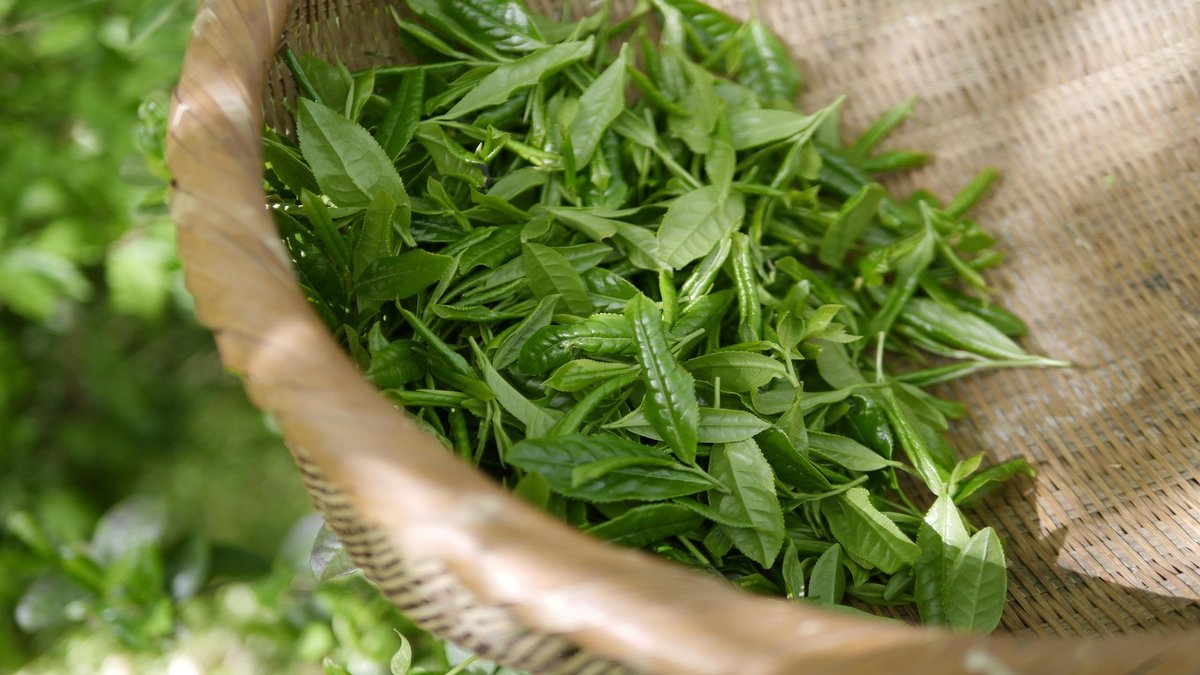
Last updated: April 2026
Affiliate Disclosure: We may earn a commission when you purchase through our links. This does not affect our editorial independence.
Quick Answer
- Huangshan Maofeng is a renowned Chinese green tea, known for its delicate processing and fresh characteristics, often compared to other premium green teas.
- Similar to other highly valued green teas, Huangshan Maofeng is often harvested before the Qingming Festival for its superior quality. For example, first-grade 'Mingqian' Dongting Bi Luo Chun was priced at 980 yuan per jin (approximately 500g) in 2026 Dongting Bi Luo Chun pricing.
- Other famous green teas, such as Shi Feng Longjing, also emphasize 'Mingqian' harvesting, with new tea listings for 2026 available on platforms like JD.com.
- Over 500 items for 'Bi Luo Chun First Grade Mingqian Green Tea' were updated on Taobao in April 2026, demonstrating the market's focus on this early harvest.
Huangshan Maofeng is a celebrated Chinese green tea that originates from the scenic Huangshan (Yellow Mountain) region in Anhui province. It is highly regarded for its distinctive appearance, fresh aroma, and mellow taste, often drawing comparisons to other top-tier Chinese green teas like Bi Luo Chun and Longjing. These premium green teas share a common emphasis on early spring harvesting, particularly the 'Mingqian' period, which refers to tea picked before the Qingming Festival, typically around April 4-5 each year. This early harvest is crucial because the tender buds and leaves collected during this time are considered to yield a more delicate flavor and fresher aroma. For instance, the market reflects this value, with over 500 items for 'Bi Luo Chun First Grade Mingqian Green Tea' updated on Taobao in April 2026, indicating strong consumer interest in these early spring varieties.
What is Huangshan Maofeng Tea?
Huangshan Maofeng is a renowned Chinese green tea originating from the Huangshan (Yellow Mountain) region in Anhui province. It is celebrated for its delicate appearance, fresh aroma, and mellow taste, making it one of China's Ten Famous Teas. While this review focuses on comparisons to other prominent green teas like Bi Luo Chun and Shi Feng Longjing, understanding the general characteristics of high-quality Chinese green teas helps appreciate Huangshan Maofeng's place among them. These teas are typically known for their careful processing, which aims to preserve the natural green color of the leaves and their vibrant, fresh flavors. The term "Maofeng" itself translates to "fur peak," referring to the tiny white hairs on the tea leaves and the tea's slightly pointed shape, indicative of its tender, early spring harvest. This delicate processing contributes to a tea that is often described as having a sweet, refreshing aftertaste and a clear, bright liquor.
The value placed on early harvesting, particularly the 'Mingqian' (pre-Qingming) period, is a shared trait among China's most esteemed green teas, including Huangshan Maofeng. This harvest period is critical because the young buds and leaves that emerge after winter are considered to be at their peak tenderness and contain a higher concentration of beneficial compounds, resulting in a superior flavor profile. Teas harvested later, often referred to as 'Minghou' (post-Qingming), tend to have a slightly bolder taste and a less delicate aroma, though they can still be of good quality. The meticulous attention to harvest timing and processing methods ensures that teas like Huangshan Maofeng retain their characteristic freshness and complex notes.
Just as other premium green teas are meticulously graded and packaged, Huangshan Maofeng also adheres to strict quality standards. These standards often dictate the size and uniformity of the tea leaves, the presence of white downy hairs, and the clarity and aroma of the brewed tea. The reputation of Huangshan Maofeng as an "Imperial Tribute Tea" further underscores its historical significance and the high esteem in which it has been held for centuries. This designation means it was historically presented to emperors, signifying its exceptional quality and status. The production areas for such teas often benefit from unique geographical and climatic conditions, such as the misty, high-altitude environment of Huangshan, which contributes to the tea plants' slow growth and the development of rich, nuanced flavors.
The cultural significance of Huangshan Maofeng extends beyond its taste, embodying a rich tradition of tea cultivation and artistry. Its preparation is often seen as a ritual, with specific brewing methods recommended to fully extract its delicate flavors and aromatic qualities. Understanding these nuances helps to appreciate Huangshan Maofeng not just as a beverage, but as a product of centuries of expertise and a symbol of Chinese tea heritage. The comparisons drawn between Huangshan Maofeng and other famous green teas, such as Bi Luo Chun and Longjing, highlight the shared pursuit of excellence in Chinese tea production, where each variety offers a unique expression of the spring harvest and the terroir from which it originates.
The Importance of Terroir
The unique geographical and climatic conditions of the Huangshan region contribute significantly to the distinct characteristics of Huangshan Maofeng. The area's high altitude, abundant rainfall, and misty environment create an ideal habitat for tea plants. These factors influence the tea leaves' chemical composition, leading to the development of unique flavors and aromas. The specific soil composition and temperature fluctuations also play a role in shaping the tea's profile, distinguishing it from green teas grown in other regions. This concept of "terroir" is fundamental to understanding the quality and individuality of premium teas like Huangshan Maofeng, much like it is for fine wines.
Traditional Processing Techniques
The production of Huangshan Maofeng involves traditional processing techniques passed down through generations. These methods are crucial for preserving the tea's delicate flavors and achieving its characteristic appearance. The process typically includes careful hand-picking of only the tenderest buds and leaves, followed by precise steps of withering, pan-firing, and shaping. Pan-firing, in particular, is vital for halting oxidation and locking in the fresh, green qualities of the tea. The skill of the tea master in controlling temperature and timing during these stages directly impacts the final quality of the Huangshan Maofeng, ensuring its consistency and excellence.
Serving and Enjoying Huangshan Maofeng
To fully appreciate Huangshan Maofeng, specific brewing parameters are often recommended. Generally, cooler water temperatures, typically around 80-85 degrees Celsius (175-185 Fahrenheit), are preferred to avoid scalding the delicate leaves and extracting bitterness. Short steeping times, usually 1-2 minutes for the first infusion, allow the subtle flavors and aromas to unfold gently. Using high-quality water, such as mineral water, can further enhance the tea's clarity and taste. The tea's light, refreshing character makes it suitable for multiple infusions, with each subsequent steep revealing different layers of its complex profile.
How Does Huangshan Maofeng Compare to Bi Luo Chun?
Huangshan Maofeng shares many similarities with Bi Luo Chun, another famous Chinese green tea, particularly in their emphasis on delicate processing and early spring harvests. However, they also possess distinct characteristics that set them apart. Bi Luo Chun is notably characterized by its curled, snail-like shape and the prominent presence of visible white downy hairs. The very name 'Bi Luo Chun' translates to 'green snail spring,' a moniker reportedly bestowed by Emperor Kangxi himself due to its distinctive appearance and spring harvest. This descriptive name perfectly captures the essence of the tea's visual appeal and its seasonal origin.
Genuine Dongting Bi Luo Chun must originate from a specific geographical area: Suzhou's Lake Tai region, specifically the Dongting Mountains. These mountains comprise two main parts: West Dongting Mountain and East Dongting Mountain. This strict geographical requirement ensures the authenticity and unique terroir of the tea. For example, teas like 'Xiao Xujia Bi Luo Chun' are explicitly sourced from the core production area of West Dongting Mountain's Jinting Town, highlighting the importance of precise origin for this esteemed tea. The unique microclimate and soil conditions of these mountains, particularly the interplanting of tea bushes with fruit trees, are believed to contribute to Bi Luo Chun's distinctive floral and fruity aroma.
When examining the dry leaves, Bi Luo Chun typically features fine and tightly curled leaves that resemble snails. Their color is a vibrant jade green, and they are abundantly covered in noticeable white fuzz, or downy hairs. This white fuzz is not merely a cosmetic feature; it serves as a critical indicator of the tea's freshness and tenderness. A tea reviewer on Zhihu noted, "The dry tea leaves are fine and tightly curled, like snails. The color is emerald green. The 'Minghou' (post-Qingming) color is slightly darker than 'Mingqian' (pre-Qingming). Both show clear white hairs. The white fuzz, like velvet, is an important visual characteristic of Bi Luo Chun. It is also an indicator of how fresh and tender a tea leaf is" (translated from Chinese) Bi Luo Chun comparison review. This observation underscores how the abundance and appearance of these hairs are directly linked to the tea's quality and harvest time.
The pricing of Bi Luo Chun also reflects its premium status and the value placed on early harvests. For instance, first-grade 'Mingqian' Dongting Bi Luo Chun was priced at 980 yuan per jin (approximately 500g) in 2026. This specific grade is made from the second harvest of pre-Qingming buds and two leaves, indicating a selective collection process that focuses on quality over quantity. The limited yield of such high-grade tea, combined with its delicate flavor and aromatic profile, justifies its higher market value. This pricing structure is similar to how Huangshan Maofeng's rarer, early spring grades command premium prices due to their superior tenderness and complex taste.
The cultivation and processing methods for Bi Luo Chun are deeply rooted in tradition, with many producers utilizing ancient techniques passed down through generations. These methods often involve extensive hand-processing to ensure that each tea leaf is perfectly shaped and dried. The specific pan-firing techniques used for Bi Luo Chun are designed to preserve its vibrant green color and delicate aroma while developing its characteristic curled form. This artisanal approach is a hallmark of both Bi Luo Chun and Huangshan Maofeng, distinguishing them from mass-produced teas and contributing to their esteemed reputation among tea connoisseurs. The meticulous care taken from cultivation to processing ensures that the unique qualities of each tea are fully expressed in the final brew.
Distinct Visual Characteristics
The visual differences between Huangshan Maofeng and Bi Luo Chun are often the first indicators of their unique identities. While Huangshan Maofeng typically features straight, slightly curled leaves with visible white downy hairs, Bi Luo Chun's leaves are distinctively coiled into a tight, snail-like spiral. This intricate curling is a result of specific processing techniques that are unique to Bi Luo Chun. Both teas exhibit white fuzz, but in Bi Luo Chun, it is often more pronounced and covers the entire leaf, contributing to its velvety texture and bright appearance. These visual cues are essential for tea enthusiasts to differentiate between the two premium green teas.
Aromatic and Flavor Profiles
The aromatic and flavor profiles of Huangshan Maofeng and Bi Luo Chun, while both fresh and green, offer distinct experiences. Huangshan Maofeng is often praised for its orchid-like fragrance and a mellow, sweet taste with a lasting aftertaste, embodying the pure essence of mountain mist. Bi Luo Chun, on the other hand, is renowned for its complex floral and fruity notes, often described as having hints of apricot, peach, and plum, which are attributed to the tea bushes being interplanted with fruit trees in its growing region. Its taste is typically vibrant, fresh, and slightly sweet, with a satisfying richness. These subtle differences cater to varying preferences, offering a rich spectrum of green tea experiences.
Brewing Differences
While general green tea brewing principles apply to both, subtle differences in brewing can optimize the experience for each tea. For Huangshan Maofeng, a slightly lower water temperature and a shorter steeping time might be preferred to highlight its delicate, refreshing notes without extracting any bitterness. For Bi Luo Chun, due to its tightly curled nature, an initial quick rinse or a slightly longer first steep might be employed by some to allow the leaves to fully unfurl and release their complex aromas. The ideal temperature for Bi Luo Chun is often cited around 82 degrees Celsius (180 degrees Fahrenheit), which helps to coax out its vibrant flavors without diminishing its delicate character.
What Are the Characteristics of Bi Luo Chun?
Bi Luo Chun is a renowned Chinese green tea distinguished by several unique characteristics, from its physical appearance to its aromatic and flavor profile. The dry tea leaves of Bi Luo Chun are typically slender, tightly curled, and covered in fine white downy hairs, giving them a delicate, almost fuzzy appearance. This distinctive shape, resembling tiny green snails, is what gives the tea its name, "green snail spring." The overall impression of the dry leaves is one of neatness and freshness, accompanied by a clear, inviting fragrance. The presence of abundant white downy hairs is a key indicator of the tea's tenderness and high quality, particularly for 'Mingqian' (pre-Qingming) harvests.
When it comes to brewing, the process for Bi Luo Chun often involves specific recommendations to extract its full potential. A common suggestion is to use water heated to approximately 82 degrees Celsius (180 degrees Fahrenheit). This temperature is considered ideal because it is hot enough to properly steep the tea leaves and release their flavors and aromas without scorching the delicate buds, which could result in a bitter taste. The use of high-quality water, such as mineral water, is also often recommended to ensure the purity of the tea's taste and to enhance its natural characteristics. The method of brewing, often involving a "top-down" approach where water is poured over the leaves, helps the tightly curled leaves unfurl gracefully in the cup.
Upon brewing, Bi Luo Chun yields a tea with a remarkably fresh and mellow taste, coupled with a bright green and clear tea soup. The clarity and vibrancy of the liquor are hallmarks of a well-produced Bi Luo Chun, reflecting the purity of the leaves and the quality of the processing. The flavor profile is complex, often described as having natural floral and fruity notes, a characteristic attributed to the tea bushes growing among fruit trees in its traditional cultivation areas in Suzhou's Dongting West Mountain. This interplanting allows the tea leaves to absorb the aromas of nearby peach, plum, and apricot blossoms, imparting a unique fragrance to the final product.
After infusion, the brewed leaves, or "tea soup bottom" (汤底), are typically tender and uniform. They retain a vibrant green color and exhibit light downy hairs, appearing both green and bright. This visual inspection of the brewed leaves provides further evidence of the tea's quality, indicating that young, tender buds were used and that the processing was gentle enough to preserve their integrity. The presence of delicate, still-visible downy hairs on the unfurled leaves confirms the tea's 'Mingqian' grade and the freshness of the original harvest. For instance, a 2026 'Mingqian' Special Grade Dongting Bi Luo Chun 250g gift box is available on JD.com, highlighting the continued demand for this premium, early-harvest tea.
The aroma of brewed Bi Luo Chun is as captivating as its taste. It is often described as having a rich, lingering fragrance that combines fresh tea notes with hints of the surrounding fruit blossoms. This intricate bouquet contributes significantly to the overall sensory experience of drinking Bi Luo Chun, making it a favorite among green tea enthusiasts. The balance between its visual appeal, complex aroma, and refreshing taste solidifies Bi Luo Chun's status as one of China's most cherished green teas, offering a truly unique and enjoyable tea-drinking experience. The meticulous cultivation and traditional craftsmanship ensure that each cup delivers a consistent and high-quality representation of this celebrated tea.
Dry Leaf Appearance
The dry leaves of Bi Luo Chun are visually distinctive, characterized by their fine, tightly rolled, and spiral shape, which gives them the appearance of tiny snails. This unique form is a result of meticulous hand-processing. The leaves are typically a vibrant emerald green, often covered with a dense layer of silvery-white downy hairs, or pekoe. This pekoe is a crucial indicator of the tea's freshness and the tenderness of the buds picked. A higher concentration of these hairs generally signifies a higher grade and an earlier harvest, specifically 'Mingqian' (pre-Qingming) tea. The uniform appearance and the presence of these fine hairs are key aesthetic markers of quality Bi Luo Chun.
Aroma of the Dry Leaves
Before brewing, the dry leaves of Bi Luo Chun emit a clear, fresh, and often intensely aromatic fragrance. This aroma frequently carries subtle floral and fruity undertones, reflecting the unique environment of its cultivation in the Dongting Mountains, where tea bushes are interplanted with various fruit trees. The fragrance is typically clean and invigorating, foreshadowing the complex sensory experience that awaits after brewing. This initial aromatic impression is a significant part of the tea-tasting ritual, allowing connoisseurs to anticipate the tea's quality and character.
Brewed Tea Characteristics
Once brewed, Bi Luo Chun transforms into a bright, clear, and often luminous green liquor. The tea soup is known for its purity and lack of cloudiness, a sign of high-quality processing and fresh leaves. The taste is remarkably fresh, mellow, and smooth, with a pronounced sweetness and a lingering, refreshing aftertaste. The unique floral and fruity notes, often described as being reminiscent of apricot, peach, or plum blossoms, become more apparent in the brewed tea. The balance between its freshness, sweetness, and complex aroma makes Bi Luo Chun a highly sought-after green tea, offering a harmonious and satisfying drinking experience.
How Does Huangshan Maofeng Relate to Shi Feng Longjing?
Huangshan Maofeng is often placed in the same esteemed category as Shi Feng Longjing, another highly regarded Chinese green tea. Both are celebrated for their exceptional quality, delicate processing, and status as premier green teas. While Huangshan Maofeng hails from Anhui province and Shi Feng Longjing originates from Hangzhou, Zhejiang province, they share a common dedication to early spring harvests, particularly the 'Mingqian' (pre-Qingming) period, which is crucial for achieving their distinct, fresh flavors. This shared emphasis on timing and quality makes them frequent subjects of comparison among tea connoisseurs.
Shi Feng Longjing, specifically from the Shi Feng (Lion Peak) mountain area, is considered the pinnacle of Longjing tea, known for its unique flat, sword-shaped leaves and its characteristic roasted chestnut aroma. Like Huangshan Maofeng, Shi Feng Longjing is meticulously hand-processed, with skilled artisans carefully pan-firing the leaves to achieve their distinctive shape and preserve their vibrant green color and delicate taste. The cultivation practices in the Shi Feng region, characterized by specific soil conditions and climate, contribute significantly to the tea's unique terroir, much like the Huangshan region influences Maofeng.
The market for Shi Feng Longjing, similar to that for Huangshan Maofeng, strongly emphasizes the 'Mingqian' harvest. New harvest Shi Feng Longjing teas for 2026 are widely listed on platforms like JD.com, including special grade 'Mingqian' varieties. For example, JD.com features various listings such as "Shi Feng Brand 2026 New Tea Green Tea West Lake Longjing Tea Mingqian Special Grade 250g Paper Pack Gift Box" and "Shi Feng 2026 New Tea Listing Special Grade Mingqian Old Tea Tree Longjing Tea Green Tea 250g Paper Pack." These listings highlight the ongoing demand and premium placed on teas harvested before the Qingming Festival, indicating that consumers actively seek out these early-season, high-quality offerings.
The availability of a wide range of Shi Feng Longjing products on major e-commerce platforms further illustrates its popularity and market presence. JD.com, for instance, lists a substantial number of options, with 446 items specifically for 'Shi Feng West Lake Longjing Tea' as of 2026 Shi Feng Longjing on JD.com. This extensive selection includes various grades, packaging sizes, and price points, catering to different consumer preferences, from everyday drinkers to those seeking premium gift options. The consistent release of "new tea listings" each year underscores the seasonal nature of these high-quality green teas and the anticipation surrounding their arrival.
Both Huangshan Maofeng and Shi Feng Longjing represent the pinnacle of Chinese green tea artistry, each with its own unique history, processing methods, and flavor profile. While Huangshan Maofeng offers a delicate, orchid-like fragrance and a mellow taste, Shi Feng Longjing is celebrated for its distinctive flat shape, jade green color, and a rich, nutty aroma with a refreshing, sweet aftertaste. The comparison between these teas often comes down to personal preference, but their shared commitment to quality, traditional craftsmanship, and the revered 'Mingqian' harvest ensures their continued status as imperial tribute teas and favorites among tea enthusiasts worldwide.
Shared Emphasis on Early Harvest
Both Huangshan Maofeng and Shi Feng Longjing place immense importance on the 'Mingqian' harvest, which refers to tea picked before the Qingming Festival. This early harvest period, typically in late March to early April, is considered optimal for producing the most tender and flavorful leaves. The young buds and leaves harvested during this time are less susceptible to insect damage and have a higher concentration of amino acids, contributing to a sweeter, less astringent taste. This shared commitment to early harvesting is a key factor in the superior quality and delicate character of both teas, setting them apart from later harvests.
Distinct Processing Methods
While both teas are pan-fired green teas, their processing methods diverge to create their unique forms and flavors. Huangshan Maofeng leaves are gently rolled and dried to maintain their natural, slightly twisted appearance with visible white downy hairs. Shi Feng Longjing, conversely, undergoes a distinctive flattening process during pan-frying, which gives its leaves their iconic flat, sword-like shape. This specific technique also contributes to its characteristic roasted chestnut aroma. These specialized processing steps are crucial in defining the individual aesthetics and sensory profiles of each tea.
Flavor and Aroma Profiles
The flavor and aroma profiles of Huangshan Maofeng and Shi Feng Longjing, though both fresh and green, are distinct. Huangshan Maofeng is often characterized by its delicate orchid fragrance, a fresh, clean taste, and a mellow, sweet finish. Its complexity lies in its subtle nuances and lingering aftertaste. Shi Feng Longjing is celebrated for its "bean" or "roasted chestnut" aroma, a rich, savory sweetness, and a smooth, refreshing mouthfeel. Its flavor is often described as more robust and full-bodied than Maofeng, with a unique umami quality. These differences provide tea drinkers with a choice between two distinct yet equally celebrated green tea experiences.
What is 'Mingqian' Tea and Why is it Valued?
'Mingqian' tea refers specifically to teas harvested before the Qingming Festival, which typically falls around April 4-5 each year in the Chinese lunar calendar. This period is highly significant in Chinese tea culture, as teas harvested during this short window are considered the most prized and valuable. The reason for their high esteem lies in the unique characteristics of the tea buds and leaves that emerge after the cold winter months and before the onset of warmer spring weather. These conditions allow the tea plants to accumulate nutrients slowly, resulting in exceptionally tender, flavorful, and aromatic leaves.
The primary reason 'Mingqian' teas are so highly valued is the tenderness and delicate nature of their buds and leaves. During this early spring period, the tea plants produce young, succulent shoots that are rich in amino acids and other beneficial compounds, while having lower levels of catechins, which can contribute to bitterness. This chemical composition results in a tea that is typically sweeter, fresher, and less astringent than teas harvested later in the season. The slow growth due to cooler temperatures also means the leaves are smaller and more finely structured, often covered with a greater amount of delicate white downy hairs, which are visual indicators of high quality.
A direct comparison illustrates the difference in quality. For example, a tea reviewer on Zhihu compared 'Mingqian Special Grade 1' and 'Minghou Grade 2' Bi Luo Chun. The reviewer noted that the 'Mingqian' variety had "more tender and abundant white hairs," a characteristic that became even "more evident after brewing." This observation highlights how the early harvest contributes to the visual and textural superiority of the tea, which is then translated into its brewed characteristics. The presence of these delicate hairs is often associated with a smoother mouthfeel and a richer, more complex aroma.
Beyond their superior taste and aroma, 'Mingqian' teas are also valued for their scarcity. The harvest window is short, and the yield is relatively low compared to later harvests. The cooler temperatures and often unpredictable weather conditions during early spring can make harvesting more challenging, further limiting the quantity of tea produced. This combination of exceptional quality and limited availability drives up the demand and price for 'Mingqian' teas, making them a luxury item for tea connoisseurs. The meticulous hand-picking required for these tender buds also adds to their value, as it ensures only the finest leaves are selected.
The market actively reflects this high demand. For instance, over 500 items for 'Bi Luo Chun First Grade Mingqian Green Tea' were updated on Taobao in April 2026. This significant number of listings underscores the widespread availability and consumer interest in this specific grade and harvest period. The continuous updates and new product releases for 'Mingqian' teas each year demonstrate their perennial popularity and the anticipation among tea lovers for the freshest, most delicate spring harvests. This tradition of valuing 'Mingqian' teas is deeply embedded in Chinese tea culture, representing the pinnacle of green tea quality and craftsmanship.
Factors Contributing to 'Mingqian' Quality
Several environmental factors contribute to the superior quality of 'Mingqian' teas. The cooler temperatures and ample moisture during early spring encourage slow growth, allowing the tea plants to accumulate a higher concentration of amino acids, which are responsible for the tea's umami and sweet notes. Additionally, the lower incidence of pests and diseases during this period means the tea leaves are often healthier and require fewer interventions, contributing to a purer flavor. The natural stress from the cold also promotes the development of complex aromatic compounds, enhancing the tea's overall fragrance.
The Role of White Downy Hairs
The white downy hairs, or pekoe, prominently found on 'Mingqian' tea buds and young leaves, are a key visual and sensory indicator of quality. These hairs protect the delicate buds from environmental stresses and are rich in flavor compounds. In brewed tea, they contribute to a smoother texture and a more lustrous appearance of the tea soup. The quantity and fineness of these hairs are often used as grading criteria, with more abundant and finer pekoe indicating a higher-grade 'Mingqian' tea. This characteristic is particularly noticeable in teas like Bi Luo Chun and Huangshan Maofeng.
Economic Value and Scarcity
The economic value of 'Mingqian' teas is significantly higher than later harvests due to their limited supply and superior quality. The short harvest window, combined with the labor-intensive process of hand-picking delicate buds, naturally restricts the volume of tea produced. This scarcity, coupled with high demand from discerning consumers, drives premium pricing. 'Mingqian' teas are often seen as an annual delicacy, eagerly anticipated by tea enthusiasts who are willing to pay more for the exceptional freshness and nuanced flavors that only these early spring harvests can offer.
Where is Bi Luo Chun Produced and How is it Made?
Bi Luo Chun, a celebrated Chinese green tea, has a very specific and historically significant production origin: Suzhou's Dongting West Mountain. This region, characterized by its abundant rainfall, fertile soil, and unique ecosystem, provides the ideal conditions for cultivating the tea plants that yield authentic Dongting Bi Luo Chun. The Dongting Mountains, which include both West Dongting Mountain and East Dongting Mountain, are situated around Lake Tai, creating a microclimate that is perfectly suited for tea cultivation. This specific geographical location is crucial, as only tea produced here can genuinely be called Dongting Bi Luo Chun.
The unique environment of Suzhou's Dongting West Mountain plays a significant role in shaping Bi Luo Chun's distinctive flavor profile. The region's ample rainfall and fertile soil contribute to the lush growth of the tea plants, allowing them to absorb a rich array of nutrients. Moreover, a traditional practice in this area involves interplanting tea bushes with various fruit trees, such as peach, plum, and apricot. This unique agricultural approach allows the tea leaves to naturally absorb the aromatic essences of the surrounding fruit blossoms. This natural "scenting" process is what imparts Bi Luo Chun with its characteristic floral and fruity aroma, setting it apart from other green teas.
The production of Bi Luo Chun is deeply rooted in traditional, ancient craftsmanship, often involving family-inherited techniques that have been passed down through generations. The process is labor-intensive and requires immense skill and experience. For example, some producers boast 32 years of hand-making tea experience, a testament to the dedication required to master the intricate steps. This extensive experience ensures that each bud and leaf is uniformly heated during the pan-firing process, which is critical for developing the tea's unique flavor and aroma while preserving its vibrant green color and delicate form.
The traditional craftsmanship involved in making Bi Luo Chun is said to result in a superior aroma and taste compared to 95% of Dongting Bi Luo Chun found on the market. This claim highlights the importance of artisanal skill and adherence to traditional methods in achieving the highest quality tea. The process typically involves several key stages:
- Plucking: Only the tenderest buds and young leaves (often one bud and one or two leaves for higher grades) are hand-picked, usually in the early morning.
- Pan-firing (Killing Green): This crucial step involves quickly heating the leaves in a hot pan to halt the oxidation process, preserving their green color and fresh flavor. Skilled tea masters continuously stir and press the leaves by hand.
- Rolling and Shaping: During this stage, the leaves are gently rolled and shaped into their distinctive snail-like curls. This process requires precise pressure and timing to achieve the desired form without damaging the delicate leaves.
- Drying: The tea is then carefully dried to remove any remaining moisture, ensuring its stability and prolonging its shelf life.
The combination of ideal environmental conditions, the unique practice of interplanting with fruit trees, and centuries-old, family-inherited craftsmanship ensures that authentic Dongting Bi Luo Chun maintains its reputation as one of China's most exquisite and aromatic green teas. This meticulous approach from cultivation to final processing is what allows Bi Luo Chun to consistently deliver its complex flavor profile and captivating fragrance, making it a truly exceptional tea experience.
The Significance of Dongting West Mountain
Dongting West Mountain is not just a location; it is the heartland of authentic Bi Luo Chun production. Its geographical features, including proximity to Lake Tai and a landscape dotted with fruit trees, create a microclimate perfectly suited for tea cultivation. The fertile soil, rich in organic matter, and the consistent humidity from the lake contribute to the slow growth of tea plants, allowing them to develop complex flavors. This specific terroir is irreplaceable, making teas from this region uniquely identifiable by their distinct floral and fruity notes, which are not found in Bi Luo Chun produced elsewhere.
Traditional Handcrafting Process
The making of Bi Luo Chun is a testament to traditional Chinese tea artistry. Unlike many modern tea productions, authentic Bi Luo Chun still relies heavily on manual processing. Experienced tea masters, often with decades of practice, use their hands to meticulously pan-fire, roll, and shape the tea leaves. This hands-on approach ensures that each delicate bud and leaf is treated with care, resulting in the tea's characteristic tightly curled shape and preserving its delicate aromas. The skill involved in controlling the temperature and pressure during these stages is paramount, as it directly impacts the final quality, aroma, and taste of the tea.
Natural Aromatization from Fruit Trees
A unique aspect of Dongting Bi Luo Chun's production is the interplanting of tea bushes with various fruit trees. This ancient practice allows the tea leaves to absorb the natural fragrances of blooming peach, plum, apricot, and loquat trees. As the tea leaves grow, they are naturally infused with these floral and fruity aromas, which become an integral part of Bi Luo Chun's complex bouquet. This natural aromatization process is distinct from artificial flavoring and is a key contributor to the tea's renowned fresh, sweet, and multi-layered fragrance, making it a truly unique sensory experience.
Frequently Asked Questions
What does 'Mingqian' mean in the context of Chinese tea?
'Mingqian' refers to teas harvested before the Qingming Festival, which typically occurs around April 4th or 5th each year. This period is considered the optimal time for harvesting the most tender and flavorful tea buds and leaves. Teas picked during this window are highly valued for their delicate taste, fresh aroma, and the presence of abundant white downy hairs, which indicate superior quality. For example, first-grade 'Mingqian' Dongting Bi Luo Chun was priced at 980 yuan per jin (about 500g) in 2026, reflecting its premium status Dongting Bi Luo Chun pricing.
What are the key characteristics that distinguish Bi Luo Chun?
Bi Luo Chun is distinguished by its unique appearance, which includes tightly curled, snail-like leaves covered in visible white downy hairs, giving it a fuzzy texture. Its name, meaning "green snail spring," directly refers to this shape and its spring harvest. Aromatic characteristics include complex floral and fruity notes, often attributed to the tea bushes being interplanted with fruit trees in its native Dongting Mountain region. When brewed, it yields a bright green, clear tea soup with a fresh, mellow, and sweet taste.
Where is authentic Dongting Bi Luo Chun sourced from?
Authentic Dongting Bi Luo Chun is sourced exclusively from the Dongting Mountains in Suzhou's Lake Tai region, specifically including West Dongting Mountain and East Dongting Mountain. This precise geographical origin is crucial for the tea's authenticity and its unique terroir, which imparts its characteristic floral and fruity aroma. For instance, 'Xiao Xujia Bi Luo Chun' is noted as originating from the core production area of West Dongting Mountain's Jinting Town, emphasizing the importance of this specific location Bi Luo Chun comparison review.
How is the tenderness of Bi Luo Chun tea leaves typically judged?
The tenderness of Bi Luo Chun tea leaves is primarily judged by the presence and abundance of white downy hairs on the dry leaves, as well as their fine, tightly curled shape. More abundant and finer white fuzz indicates a higher degree of freshness and tenderness, especially for 'Mingqian' harvests. After brewing, the tenderness can be further assessed by the uniform, soft texture of the unfurled leaves and the continued visibility of delicate downy hairs. A tea reviewer on Zhihu noted that 'Mingqian' Bi Luo Chun had "more tender and abundant white hairs" compared to 'Minghou' grades (translated from Chinese).
What is the typical brewing temperature recommended for Bi Luo Chun?
The typical brewing temperature recommended for Bi Luo Chun is around 82 degrees Celsius (approximately 180 degrees Fahrenheit). This temperature is considered ideal because it is hot enough to extract the tea's complex flavors and aromas without scalding the delicate leaves, which could result in a bitter taste. Using water that is too hot can diminish the tea's subtle floral and fruity notes, while water that is too cool may not fully unfurl the tightly curled leaves or extract their full flavor profile.
Sources
- https://zhuanlan.zhihu.com/p/1891850855310918132
- https://shop.suning.com/30003909/list_210882656_0.html
- https://www.jd.com/chanpin/2646277.html
- https://zhuanlan.zhihu.com/p/691792486
- http://www.jd.com/chanpin/2361694.html
- https://zhuanlan.zhihu.com/p/1962920658443960657
- https://www.blcchaye.com/jiage_204.html
- https://www.taobao.com/list/product/%E7%A2%A7%E8%9E%BA%E6%98%A5%E4%B8%80%E7%BA%A7%E6%98%8E%E5%89%8D%E7%BB%BF%E8%8C%B6.htm
Related Reading
- Huangshan Tea Region Travel Guide
- How to Store and Age Chinese Tea: A Guide from Chinese Sources
- The 6 Types of Chinese Tea: A Complete Guide from Chinese Sources
- How to Identify Fake Chinese Tea: A Buyer's Guide from Chinese Sources
- Chinese Tea Auctions: How to Participate
— The Tea Atlas Team