Lapsang Souchong (Zhengshan Xiaozhong) Review: The Original Black Tea
- Jin Jun Mei, a high-grade Lapsang Souchong, is considered a "ceiling" among black teas due to its unique aroma and superior quality, as noted by Tea Xiaozhi on Sohu.com Huaxiang Zhuangyuan Jin Jun Mei Black Tea Review.
Last updated: April 2026
Affiliate Disclosure: We may earn a commission when you purchase through our links. This does not affect our editorial independence.
Quick Answer
- Jin Jun Mei, a high-grade Lapsang Souchong, is considered a "ceiling" among black teas due to its unique aroma and superior quality, as noted by Tea Xiaozhi on Sohu.com Huaxiang Zhuangyuan Jin Jun Mei Black Tea Review.
- Huaxiang Zhuangyuan's Jin Jun Mei exhibits tightly rolled, slender leaves with a bright, fresh aroma and golden tips.
- The first brew of Huaxiang Zhuangyuan's Jin Jun Mei produces an orange-yellow, bright liquor with rich floral, fruity, and pine smoke notes, offering a sweet, smooth, and delicate taste.
- Yunnan Dianhong black tea shows widespread popularity and availability, with 4449 product listings on JD.com alone Yunnan Dianhong Tea on JD.com.
Lapsang Souchong, known as Zhengshan Xiaozhong in Chinese, stands as a foundational black tea, celebrated for its distinctive character. High-grade variations, such as Jin Jun Mei, are often regarded as the pinnacle of black tea, commanding attention for their complex aromas and refined tastes. Our analysis of Huaxiang Zhuangyuan's Jin Jun Mei reveals a tea with tightly rolled, slender leaves that boast a fresh aroma and vibrant golden tips. The initial brew of this tea delivers an orange-yellow, bright liquor, filled with the rich interplay of floral, fruity, and pine smoke notes, culminating in a sweet, smooth, and delicate experience. Beyond this specific example, the broader category of black teas from China, like Yunnan Dianhong, demonstrates immense market presence, with 4449 distinct product listings on JD.com, highlighting its significance in the tea world.
What is Lapsang Souchong (Zhengshan Xiaozhong)?
Lapsang Souchong, known in its native China as Zhengshan Xiaozhong, is revered as one of the earliest forms of black tea. This designation, "Zhengshan Xiaozhong," directly translates to "original mountain small leaf type," pointing to its traditional origins and the specific tea plant varieties used in its production. The tea's history is deeply rooted in the Wuyi Mountains of Fujian Province, a region famous for producing some of the most distinguished Chinese teas. Over centuries, Lapsang Souchong developed a unique processing method, which traditionally involved drying tea leaves over pine wood fires. This particular technique imbues the tea with its characteristic smoky aroma, a trait that has historically set it apart from other black teas. While the classic smoky profile remains a hallmark, modern variations and higher grades often present a more nuanced flavor spectrum, moving beyond dominant smoke to include floral, fruity, and sweet notes.
Within the realm of Lapsang Souchong, Jin Jun Mei stands out as an exceptionally high-grade black tea. It is often described as the "ceiling" of black teas, a testament to its superior quality and intricate flavor profile. Unlike some traditional Lapsang Souchong, Jin Jun Mei typically minimizes or entirely omits the heavy pine smoking process, focusing instead on the inherent sweetness and complexity of the tea buds themselves. This particular grade is meticulously crafted from tender tea buds, usually picked in the early spring, resulting in a tea that is not only visually stunning with its golden tips but also offers a sophisticated sensory experience. The reputation of Jin Jun Mei as a top-tier black tea stems from its delicate processing, the quality of its raw material, and its ability to deliver a multi-layered taste that evolves through multiple infusions.
The Origin of Zhengshan Xiaozhong
Zhengshan Xiaozhong's name itself is a direct link to its heritage. "Zhengshan" refers to the Wuyi Mountain range, specifically the areas within the Wuyi Nature Reserve, which are considered the authentic and original growing regions for this tea. "Xiaozhong" denotes the "small leaf" variety of tea plant, which is traditionally cultivated in these mountainous terrains. The development of Lapsang Souchong is often attributed to an accidental discovery during the late Ming Dynasty, when tea farmers, in an effort to speed up drying during wartime, used pine wood to smoke their tea leaves. This improvisation, born out of necessity, inadvertently created a distinct flavor that quickly gained popularity, especially among European traders. The tea became a significant export, playing a crucial role in the early history of global tea trade. Its unique characteristics made it a sought-after commodity, differentiating it from other teas available at the time.
The Prestige of Jin Jun Mei
Jin Jun Mei, meaning "Golden Beautiful Eyebrow," is a relatively new but highly esteemed development within the Lapsang Souchong family. It emerged in the early 21st century and quickly ascended to prominence due to its exceptional quality and refined taste. What sets Jin Jun Mei apart is its exclusive use of very young, tender tea buds, often only the single unopened bud, which are carefully hand-picked. This selective harvesting, combined with a precise and delicate processing method, results in a tea that is rich in golden tips and offers a complex bouquet of flavors. Unlike its smoky ancestor, Jin Jun Mei is celebrated for its natural sweetness, notes of honey, floral undertones, and sometimes a hint of fruity or malty characteristics, with only a very subtle, if any, smoky presence. The meticulous craftsmanship and the rarity of the raw material contribute to its status as a luxury tea, often commanding high prices in the market. Its creation marked a significant evolution for Lapsang Souchong, showcasing the potential for exquisite, non-smoky expressions of this historic black tea type.
How Does Huaxiang Zhuangyuan's Jin Jun Mei Taste?
Huaxiang Zhuangyuan's Jin Jun Mei black tea offers a complex and evolving taste experience across multiple infusions, showcasing its high-grade quality. The dry tea leaves themselves provide the first hint of this complexity; they are tightly rolled, slender, and bright black, adorned with visible golden tips, and they emit a distinctly fresh aroma. This initial impression sets the stage for the brewing process, where the tea's true character unfolds. The brewing process, particularly the initial infusions, highlights the tea's intricate balance of floral, fruity, and smoky notes, complemented by a natural sweetness and a smooth mouthfeel. As the tea progresses through subsequent brews, its characteristics subtly shift, revealing different facets of its flavor profile. This progression is a hallmark of high-quality Chinese black teas, where each infusion offers a unique nuance.
First and Second Infusions
The initial experience with Huaxiang Zhuangyuan's Jin Jun Mei begins with the first brew. This initial infusion is typically performed without rinsing the leaves, allowing the full depth of flavor to emerge directly. The resulting liquor is a vibrant orange-yellow, possessing a remarkable brightness and clarity. During this first pour, golden hairs can be observed dancing within the liquid, a visual indicator of the tea's fine quality and the presence of tender tea buds. The aroma is immediately captivating, featuring a rich blend of floral, fruity, and pine smoke notes. These aromatic elements are seamlessly integrated, creating a fragrant bouquet that is both inviting and complex. On the palate, the tea delivers a pronounced honey sweetness, coupled with a remarkably smooth and delicate mouthfeel. This combination of rich aroma, visual appeal, and refined taste makes the first brew a truly exceptional introduction to the tea.
Moving to the second brew, the tea liquor deepens in color, transitioning to a more intense orange-red hue. A noticeable oily texture, or "zhi gan" (脂感), appears on the surface of the liquid, indicating the richness of the tea's soluble compounds. The aromas intensify further in this stage, with the pine smoke and fruit notes becoming even more concentrated and prominent. Despite the increased intensity of the aroma, the tea maintains its smooth mouthfeel, and the taste remains sweetly mellow and harmonious. This second infusion often represents the peak of the tea's flavor intensity, where all its characteristic notes are in full bloom.
Subsequent Infusions
The tea's journey continues through the third brew, where the liquor color holds steady, and the aroma remains notably prominent. The texture stays smooth, and the overall taste is mellow and balanced. This consistency in flavor and aroma demonstrates the tea's enduring quality and its ability to provide a sustained sensory experience.
By the fourth brew, after a steeping time of 10 seconds, the tea's color remains consistent with the previous infusion. However, a slight weakening of the aroma becomes perceptible. Despite this, a pleasant sweetness and a moist, refreshing sensation are felt at the base of the tongue, indicating a lingering aftertaste. The overall fullness or body of the tea experiences a slight reduction at this stage.
The fifth brew, steeped for 20 seconds, shows a further lightening of the liquor's color. The aroma continues to diminish, and while the tea retains a sweet and soft character, the fullness and body of the liquor noticeably decline. This suggests that the tea is gradually releasing its remaining compounds.
Finally, the sixth brew, also steeped for 20 seconds, reveals a further fading of the tea's color. Although the pine smoke and floral aromas are still present, and a honey sweetness can still be detected, the body of the tea has become noticeably watery. This indicates that the tea leaves have largely exhausted their flavor potential, although some residual notes persist. This detailed progression of flavors and aromas across multiple infusions is a strong indicator of the high quality and craftsmanship behind Huaxiang Zhuangyuan's Jin Jun Mei. Huaxiang Zhuangyuan Jin Jun Mei Black Tea Review provides these specific tasting notes.
What Are the Characteristics of Jin Jun Mei Leaves?
The physical characteristics of Jin Jun Mei tea leaves, both in their dry state and after brewing, are crucial indicators of its quality and contribute significantly to its renowned reputation. Before brewing, the dry tea leaves of Jin Jun Mei are described with precision, reflecting the meticulous care taken during harvesting and processing. These characteristics are not merely aesthetic; they provide insights into the tea's potential flavor, aroma, and overall quality. The appearance of the dry leaf is the first impression a tea connoisseur receives, and in the case of Jin Jun Mei, it speaks volumes about its high-grade status. The transformation of these leaves after brewing also offers valuable information about their integrity and the quality of the raw material.
Dry Leaf Appearance
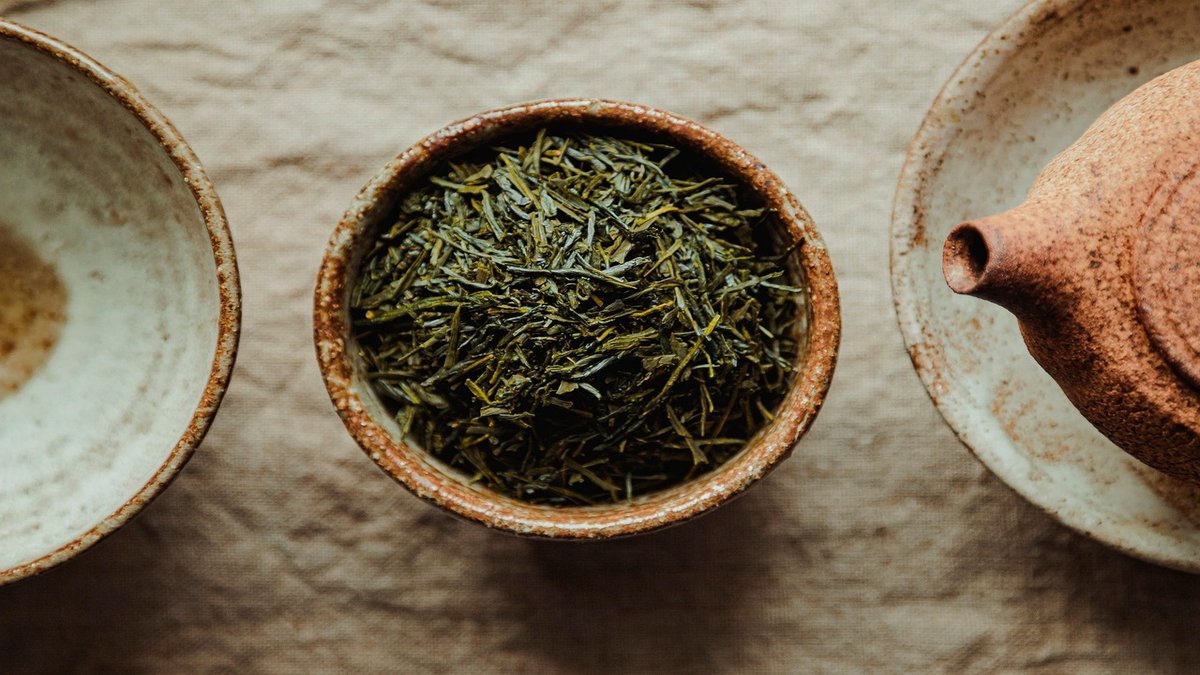
The dry leaves of Jin Jun Mei are notably distinct. They are characterized as being tightly rolled and slender, indicating that they are predominantly composed of delicate, young tea buds. This tight rolling helps to preserve the tea's freshness and concentrates its aromatic compounds. The leaves are typically either single buds or single leaves, a testament to the selective harvesting process that focuses on the most tender parts of the tea plant. Their color is a dark, shiny black, often described as "wu liang" (乌亮), meaning lustrous black. This dark base color is beautifully contrasted by a significant presence of golden tips, known as "jin hao" (金毫). These golden tips are the fine hairs on the young tea buds, which, when oxidized during processing, turn a golden color. The abundance of these golden tips is a visual marker of high-quality Jin Jun Mei, signifying that the tea was made from very young, tender material. The overall impression of the dry leaves is one of elegance and finesse, further enhanced by a clear and fresh fragrance that emanates from them, even before brewing. This initial fragrance hints at the complex aromatic profile that will unfold once the tea is steeped.
Wet Leaf (Spent Leaf) Characteristics
After the tea has been brewed, the spent leaves, also known as the "ye di" (叶底), offer further insights into the tea's quality. For Huaxiang Zhuangyuan's Jin Jun Mei, the spent leaves are described as reddish-brown. This color is typical for well-oxidized black teas and indicates proper processing. Beyond color, the leaves are noted for being "you run" (油润), meaning oily and lustrous, which suggests that they retain a certain amount of natural oils and moisture, contributing to the tea's smooth mouthfeel and rich flavor. The uniformity, or "yun zheng" (匀整), of the spent leaves is another important characteristic. This means that the leaves are consistently sized and shaped, reflecting careful sorting and processing.
When fully steeped, the leaves are observed to be "shu zhan" (舒展), meaning they have expanded well, indicating that they were not overly compressed or damaged during processing and that they were able to fully unfurl and release their contents. Furthermore, the spent leaves possess strong "ren xing" (韧性), which translates to toughness or resilience. This refers to their ability to resist tearing when gently pulled, signifying the inherent strength and health of the original tea material. Finally, even after multiple infusions, the spent leaves retain a "zi ran chun zheng" (自然纯正) aroma, meaning a natural and pure fragrance. This lingering aroma from the spent leaves confirms the tea's authentic and high-quality character, suggesting that its aromatic compounds were well-preserved and released effectively throughout the brewing process.
How Does Jin Jun Mei Compare to Other High-Grade Black Teas?
Jin Jun Mei holds a distinguished position among black teas, often described as reaching the "ceiling" of quality due to its unique aroma and superior taste. This high regard places it in a category with other exceptional black teas, each with its own distinct characteristics and appeal. While Jin Jun Mei is celebrated for its delicate, non-smoky profile, other high-grade black teas offer different sensory experiences, catering to a diverse range of preferences. Understanding these comparisons helps to appreciate the specific qualities that make Jin Jun Mei so special and to recognize the breadth of excellence within the black tea category. The market for high-grade black teas is rich and varied, with regions across China producing teas that vie for top recognition.
Jin Jun Mei's Unrivaled Status
The statement that "Jin Jun Mei is said to be at the 'ceiling' of black teas" underscores its exceptional standing. This sentiment, expressed by Tea Xiaozhi on Sohu.com, highlights its unique aroma and superior quality, deeming it "an excellent product worth tasting!" Huaxiang Zhuangyuan Jin Jun Mei Black Tea Review. Its distinction comes from its meticulous production, utilizing only the most tender tea buds, typically from the Wuyi Mountains. Unlike traditional Lapsang Souchong which often features a prominent smoky flavor, Jin Jun Mei emphasizes the natural sweetness, floral notes, and fruity undertones inherent in the tea leaves themselves. This focus on purity and complexity, coupled with a minimal or absent smoky profile, sets it apart. The high proportion of golden tips in the dry leaf, a visual cue of its quality, further solidifies its elite status. Its delicate processing ensures a smooth, mellow liquor that evolves beautifully over multiple infusions, offering a sophisticated and nuanced experience that is highly sought after by connoisseurs. This intricate balance of flavor, aroma, and visual appeal contributes to its reputation as a benchmark for black tea excellence.
Other Notable High-Grade Black Teas
While Jin Jun Mei is a pinnacle, the landscape of high-grade black teas includes other remarkable varieties that offer their own unique appeal. Two such examples are Jin Mao Hao and Yingde Black Tea.
Jin Mao Hao (金毛豪), often translated as "Golden Furry Pekoe," is another high-grade black tea known for its abundance of golden tips, similar to Jin Jun Mei. These golden hairs are a sign of tender, young tea buds and contribute to the tea's smooth texture and rich flavor. While specific details on Jin Mao Hao's flavor profile might vary, teas with "Mao Hao" in their name generally imply a high proportion of fine downy buds, leading to a mellow taste and often a sweet, malty, or honeyed aroma. Its inclusion alongside Jin Jun Mei suggests it is also considered a premium offering in the black tea market.
Yingde Black Tea (英德红茶) stands out with its own distinct characteristics. Originating from Yingde City in Guangdong Province, this tea is particularly known for its "unique floral and fruity sweetness." This specific aromatic quality, described as "xiang qi gao yang" (香气高扬) or "high-flying aroma," distinguishes it from the more subtle or complex notes of Jin Jun Mei. Yingde Black Tea also boasts a "hui gan chun hou" (回甘醇厚), meaning a mellow and rich aftertaste, which makes it particularly satisfying. Its vibrant floral and fruity notes, combined with a robust and lingering finish, make it a popular choice for both personal consumption and as a gift. For those seeking quality Yingde Black Tea, "Hongqi Tea Factory" (红旗茶厂) and "Charliston" (茶莉斯顿) are highlighted as "benchmark brands" that can be chosen with confidence. This suggests that these brands consistently produce high-quality Yingde Black Tea that embodies its characteristic sweet, floral, and fruity profile. The existence of such distinct high-grade options demonstrates the rich diversity within Chinese black teas, where each variety offers a unique journey of taste and aroma.
What is Yunnan Dianhong Black Tea?
Yunnan Dianhong black tea, often simply called Dianhong, is a prominent and highly regarded black tea variety originating from Yunnan Province in southwestern China. "Dian" is the traditional abbreviation for Yunnan, and "hong" refers to red tea, the Chinese term for black tea. This tea is celebrated for its distinctive characteristics, which often include a bright, coppery-red liquor, a rich and malty aroma, and a smooth, sweet taste. Dianhong teas are typically made from larger, more mature leaves and buds of the Camellia sinensis var. assamica tea plant, which is indigenous to Yunnan and known for its robust flavor profile. This particular varietal contributes to the tea's unique strength and depth of flavor. Its widespread availability and numerous variations underscore its significance in the Chinese tea market and its popularity among consumers.
Characteristics and Popularity
Yunnan Dianhong black tea is well-known for its unique characteristics that set it apart from other black teas. One of its most striking features is its liquor, which is often described as a vibrant, coppery-red, sometimes compared to a "red jewel" in the cup. This rich color is a hallmark of high-quality Dianhong. The aroma is typically malty, with notes of sweet potato, honey, and sometimes a hint of chocolate or spice. The taste is generally smooth, full-bodied, and mellow, with a natural sweetness and low astringency, making it very approachable. These qualities contribute to its broad appeal and make it a versatile tea, enjoyable on its own or with milk.
The popularity of Yunnan Dianhong is evident in its market presence. On JD.com, a major e-commerce platform, there are a remarkable 4449 listings for Yunnan Dianhong black tea Yunnan Dianhong Tea on JD.com. This vast number of product options highlights its widespread demand and the diverse range of styles and brands available to consumers. From everyday drinking teas to premium gift sets, Dianhong encompasses a broad spectrum of quality and price points. Its reputation extends beyond China, with a history of being exported to various countries, including Britain, where it has been appreciated for its rich flavor and vibrant liquor. This global recognition further solidifies its status as a significant player in the world of black teas.
Notable Brands and Varieties
Within the broad category of Yunnan Dianhong, several brands and specific varieties have gained recognition for their quality and distinct profiles. One of the most established names is Feng brand (凤牌), which is recognized as a "Chinese Time-honored Brand" (中华老字号). Their "Classic 58 Yunnan Fengqing Dianhong Special Grade" (经典58 云南凤庆滇红特级) is a particularly well-known product, often available in a 380g canned packaging. This classic offering represents a traditional style of Dianhong, cherished for its consistent quality and characteristic flavor.
Other brands also contribute to the rich variety of Dianhong available. For example, Qi Chun (七春) offers "Yunnan Dianhong Golden Silk Black Tea" (云南滇红金丝红茶) in a honey fragrance style, available in a 60g small canned trial pack. This suggests a focus on specific aromatic profiles and convenient packaging for consumers. Cha Yi Guan (茶一馆) features "Special Grade Yunnan Dianhong Fengqing Ancient Tree Dianhong Kung Fu Black Tea" (特级云南滇红凤庆古树滇红功夫红茶) in a honey fragrance style, packaged in a 500g gift box. The mention of "ancient tree" (古树) indicates a premium offering, often associated with deeper flavors and richer aromas derived from older tea trees.
Ming Jie (茗杰) offers "Dianhong Yunnan Fengqing Ancient Tree Kung Fu Black Tea" (滇红云南凤庆古树功夫红茶) in a 250g x 2 cans set, suitable for gifting. They also provide "Dianhong Yunnan Fengqing Kung Fu Black Tea" (滇红云南凤庆功夫红茶) in a 500g simple package for daily consumption. Ruyi Master (如意大师) presents "Kung Fu Black Tea Yunnan Fengqing Dianhong Tea New Tea" (工夫红茶云南凤庆滇红茶新茶) with a honey fragrance, available in a 500g bag, catering to those seeking a fresh, fragrant, and affordable option. Lastly, Huang Yuan (皇园) offers "Dianhong Golden Silk Black Tea Special Grade New Tea Yunnan Fengqing Golden Bud" (滇红金丝红茶特级茶叶新茶云南凤庆金芽) in a 300g canned gift box, emphasizing its golden bud content. The sheer number and variety of these offerings, as seen on platforms like JD.com, demonstrate the vibrant market for Yunnan Dianhong and its enduring appeal to a wide range of tea drinkers About Yunnan Black Tea.
Where Can You Find Yunnan Dianhong Black Tea?
Yunnan Dianhong black tea is widely accessible, both through traditional tea merchants and, increasingly, via online retail platforms, which offer a broad selection of varieties and brands. Its popularity ensures that consumers have numerous options to explore, from everyday drinking teas to premium, specialty grades. The origin of Dianhong in Yunnan Province, particularly in regions known for their ancient tea trees, also means that authentic and high-quality options are readily available from producers rooted in these traditional areas. The expanding reach of e-commerce has made it easier than ever for tea enthusiasts worldwide to acquire this distinctive Chinese black tea.
Online Retailers and Specific Offerings
Online marketplaces serve as a primary channel for purchasing Yunnan Dianhong black tea, offering a comprehensive overview of the available market. JD.com, for instance, lists 4449 distinct products under "Yunnan Dianhong black tea" Yunnan Dianhong Tea on JD.com. This extensive selection includes a wide array of options, catering to different preferences and budgets. Consumers can find varieties with specific flavor profiles, such as those with a prominent honey fragrance. For example, Qi Chun offers a "Yunnan Dianhong Golden Silk Black Tea" with a honey fragrance, available in a convenient 60g small canned trial pack, making it easy for new buyers to sample the tea.
Other specialty options include those sourced from ancient tea trees (古树茶), which are highly prized for their unique depth of flavor and often command higher prices. Cha Yi Guan provides "Special Grade Yunnan Dianhong Fengqing Ancient Tree Dianhong Kung Fu Black Tea" in a 500g gift box, ideal for connoisseurs or as a sophisticated present. Ming Jie also offers "Dianhong Yunnan Fengqing Ancient Tree Kung Fu Black Tea" in a package of two 250g cans, indicating a focus on premium quality and presentation. For those seeking more economical options for daily consumption, brands like Ming Jie and Ruyi Master offer larger, simpler packaging, such as 500g bags of "Dianhong Yunnan Fengqing Kung Fu Black Tea" or "Yunnan Fengqing Dianhong Tea New Tea" with a honey fragrance. These options ensure that Dianhong is accessible to a wide range of consumers, from those looking for a daily brew to those seeking a high-end tea experience.
Geographic Origin and Brand Presence
The heartland of Yunnan Dianhong production is Yunnan Province itself, with significant activity centered in Fengqing County, located within Lincang City. This region is home to the Dianhong Ecological Industrial Park, indicating a concentrated effort in tea cultivation, processing, and development. This industrial park serves as a hub for various tea producers, ensuring that the tea adheres to specific quality standards and processing techniques traditional to the region.
Prominent brands like Feng brand (凤牌) have deep roots in this area. Feng brand, recognized as a "Chinese Time-honored Brand," is a significant player in the Dianhong market. Their factory is located in the Nancheng New Area of Fengqing County, within the Dianhong Ecological Industrial Park. They also maintain an office in Beijing, specifically at Kunsha Center, No. 16 Xinyuanli, Chaoyang District, indicating a strong national presence. This combination of traditional production sites and modern distribution channels makes Dianhong teas from reputable brands widely available across China and internationally. The presence of numerous local and established brands, all operating within or originating from Yunnan, reinforces the authenticity and regional character of Dianhong black tea.
Frequently Asked Questions
What is the difference between Lapsang Souchong and Jin Jun Mei?
Lapsang Souchong (Zhengshan Xiaozhong) is the original black tea, traditionally known for its distinctive smoky aroma from drying over pine fires. Jin Jun Mei is a high-grade variety of Lapsang Souchong that emerged more recently. It typically focuses on the natural sweetness and complex floral/fruity notes of tender tea buds, often with minimal or no smoky character, distinguishing it as a more refined and delicate expression of the Lapsang Souchong family.
How many infusions can I get from high-quality Lapsang Souchong?
High-quality Lapsang Souchong, such as Huaxiang Zhuangyuan's Jin Jun Mei, can yield multiple infusions. Our review shows that it provides a rich experience through at least five infusions, with distinct changes in color, aroma, and body. Even by the sixth brew, some pine smoke, floral aromas, and honey sweetness persist, though the body becomes watery.
What kind of aroma can I expect from Lapsang Souchong?
The aroma of Lapsang Souchong can vary depending on its grade. Traditional Lapsang Souchong is known for its strong pine smoke aroma. However, high-grade versions like Jin Jun Mei offer a more complex bouquet, featuring rich floral, fruity, and subtle pine smoke notes, along with a honey sweetness. The dry leaves themselves possess a clear and fresh fragrance.
Are there other black teas similar in quality to Jin Jun Mei?
Yes, while Jin Jun Mei is considered a "ceiling" among black teas, other high-grade options exist. Jin Mao Hao is another premium black tea with abundant golden tips. Yingde Black Tea is also highly regarded, known for its distinct floral and fruity sweetness, high aroma, and mellow aftertaste, making it suitable for both personal enjoyment and gifting.
Where does Yunnan Dianhong black tea come from?
Yunnan Dianhong black tea originates from Yunnan Province in southwestern China. "Dian" is the traditional abbreviation for Yunnan, and "hong" refers to red tea. The tea is primarily produced in regions like Fengqing County in Lincang City, which is home to the Dianhong Ecological Industrial Park. This region is known for its indigenous Camellia sinensis var. assamica tea plants and produces a wide range of Dianhong varieties.
Sources
- Huaxiang Zhuangyuan Jin Jun Mei Black Tea Review
- Yunnan Dianhong Tea on JD.com
- About Yunnan Black Tea
- https://zhuanlan.zhihu.com/p/1913260915501033140
- https://zhuanlan.zhihu.com/p/396826051
- https://post.smzdm.com/p/a44k97wk
- https://zhuanlan.zhihu.com/p/505327989
- http://www.fengpaichaye.com/product/list?sf=dhmobile&sd=2&nd=0&ps=28.0.0.0.0.0&v=28&p=0.0.1
Related Reading
- Jin Jun Mei: China's Premium Golden Tips Tea
- Unsmoked vs Traditional Lapsang Souchong
- Zhengshan Xiaozhong Authentication Guide
- Best Dianhong Gold Tips Teas
- Best Wild Tree Dianhong Teas
— The Tea Atlas Team