How to Store and Age Chinese Tea: A Guide from Chinese Sources
- Not all Chinese tea improves with age — green, yellow, and most red teas are best consumed fresh (within 12–18 months), while pu-erh, white tea, and some dark teas can age for 10–20+ years, with proper storage transforming their flavor, aroma, and market value
Quick Answer
- Not all Chinese tea improves with age — green, yellow, and most red teas are best consumed fresh (within 12–18 months), while pu-erh, white tea, and some dark teas can age for 10–20+ years, with proper storage transforming their flavor, aroma, and market value
- The five enemies of tea storage are moisture, light, heat, oxygen, and odors — controlling these five factors is the single most important thing you can do regardless of tea type, with ideal conditions being below 50% humidity, away from sunlight, at 20–30°C, with appropriate airflow
- Pu-erh and white tea have become investment-grade commodities in China, with properly stored aged pu-erh cakes appreciating to hundreds of thousands of yuan and old white tea growing from a 2.83 billion yuan market in 2019 to 6.02 billion yuan in 2024
- The container hierarchy for tea storage is: tin > porcelain > dark glass > aluminum foil bag > paper-lined box — and refrigeration is recommended only for green, yellow, and light oolong teas, while it is actively harmful for teas intended for aging
Here's a mistake that costs Chinese tea lovers real money every year: they buy good tea and store it badly. A 2,000-yuan cake of pu-erh goes musty in a humid closet. Premium Long Jing loses its aroma in three months because it sat on a kitchen shelf. An "aged" white tea turns out to have been stored in conditions that produced mold, not flavor.
Storage isn't the exciting part of Chinese tea. Nobody writes poetry about temperature control. But getting it wrong wastes everything that came before — the terroir, the picking, the processing, the craftsmanship.
This guide covers storage and aging for all six Chinese tea types, drawn entirely from Chinese sources: tea industry professionals, Zhihu tea communities, and agricultural research. The rules are different for each type. Ignore those differences at your tea's peril.
For background on the six tea types and their processing differences, see our complete guide to Chinese tea types.
The Fundamental Principles: Five Enemies of Tea
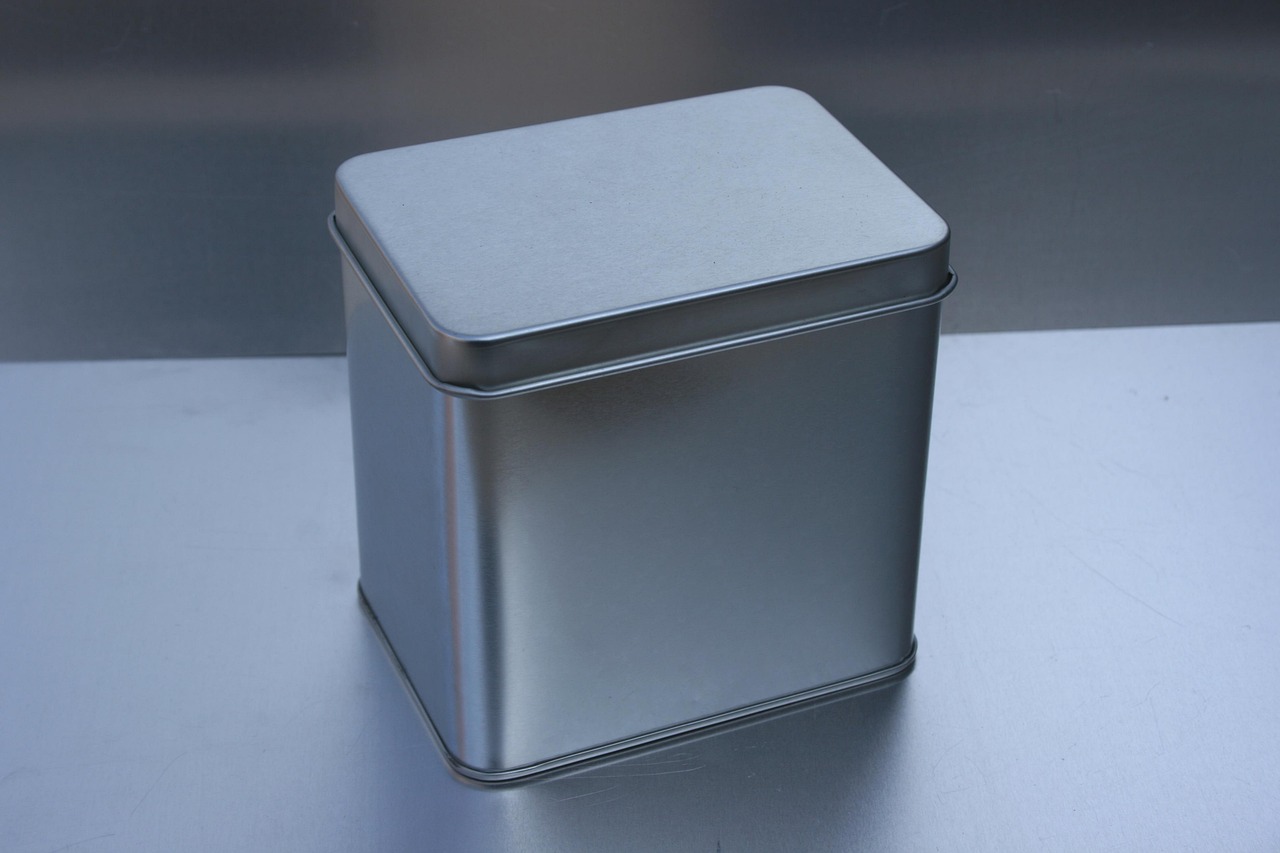
Photo by dosenwelten on Pixabay
Every Chinese tea storage guide starts with the same five enemies (五忌). Whether you're storing a 50-yuan bag of everyday green tea or a 50,000-yuan aged pu-erh cake, these apply universally:
1. Moisture (忌潮湿)
Moisture is tea's worst enemy. Tea leaves are hygroscopic — they absorb water from the surrounding air aggressively. When moisture content in the leaf exceeds 8%, chemical degradation accelerates. Above 12%, mold becomes a serious risk.
Target: Keep ambient humidity below 50% for most teas. For pu-erh aging, 50–70% is acceptable (the microbes need some moisture to work), but above 80% risks mold.
Practical solutions:
- Use desiccant packets (silica gel or bamboo charcoal) alongside stored tea
- In humid southern Chinese cities (Guangzhou, Hong Kong, Kunming), dedicated tea cabinets with dehumidification are common
- Never store tea in bathrooms, kitchens, or near water sources
2. Light (忌光照)
Ultraviolet light breaks down catechins, chlorophyll, and aromatic compounds, causing the tea to fade in color and lose its characteristic aroma. This is why you never see quality tea sold in clear glass containers in Chinese tea shops.
Target: Complete darkness for long-term storage. Opaque containers always.
3. Temperature Extremes (忌高温)
High temperatures accelerate chemical reactions — good for intentional aging within limits, destructive beyond them. Low temperatures slow everything down, which is useful for preserving freshness but counterproductive for aging.
Target: 20–25°C for most storage. 0–5°C for refrigerated fresh teas. Never above 35°C.
4. Oxygen (忌过度通风)
This is where it gets complicated, because different teas have different oxygen needs:
- Fresh teas (green, yellow): Minimize oxygen exposure. Seal tightly or vacuum-pack
- Aging teas (pu-erh, white, dark): Need trace oxygen for the chemical reactions that drive aging. Seal loosely — enough to keep contaminants out, not enough to create an anaerobic environment
5. Odors (忌异味)
Tea absorbs surrounding smells like a sponge. Store it near garlic, spices, cleaning products, or even strongly scented wood, and the tea will taste like those things within weeks.
Target: Store tea in odor-free environments, in containers that don't impart their own smell. Never in the same refrigerator compartment as strong-smelling food without airtight sealing.
Storage by Tea Type: A Complete Breakdown
Green Tea (绿茶): Preserve Freshness, Fight Time
Green tea is the most time-sensitive category. It doesn't improve with age — it only degrades. Your goal is to slow that degradation as much as possible.
Shelf life: 12–18 months under good conditions. 6–8 months at room temperature without care.
Optimal storage:
- Refrigerator, 0–5°C: This is the gold standard for green tea storage in China. The cold dramatically slows oxidation and aromatic loss. Use a dedicated tea-only section or double-seal the tea to prevent odor contamination
- Container: Aluminum foil bag (squeezed to remove air) inside a tin. Or vacuum-sealed aluminum foil bags
- Quantity management: Chinese tea professionals recommend buying green tea in small quantities and restocking frequently rather than storing large amounts
Common mistakes:
- Storing in the fridge in a flimsy bag next to leftover food → the tea absorbs every odor
- Removing tea from the fridge and opening immediately → condensation forms on the cold tea, introducing moisture. Let the package reach room temperature before opening (about 30 minutes)
- Buying a year's supply of Long Jing in April → the last batches, consumed 10 months later, will be noticeably inferior to fresh
For specific Long Jing storage advice, see our Long Jing Dragon Well guide.
Yellow Tea (黄茶): Same as Green, with Slightly More Time
Yellow tea shares green tea's sensitivity to degradation but is marginally more stable due to its light oxidation during the smothering (闷黄) step.
Shelf life: 12–18 months.
Optimal storage: Same as green tea — refrigerated, sealed, dark. The tiny amount of extra oxidation buys you maybe a month or two of additional shelf life, not more.
White Tea (白茶): The Rising Star of Aging
White tea is unique among the six types: it can be consumed fresh or aged for years, with dramatically different flavor profiles at each stage.
Fresh consumption (1–2 years):
- Storage similar to green tea but slightly less strict
- Sealed, dark, dry, room temperature (no need to refrigerate unless you want to freeze its current state)
- The tea is at its most delicate and floral
Aging (3–20+ years):
- The famous saying: "一年茶,三年药,七年宝" — one year tea, three years medicine, seven years treasure
- Seal: Three-layer packaging is standard — inner aluminum foil bag, middle food-grade plastic bag, outer carton or tin. Seal each layer. Don't vacuum-seal — the tea needs trace oxygen
- Humidity: Below 50%. This is critical. White tea stored in humid conditions develops mold, not flavor
- Temperature: Room temperature, 15–25°C. Do not refrigerate tea you intend to age — cold temperatures halt the enzymatic and chemical processes that drive aging
- Location: Dark, clean, dry room or cabinet. Away from walls (which can transmit moisture). Elevated off the floor
What happens during aging:
- Years 1–2: Floral, grassy, delicate
- Years 3–5: Honey notes emerge, body thickens, some floral character remains
- Years 7–10: Dried fruit, grain, deep honey. Smooth, thick liquor
- Years 10–20: Peak complexity. Amber liquor, extraordinary sweetness, almost medicinal depth
Market reality: The old white tea market has exploded — from 2.83 billion yuan in 2019 to 6.02 billion yuan in 2024 (CAGR 16.3%). Prices roughly double every 3–5 years for well-stored tea from good origins. New Shou Mei at 150 yuan per jin can reach 500–1,500 yuan after 7+ years.
For comprehensive white tea information, see our Fuding Bai Hao Yin Zhen guide.
Oolong Tea (乌龙茶): Depends on the Style
Oolong is the most variable category for storage because its oxidation level ranges from 15% to 70%.
Light/floral oolong (清香型) — e.g., modern Tie Guan Yin, high mountain oolong:
- Shelf life: 18–24 months
- Storage: Vacuum-sealed or nitrogen-flushed, refrigerated at 0–5°C. These teas are processed to maximize fresh floral aromas, which degrade quickly at room temperature
- Container: Vacuum-sealed aluminum foil bags inside a tin, in the fridge
Roasted/traditional oolong (浓香型/传统型) — e.g., roasted Tie Guan Yin, Da Hong Pao, Shui Xian:
- Shelf life: 3–10 years, depending on roast level. Heavily roasted Da Hong Pao can last a decade
- Storage: Do not refrigerate. Room temperature, sealed in tin or ceramic containers, in a dry place. The roasting drives out moisture and stabilizes the tea
- Re-roasting: Traditional oolong dealers in Wuyi and Anxi re-roast (复焙) their inventory every 1–2 years to maintain quality and drive off absorbed moisture. This is a professional technique — home tea drinkers generally can't replicate it safely
Aged oolong (老乌龙):
- Some oolong teas, particularly heavily roasted Wuyi rock teas, are deliberately aged for 10–30+ years
- Storage principles similar to pu-erh: sealed but not vacuum, room temperature, dry, dark
- High-quality aged Da Hong Pao can command extraordinary prices
For details on specific oolong varieties, see our Da Hong Pao vs. Tie Guan Yin comparison.
Red Tea (红茶): Moderate Shelf Life, No Aging Benefit
Red tea (what the West calls "black tea") is fully oxidized, giving it stability but not aging potential.
Shelf life: 2–3 years for most red teas. Some heavily smoked varieties (like traditional Zhengshan Xiaozhong / 正山小种) can last longer.
Optimal storage:
- Do not refrigerate. Red tea doesn't need cold storage and can absorb fridge moisture and odors
- Sealed in tin, ceramic, or aluminum foil bags
- Room temperature, dry, dark
- Tin or porcelain caddies are the traditional Chinese choice for red tea
Common mistake: Storing red tea in the fridge alongside green tea. Red tea's warmer, malty aromas aren't preserved by cold — and fridge humidity can cause the tea to degrade faster than room-temperature storage.
Dark Tea / Pu-erh (黑茶/普洱茶): The King of Aging
Dark tea — particularly pu-erh from Yunnan — is the category most associated with deliberate aging. But the storage requirements are more nuanced than most sources acknowledge.
Sheng (生) pu-erh (raw):
- Can be aged for 20–50+ years
- The most dramatic transformation of any tea type: young sheng is bright, astringent, and almost aggressively vegetal. Properly aged sheng becomes smooth, sweet, complex, with camphor, dried fruit, and honey notes
- Storage temperature: 20–30°C is ideal. Chinese pu-erh storage experts in Guangzhou, Kunming, and Hong Kong each have different philosophies based on local climate
- Humidity: 50–70% relative humidity. This is the critical variable. Below 50%, aging slows to a crawl. Above 80%, mold risk increases dramatically
- Ventilation: Light air circulation is beneficial. The tea needs oxygen for the microbial and enzymatic processes that drive aging. Store in breathable containers — not vacuum-sealed
- "Dry storage" vs. "wet storage": A longstanding debate in pu-erh circles. "Dry storage" (干仓) at 50–70% humidity produces slower, cleaner aging. "Wet storage" (湿仓) at higher humidity accelerates aging but risks musty, dirty flavors. The Chinese pu-erh market overwhelmingly values dry-stored tea
Shou (熟) pu-erh (ripe):
- Already post-fermented via the wo dui (渥堆) process, so less aging transformation than sheng
- Still improves for 3–10 years as rough edges smooth out
- Storage requirements are less strict than sheng: sealed, room temperature, dry, dark
- After 10–15 years, further improvement is minimal for most shou pu-erh
Practical pu-erh storage tips from Chinese collectors:
- Store cakes in their original bamboo tong (筒) wrapping — the bamboo provides some humidity buffering
- If storing loose or individual cakes, use breathable paper or cloth wrapping, then place in a cardboard box or ceramic jar
- Don't store different teas together — they'll cross-contaminate aromas
- Keep tea off the ground (use shelves) and away from walls (at least 10cm gap for air circulation)
- In very dry climates (like northern China), you may need to add a small open water container near the tea to maintain humidity — but monitor carefully to avoid going too high
For detailed pu-erh information, see our Pu-erh sheng vs. shou buying guide.
Storage Container Guide
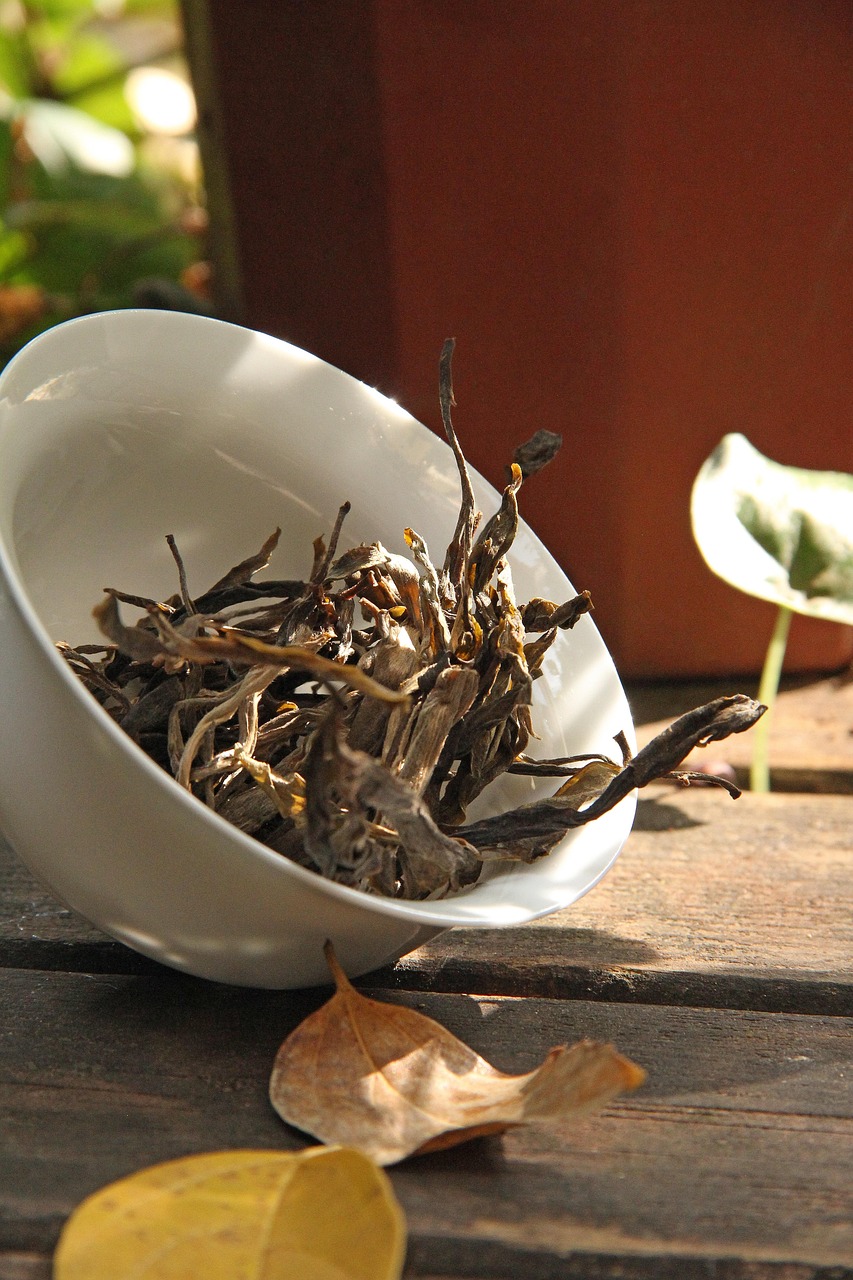 Photo by
 Chinese tea storage containers aren't just aesthetic choices — each material has specific advantages and disadvantages:
Tin (锡罐)
Best for: All tea types, especially teas consumed fresh
- Excellent light-blocking
- Good moisture barrier
- Non-reactive — doesn't impart flavors
- The traditional premium choice in Chinese tea culture
- Expensive for large quantities
Porcelain/Ceramic (瓷罐/陶罐)
Best for: Red tea, oolong, short-term dark tea storage
- Good light-blocking
- Moderate moisture regulation (unglazed ceramics breathe slightly, which can benefit aging teas)
- Beautiful and traditional
- Yixing clay containers (紫砂罐) are prized for pu-erh storage — the porous clay absorbs and stabilizes aromas over time
- Heavy and fragile
Aluminum Foil Bags (铝箔袋)
Best for: Green tea, yellow tea, any tea going into the fridge
- Excellent moisture, light, and oxygen barrier when properly sealed
- Lightweight and inexpensive
- Can be vacuum-sealed
- Not aesthetically appealing, but extremely practical
- The most common commercial tea packaging in China today
Dark Glass (棕色玻璃罐)
Best for: Short-term storage of any type
- Good light-blocking (brown or dark green glass)
- Decent moisture barrier with a good seal
- Less common than tin or porcelain in Chinese tea culture
- Clear glass should never be used for storage — only for display or brewing
Paper/Cardboard (纸盒)
Best for: Outer layer of multi-layer packaging, short-term only
- Poor moisture barrier
- Acceptable as an outer wrapper over sealed inner bags
- Traditional bamboo shell (笋壳) wrapping for pu-erh cakes is technically in this category — it provides some protection while allowing the tea to breathe
What Not to Use
- Plastic bags: Unless food-grade and used as a middle layer. Thin plastic alone is too permeable to moisture and oxygen
- Clear glass: Lets in light, destroying tea compounds
- Metal containers with strong-smelling linings: Some cheap tins have a rubber or plastic liner that off-gasses into the tea
- Wooden boxes: Unless they're odor-free wood. Cedar, pine, and camphorwood all impart strong smells that ruin tea
The Home Storage Setup: Chinese Best Practices
Most Chinese tea drinkers use a tiered system:
Daily Drinking Tea (日常饮用)
- Small tin or ceramic caddy on the tea table
- Contains 1–2 weeks' worth of tea
- Refilled from the main storage supply
- This tea is exposed to air regularly — that's fine for short periods
Main Supply (主要存储)
- Sealed aluminum foil bags or tins
- Green and yellow tea: in the fridge
- Red, oolong: in a cool, dry cupboard
- Stored in a dry, dark area away from the kitchen
Long-Term Aging Collection (长期陈放)
For those aging pu-erh, white tea, or dark tea:
- Dedicated room or closet, ideally temperature-controlled
- Shelving to keep tea off the ground and away from walls
- Hygrometer to monitor humidity (under 100 yuan for a digital one)
- No strong-smelling items anywhere nearby
- Separate sections for different tea types to prevent aroma cross-contamination
- Periodic checks (monthly) for signs of mold, insects, or moisture problems
Climate Considerations Across China
Storage advice varies dramatically depending on where in China you live:
| Region | Challenge | Solution |
|---|---|---|
| South (广州, 香港) | High humidity (70–90%+) | Dehumidifiers, sealed storage with desiccants. "Guangzhou-stored" pu-erh ages faster but requires vigilance |
| East (上海, 杭州) | Humid summers, dry winters | Air conditioning in summer, moderate humidity in winter. Seasonal adjustments needed |
| North (北京, 天津) | Very dry, cold winters | Tea ages slowly. May need humidity supplementation for pu-erh. Heating in winter dries air further |
| Southwest (昆明) | Mild, relatively dry year-round | Ideal natural conditions for pu-erh storage. "Kunming-stored" is considered the standard for clean, slow aging |
| Northwest (西安, 兰州) | Very dry, extreme temperatures | Similar to north. Challenging for aging; excellent for preserving fresh tea |
The Aging Investment: Is It Worth It?
 Source: Yunnan Sourcing
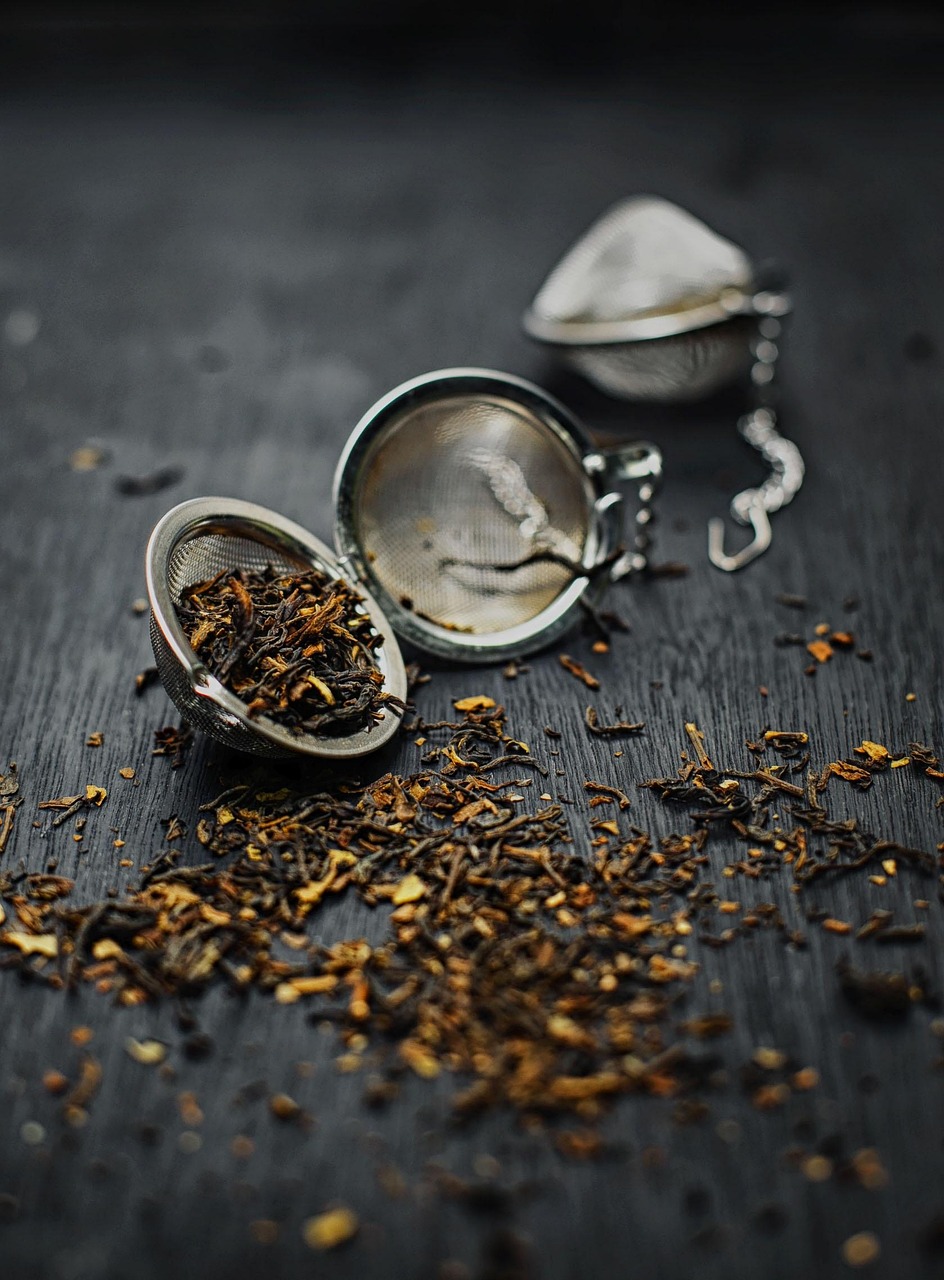 Photo by
 Pu-erh as Investment
The pu-erh market has produced both spectacular returns and spectacular losses:
- Success stories: Cakes of famous-mountain sheng pu-erh from the early 2000s that cost 50–200 yuan per cake now sell for 5,000–50,000+ yuan
- The 2007 bubble: A speculative mania drove pu-erh prices to unsustainable levels. When the bubble burst, many investors lost heavily. Prices crashed 60–80% for commodity-grade pu-erh
- Current market: More rational than the 2007 era, with clear premiums for specific mountains (Lao Banzhang, Bingdao, Yiwu), verifiable age, and clean storage
Reality check: Only a small percentage of pu-erh cakes appreciate significantly. Success requires: buying good raw material from the start, storing impeccably for years, and having market access when you want to sell. Most tea collectors in China buy to drink, not to invest.
White Tea as Investment
The white tea aging market is newer and less mature than pu-erh:
- Growth trajectory: 16.3% CAGR in the old white tea market (2019–2024)
- Lower entry point: You can start aging Shou Mei at 80–200 yuan per jin, compared to 500+ yuan for even basic-origin sheng pu-erh cakes
- Simpler storage: White tea is less demanding than pu-erh — sealed, dry, dark, room temperature
- Risk: The market is younger and less tested. Counterfeiting is rampant. Genuine old white tea is scarce; most "20-year old white tea" on the market is fake
General Advice from Chinese Tea Professionals
Chinese tea dealers and collectors consistently offer these principles:
- Buy to drink first, invest second. If you wouldn't enjoy drinking it, don't store it
- Quality in, quality out. Poor tea doesn't become good tea with age. It just becomes old poor tea
- Storage is half the battle. A mediocre tea stored perfectly will outperform a great tea stored badly
- Verify before buying aged tea. The provenance and storage history matter as much as the claimed age
- Diversify. If you're building an aging collection, don't put everything into one type or one origin
Quick Reference: Storage Cheat Sheet
| Tea Type | Ideal Storage | Temperature | Humidity | Shelf Life / Aging Potential | Refrigerate? |
|---|---|---|---|---|---|
| Green tea (绿茶) | Sealed, aluminum foil bag in tin | 0–5°C | <50% | 12–18 months | Yes |
| Yellow tea (黄茶) | Same as green | 0–5°C | <50% | 12–18 months | Yes |
| White tea — fresh (白茶) | Sealed, dark, dry | 15–25°C | <50% | 1–2 years fresh | Optional |
| White tea — aging | Three-layer seal, dark, dry | 15–25°C | <50% | 10–20+ years | No |
| Oolong — light (清香型) | Vacuum-sealed, fridge | 0–5°C | <50% | 18–24 months | Yes |
| Oolong — roasted (浓香型) | Sealed tin/ceramic | 20–25°C | <50% | 3–10 years | No |
| Red tea (红茶) | Sealed tin/ceramic | 20–25°C | <50% | 2–3 years | No |
| Sheng pu-erh (生普) | Breathable wrap, shelf | 20–30°C | 50–70% | 20–50+ years | No |
| Shou pu-erh (熟普) | Sealed or semi-sealed | 20–25°C | <60% | 3–15 years | No |
| Other dark tea (黑茶) | Semi-sealed, ventilated | 20–25°C | <70% | 5–20+ years | No |
Common Storage Mistakes (and How to Fix Them)
"I stored my green tea at room temperature for six months"
Diagnosis: The tea has likely lost significant aroma and may taste flat or stale. Fix: You can't restore what's lost, but lightly re-heating the tea in a dry wok at very low temperature (60–80°C) for a few minutes can revive some aroma. Or repurpose the tea as cold-brew — cold water extraction produces a sweeter, less astringent cup that masks staleness.
"My pu-erh cake has white spots on it"
Diagnosis: Could be either beneficial "golden flower" (金花) mold (common on some dark teas and a sign of proper fermentation) or harmful mold. Differentiation: Golden flower appears as tiny, even yellow-gold dots. Harmful mold is white or green, fuzzy, unevenly distributed, and smells musty. Fix for harmful mold: If minor and surface-only, air out the cake in a dry, ventilated space for several days. Brush off the surface mold. Taste a small sample — if it tastes clean, the tea may be salvageable. If the mold has penetrated deeply or the tea tastes musty, discard it.
"My tea smells like the refrigerator"
Diagnosis: Insufficient sealing allowed the tea to absorb food odors. Fix: Spread the tea thinly on clean paper in a dry, well-ventilated area for 1–2 days. Some odor will dissipate. For future storage, always double-seal tea before refrigerating — aluminum foil inner bag, sealed in a plastic bag or tin.
"I vacuum-sealed my pu-erh and nothing changed after three years"
Diagnosis: Vacuum sealing removes the oxygen needed for aging. The tea has been in stasis. Fix: Remove from vacuum packaging, wrap in clean paper, and store properly with air access. The aging process will restart, though those three years are essentially lost time.
Frequently Asked Questions
Should I put all my tea in the refrigerator?
No. Refrigeration is appropriate only for green tea, yellow tea, and light-fragrance oolong — teas meant to be consumed fresh where cold slows degradation. For teas intended for aging (pu-erh, white tea, dark tea), refrigeration stops the chemical processes that develop complexity over time. For red tea and roasted oolong, refrigeration is unnecessary and the fridge's humidity and odors can actually harm the tea. Always double-seal any tea that goes in the fridge.
How do I know if my aged tea has gone bad?
Three tests: smell it (musty, sour, or chemical odors indicate problems), look at it (visible fuzzy mold, especially green or black mold, is bad), and taste a small sample (clean aged tea tastes smooth, sweet, and complex; bad aged tea tastes musty, sour, or harsh). Some mustiness in very old tea can air out — spread the tea and let it breathe for a few days before judging. But if the core flavor is compromised, storage damage is usually irreversible.
Can I store different types of tea together?
Ideally, no. Different teas have different aromas, and cross-contamination is a real problem. At minimum, keep each tea in its own sealed container. If you have a dedicated tea storage area, separate shelves or sections for different types is best practice. The most important separation is between fresh teas (green, yellow) and aging teas (pu-erh, dark tea) — their storage requirements are fundamentally different.
How long does pu-erh tea keep aging?
There's no definitive upper limit, but most Chinese pu-erh experts believe sheng pu-erh reaches peak complexity between 20 and 50 years, depending on the original material and storage conditions. After that, the tea remains drinkable but may begin to lose vibrancy — becoming extremely smooth but one-dimensional. Shou pu-erh typically reaches its best within 10–15 years and has less long-term aging potential. Claims about 100-year-old pu-erh should be treated with extreme skepticism.
Is it worth aging tea at home or should I buy already-aged tea?
Both approaches have merits. Aging at home gives you confidence in the storage conditions and is much cheaper (you buy at new-tea prices and wait). But it requires patience, proper storage infrastructure, and the ability to select good raw material that will age well. Buying already-aged tea is convenient but risky — provenance is difficult to verify, counterfeiting is common, and you pay a premium for someone else's storage. Many Chinese collectors do both: they buy new tea to age and occasionally purchase older teas from trusted dealers to enjoy now.
Related Reading
- The Six Types of Chinese Tea: A Complete Guide
- Pu-erh Tea: Sheng vs. Shou Buying Guide
- White Tea: Why Fuding Bai Hao Yin Zhen Is Called 'Tea Gold'
— The Tea Atlas Team