White Tea: Why Fuding Bai Hao Yin Zhen Is Called 'Tea Gold'
- Bai Hao Yin Zhen (白毫银针) is the highest grade of Chinese white tea, made exclusively from single buds covered in fine silver-white downy hairs, and historically valued at the same price as gold according to Qing dynasty records
Quick Answer
- Bai Hao Yin Zhen (白毫银针) is the highest grade of Chinese white tea, made exclusively from single buds covered in fine silver-white downy hairs, and historically valued at the same price as gold according to Qing dynasty records
- Fuding (福鼎) in Fujian Province dominates white tea production, with 362,000 mu of tea gardens producing 23,000 tons of white tea in 2023, generating a comprehensive industry value of 15.013 billion yuan
- White tea follows the "one year tea, three years medicine, seven years treasure" (一年茶,三年药,七年宝) principle — properly stored white tea appreciates in value over time, with the old white tea market growing from 2.83 billion yuan in 2019 to 6.02 billion yuan in 2024 at a compound annual growth rate of 16.3%
- The processing is deceptively simple — just withering and drying — but this minimal intervention preserves the highest natural polyphenol content of any tea type, giving white tea its distinctive health properties and aging potential
In the Qing dynasty, the scholar Zhou Lianggong wrote in his Notes on Fujian (《闽小记》): "White Hao Silver Needle... its value equals gold" (价与金母). That wasn't poetic license. Bai Hao Yin Zhen was genuinely traded at gold-equivalent prices in export markets.
Three centuries later, white tea is having a moment again. After decades of relative obscurity — overshadowed by green tea, oolong, and pu-erh — Fuding white tea has become one of China's fastest-growing tea categories. The brand value of Fuding White Tea reached 70.66 billion yuan in 2023, ranking fourth among all Chinese regional tea brands for the fourteenth consecutive year.
This guide explains white tea through Chinese sources: Baidu Baike, Fuding tea industry data, Zhihu tea communities, and Chinese agricultural research. Everything here comes from how Chinese tea experts understand their own product.
For context on where white tea fits among China's six tea categories, see our complete guide to Chinese tea types.
What Makes White Tea Different
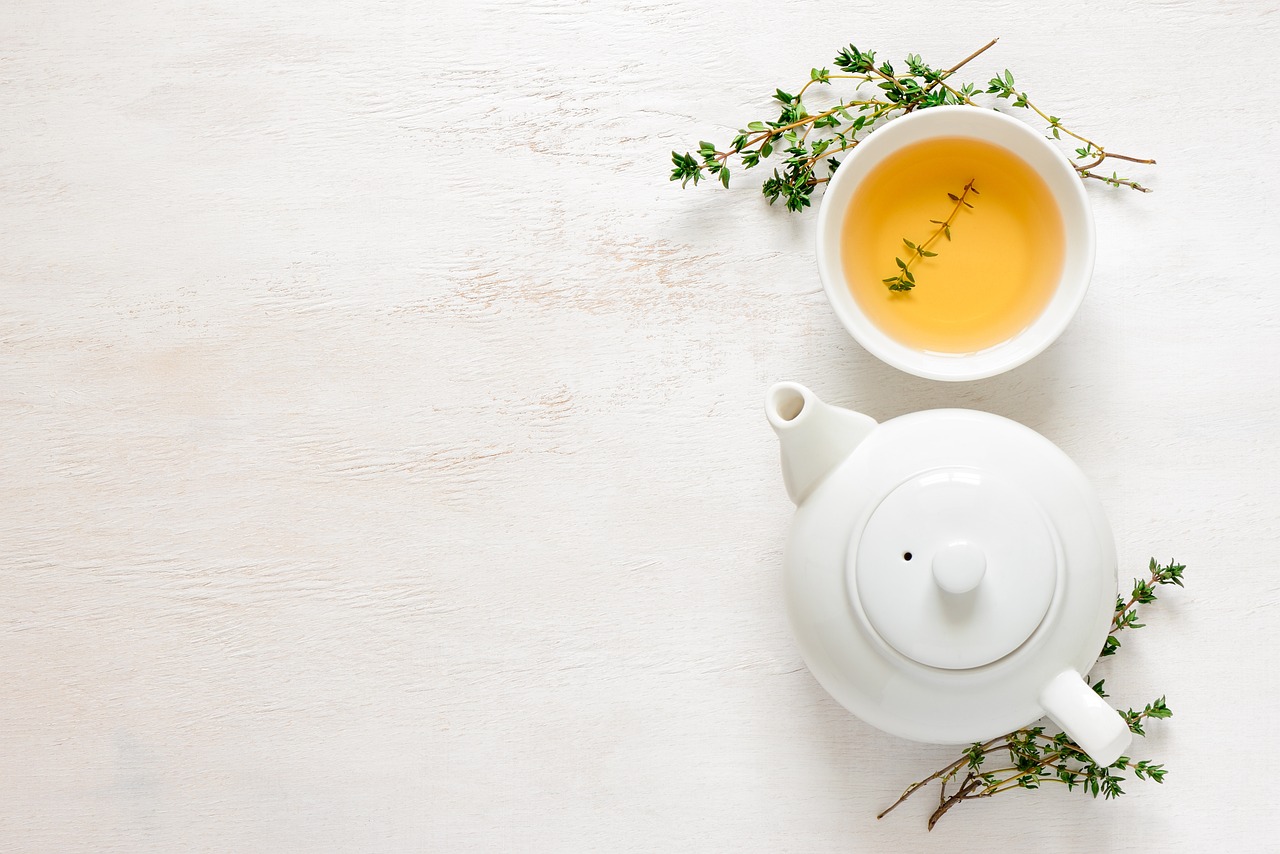
Photo by dungthuyvunguyen on Pixabay
The Simplest Processing, The Most Complex Chemistry
White tea undergoes the least processing of any tea type. The basic steps are:
- Picking (采摘): Harvest the buds and/or young leaves
- Withering (萎凋): Spread the leaves to dry naturally in air, sunlight, or a controlled environment for 48–72 hours
- Drying (干燥): Final low-temperature drying to reduce moisture to below 5%
That's it. No kill-green (杀青). No rolling (揉捻). No shaking (摇青). No fermentation. The enzymes in the leaf are never deliberately activated or stopped — they simply slow down naturally as moisture is lost.
This apparent simplicity is deceiving. Because there's so little human intervention, the quality of white tea depends almost entirely on two things: the raw material (leaf quality) and the skill of the withering. Get either wrong and the tea fails.
During withering, a slow, gentle oxidation occurs — typically 5–10% — driven by residual enzyme activity. This micro-oxidation develops white tea's characteristic mellow sweetness without the grassy notes of green tea or the robust flavors of more heavily oxidized types. It also preserves an exceptionally high concentration of natural polyphenols, catechins, and amino acids.
The Four Grades of White Tea
White tea is classified into four grades based on the picking standard:
| Grade | Chinese | Raw Material | Character |
|---|---|---|---|
| Bai Hao Yin Zhen (白毫银针) | Silver Needle | Single buds only | The pinnacle. Plump, straight buds covered in dense white down. Delicate, sweet, with a "fresh lotus" aroma |
| Bai Mu Dan (白牡丹) | White Peony | One bud, one to two leaves | More complex flavor than Yin Zhen. The leaf adds body and a slight floral note. Named because the opened leaves around the bud resemble a peony flower |
| Gong Mei (贡眉) | Tribute Eyebrow | One bud, two to three leaves (from the Caicha varietal) | Fuller-bodied, earthier. Traditionally made from the local small-leaf Caicha (菜茶) variety rather than Da Bai or Da Hao cultivars |
| Shou Mei (寿眉) | Longevity Eyebrow | Mature leaves and some stems | The most affordable grade. Robust, hearty flavor. Excellent for aging |
The hierarchy is clear: Bai Hao Yin Zhen sits at the top, and its price reflects that position.
Fuding: The Heartland of White Tea
Why Fuding?
Fuding (福鼎) is a county-level city in northeastern Fujian Province, facing the East China Sea. Several factors make it ideal for white tea:
- Climate: Subtropical maritime, with warm winters, cool summers, and abundant rainfall. Annual average temperature around 18.5°C, annual rainfall approximately 1,600mm
- Elevation: Tea gardens range from 200 to 800 meters above sea level, with the best growing in the 400–600 meter range where clouds and mist are frequent
- Soil: Acidic red and yellow soils rich in organic matter, with good drainage
- Cultivar: Fuding Da Bai (福鼎大白) and Fuding Da Hao (福鼎大毫) tea tree cultivars — both nationally designated "excellent varieties" (良种) — produce buds that are exceptionally plump and covered in thick white down
The Taimu Mountain Origin
Within Fuding, the most prestigious origin is Taimu Mountain (太姥山), a UNESCO Global Geopark. According to local tradition, white tea originated here. The "Lüxue Ya" (绿雪芽) tea trees on Taimu Mountain are considered ancestral to modern Fuding white tea cultivars.
Other important Fuding production areas include Dianbu (点头镇) — the largest white tea trading town — Guanyang (管阳), Panzhe (磻溪), and Bailin (白琳). Each sub-region produces tea with slightly different character due to variations in elevation, microclimate, and soil.
Production Data
Fuding's white tea industry has grown dramatically:
| Year | Tea Garden Area | White Tea Output | Total Industry Value |
|---|---|---|---|
| 2022 | 305,000 mu harvestable | 23,000 tons | 13.891 billion yuan |
| 2023 | 362,000 mu total / 305,000 mu harvestable | 23,000 tons | 15.013 billion yuan |
Fuding produces roughly 24% of China's total white tea output. National white tea production reached 100,200 tons in 2023, a 6% year-over-year increase. National white tea sales totaled 10.75 billion yuan in 2023, up 6.9% from the previous year.
Bai Hao Yin Zhen: The Crown Jewel
The "Ten Don'ts" of Picking (十不采)
Bai Hao Yin Zhen has the most stringent picking requirements of any Chinese tea. The traditional "ten don'ts" rule (十不采) states:
- Don't pick on rainy days (雨天不采)
- Don't pick when dew hasn't dried (露水未干不采)
- Don't pick thin, weak buds (细瘦芽不采)
- Don't pick purple buds (紫色芽头不采)
- Don't pick wind-damaged buds (风伤芽不采)
- Don't pick insect-damaged buds (虫伤芽不采)
- Don't pick buds damaged by humans (人为损伤芽不采)
- Don't pick hollow buds (空心芽不采)
- Don't pick buds that have begun to open (开心芽不采)
- Don't pick diseased buds (病态芽不采)
Only plump, intact, single buds that meet all ten criteria qualify. A skilled picker harvests roughly 20,000–30,000 buds per day. It takes approximately 50,000–60,000 buds to produce one jin (500g) of finished Bai Hao Yin Zhen.
The Withering Process
After picking, the buds are spread in a single layer on bamboo trays or specialized withering racks. Traditional Fuding withering involves:
- Outdoor withering (日光萎凋): Spreading buds in gentle sunlight during the morning or late afternoon, avoiding harsh midday sun. This is considered the most traditional method and produces the most complex flavor
- Indoor withering (室内萎凋): Spreading buds in a well-ventilated indoor space with controlled temperature (20–25°C) and humidity. Used when weather doesn't permit outdoor withering
- Combined withering (复式萎凋): Alternating between outdoor and indoor withering. This is the most common commercial practice
The entire withering process takes 48–72 hours. The tea master's skill lies in reading the weather, adjusting tray thickness, and knowing precisely when withering is complete — the bud should feel slightly springy, not crispy, and the white down should remain intact.
Sensory Profile
Appearance: Plump, straight buds about 3cm long, densely covered in silver-white down (the 白毫 that gives the tea its name). When brewed, the buds float and slowly sink.
Aroma: Fresh, clean, and subtle. Often described as "lotus fragrance" (莲花香) or "fresh grain" (毫香). Aged Yin Zhen develops a more pronounced honey-like sweetness.
Liquor: Pale, almost colorless to light straw-yellow. Crystal clear and bright.
Taste: Extremely delicate. Fresh, sweet, and smooth with high amino acid content creating a characteristic umami quality. No bitterness, no astringency. The aftertaste is long and gently sweet.
The Economics of "Tea Gold"
 Source: Yunnan Sourcing
 Photo by JMstudiopro on Pixabay
Current Pricing
White tea prices vary enormously by grade, origin, and age:
| Tea Type | New Tea (per 500g) | 3-Year Aged | 7+ Year Aged |
|---|---|---|---|
| Bai Hao Yin Zhen (Taimu Mountain) | 2,000–5,000 yuan | 4,000–8,000 yuan | 8,000–20,000+ yuan |
| Bai Hao Yin Zhen (other Fuding) | 800–2,000 yuan | 1,500–4,000 yuan | 3,000–10,000 yuan |
| Bai Mu Dan (good origin) | 400–1,000 yuan | 800–2,000 yuan | 2,000–5,000 yuan |
| Gong Mei | 150–400 yuan | 300–800 yuan | 800–2,000 yuan |
| Shou Mei | 80–200 yuan | 150–500 yuan | 500–1,500 yuan |
The "Old White Tea" Market Boom
The concept of "越陈越香" (the older, the more fragrant) has transformed white tea from a beverage into an investment vehicle. Key market data:
- The Chinese old white tea market grew from 2.83 billion yuan in 2019 to 6.02 billion yuan in 2024, a compound annual growth rate of 16.3%
- White tea follows a rough doubling pattern: prices approximately double every 3–5 years for properly stored tea
- New Shou Mei averaging 150 yuan per jin can reach 500–1,500 yuan per jin after 7+ years
- Fuding white tea's brand value reached 70.66 billion yuan, ranking fourth among all Chinese tea regional brands for 14 consecutive years
The Counterfeiting Problem
As with any high-value tea, counterfeiting is rampant. A CCTV consumer investigation found that on platforms like Taobao, "old white tea" priced from 50 yuan to over 10,000 yuan per jin floods the market, with quality and authenticity wildly inconsistent.
Common fakes include:
- Tea from non-Fuding origins sold as "Fuding White Tea"
- Artificially aged tea (using high humidity to accelerate darkening) sold as naturally aged
- Shou Mei sold as Bai Mu Dan or even Yin Zhen
- Tea stored improperly (moldy or degraded) passed off as "aged character"
How to Brew Bai Hao Yin Zhen
White tea is one of the most forgiving teas to brew, but Yin Zhen specifically benefits from attention to temperature.
Gaiwan Method (Recommended)
- Tea amount: 5g per 100–120ml gaiwan
- Water temperature: 90–95°C. Unlike green tea, Yin Zhen's thick buds can handle — and benefit from — higher temperatures that extract more of the deep sweetness. Using 80°C will produce a thinner, less expressive cup
- First infusion: 20–30 seconds
- Subsequent infusions: Gradually increase steeping time. Good Yin Zhen supports 7–10 infusions
- Technique: Pour water along the side of the gaiwan, not directly onto the buds. This prevents disturbing the delicate white down
For a detailed breakdown of the gaiwan brewing technique, see our gongfu brewing guide.
Glass Cup Method
- Tea amount: 3–4g per 200ml glass
- Water temperature: 90–95°C
- Steeping: 3–5 minutes
- Visual appeal: Watching Yin Zhen buds stand upright in a glass is one of the most beautiful sights in Chinese tea. The buds dance and slowly descend, their white hairs catching the light
Boiling Method (For Aged Yin Zhen)
Old Yin Zhen (5+ years) releases its full character when gently boiled:
- Use 5–7g per 500ml
- Bring water to a gentle boil, add tea, reduce to a simmer
- Simmer for 2–3 minutes
- The result is a rich, honey-sweet liquor completely unlike the delicate fresh version
Storing and Aging White Tea
Why White Tea Ages Well
Unlike green tea, which degrades with time, white tea improves — if stored correctly. The minimal processing leaves residual enzyme activity and a chemical profile that continues to evolve:
- Year 1–2: Fresh, delicate, predominantly floral and grassy
- Year 3–5: Sweetness deepens, honey notes emerge, body thickens. This is when "three years medicine" kicks in
- Year 7+: Complex, smooth, with dried fruit, grain, and honey aromas. Full-bodied and mellow. The "seven years treasure" stage
- Year 10–20: Peak complexity for most white tea. Deep amber liquor, thick mouthfeel, extraordinary sweetness
Storage Requirements
White tea storage follows five rules:
- Sealed (密封): Use three-layer packaging — aluminum foil inner bag, food-grade plastic bag, outer carton or tin. Exclude air but don't vacuum-seal (the tea needs trace oxygen for aging)
- Dry (干燥): Ambient humidity should stay below 50%. Moisture is white tea's enemy — it causes mold and off-flavors
- Dark (避光): Direct light accelerates chemical degradation. Store in an opaque container in a dark space
- Cool (阴凉): Room temperature is fine (15–25°C). Avoid refrigeration for aging tea — the cold stops the chemical processes that drive aging. Only refrigerate if you want to preserve fresh white tea as-is
- Odor-free (无异味): Tea absorbs surrounding smells aggressively. Never store near kitchens, cleaning products, or strong-smelling materials
For comprehensive storage guidance across all tea types, see our complete guide to storing and aging Chinese tea.
White Tea and Health: The Chinese Perspective
 Photo by
 Chinese medical tradition has long attributed cooling, detoxifying properties to white tea. The Qing dynasty reference to Yin Zhen's "efficacy comparable to rhinoceros horn" (功同犀角) specifically referred to its use in treating childhood measles and fevers.
Modern Chinese research has identified several properties:
- Antioxidant capacity: White tea retains the highest level of natural polyphenols among all six tea types because of minimal processing. Studies from Fujian Agricultural and Forestry University show white tea's free radical scavenging ability exceeds that of green tea in some assays
- Anti-aging: The high polyphenol and amino acid content is associated with cellular protection against oxidative stress
- Cardiovascular benefit: As part of the broader tea-and-health research, the 100,000-person China-PAR study published in the European Journal of Preventive Cardiology found habitual tea drinkers had a 20% lower risk of cardiovascular disease and 15% lower all-cause mortality
- Cooling properties (性凉): In Traditional Chinese Medicine, white tea is classified as cooling (凉性), making it recommended for people with "heat" constitutions. It is traditionally used to reduce internal heat, clear the mind, and promote calm
For a comprehensive look at the research, see our article on Chinese tea and health research.
Fuding vs. Zhenghe: The Other White Tea Origin
While Fuding dominates the white tea narrative, Zhenghe (政和) in northern Fujian is the other historical white tea production center. The differences are meaningful:
| Factor | Fuding (福鼎) | Zhenghe (政和) |
|---|---|---|
| Primary cultivar | Fuding Da Bai, Fuding Da Hao | Zhenghe Da Bai |
| Elevation | 200–800m | 400–1,000m |
| Withering style | More sun-withering | More indoor withering |
| Yin Zhen character | Plumper buds, lighter color, fresher and more delicate | Slightly longer buds, darker down, more robust flavor |
| Market presence | Dominant (70%+ of national brand recognition) | Smaller but growing, appreciated by tea connoisseurs |
Neither is objectively "better" — they produce different expressions of white tea. But Fuding's marketing and branding infrastructure is far more developed, which explains its market dominance.
Common Misconceptions About White Tea
"White tea is just unprocessed leaves"
While white tea undergoes less processing than other types, calling it "unprocessed" is inaccurate. Withering is an active process requiring constant monitoring and adjustment. Poor withering produces bad white tea — it's not enough to just let leaves sit out.
"All old white tea is good"
Age alone doesn't make white tea valuable. Tea that was poor quality to begin with, or that was stored improperly, doesn't become "treasure" at seven years — it becomes expensive garbage. Storage conditions matter as much as the tea itself.
"White tea is weak and flavorless"
New Bai Hao Yin Zhen is indeed subtle. But aged white tea develops extraordinary depth and richness. And even new white tea, when brewed with properly hot water (90–95°C, not the 70–80°C some Western guides recommend), reveals far more character than most people expect.
"The whiter the better"
More white down (白毫) generally indicates a better picking standard, but color of the down can vary naturally. Some authentic Yin Zhen has slightly golden-tipped down. Artificially whitened leaves are a known counterfeiting technique — extremely white, uniform color can actually be a warning sign.
Frequently Asked Questions
Why is Bai Hao Yin Zhen called "tea gold"?
The nickname traces to the Qing dynasty, when Zhou Lianggong recorded that Bai Hao Yin Zhen was traded at prices equivalent to gold in export markets (价与金母). Several factors justified this: the extreme labor intensity (50,000–60,000 buds per jin), the strict "ten don'ts" picking rules, and the limited production window. Today, premium Taimu Mountain Yin Zhen at 2,000–5,000 yuan per jin still commands prices comparable to other luxury goods, and aged examples can exceed 20,000 yuan per jin.
How long can white tea be stored?
Properly stored white tea can be kept for 20+ years and continues to develop complexity throughout. The general guideline is "一年茶,三年药,七年宝" — tea at one year, medicine at three, treasure at seven. Most experts consider the 10–20 year range to be peak drinking quality, though some teas continue improving beyond that. The critical factor is storage conditions: sealed, dry (below 50% humidity), dark, room temperature, and odor-free.
Is Fuding the only place that produces white tea?
No. Zhenghe (政和) in Fujian is the other major historical white tea origin and produces excellent Yin Zhen with a slightly different character. Jianyang (建阳) in Fujian also has a white tea tradition. In recent years, Yunnan, Guizhou, Hunan, and other provinces have begun producing white tea using local cultivars. However, Fuding remains the benchmark — its Da Bai and Da Hao cultivars are specifically bred for the plump, heavily downed buds that define premium Yin Zhen.
Should I refrigerate white tea?
Only if you want to preserve it in its current state. Refrigeration (0–5°C) slows the chemical processes that drive aging — good for keeping fresh Yin Zhen delicate, but counterproductive if you're aging the tea for future drinking. For aging, store at room temperature (15–25°C) in a sealed, dark, dry environment. Never freeze white tea.
How do I know if old white tea is genuine or artificially aged?
Look for these signs of artificial aging: uniformly dark color with no variation between leaf and bud; musty or moldy smell (rather than clean grain/honey); thin, flat taste without the smooth sweetness of genuine aging; leaves that are brittle and crumbly rather than pliable. Authentic aged white tea has a clean, sweet aroma, a smooth and thick liquor, and leaves that still show some structural integrity. When in doubt, buy from established Fuding producers with documented storage histories rather than anonymous market sellers.
Related Reading
- The Six Types of Chinese Tea: A Complete Guide
- Pu-erh Tea: Sheng vs. Shou Buying Guide
- How to Store and Age Chinese Tea
— The Tea Atlas Team
See real Silver Needle examples: Silver Needle White Tea (Bai Hao Yin Zhen) and Organic Nonpareil Silver Needle at TeaVivre.