Zhengyan (True Rock) Wuyi Oolong: What Makes It Special
- Zhengyan Wuyi Oolong is a top-grade Chinese oolong tea, recognized as a national intangible cultural heritage in 2006 and part of human intangible heritage in 2022 Wuyi Rock Tea Da Hong Pao Baidu Baike.
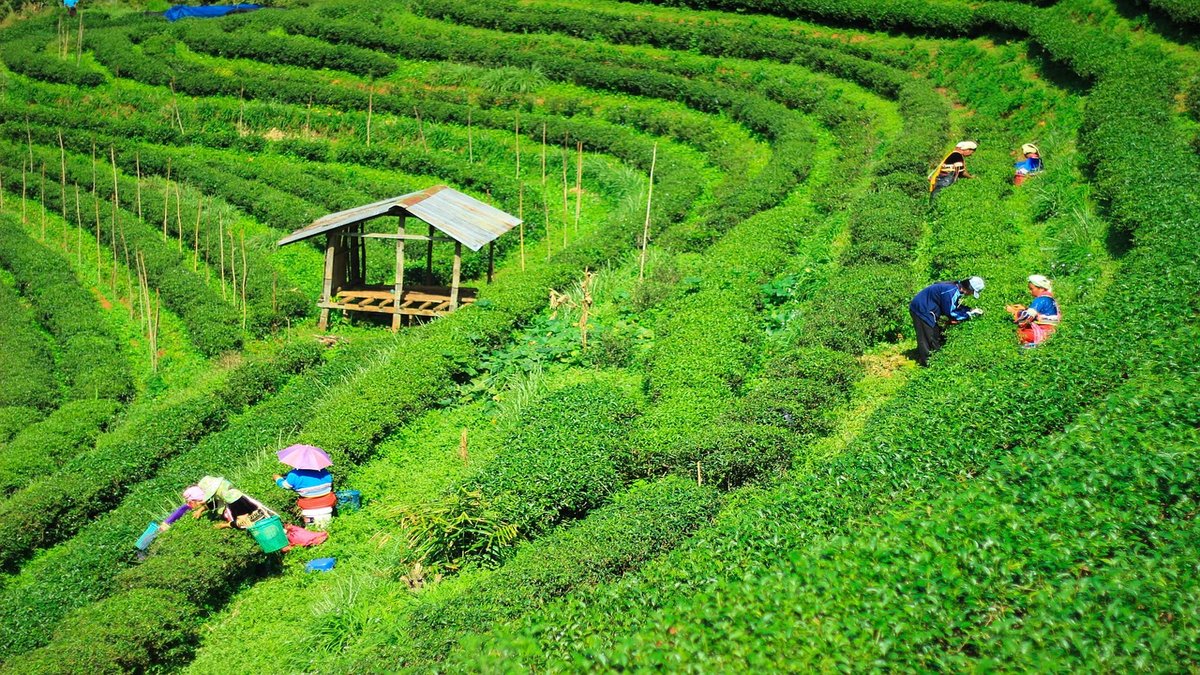
Last updated: April 2026
Affiliate Disclosure: We may earn a commission when you purchase through our links. This does not affect our editorial independence.
Quick Answer
- Zhengyan Wuyi Oolong is a top-grade Chinese oolong tea, recognized as a national intangible cultural heritage in 2006 and part of human intangible heritage in 2022 Wuyi Rock Tea Da Hong Pao Baidu Baike.
- Its traditional production involves over ten steps, including withering, 'doing green,' and charcoal roasting, creating its unique 'rock bone flower fragrance' (岩骨花香).
- The Wuyi rock tea brand value reached 75.018 billion yuan in 2025, ranking second in China for geographical indication teas for nine consecutive years.
- Key characteristics include a clear orange-yellow tea soup, rich and lasting aroma, and leaves that are red and green after brewing.
Zhengyan Wuyi Oolong is a premium Chinese oolong tea, celebrated for its unique qualities and deep cultural roots. This tea originates from the distinctive rock crevices of the Wuyi Mountains in China's Fujian province, a region renowned for its optimal tea-growing conditions. It is not just a beverage but a cultural treasure, having been recognized as a national intangible cultural heritage in 2006. Its significance was further cemented in 2022 when it was included in the Representative List of the Intangible Cultural Heritage of Humanity as part of "China's Traditional Tea Making Techniques" Wuyi Rock Tea Da Hong Pao Baidu Baike. The tea's complex flavor profile combines the fresh notes of green tea with the mellow sweetness typically found in black tea, creating an experience known as "rock bone flower fragrance" (岩骨花香). This unique characteristic is a direct result of its traditional production process, which involves more than ten meticulous steps, including specific withering, 'doing green,' and charcoal roasting techniques. In 2025, the brand value of Wuyi rock tea reached an impressive 75.018 billion yuan, consistently holding the second position among China's tea geographical indications for nine consecutive years.
What is Zhengyan Wuyi Oolong?
Zhengyan Wuyi Oolong stands as a top-grade Chinese oolong tea, highly esteemed for its distinctive characteristics and rich heritage. It is cultivated in the Wuyi Mountains of Fujian province, specifically in the unique rock crevices that define its "rock tea" status. This tea offers a sensory experience that bridges the gap between different tea categories, embodying both the fresh aroma of green tea and the mellow sweetness of black tea. This duality is a hallmark of its quality and complexity.
The cultural significance of Zhengyan Wuyi Oolong is profound. In 2006, its traditional production method was officially recognized as a national intangible cultural heritage, acknowledging its historical depth and the intricate skills involved in its creation. This recognition highlighted the importance of preserving the ancient tea-making artistry passed down through generations. Further elevating its status on a global scale, Zhengyan Wuyi Oolong, as part of "China's Traditional Tea Making Techniques," was inscribed on the Representative List of the Intangible Cultural Heritage of Humanity in 2022. This international recognition underscores its universal value and the need for its safeguarding. The tea's unique quality is deeply tied to its geographical origin and the specific climate of the Wuyi Mountains, characterized by mild winters, cool summers, and abundant rainfall, averaging 2000 millimeters annually. The mountains are often shrouded in mist, maintaining an average relative humidity of around 80%, conditions that are ideal for cultivating tea plants with exceptional flavor profiles Wuyi Rock Tea Da Hong Pao Baidu Baike. This combination of natural environment and human craftsmanship is what makes Zhengyan Wuyi Oolong truly special, offering a tea that is not only a delight to the palate but also a piece of living history.
Historical Significance
The history of Zhengyan Wuyi Oolong is extensive, with tea-making skills in the region dating back to the Han Dynasty. Records of tea cultivation in the Wuyi Mountains can be traced to the Tang Dynasty, indicating centuries of tea production. By the Song Dynasty, this esteemed tea was already being presented as a royal tribute, signifying its high regard among imperial courts. The tradition of special production for royal consumption continued, with the establishment of a dedicated "baking bureau" in the Wuyi Mountain area during the Yuan Dynasty, specifically for the production of tribute tea. This long history of imperial favor and dedicated craftsmanship has solidified Zhengyan Wuyi Oolong's reputation as a tea of exceptional quality and prestige. The evolution of its processing techniques, particularly the refinement of the oolong tea craft, was further developed in the early Qing Dynasty, contributing to the distinct "rock bone flower fragrance" that is celebrated today. This enduring legacy, from ancient cultivation to modern-day recognition, highlights the continuous dedication to quality and tradition that defines Zhengyan Wuyi Oolong.
Cultural Heritage Status
The recognition of Zhengyan Wuyi Oolong as a national intangible cultural heritage in 2006 was a crucial step in preserving its unique production methods and cultural significance. This designation protects the traditional knowledge and skills associated with making this tea, ensuring they are passed on to future generations. The subsequent inclusion in the Representative List of the Intangible Cultural Heritage of Humanity in 2022, as part of a broader collection of "China's Traditional Tea Making Techniques," further emphasizes its global importance. This international acknowledgment helps to raise awareness about the tea's cultural value and promotes its safeguarding on a worldwide scale. These heritage designations are not merely symbolic; they provide frameworks for supporting traditional tea farmers and artisans, encouraging sustainable practices, and educating the public about the intricate art of Wuyi oolong production. The continuous efforts to preserve and promote Zhengyan Wuyi Oolong underscore its role as a vital link to China's rich tea culture and history.
What Does 'Zhengyan' Mean?
The term 'Zhengyan' (正岩) literally translates to 'True Rock,' a designation that is central to understanding the unique character and superior quality of Wuyi Oolong tea. This term signifies that the tea is cultivated within the core, most authentic areas of the Wuyi Mountain range. The Wuyi Mountains are characterized by their dramatic, rocky terrain, and it is specifically the tea plants grown in these mineral-rich rock crevices and valleys that earn the "Zhengyan" distinction. This geographical origin is not just a label; it directly influences the tea's distinctive flavor profile, contributing to what is famously known as the "rock bone flower fragrance" (岩骨花香).
The importance of the "Zhengyan" classification is highlighted by a traditional distinction: "In the mountains, it is rock tea, which is superior; at the foothills, it is 'zhou tea' (洲茶)." This quote, attributed to Qing Dynasty scholar Shen Han, emphasizes that the true essence and highest quality of Wuyi tea come from the rugged, rocky slopes rather than the flatter, more fertile areas at the base of the mountains Wuyi Rock Tea Da Hong Pao Baidu Baike. The specific mineral composition of the soil in these "true rock" areas, combined with unique microclimates—such as consistent cloud cover and significant temperature fluctuations between day and night—imparts a distinct minerality and complexity to the tea leaves. These environmental factors contribute to the tea's robust body, lingering aftertaste, and the characteristic "rock bone" that connoisseurs seek.
Tea plants grown in the Zhengyan region benefit from natural irrigation from mountain springs and protection from direct sunlight by towering cliffs. This creates an ideal environment for the tea leaves to develop a rich array of aromatic compounds and deep flavors. The term "Zhengyan" therefore acts as a geographical indicator of authenticity and quality, assuring tea enthusiasts that they are experiencing a tea grown in the most prized locations within the Wuyi Mountains. When a tea is labeled Zhengyan Da Hong Pao, for example, it means it comes from the specific areas known for producing the highest quality of this famous Wuyi rock tea. This distinction helps consumers navigate the market, identifying teas that truly embody the unique characteristics of Wuyi rock tea. Many brands, such as Wuyi Lu, Wuyi Pu, and Rui Quan, offer Zhengyan Da Hong Pao products, available in various packaging like gift boxes, cans, and bags, catering to different preferences and occasions Zhengyan Da Hong Pao on JD.com. The price of these Zhengyan teas can vary significantly, reflecting their premium status, with options available from 60-99 yuan to over 500 yuan, depending on the specific tea and brand Zhengyan Da Hong Pao on Taobao.
Geographical Significance
The Wuyi Mountains are a UNESCO World Heritage site, recognized for both their natural beauty and cultural significance. Within this region, specific areas are classified as "Zhengyan," "Banyan" (half rock), and "Zhoucha" (foothill tea). Zhengyan areas are the most coveted, known for their unique soil rich in minerals, which directly influences the tea's flavor. The microclimate, characterized by abundant rainfall and year-round mist, further enhances the development of complex flavors and aromas in the tea leaves. Tea plants in these areas grow in rocky crevices, absorbing minerals and nutrients that contribute to the distinct "rock bone" quality. This geographical specificity is a primary factor in Zhengyan Wuyi Oolong's premium status and its ability to consistently produce teas with unparalleled depth and character. The environment also protects the tea plants, allowing them to thrive and develop the unique attributes that define authentic Wuyi rock tea.
Quality Implications
The "Zhengyan" designation is a strong indicator of quality. Teas from these areas are expected to exhibit the quintessential "rock bone flower fragrance" (岩骨花香), a complex profile combining a mineral undertone with floral and fruity notes. This superior quality is reflected in the tea's taste, aroma, and mouthfeel, which are often described as "lively, sweet, clear, and fragrant" by experts like Qing Dynasty scholar Liang Zhangju. The leaves from Zhengyan areas also tend to be more robust, leading to a tea that can be steeped multiple times without losing its flavor. This longevity in brewing is a testament to the concentrated essence developed in the tea leaves due to their unique growing conditions. Consumers seeking the most authentic and high-quality Wuyi Oolong will often look for the Zhengyan label, trusting it as a mark of genuine rock tea character and exceptional craftsmanship.
How is Zhengyan Wuyi Oolong Made?
The production of Zhengyan Wuyi Oolong is an intricate art form, rooted in centuries of tradition and involving over ten meticulous steps. This complex process is crucial in developing the tea's distinctive "rock bone flower fragrance" (岩骨花香), a characteristic that sets it apart from other teas. The tea-making skills associated with Wuyi Oolong are deeply historical, with evidence of their existence dating back to the Han Dynasty, and cultivation records from the Tang Dynasty further illustrating a long-standing tradition. This rich history underscores the depth of knowledge and craftsmanship that goes into every batch of Zhengyan Wuyi Oolong.
Key processes in its creation include withering (萎凋), 'doing green' (做青), and charcoal roasting (炭焙). Withering involves spreading the freshly picked tea leaves to allow some moisture to evaporate, which softens them and initiates enzymatic reactions. Following this, 'doing green' is a critical stage that involves a series of shaking and resting cycles. This process gently bruises the edges of the tea leaves, allowing for partial oxidation and the development of complex aromas and flavors. The leaves are carefully monitored throughout this stage to achieve the desired level of oxidation, which is vital for the oolong category, sitting between green and black teas. Finally, charcoal roasting provides the finishing touch, imparting a characteristic smoky aroma and further developing the tea's deep, mellow notes. This step is often performed at varying temperatures and durations, contributing to different aroma profiles such as strong aroma, mellow aroma, fragrant aroma, or charcoal roasted flavor Zhengyan Da Hong Pao on Taobao.
The historical development of these techniques is equally fascinating. During the Yuan Dynasty, a specialized "baking bureau" was established directly within the Wuyi Mountains, dedicated solely to producing tribute tea for the imperial court. This institutionalized approach to tea production highlights the importance placed on Wuyi tea's quality and the sophistication of its processing even centuries ago. The comprehensive system of oolong tea craftsmanship was further refined during the early Qing Dynasty, solidifying the methods that continue to be used today. This continuous evolution and refinement of techniques over millennia have culminated in a tea-making tradition that is not only highly skilled but also deeply intertwined with the cultural identity of the Wuyi region. The meticulous attention to detail at each stage, from leaf picking to the final roast, ensures that Zhengyan Wuyi Oolong consistently delivers its renowned taste and aromatic profile.
Traditional Craftsmanship
The traditional craftsmanship of Zhengyan Wuyi Oolong involves a series of carefully controlled steps, each designed to bring out the best in the tea leaves. After the fresh leaves are picked, they undergo sun withering (晒青), where they are laid out under sunlight to soften and reduce moisture content. This is followed by indoor withering (凉青), where leaves are moved indoors to continue wilting in a controlled environment. The critical 'doing green' (做青) phase then begins, which is a repeated cycle of shaking the leaves in bamboo trays and allowing them to rest. This gentle agitation breaks the cell walls at the edges of the leaves, initiating partial oxidation and developing the tea's unique aroma and flavor compounds. The skill of the tea master is paramount during 'doing green,' as they must judge the optimal timing and intensity based on the leaves' condition.
Next, the leaves undergo 'kill green' (杀青), which involves heating them to stop oxidation. This is typically done in large woks or tumbling machines. After 'kill green,' the leaves are rolled (揉捻) to shape them and further extract their juices, which will contribute to the tea's flavor. The initial drying creates 'maocha' or rough tea. Finally, the crucial charcoal roasting (炭焙) step takes place, often over several rounds. This slow, low-temperature roasting over charcoal fires not only dries the tea but also deepens its flavor, enhances its aroma, and removes any lingering greenness, yielding the distinctive "rock bone flower fragrance" and a mellow, enduring taste. This entire process, requiring immense skill and experience, reflects why Wuyi Oolong production was recognized as a national intangible cultural heritage in 2006.
Role of Environment
The unique environment of the Wuyi Mountains plays an indispensable role in the making of Zhengyan Wuyi Oolong. The tea plants thrive in the mineral-rich soil found in the rocky crevices and valleys, absorbing nutrients that contribute to the tea's characteristic "rock bone" minerality. The region's climate, with its mild temperatures, abundant rainfall, and constant mist, creates an ideal microclimate for tea cultivation. The high humidity, averaging around 80%, helps to slow down the growth of tea leaves, allowing them to accumulate more complex aromatic compounds. The natural shade provided by the towering cliffs protects the tea plants from harsh sunlight, promoting the development of softer leaves with a richer flavor profile. This combination of unique geological features and climatic conditions results in tea leaves that are inherently suited for the intricate processing methods, ultimately yielding a Zhengyan Wuyi Oolong with unparalleled depth, complexity, and the revered "rock bone flower fragrance."
What are the Sensory Characteristics of Zhengyan Wuyi Oolong?
Zhengyan Wuyi Oolong is celebrated for its distinctive sensory characteristics, which are a direct result of its unique terroir and traditional craftsmanship. The finished tea leaves themselves present a visual appeal that hints at their quality. They are typically tightly rolled and uniform in shape, exhibiting a fresh green-brown color that is often described as lustrous. This appearance signifies careful processing and proper oxidation.
Upon brewing, the tea soup, or liquor, is a clear, bright, and inviting orange-yellow hue. This vibrant color is indicative of a well-processed oolong, neither too green nor too dark, reflecting its semi-oxidized nature. The aroma is another defining feature; it is rich, complex, and remarkably long-lasting. This aromatic profile is often referred to as the "rock bone flower fragrance" (岩骨花香), a term that encapsulates its unique blend of mineral undertones, floral notes, and often hints of ripe fruit or roasted grain. This fragrance is not fleeting but persists through multiple infusions, evolving subtly with each steep.
After the tea leaves have been steeped, their appearance changes dramatically. The brewed leaves, known as the "leaf bottom" or "spent leaves," display a striking mix of red and green. This characteristic is frequently described as "green leaves with red edges," a clear visual indicator of the partial oxidation process that defines oolong tea. The green parts signify the less oxidized portions of the leaf, while the reddish edges show where oxidation has occurred more intensely. This visual evidence of the tea's processing is a testament to the skill of the tea master and the authenticity of a true Wuyi Oolong. The combination of these visual, aromatic, and textural elements creates a holistic sensory experience that is highly sought after by tea connoisseurs. According to Qing Dynasty scholar Liang Zhangju, the essential qualities of Wuyi Oolong can be summarized as "lively, sweet, clear, and fragrant," a concise description that remains relevant today Wuyi Rock Tea Da Hong Pao Baidu Baike.
Aroma Profile
The aroma of Zhengyan Wuyi Oolong is one of its most captivating features, often described as a complex symphony of scents. The "rock bone flower fragrance" (岩骨花香) is the ultimate expression of this profile, suggesting a combination of mineral richness, delicate floral notes, and sometimes a hint of fruit or roasted nuts. This fragrance is not just a surface scent; it is deeply integrated into the tea, emerging powerfully upon brewing and lingering long after the cup is finished. The specific notes can vary depending on the tea tree variety and the degree of charcoal roasting. For instance, some may exhibit prominent orchid or osmanthus notes, while others might lean towards a more roasted, caramelized aroma. The richness and persistence of this aroma are key indicators of a high-quality Zhengyan Wuyi Oolong, providing a truly immersive olfactory experience that contributes significantly to its allure.
Flavor and Mouthfeel
The flavor of Zhengyan Wuyi Oolong is as complex as its aroma. It typically offers a harmonious balance of mellow sweetness, often with a distinct mineral undertone that is characteristic of its "rock bone" origin. The taste is full-bodied and robust, yet smooth, without any harsh bitterness or excessive astringency. A common descriptor is "醇厚甘爽" (mellow and refreshing) or "醇和回甘" (mellow with a sweet aftertaste), indicating a pleasant, lingering sweetness that coats the palate. The mouthfeel is often described as "活" (lively or smooth), meaning it is lubricating and refreshing, without any stickiness or dullness, leaving a clean and clear sensation in the throat. This combination of a rich, nuanced flavor and a smooth, refreshing mouthfeel makes Zhengyan Wuyi Oolong a highly satisfying and memorable tea-drinking experience. The persistence of this pleasant sensation, even after meals, is a hallmark of superior quality.
Brewed Leaf Appearance
The appearance of the brewed leaves, or "leaf bottom," is a critical indicator of Zhengyan Wuyi Oolong's quality and authenticity. After steeping, the leaves unfurl to reveal a distinct "red and green" pattern, often referred to as "green leaves with red edges" (绿叶红镶边). The central part of the leaf remains a vibrant green, while the edges show a reddish or brownish hue, demonstrating the partial oxidation process unique to oolong teas. This visual characteristic confirms that the tea has been skillfully processed, achieving the perfect balance of oxidation. The leaves should also appear plump and supple, indicating healthy tea plants and proper handling. Examining the brewed leaves provides insights into the tea's origin, processing, and overall quality, serving as a visual testament to the craftsmanship involved in making Zhengyan Wuyi Oolong.
Why is Wuyi Rock Tea So Highly Valued?
Wuyi rock tea, particularly Zhengyan Wuyi Oolong, is highly valued for a confluence of historical, economic, and cultural reasons, positioning it as one of China's most esteemed tea varieties. Its prestige dates back centuries, having been designated as a royal tribute tea since the Song Dynasty. This long history of imperial favor established its reputation as a luxury item, a tradition that continues to influence its high regard today. The rarity of its true "Zhengyan" origin, limited to the unique rock crevices of the Wuyi Mountains, further contributes to its exclusivity and perceived value.
Economically, the brand value of Wuyi rock tea is substantial and continues to grow. In 2025, the brand value reached an impressive 75.018 billion yuan, a testament to its strong market presence and consumer demand. This significant valuation has consistently placed Wuyi rock tea as the second-highest-ranked geographical indication tea in China for nine consecutive years, demonstrating its enduring economic importance and market leadership Wuyi Rock Tea Da Hong Pao Baidu Baike. This robust market value is supported by both traditional appeal and modern innovations in tea production and promotion.
Modern tea companies are actively engaged in maintaining and enhancing this value. They employ ecological tea garden management practices to ensure sustainable cultivation and preserve the unique environment of the Wuyi Mountains. The application of advanced technologies, such as IoT monitoring systems, helps optimize production processes, ensuring consistent quality and efficiency. This blend of traditional methods with modern technology allows for the scalable production of high-quality tea while respecting environmental integrity. Furthermore, companies are developing innovative products, such as "hang-ear rock tea" (挂耳岩茶), to appeal to younger consumers and expand market reach. The dedication to quality, coupled with strategic marketing and product development, ensures Wuyi rock tea remains highly sought after.
Culturally, Wuyi Mountain plays a pivotal role in promoting tea culture. The region regularly hosts prestigious events like tea king competitions and tea expos, which serve as platforms to showcase the finest teas and celebrate the artistry of tea masters. These events also foster a sense of community among tea enthusiasts and producers. The promotion of tea culture tourism, through initiatives that integrate tea experiences with travel, allows visitors to immerse themselves in the origins and production of Wuyi rock tea. Educational programs, such as the establishment of the first private rock tea museum in 2025 and the development of tea culture research and study bases, further deepen public understanding and appreciation for this heritage tea. Additionally, "Wuyi Tea · China Tour" (武夷茶·华夏行) series of tasting events are held to promote Wuyi tea across the nation, reinforcing its cultural significance and expanding its reach. This comprehensive approach to preservation, innovation, and promotion collectively contributes to the enduring high value of Wuyi rock tea.
Historical Reverence
Wuyi rock tea's journey from a local specialty to an imperial tribute tea during the Song Dynasty solidified its status as a tea of profound historical reverence. This distinction meant that only the finest leaves, meticulously processed, were deemed worthy of the emperor. Such imperial endorsement not only guaranteed its quality but also embedded it deeply within Chinese cultural narratives. The establishment of a dedicated "baking bureau" in the Yuan Dynasty specifically for tribute tea further illustrates the institutionalized importance placed on its production. Over centuries, this history has cultivated an aura of prestige around Wuyi rock tea, making it a symbol of exquisite taste and cultural heritage. This historical weight contributes significantly to its perceived value and desirability among tea connoisseurs and collectors today.
Economic Impact
The economic impact of Wuyi rock tea is substantial, highlighted by its brand value reaching 75.018 billion yuan in 2025. For nine consecutive years, it has held the second position among China's tea geographical indications, underscoring its consistent market strength and consumer demand. This strong economic performance is driven by its reputation for quality, the limited supply of true Zhengyan tea, and effective market strategies. Modern tea enterprises contribute to this by implementing ecological tea garden management, which ensures sustainable production and protects the environment, thereby enhancing the tea's long-term value. The use of IoT monitoring systems to optimize production further boosts efficiency and quality control, ensuring that the tea consistently meets high standards. The development of new products and cultural tourism initiatives also broadens its market appeal and generates revenue, making Wuyi rock tea a significant contributor to the regional and national economy.
Cultural Promotion and Innovation
Wuyi Mountain is a hub for cultural promotion and innovation in the tea industry. Regular events such as tea king competitions and tea expos celebrate the skill of tea masters and showcase the diverse range of Wuyi teas. These events not only provide a platform for recognition but also drive innovation in tea processing and presentation. The region actively promotes tea culture tourism, offering visitors immersive experiences that combine the beauty of the Wuyi Mountains with the art of tea making and tasting. Projects like the construction of the first private rock tea museum in 2025 and the establishment of tea culture research and study bases aim to educate the public and foster a deeper appreciation for Wuyi tea. These initiatives, coupled with marketing campaigns like the "Wuyi Tea · China Tour" tasting events, ensure that Wuyi rock tea remains culturally relevant and accessible to a wider audience, thereby sustaining its high value.
What are the Major Varieties and Flavors of Zhengyan Wuyi Oolong?
Zhengyan Wuyi Oolong encompasses several major varieties and a spectrum of flavor profiles, each contributing to the rich tapestry of Wuyi rock tea. The tea tree varieties grown in the Zhengyan region include the renowned Da Hong Pao, along with other "Four Famous Congs" such as Tie Luo Han, Bai Ji Guan, and Shui Jin Gui. Beyond these famous cultivars, other varieties like Rou Gui (Cassia) and Shui Xian (Narcissus) are also highly prized. Each variety inherently possesses unique characteristics that are then further shaped by the processing methods.
The different types of Wuyi Oolong can be broadly classified by their aroma profiles, which are heavily influenced by the degree and style of roasting. These classifications include "浓香型" (strong aroma), "醇香型" (mellow aroma), "清香型" (fragrant aroma), and "炭烧口味" (charcoal roasted flavor). The "strong aroma" type is considered a traditional preparation, characterized by a good aroma and a rich, mellow taste, often achieved through heavier baking or roasting. This style emphasizes the deep, complex notes that develop during oxidation and subsequent charcoal firing.
In contrast, the "fragrant aroma" type offers a lighter, more delicate profile, often with a subtle sweetness. This style typically involves less intense roasting, allowing more of the tea's natural floral or fruity notes to shine through. It is often recommended for beginners due to its approachable and refreshing character. The "mellow aroma" type strikes a balance between the strong and fragrant profiles, offering a smooth and harmonious taste. The "charcoal roasted flavor" directly highlights the influence of the traditional charcoal roasting process, imparting distinct smoky and toasted notes that are highly valued by some connoisseurs.
Beyond these broad aroma types, specific taste descriptors are also used to characterize Zhengyan Wuyi Oolong. For instance, "醇厚甘爽" (mellow and refreshing) and "醇和回甘" (mellow with a sweet aftertaste) are common phrases used to describe the pleasant, lasting sensation on the palate. The specific cultivar also plays a significant role in the final flavor. Rou Gui, for example, is famous for its distinct cinnamon-like spice and strong, lingering finish. Shui Xian is known for its smooth, mellow body and often woody or floral notes. The diversity in varieties and processing styles means that there is a Zhengyan Wuyi Oolong to suit nearly every palate, from those who prefer a bold, robust cup to those who enjoy a delicate, aromatic brew. On Taobao, a 500g box of Zhengyan Wuyi Rock Tea with a strong fruity aroma is available for 63 yuan, and 53 people have praised its "high value for money" (translated from Chinese), indicating that quality and affordability can be found Zhengyan Da Hong Pao on Taobao.
Major Cultivars
The Wuyi Mountains are home to several esteemed tea cultivars, each contributing its unique characteristics to Zhengyan Wuyi Oolong. Da Hong Pao, or "Big Red Robe," is the most famous, historically associated with ancient tea trees on Wuyi Mountain. While the original mother trees are rare, its lineage is continued through cultivated varieties. Other "Four Famous Congs" include Tie Luo Han (Iron Arhat), known for its robust character and medicinal qualities; Bai Ji Guan (White Cockscomb), prized for its delicate, pale leaves and subtle floral notes; and Shui Jin Gui (Golden Water Turtle), which offers a rich, complex flavor with a hint of fruitiness. Beyond these, Rou Gui (Cassia) is celebrated for its distinctive spicy aroma, often likened to cinnamon, and its potent, long-lasting taste. Shui Xian (Narcissus) is another popular cultivar, known for its smooth, mellow body and prominent floral or woody undertones. Each cultivar, when grown in the Zhengyan region and processed with traditional methods, develops a distinct profile that is highly sought after by tea enthusiasts.
Aroma and Flavor Types
Zhengyan Wuyi Oolong is categorized into several aroma and flavor types, primarily based on the degree of oxidation and roasting.
- Strong Aroma Type (浓香型): This is a traditional style, characterized by a pronounced aroma and a full-bodied, mellow taste. It undergoes heavier roasting, which brings out deep, complex flavors, often with notes of roasted grains, caramel, and a lingering sweetness. This type is generally preferred by those who enjoy a more robust and intense tea experience.
- Mellow Aroma Type (醇香型): This type strikes a balance, offering a harmonious blend of aroma and taste that is neither too strong nor too light. It provides a smooth, rich mouthfeel with a pleasant aftertaste, appealing to a broad range of palates.
- Fragrant Aroma Type (清香型): With lighter roasting, this type emphasizes the natural freshness and delicate floral or fruity notes of the tea leaves. It typically has a lighter body and a subtle sweetness, making it a good choice for beginners or those who prefer a more refreshing and aromatic cup.
- Charcoal Roasted Flavor (炭烧口味): This classification highlights the specific influence of charcoal roasting, which imparts distinct smoky, toasty, and sometimes woody notes to the tea. This flavor profile is a hallmark of traditional Wuyi rock tea and is highly valued for its complexity and depth.
These classifications help consumers choose a Zhengyan Wuyi Oolong that best suits their preferences, offering a wide array of sensory experiences within the same tea family.
How Do You Identify Quality Zhengyan Wuyi Oolong?
Identifying high-quality Zhengyan Wuyi Oolong involves a comprehensive sensory assessment, drawing upon criteria established by tea masters and connoisseurs over centuries. The evaluation extends beyond mere taste to encompass visual, aromatic, and textural elements, all contributing to a holistic understanding of the tea's excellence. These criteria are often summarized by key Chinese characters that describe specific desirable attributes.
One of the foundational aspects is "活" (huó), meaning "lively" or "smooth." This refers to a tea that provides a lubricating, refreshing sensation in the mouth without any astringency or stickiness. A high-quality Zhengyan Wuyi Oolong should offer a smooth, fluid mouthfeel that glides across the palate, leaving a clear and clean sensation in the throat. This "liveliness" indicates well-processed leaves and a balanced chemical composition.
Next is "甘" (gān), which translates to "sweet" or "reminiscent." This describes a tea with a quick and refreshing sweetness that emerges shortly after tasting, often followed by a distinct and pleasant aftertaste that lingers. It signifies a tea with a natural, inherent sweetness that is clean and pure, rather than an artificial or cloying one. The rapidity and clarity of this sweet return are crucial indicators of quality.
"清" (qīng), meaning "clear" or "pure," applies to several aspects of the tea. It refers to the clarity and brightness of the tea soup, which should be free from cloudiness or impurities. It also speaks to the purity of the flavor, ensuring it is clean, comfortable, and free from any off-notes or unpleasant tastes. Furthermore, "clear" can also describe the vibrant, distinct appearance of the brewed leaves.
"浓" (nóng), meaning "strong" or "rich," denotes a tea that is full-bodied and mellow, offering a substantial presence on the palate without any obvious bitterness or excessive astringency. A strong tea provides a satisfying depth of flavor that fills the mouth, yet remains balanced and smooth. It suggests a concentration of desirable compounds without the harshness often associated with overly strong brews.
"厚" (hòu), meaning "thick" or "substantial," relates to the body and texture of the tea. A thick tea is said to have "bones" (啜之有骨), implying a robust and enduring character that holds its flavor through multiple infusions. This quality contributes to a lasting sensation on the tongue, often described as "舌本常留甘尽日" (the tongue retains sweetness all day), indicating a prolonged and pleasant aftertaste.
Finally, "韵" (yùn), or "charm," specifically refers to the "rock bone flower fragrance" (岩骨花香) itself. This is the ultimate expression of Zhengyan Wuyi Oolong's unique terroir and craftsmanship, embodying the complex interplay of mineral undertones, floral notes, and a deep, enduring character. This "charm" is the signature of a true Zhengyan tea, a harmonious blend of its natural environment and the skill of its makers. The longevity of the pleasant sensations in the mouth, rather than any bitterness, is a key indicator of a superior tea, often allowing the drinker to feel its lingering aroma even after a meal Wuyi Rock Tea Da Hong Pao Baidu Baike.
Visual Cues
Visual cues play a significant role in assessing quality. The dry leaves should be tightly rolled and uniform in shape, exhibiting a fresh green-brown color with a healthy sheen. After brewing, the tea soup should be clear, bright, and typically an orange-yellow hue. Any cloudiness or dullness in the liquor can indicate lower quality or improper processing. The brewed leaves, or "leaf bottom," should unfurl to reveal a mix of red and green, often described as "green leaves with red edges" (绿叶红镶边). They should appear plump, soft, and supple, indicating good quality tea plants and proper oxidation. A consistent and vibrant appearance across these elements suggests a well-made Zhengyan Wuyi Oolong.
Aromatic Qualities
The aroma of a quality Zhengyan Wuyi Oolong is rich, complex, and long-lasting, embodying the "rock bone flower fragrance." Upon opening the package, a distinct fragrance should be noticeable. When brewed, the aroma should intensify, filling the air with notes that can range from floral and fruity to roasted and mineral. A superior tea will maintain its aromatic intensity through multiple infusions, with the fragrance evolving subtly over time. Any stale, musty, or off-putting smells are indicators of poor quality or improper storage. The ability of the tea to deliver a consistent and evolving aromatic experience is a key determinant of its excellence.
Taste and Mouthfeel
The taste and mouthfeel are perhaps the most critical indicators of quality. A high-quality Zhengyan Wuyi Oolong should offer a balanced flavor profile that is "lively, sweet, clear, and rich." It should be smooth and refreshing on the palate, free from any harsh bitterness or excessive astringency. A rapid and clean return of sweetness (回甘) after swallowing is a highly prized characteristic. The tea should feel substantial and full-bodied ("thick"), yet remain clean and comfortable. The "rock bone" minerality should be present, providing a unique depth to the flavor. The overall experience should be harmonious and enduring, leaving a pleasant, lingering aftertaste that truly embodies the essence of Zhengyan Wuyi Oolong.
Where Can You Purchase Authentic Zhengyan Wuyi Oolong?
Authentic Zhengyan Wuyi Oolong is available from a variety of reputable sources, both online and in specialized tea shops, catering to different preferences and budgets. Several established brands offer Zhengyan Da Hong Pao and other Wuyi rock teas, ensuring a range of choices for consumers. These include well-known names like Wuyi Lu, Wuyi Pu, Feng Wuyi, Rui Quan, Wuyi Zan, You Ming Jun, Hao Cha Nong, Hua Xiang Yuan, Wuyi Qing, Yan Cong, Cong Lai Ke, and Zhong Gu Tea Industry. These brands are often found on major e-commerce platforms, providing accessibility to a wide audience.
When purchasing, consumers can find products in various packaging formats to suit their needs. Common options include boxed tea, canned tea, elegant gift-boxed sets, and convenient bagged tea. Gift-boxed options are particularly popular for special occasions or as presents for leaders and elders, reflecting the tea's premium status. For instance, gift boxes of Zhengyan Da Hong Pao from brands like Wuyi Lu and Feng Wuyi are marketed as high-end gifts, suitable for important recipients Zhengyan Da Hong Pao on JD.com.
The price of Zhengyan Wuyi Oolong can vary significantly depending on the brand, specific cultivar, age, and quality of the tea. Consumers can find options across various price points, with selections ranging from 60-99 yuan, 100-199 yuan, 200-299 yuan, 300-499 yuan, and even over 500 yuan. For example, some products on JD.com include a 204g special grade Zhengyan Da Hong Pao gift box from Wuyi Lu, a 102g high-end Zhengyan Da Hong Pao from Wuyi Pu, and a 250g gift-boxed Wuyi Oolong from Feng Wuyi Zhengyan Da Hong Pao on JD.com. On Taobao, a 500g box of Zhengyan Wuyi Rock Tea with a strong fruity aroma is priced at 63 yuan, and it has received positive feedback, with 53 people noting its "high value for money" (translated from Chinese), demonstrating that affordable yet quality options exist Zhengyan Da Hong Pao on Taobao.
For beginners, it is often recommended to start with well-known brands from official flagship stores or self-operated stores on major online platforms. This approach helps ensure the authenticity and quality of the tea, especially when one is still developing their palate and knowledge of Wuyi Oolong. While brand-name teas might have higher initial prices, they often offer promotions during sales events, making them more accessible. As one gains more experience, exploring smaller, specialized tea shops or directly from tea farmers can open up a wider world of unique and artisanal Zhengyan Wuyi Oolong.
Reputable Brands
Several brands consistently offer high-quality Zhengyan Wuyi Oolong. Brands like Wuyi Lu, Wuyi Pu, and Hua Xiang Yuan are frequently seen on major Chinese e-commerce platforms like JD.com, offering a range of Zhengyan Da Hong Pao products, often in elegant gift packaging. Other notable brands include Feng Wuyi, Rui Quan, Wuyi Zan, You Ming Jun, Hao Cha Nong, Yan Cong, Cong Lai Ke, and Zhong Gu Tea Industry. These brands are known for adhering to traditional processing methods and sourcing tea leaves from authentic Zhengyan regions. Checking customer reviews and ratings on platforms like JD.com and Taobao can also provide insights into the quality and reputation of specific brand offerings. For instance, products from brands like "好茶农" (Hao Cha Nong) and "中谷茶业" (Zhong Gu Tea Industry) are available, often highlighting their origin from the Wuyi Mountains Zhengyan Da Hong Pao on JD.com.
Purchasing Options and Price Ranges
Zhengyan Wuyi Oolong is available through various channels, primarily online via major e-commerce platforms like JD.com and Taobao, as well as specialized tea retailers.
- Online Platforms: JD.com lists numerous Zhengyan Da Hong Pao products, with prices varying significantly based on weight, grade, and brand. For example, a 204g gift box of special grade Zhengyan Da Hong Pao from Wuyi Lu is available, alongside smaller 51g gift boxes from Rui Quan. Taobao also features a vast selection, including 500g boxes of Zhengyan rock tea for around 63 yuan, praised for their value.
- Packaging: Teas come in diverse packaging, including individual small bags, larger pouches, elegant gift boxes, and traditional tea cans. Gift-boxed options are popular for gifting, especially for leaders and elders.
- Price Ranges: Prices for Zhengyan Wuyi Oolong can range from 60-99 yuan for entry-level options to over 500 yuan for premium, rare, or aged selections. Mid-range options typically fall between 100-499 yuan. These price variations reflect factors such as the specific tea garden, cultivar, processing expertise, and age of the tea leaves.
When buying, it is advisable to purchase from official brand stores or reputable sellers to ensure authenticity. Checking product descriptions for details like origin (Zhengyan), aroma type (strong aroma, mellow aroma, fragrant aroma, charcoal roasted flavor), and specific cultivar can help in making an informed choice.
Frequently Asked Questions
What is the meaning of 'Zhengyan' in Wuyi Oolong?
'Zhengyan' (正岩) translates to 'True Rock,' indicating that the tea is sourced from the core, most authentic areas of the Wuyi Mountains. This geographical designation is crucial because the mineral-rich soil and unique microclimate of these rocky crevices impart the distinct "rock bone flower fragrance" (岩骨花香) that defines high-quality Wuyi Oolong. Teas grown in these specific mountain areas are considered superior to those grown in the foothills.
How does Zhengyan Wuyi Oolong differ from other oolong teas?
Zhengyan Wuyi Oolong is distinguished by its unique "rock bone flower fragrance" (岩骨花香), a characteristic born from its specific terroir in the Wuyi Mountains and its traditional charcoal roasting process. Unlike many other oolongs, which might emphasize floral or grassy notes, Zhengyan Wuyi Oolong offers a complex blend of minerality, floral hints, and a mellow, full-bodied taste. Its production was recognized as a national intangible cultural heritage in 2006.
What is the 'rock bone flower fragrance'?
The 'rock bone flower fragrance' (岩骨花香) is the signature characteristic of Zhengyan Wuyi Oolong. It describes a complex aroma and flavor profile that combines a distinct mineral undertone (the "rock bone") with delicate floral and sometimes fruity notes (the "flower fragrance"). This unique combination is a direct result of the tea plants growing in the mineral-rich rock crevices of the Wuyi Mountains and the intricate, multi-step traditional processing, including charcoal roasting.
What are the key steps in making Zhengyan Wuyi Oolong?
The traditional production of Zhengyan Wuyi Oolong involves over ten key steps. These include withering (萎凋) to reduce moisture, 'doing green' (做青) which involves shaking and resting to partially oxidize the leaves, and 'kill green' (杀青) to halt oxidation. The leaves are then rolled (揉捻) and finally undergo multiple rounds of charcoal roasting (炭焙), which is crucial for developing its unique "rock bone flower fragrance." These skills date back to the Han Dynasty.
How can I identify high-quality Zhengyan Wuyi Oolong?
High-quality Zhengyan Wuyi Oolong can be identified by several sensory cues. Look for tightly rolled, green-brown dry leaves. When brewed, the tea soup should be clear, bright, and orange-yellow. The aroma should be rich, long-lasting, and embody the "rock bone flower fragrance." The taste should be "lively, sweet, clear, and rich" (活、甘、清、浓), offering a smooth, mellow, full-bodied experience with a quick, refreshing sweetness and no bitterness. The brewed leaves should also show the characteristic "green leaves with red edges."
Related Reading
- How to Brew Wuyi Rock Tea Gong Fu Style
- Chinese Oolong Tea: Wuyi, Anxi, and Phoenix Traditions
- Aged Oolong Tea: Why It's Worth Trying
- Best Oolong Teas from Wuyi Mountain
- Wuyi Rock Tea (Yancha): The Mineral Terroir Teas of Fujian
— The Tea Atlas Team