Best Oolong Teas from Wuyi Mountain
- Rou Gui (肉桂) and Shui Xian (水仙) are the two essential Wuyi oolongs every drinker should know
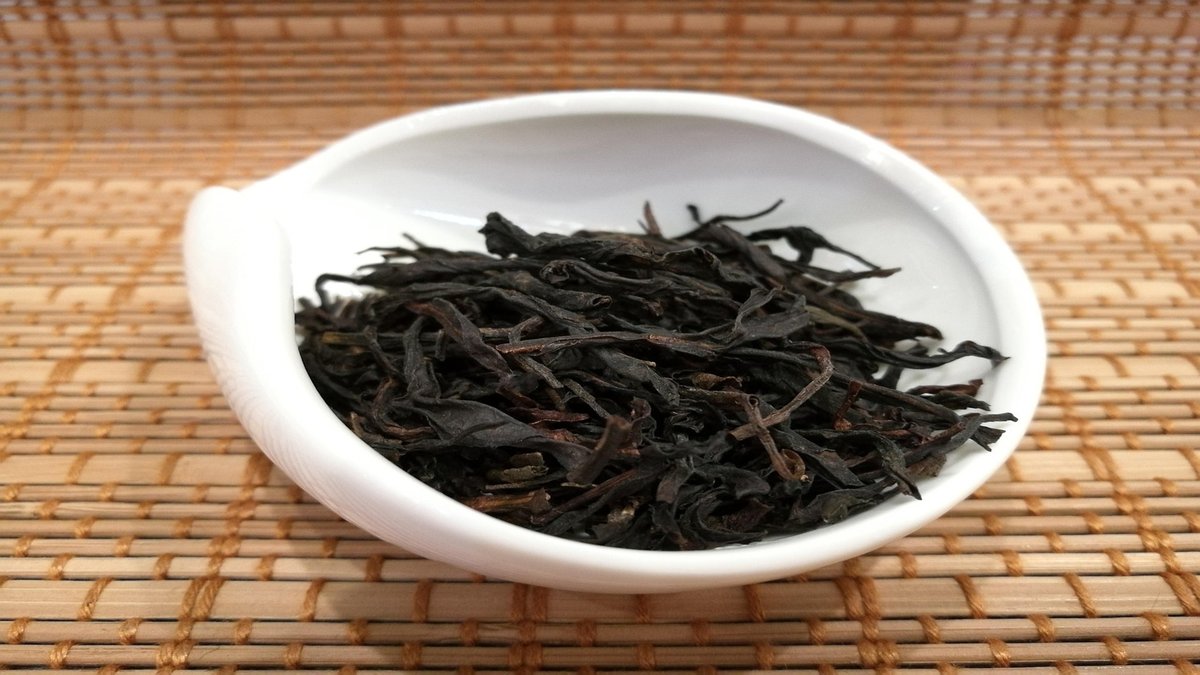
Quick Answer:
- Rou Gui (肉桂) and Shui Xian (水仙) are the two essential Wuyi oolongs every drinker should know
- The "岩韵" (rock rhyme) — a mineral, lingering aftertaste — defines authentic Wuyi rock tea
- Zhengyan (正岩) teas from the scenic area cost 3–10x more than Banyan (半岩) or Waishan (外山) versions
- Budget ¥150–500/50g ($21–70) for quality drinking-grade Wuyi oolong
Wuyi Mountain (武夷山) in northern Fujian produces some of the most complex, layered teas on earth. The combination of mineral-rich volcanic soil, narrow valleys that trap moisture and heat, and centuries of roasting expertise creates 岩茶 (rock tea) — oolongs with a mineral backbone that no other region can replicate.
Chinese tea drinkers call this quality 岩韵 (yan yun, "rock rhyme"): a persistent minerality that lingers in the throat and transforms with each steeping. This guide ranks the best Wuyi oolongs based on Chinese tea evaluation standards and collector consensus from Zhihu, Tianya, and Wuyi tea forums.
For the complete terroir story, see our Wuyi rock tea guide.
1. Rou Gui (肉桂) — Cinnamon Oolong
Best For: Experiencing the bold, spicy side of Wuyi rock tea
Rou Gui has overtaken Da Hong Pao as the most popular Wuyi oolong in China. Its name means "cinnamon," and the tea delivers exactly that — a sharp, spicy aroma layered over caramel sweetness and that unmistakable rocky minerality. On Wuyi tea forums, the saying goes: "香不过肉桂" (nothing is more fragrant than Rou Gui).
The best Rou Gui comes from named micro-terroirs within the scenic area: Niu Lan Keng (牛栏坑), Ma Tou Yan (马头岩), and Hui Yuan Keng (慧苑坑). Niu Lan Keng Rou Gui, known as "牛肉" (ox meat) in collector slang, commands the highest prices.
 Image: TeaVivre
Pros:
- Explosive cinnamon-spice aroma that hits you before the first sip
- Excellent 回甘 (returning sweetness) and long-lasting aftertaste
- Available across a wide price range — accessible even for beginners
Cons:
- Heavy roasting can mask poor base material — quality varies enormously
- Named-terroir versions (Niu Lan Keng, Ma Tou Yan) have become speculative, with inflated prices
Price: ¥100–300/50g for Banyan/Waishan ($14–42 USD) | Zhengyan: ¥400–1500/50g | Niu Lan Keng: ¥2000+/50g
2. Shui Xian (水仙) — Water Sprite Oolong
Best For: Those who prefer smooth, woody depth over spicy intensity
Where Rou Gui is sharp and aromatic, Shui Xian is deep and meditative. Made from older, larger-leaf bushes (some over 60 years old, called 老丛水仙), it produces a thick, syrupy liquor with notes of aged wood, orchid, and moss. The saying in Wuyi goes: "醇不过水仙" (nothing is more mellow than Shui Xian).
Old-bush Shui Xian (老丛水仙) from trees 50+ years old is one of the great Wuyi experiences — the 丛味 (bush character) adds a distinctive mossy, woody depth that young plants can't produce.
Pros:
- Thick, syrupy mouthfeel that coats the palate
- Old-bush versions offer complexity that rivals the most expensive Wuyi teas
- More forgiving of brewing errors than Rou Gui
Cons:
- "Old bush" (老丛) claims are frequently exaggerated — true 60+ year bushes are rare
- The subtle flavor profile can seem flat to those who prefer bold, aromatic teas
Price: ¥80–250/50g for standard ($11–35 USD) | 老丛 (old bush): ¥300–800/50g | Zhengyan 老丛: ¥1000+/50g
3. Da Hong Pao (大红袍) — Big Red Robe
Best For: The most famous Wuyi tea and a rite of passage for oolong lovers
Da Hong Pao is the tea that put Wuyi Mountain on the map. The original six mother bushes on Jiulong Ke cliff are national treasures — the last harvest from them sold for ¥208,000 per kg in 2005. What you buy today is "商品大红袍" (commercial Da Hong Pao), typically a blend of Rou Gui, Shui Xian, and other cultivars designed to approximate the classic profile.
 Image: TeaVivre
Pros:
- The quintessential Wuyi tea experience — rich, roasted, complex
- Commercial Da Hong Pao is specifically blended to be balanced and approachable
- Widely available and consistently decent even at moderate price points
Cons:
- The name has become a commodity — "Da Hong Pao" on the market ranges from excellent blends to generic filler
- Purists argue it's no longer a meaningful category since it's almost always a blend
Price: ¥100–300/50g ($14–42 USD) for commercial grade | Named-cultivar DHP: ¥500–2000+/50g
Learn more in our Da Hong Pao vs. Tie Guan Yin comparison.
4. Tie Luo Han (铁罗汉) — Iron Arhat
Best For: Experienced drinkers seeking herbal, medicinal complexity
Tie Luo Han is one of the original "四大名丛" (Four Famous Bushes) of Wuyi Mountain, alongside Da Hong Pao, Bai Ji Guan, and Shui Jin Gui. It has a distinctive herbal, slightly medicinal quality that Chinese tea texts describe as 药香 (medicinal fragrance). It's less immediately appealing than Rou Gui or Shui Xian but rewards patience.
Pros:
- Unique herbal character that no other Wuyi oolong matches
- Historical significance as one of the original Four Famous Bushes
- Often underpriced relative to quality because it's less trendy than Rou Gui
Cons:
- The medicinal, herbal flavor is an acquired taste — not beginner-friendly
- Harder to find in consistent quality outside specialist Wuyi shops
Price: ¥150–400/50g ($21–56 USD) | Premium Zhengyan: ¥500–1200/50g
5. Qi Dan (奇丹) — The "True" Da Hong Pao Cultivar
Best For: Those who want to taste what Da Hong Pao was supposed to be
Qi Dan is the cultivar that Chinese tea scientists identified as the closest genetic match to the original Da Hong Pao mother bushes. While commercial Da Hong Pao is a blend, Qi Dan is a single-cultivar tea that gives you the closest approximation of the legendary original. It's floral, elegant, with a distinctive 桂花香 (osmanthus fragrance).
Pros:
- The closest you can get to "real" Da Hong Pao without a time machine
- More elegant and floral than commercial Da Hong Pao blends
- Growing popularity among knowledgeable collectors
Cons:
- Limited production — genuine Qi Dan from named terroirs is scarce
- Subtle differences from commercial DHP may be hard for beginners to appreciate
Price: ¥200–500/50g ($28–70 USD) | Premium: ¥600–1500/50g
Understanding Wuyi Terroir Tiers
Price and quality in Wuyi oolong follow the terroir hierarchy:
| Tier | Chinese | Location | Price Multiplier |
|---|---|---|---|
| Zhengyan (正岩) | Core scenic area | San Keng Liang Jian (三坑两涧) | 3–10x |
| Banyan (半岩) | Bordering scenic area | Surrounding hills | 1.5–3x |
| Waishan (外山) | Outside Wuyi Mountain | Greater Wuyishan city area | 1x (baseline) |
The three famous pits (三坑): Niu Lan Keng, Hui Yuan Keng, Dao Shui Keng. The two streams (两涧): Liu Xiang Jian, Wu Yuan Jian.
FAQ
What is the best Wuyi oolong for beginners? Commercial-grade Da Hong Pao or standard Rou Gui at ¥100–200/50g. Both are balanced, approachable, and give you a genuine Wuyi rock tea experience without the premium terroir price tag. Start with Banyan (半岩) grade.
What does "岩韵" (rock rhyme) actually taste like? It's a mineral, slightly chalky sensation in the throat that persists long after you swallow — like the feeling of standing near a wet rock face. Combined with 回甘 (returning sweetness), it creates a lingering taste experience that can last 10+ minutes after your last sip.
How should I brew Wuyi oolong? Use a 100–120ml gaiwan or small Yixing pot. Fill 2/3 with dry leaf. Use 100°C water. First steep: 10–15 seconds. Increase by 5–10 seconds per subsequent steep. Good Wuyi oolong will last 8–12 steepings. See our gongfu brewing guide.
Is expensive Wuyi tea worth it? Zhengyan teas from named terroirs are genuinely different — the mineral complexity and depth are not marketing fiction. But the price curve is exponential, not linear. A ¥300/50g Banyan Rou Gui gets you 80% of the experience at 20% of the price of Niu Lan Keng.
How do I store Wuyi oolong? Heavily roasted Wuyi oolongs store well at room temperature in sealed, opaque containers for 1–2 years. Avoid refrigeration (it can cause condensation and off-flavors). Some collectors deliberately age lightly roasted Wuyi oolongs, re-roasting them periodically. Our storage guide covers the details.
Related Reading
- Wuyi Rock Tea (Yancha): The Mineral Terroir Teas of Fujian
- Da Hong Pao vs. Tie Guan Yin: China's Two Most Famous Oolongs
- Dan Cong Oolong: The Single-Bush Teas of Phoenix Mountain
— The Chinese Tea Trends Team