Best Chinese Green Teas Under 200 CNY
- West Lake Longjing from brands like Shifeng is widely available, with JD.com listing 446 Shifeng West Lake Longjing products, including many 250g options priced affordably.
Last updated: April 2026
Affiliate Disclosure: We may earn a commission when you purchase through our links. This does not affect our editorial independence.
Quick Answer
- West Lake Longjing from brands like Shifeng is widely available, with JD.com listing 446 Shifeng West Lake Longjing products, including many 250g options priced affordably.
- Dongting Biluochun is another excellent choice, with many Mingqian (pre-Qingming) options available, offering distinct floral and fruity aromas.
- A Mingqian first-grade Dongting Biluochun can be found for around 980 CNY per 500g, making smaller packages under 200 CNY feasible and accessible for enthusiasts.
- Both teas offer rich flavor profiles, from the fresh floral notes in Biluochun to the characteristic mellow, nutty taste of Longjing, providing diverse options for tea drinkers.
Chinese green teas offer a vast spectrum of flavors, aromas, and historical significance, with many premium options surprisingly accessible under the 200 CNY price point. Among the most revered are West Lake Longjing and Dongting Biluochun, both celebrated for their unique characteristics and cultural importance. These teas, especially those harvested before the Qingming Festival (known as Mingqian), represent the pinnacle of freshness and delicate flavor. For instance, JD.com, a major e-commerce platform, lists 446 distinct products for Shifeng West Lake Longjing tea, showcasing the wide availability and variety within this category. Similarly, the platform features 469 Dongting Mountain Mingqian Biluochun products, indicating a robust selection for consumers seeking this distinctive green tea. This broad market presence ensures that tea lovers can find authentic and high-quality options that fit within a modest budget, whether they are looking for a daily brew or a special treat. Exploring these varieties allows for a deeper appreciation of China's rich tea heritage without a significant financial outlay.
What are the top Chinese green teas under 200 CNY?
The top Chinese green teas available for under 200 CNY predominantly feature West Lake Longjing and Dongting Biluochun, both renowned for their exceptional quality and distinctive profiles. These two varieties stand out for their historical legacy, unique processing methods, and the delicate flavors they offer, making them highly sought after by tea connoisseurs and casual drinkers alike. Many brands make these celebrated teas accessible by offering them in smaller packages or specific grades designed to fit within this budget. The key to finding the best value often lies in understanding the "Mingqian" designation, which refers to teas picked before the Qingming Festival. This early harvest signifies a higher level of freshness, tenderness, and often a more refined taste, contributing to their premium status despite the existence of more affordable options.
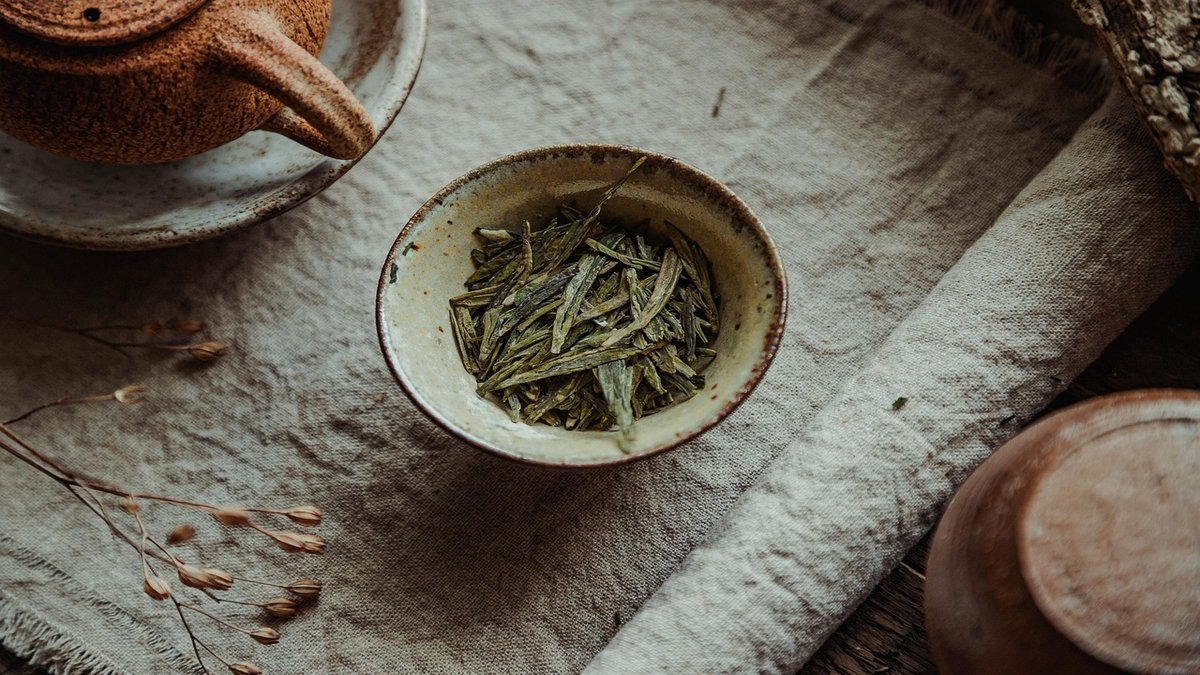
West Lake Longjing, originating from Hangzhou, Zhejiang Province, is instantly recognizable by its flat, smooth, sword-shaped leaves and its characteristic nutty, mellow flavor with a hint of sweetness. It is one of China's Ten Famous Teas and is highly prized for its "four wonders": emerald green color, fragrant aroma, mellow taste, and beautiful leaf shape. The tea is pan-fired by hand, a meticulous process that contributes to its unique appearance and flavor. Brands like Shifeng, a well-known producer, offer a wide range of Longjing products, making it possible to find authentic West Lake Longjing within the 200 CNY budget. JD.com, for example, lists 446 different Shifeng West Lake Longjing tea products, including various sizes and grades, providing ample choices for consumers Shifeng West Lake Longjing on JD.com. This extensive selection means that smaller packages or specific grades, such as those weighing 50g or 100g, are frequently available at prices well under 200 CNY, allowing tea lovers to experience this classic without breaking the bank.
Dongting Biluochun, on the other hand, hails from Dongting Mountain in Suzhou, Jiangsu Province. It is famed for its tightly rolled, spiral-shaped leaves, its vibrant green color, and its intense floral and fruity aroma, often described as having notes of jasmine, apricot, and plum. The name itself, "Biluochun," translates to "Green Snail Spring," reflecting its appearance and harvest season. A tea reviewer on Zhihu explained the origin of its name, stating, "The tea leaves are emerald green, hence 'Bi' (碧); through special processing, they curl like a snail, hence 'Luo' (螺); and they are picked in spring, hence 'Chun' (春)" (translated from Chinese). This tea is often intercropped with fruit trees, which is believed to contribute to its distinctive fruity fragrance. Dongting Biluochun is also characterized by its abundant white downy hairs, which are a sign of its tenderness and freshness. JD.com also features a significant number of options for this tea, with 469 Dongting Mountain Mingqian Biluochun products available, indicating a broad selection for consumers Dongting Biluochun on JD.com. Many of these listings include smaller packages or specific grades, such as Mingqian Special Grade or Mingqian First Grade, that can be purchased for under 200 CNY. This accessibility allows tea enthusiasts to explore the nuanced flavors and aromatic complexity of Biluochun.
The "Mingqian" designation is a critical factor for both teas when considering quality and value under 200 CNY. Mingqian teas are harvested before April 5th (the Qingming Festival), when the tea buds are at their most tender and contain the highest concentration of amino acids, resulting in a sweeter, less bitter taste and a more delicate aroma. While Mingqian teas are generally more expensive, smaller quantities or specific sub-grades can often be found within the budget. For example, a Mingqian first-grade Dongting Biluochun is typically priced around 980 CNY per 500g, meaning that a 50g or 100g package would fall comfortably under 200 CNY, offering a taste of premium quality at an affordable price Mingqian First-Grade Dongting Biluochun pricing. This pricing structure makes it feasible for consumers to enjoy high-quality, early-harvest green teas without exceeding their budget.
Beyond these two titans, other regional green teas might also occasionally appear under the 200 CNY mark, but Longjing and Biluochun remain the most consistently available and highly regarded options within this price range on major e-commerce platforms. Their widespread recognition and the competitive market ensure that various producers offer different grades and packaging sizes, catering to diverse preferences and budgets. When shopping, consumers should pay attention to the specific grade (e.g., "Teji" for special grade, "Yiji" for first grade), the harvest season (Mingqian is preferred), and the packaging size to ensure they are getting the best value for their money. By focusing on these two iconic teas and understanding their key characteristics, tea lovers can confidently navigate the market and discover exceptional Chinese green teas without overspending.
Understanding Mingqian and Teji Grades
The terms "Mingqian" (明前) and "Teji" (特级) are crucial indicators of quality for Chinese green teas. Mingqian refers to tea leaves picked before the Qingming Festival, typically around early April. This early harvest period is highly valued because the tea buds are young, tender, and contain a higher concentration of amino acids, which contribute to a fresher, sweeter taste and a more delicate aroma. These early spring leaves are often considered the finest quality of the year. Teji, or "Special Grade," denotes a superior quality within a given tea type, often based on the tenderness of the leaves, the uniformity of their shape, and the overall purity of the tea. When combined, "Mingqian Teji" indicates a tea that is both an early harvest and of the highest classification for its type, representing exceptional quality. While such teas can be expensive, smaller quantities often make them affordable under 200 CNY.
Packaging and Size Options
To keep prices under 200 CNY, many brands offer their premium green teas in smaller packaging sizes. For West Lake Longjing, options like 50g or 100g cans or small paper-wrapped packages are common. These smaller formats allow consumers to purchase high-grade teas, such as a special grade Mingqian Longjing, without committing to a larger, more expensive quantity. For Dongting Biluochun, similar options exist, including 50g, 100g, or 200g gift boxes or loose-leaf pouches. These smaller sizes are ideal for personal consumption, for sampling different grades, or as thoughtful gifts. The availability of various packaging types, from simple paper bags for daily drinking to more elaborate cans or gift boxes, also caters to different consumer needs, ensuring that a high-quality tea experience is accessible regardless of budget.
Why choose West Lake Longjing tea?
West Lake Longjing tea is a quintessential choice for anyone seeking a premium Chinese green tea, particularly when looking for options under 200 CNY, due to its distinctive qualities and widespread availability. This tea is celebrated for its unique flat, smooth leaves, which are a result of its meticulous hand-pressing during processing. Its flavor profile is equally renowned, offering a refreshing and mellow taste that often carries notes of roasted chestnuts or fresh beans, coupled with a lingering sweetness. This combination of visual appeal, aromatic complexity, and satisfying taste makes it a favorite among tea enthusiasts globally. Its status as one of China's Ten Famous Teas further solidifies its reputation and desirability.
One of the primary reasons to choose West Lake Longjing is its consistent quality and the reliability of well-established brands. Shifeng, for instance, is a prominent producer whose products are widely available on major e-commerce platforms. The brand offers a variety of packaging sizes and grades, making it easier to find options that fit within a 200 CNY budget. For example, Shifeng offers 250g paper-packaged special grade West Lake Longjing, which can be purchased for gifting or personal consumption, providing a substantial amount of high-quality tea at a reasonable price point. These options are often labeled as "Mingqian Teji," signifying both an early harvest and a special grade, ensuring a superior drinking experience. The availability of such packages allows consumers to enjoy authentic Longjing without excessive expense, making it an excellent value proposition.
Furthermore, the versatility of West Lake Longjing makes it suitable for various occasions. Its refreshing character makes it an excellent daily brew, while its refined flavor profile makes it worthy of special moments. The tea's aroma is often described as fresh and clean, contributing to a calming and invigorating experience with each cup. The leaves themselves, when steeped, unfurl gracefully in the water, adding to the aesthetic pleasure of the brewing process. This visual appeal, combined with its renowned taste and aroma, enhances the overall tea-drinking ritual, elevating it beyond a simple beverage.
For those specifically seeking options under 200 CNY, Shifeng also provides smaller, more budget-friendly packages. Smaller 50g canned options from Shifeng are available, which are perfect for sampling the tea's quality or for daily enjoyment without a large initial investment. These smaller tins often contain high-grade leaves, allowing consumers to experience the premium characteristics of West Lake Longjing at a fraction of the cost of larger, more elaborate packages. The existence of these diverse packaging choices underscores the brand's commitment to making quality tea accessible to a wider audience, regardless of their budget constraints. By offering different quantities, Shifeng ensures that both seasoned connoisseurs and new tea drinkers can find a Longjing product that meets their needs and price expectations.
The "Mingqian" (pre-Qingming) designation is particularly important when selecting West Lake Longjing. Teas harvested before the Qingming Festival are prized for their exceptional tenderness and delicate flavor, as the young buds and leaves are at their peak. These early spring teas are less astringent and possess a sweeter, more nuanced taste profile. While Mingqian Longjing can be more expensive, the availability of smaller packages often brings these premium options within the 200 CNY range. When choosing, look for terms like "Mingqian Teji" (pre-Qingming special grade) or "Mingqian Tou Cai" (pre-Qingming first picking) to ensure you are getting the highest quality available within your budget. These indicators guarantee a tea with superior freshness, aroma, and taste, providing an authentic West Lake Longjing experience.
In summary, West Lake Longjing offers a compelling combination of historical prestige, distinctive flavor, and broad accessibility. Brands like Shifeng ensure that even premium grades harvested during the coveted Mingqian period are available in sizes that fit within a 200 CNY budget. Its refreshing taste, pleasant aroma, and visually appealing leaves make it an ideal choice for both everyday drinking and special occasions, representing excellent value for a tea of such high repute. The sheer volume of offerings, with 446 products listed on JD.com, means consumers have a wide array of choices to find the perfect West Lake Longjing to suit their preferences and budget.
The Craft of Longjing Processing
The unique flat shape and mellow taste of West Lake Longjing tea are direct results of its traditional processing method, primarily pan-firing. After harvesting, the fresh leaves are withered and then meticulously hand-fired in large woks. This process involves a series of complex hand movements, including pressing, shaking, tossing, and rubbing, which shape the leaves, halt oxidation, and develop their characteristic aroma and flavor. This labor-intensive craft, often passed down through generations, requires immense skill and precision. The flat, smooth appearance of the dried leaves is a hallmark of authentic Longjing, reflecting the expertise of the tea masters. This artisanal approach contributes significantly to the tea's premium quality and distinct sensory profile.
Pairing and Enjoyment
West Lake Longjing's refreshing and mellow profile makes it a versatile tea that can be enjoyed on its own or paired with light foods. Its subtle sweetness and nutty undertones complement delicate pastries, fresh fruits, or mild savory snacks. For a pure experience, it is best brewed with water around 80-85°C (175-185°F) to preserve its delicate flavors and prevent bitterness. The clear, pale green liquor and the unfolding leaves in the gaiwan or glass provide a serene visual component to the tea-drinking experience. Whether enjoyed in the morning to invigorate the senses or in the afternoon for a moment of calm, West Lake Longjing offers a consistently delightful and authentic Chinese tea experience.
What makes Dongting Biluochun a great choice?
Dongting Biluochun is an exceptional green tea that stands out for its distinctive characteristics, making it a superb choice for tea enthusiasts looking for quality options under 200 CNY. This tea is most recognized for its unique spiral shape, which gives it the "snail" part of its name ("Luo" 螺 means snail). Beyond its intriguing appearance, Biluochun boasts a clear, bright green color when steeped and, most notably, a potent floral-fruity aroma that is both complex and invigorating. This aromatic richness is a hallmark of the tea, distinguishing it from many other green varieties.
The geographical origin of Dongting Biluochun plays a crucial role in its unique flavor profile. It originates from Suzhou's Dongting Mountain, which encompasses both East Dongting and West Dongting Mountains, located by Lake Taihu in Jiangsu Province. Specifically, the tea's core production area is Xidongting Mountain, particularly Jinting Town. This region's unique microclimate, characterized by abundant rainfall, fertile soil, and the practice of intercropping tea bushes with fruit trees (such as plum, apricot, and peach), is believed to infuse the tea leaves with their natural floral and fruity notes. This symbiosis between the tea plants and fruit trees contributes to the tea's renowned fragrant bouquet, a quality that is difficult to replicate elsewhere.
Another key identifier of authentic Dongting Biluochun is the prominent presence of white tea hairs, or "white downy fuzz," on the dried leaves. These fine, silvery hairs are a crucial indicator of the tea's freshness and tenderness. A tea reviewer on Zhihu highlighted this characteristic, stating, "The white tea hairs, like fine downy fuzz, are an important external characteristic of Biluochun. They also indicate the freshness and tenderness of the tea leaves" (translated from Chinese). The more abundant and delicate these hairs, the younger and higher quality the tea buds were at the time of harvest. This visual cue helps consumers identify truly premium Biluochun, even when purchasing within a budget.
When considering value under 200 CNY, Dongting Biluochun remains an excellent option. While premium Mingqian (pre-Qingming) grades can be expensive, smaller quantities make them accessible. For example, a Mingqian first-grade Dongting Biluochun is typically priced at 980 CNY per 500g. This pricing suggests that a 50g or 100g package of this high-quality grade would easily fall within the 200 CNY budget, allowing consumers to experience its superior taste and aroma without a significant investment. This particular grade is often made from "Mingqian Er Cai" (second picking before Qingming), where carefully selected one bud and two leaves are used in processing, ensuring a balanced flavor and tender texture. The careful selection of these young leaves contributes to the tea's overall delicate character and rich taste.
The meticulous processing of Dongting Biluochun further enhances its appeal. Traditional methods involve hand-firing and shaping the leaves to achieve their distinctive spiral form and to lock in their complex aromas. This artisanal craftsmanship ensures that each batch of tea retains its authentic qualities. The resulting tea liquid is typically bright green and clear, offering a smooth, fresh, and mellow taste that is both refreshing and deeply satisfying. The combination of its unique origin, distinctive appearance, captivating aroma, and exquisite taste makes Dongting Biluochun a truly great choice for anyone seeking a high-quality Chinese green tea experience under 200 CNY. Its vibrant character and storied heritage provide a rich sensory journey that is both accessible and deeply rewarding.
The Role of "Mingqian Er Cai"
The term "Mingqian Er Cai" (明前二采), or "second picking before Qingming," refers to a specific harvest period for Dongting Biluochun. While "first picking" (Tou Cai) before Qingming is often considered the absolute premium, "second picking" still falls within the highly prized Mingqian period. Teas from this picking are characterized by slightly more mature, yet still very tender, one bud and two leaves. This selection results in a tea that is robust in flavor and aroma, yet retains the delicate sweetness and freshness typical of Mingqian teas. It offers a balance between the extreme tenderness of the very first flush and a more developed body, often providing excellent value for its quality, especially when looking for options under 200 CNY.
Brewing Biluochun for Best Flavor
To fully appreciate the delicate nuances of Dongting Biluochun, proper brewing is essential. It is generally recommended to use water that is around 80-85°C (175-185°F). Water that is too hot can scorch the tender leaves and result in a bitter taste, while water that is too cool might not extract the full flavor and aroma. Using a clear glass or gaiwan allows you to observe the beautiful unfurling of the spiral leaves and the vibrant green color of the liquor. The first steep should be brief, around 30-60 seconds, to awaken the leaves, with subsequent steeps increasing slightly in duration. This method helps to bring out the tea's characteristic fresh floral and fruity notes, ensuring a smooth and sweet cup with a lingering aftertaste.
How to identify quality Biluochun tea?
Identifying quality Biluochun tea involves examining several key characteristics of the dry leaves, the brewed liquid, and the spent leaves. These indicators help tea drinkers discern authentic and well-processed tea from lesser quality varieties, ensuring a satisfying experience, especially when navigating options under 200 CNY. Understanding these traits allows consumers to make informed choices and truly appreciate the artistry behind this renowned green tea.
First, the dry tea leaves themselves offer significant clues to quality. High-quality Biluochun leaves are slender, tightly rolled into a distinctive spiral or snail-like shape, and notably covered in abundant white downy hairs. This fine, silvery fuzz, known as "white tea hairs" or "tea pekoe," is a crucial indicator of the tea's tenderness and freshness. The more prominent and delicate these hairs, the younger and higher quality the tea buds were when picked. A Zhihu reviewer emphasized this point, stating, "The white tea hairs, like fine downy fuzz, are an important external characteristic of Biluochun. They also indicate the freshness and tenderness of the tea leaves" (translated from Chinese). The color of the dry leaves should be a vibrant, emerald green. Variations in color, or a lack of white hairs, can suggest a lower grade or an older harvest. The aroma of the dry leaves should also be fresh, with clear floral and fruity notes, not musty or flat.
Second, the appearance and taste of the tea liquid (or "tea soup") after brewing are critical indicators. A high-quality Biluochun should produce a tea liquid that is bright green and remarkably clear, almost translucent. Any cloudiness or dullness in color could suggest impurities or lower quality processing. The taste should be fresh, mellow, and wonderfully smooth, with a distinct sweetness and a lingering aftertaste that echoes its floral and fruity aroma. There should be no harsh bitterness or strong astringency, which can occur if the leaves are over-steeped or if the tea is of a coarser grade. The flavor should be complex yet harmonious, reflecting the tea's unique origin and careful cultivation.
Third, examining the spent tea leaves at the bottom of the cup, known as the "tea bottom" or "infused leaves," provides further insight into quality. After brewing, the leaves should unfurl to reveal tender, whole buds and leaves that are uniform in size and color. They should appear bright green and feel soft and supple. The presence of many broken leaves, stems, or discolored pieces indicates a lower grade. The white hairs should still be visible on the unfurled leaves, confirming their initial tenderness. This consistency in the infused leaves demonstrates the careful selection of raw materials and the meticulous processing.
Finally, the origin and processing methods also contribute to quality. Authentic Dongting Biluochun comes from Suzhou's Dongting Mountain, particularly Xidongting Mountain Jinting Town. Producers with a long history and traditional methods often yield superior teas. For instance, some family-owned operations boast a 32-year tradition of hand-making tea, ensuring even heating of every bud and leaf. This meticulous craftsmanship is said to result in an aroma and taste that surpasses 95% of market-available Dongting Biluochun, highlighting the importance of artisanal skill in achieving high quality. Such dedication to traditional techniques ensures that the tea retains its authentic character and superior sensory attributes. When selecting Biluochun, especially within the 200 CNY budget, prioritizing these sensory and provenance indicators will help ensure a purchase of genuine quality.
Importance of Aroma
The aroma of Biluochun tea is a defining characteristic and a strong indicator of its quality. High-grade Biluochun, particularly Mingqian varieties, emits a fresh, strong floral and fruity fragrance. This unique bouquet is often attributed to the tea bushes being intercropped with fruit trees in the Dongting Mountain region. When evaluating dry leaves, a vibrant, natural aroma is a good sign. After brewing, the fragrance should intensify, filling the air with delicate notes reminiscent of jasmine, plum, or apricot, without any artificial or stale undertones. A rich and complex aroma signifies carefully processed leaves that have retained their natural volatile compounds, contributing significantly to the overall tea-drinking experience.
Storage and Freshness
Proper storage is crucial for maintaining the quality of Biluochun tea. As a green tea, it is highly susceptible to oxidation and moisture, which can degrade its delicate flavor and aroma. Store Biluochun in an airtight container, away from light, heat, and strong odors. Refrigeration or freezing can extend its freshness, especially for Mingqian teas, which are best consumed within a few months of harvest to fully appreciate their tender characteristics. Always allow the tea to come to room temperature before opening the package to prevent condensation. By following these storage guidelines, you can preserve the vibrant green color, fresh aroma, and mellow taste of your quality Biluochun tea for an extended period.
Are there specific brands to consider for value green tea?
When seeking value green tea under 200 CNY, focusing on established brands known for their consistency and presence on major e-commerce platforms can significantly aid in making an informed purchase. For West Lake Longjing, Shifeng is a highly recommended brand that is well-represented and offers a variety of products across different price points and packaging sizes. For Dongting Biluochun, brands like Jun Jiangnan and Di Yi Jiangnan are prominent, offering various Mingqian grades that often fall within the specified budget. The broad availability of these brands on platforms like JD.com and Taobao ensures a wide selection and competitive pricing, making quality green tea accessible.
For West Lake Longjing, Shifeng is a brand with a strong reputation and extensive offerings. JD.com, for instance, lists 446 different Shifeng West Lake Longjing tea products, demonstrating its market dominance and variety. These products include various grades, such as "Mingqian Teji" (pre-Qingming special grade) and "Mingqian Tou Cai" (pre-Qingming first picking), in different package sizes like 50g, 150g, and 250g. This range allows consumers to find high-quality Longjing suitable for personal consumption or as gifts, often within the 200 CNY budget. For example, a 250g paper-packaged special grade West Lake Longjing from Shifeng is an option that provides excellent value. Smaller 50g canned options are also available, which are perfect for sampling or daily enjoyment without a large investment. The reliability of Shifeng ensures that consumers receive authentic West Lake Longjing with its characteristic flat leaves, nutty aroma, and mellow taste.
When it comes to Dongting Biluochun, several brands consistently offer quality products within the under 200 CNY range. Jun Jiangnan is one such brand, providing various Mingqian grades. For instance, Jun Jiangnan offers a 200g gift box of Mingqian Special First-Grade Dongting Biluochun, which is an excellent option for those seeking a premium experience at a reasonable price. This type of packaging is ideal for gifting or for a substantial personal supply of high-quality tea. Similarly, Di Yi Jiangnan is another brand to consider, featuring a 250g gift box of Mingqian Special Grade Dongting Biluochun. These offerings demonstrate that high-grade, early-harvest Biluochun, known for its spiral shape, vibrant green color, and floral-fruity aroma, is readily available within the budget. The competition among these brands on major platforms helps maintain competitive pricing and a good selection for consumers.
Beyond these specific brands, the general search for "Biluochun First Grade Mingqian Green Tea" on platforms like Taobao reveals a vast market. Taobao lists over 500 products for this specific search term, indicating a wide array of options from numerous sellers. This includes products from brands like Zmpx/Zhongmin Piaoxiang and Yifutang, which are also recognized names in the Chinese tea market. Such a broad selection means that consumers have ample opportunity to compare prices, grades, and packaging sizes to find the best value. It also suggests that many smaller, regional producers contribute to the market, offering diverse choices. When exploring these options, it is advisable to look for sellers with high ratings and detailed product descriptions, especially those specifying the harvest period (Mingqian) and grade (First Grade or Special Grade) to ensure authenticity and quality.
In summary, for West Lake Longjing, Shifeng stands out as a reliable brand with extensive offerings suitable for various budgets. For Dongting Biluochun, Jun Jiangnan and Di Yi Jiangnan provide excellent Mingqian options. The broader market on platforms like Taobao, featuring brands such as Zmpx/Zhongmin Piaoxiang and Yifutang, also offers a plethora of choices for Mingqian First-Grade Biluochun. By focusing on these brands and using the "Mingqian" and "Special Grade" designations as guides, consumers can confidently navigate the market and discover high-quality Chinese green teas under 200 CNY, enjoying premium flavors without exceeding their budget.
Regional Brands and Specializations
While Shifeng is a major player for West Lake Longjing, and Jun Jiangnan and Di Yi Jiangnan are prominent for Dongting Biluochun, many smaller, regional brands also specialize in these teas. These local producers often maintain traditional processing methods and can offer exceptional quality, sometimes at even more competitive prices due to lower overheads. Exploring these regional brands, particularly those originating directly from the tea's famous production areas like Xidongting Mountain for Biluochun, can lead to discovering hidden gems. Online platforms like Taobao make it possible to access these smaller vendors, providing a wider selection beyond the nationally recognized brands. Always check seller reviews and product details for authenticity.
The Value of E-commerce Platforms
E-commerce platforms like JD.com and Taobao are invaluable resources for finding value green teas under 200 CNY. They aggregate products from numerous brands and sellers, providing a transparent marketplace for price comparison, product specifications, and customer reviews. The sheer volume of listings—446 for Shifeng West Lake Longjing on JD.com and over 500 for "Biluochun First Grade Mingqian Green Tea" on Taobao—ensures that consumers have a vast selection. These platforms often feature sales, discounts, and various shipping options, further enhancing the value proposition. Utilizing search filters for grade, harvest time, and price range can help narrow down options to find the best deals on authentic Chinese green teas.
How do Mingqian and Minghou teas compare?
The terms "Mingqian" (明前) and "Minghou" (明后) refer to specific harvest periods for Chinese green teas, primarily differentiating teas picked before and after the Qingming Festival, which typically falls around April 5th. This distinction is crucial in understanding the quality, flavor profile, and price point of green teas, as it significantly impacts their characteristics. The comparison between Mingqian and Minghou teas highlights the seasonal variations in tea production and their respective appeal to different preferences.
Mingqian teas, harvested before the Qingming Festival, are generally considered the most tender and premium. During this early spring period, the tea buds and young leaves are at their peak of freshness and contain a higher concentration of amino acids, which contribute to a sweeter, more umami (savory) taste and a less bitter profile. The colder temperatures of early spring also cause the tea plants to grow slower, allowing the leaves to accumulate more nutrients and develop a more delicate, nuanced aroma. These teas are often characterized by their bright green color, delicate appearance (such as abundant white downy hairs on Biluochun), and a refined, subtle flavor. Because of their limited yield and superior quality, Mingqian teas typically command a higher price. This premium status is why even smaller packages of Mingqian teas, like a 50g Mingqian first-grade Dongting Biluochun, are still considered a valuable find within a 200 CNY budget, offering an exquisite taste of early spring.
In contrast, Minghou teas are picked after the Qingming Festival. As the weather warms and the tea plants grow more rapidly, the leaves mature further. This results in a tea that typically has a slightly deeper green color and a more robust, sometimes bolder, flavor compared to Mingqian teas. While still good quality, Minghou teas may have a slightly higher astringency due to increased tannin content as the leaves mature. The aroma might be less delicate but more pronounced. Because of the larger yield and less labor-intensive harvesting conditions, Minghou teas are generally more affordable than their Mingqian counterparts. They offer excellent value for everyday drinking, providing a satisfying and flavorful cup without the premium price tag associated with the earliest harvests. For instance, a comparison between Mingqian Special First Grade and Minghou Second Grade Biluochun showed that Mingqian had more prominent and tender white hairs, indicating its superior freshness and delicacy. However, both still exhibited fresh floral and fruity aromas, suggesting that Minghou teas can still offer a pleasant sensory experience (translated from Chinese from Zhihu).
The choice between Mingqian and Minghou often comes down to personal preference and budget. If one prioritizes extreme tenderness, delicate sweetness, and a subtle aroma, Mingqian is the preferred choice, and it is possible to find smaller quantities within the 200 CNY budget. If a more robust flavor, slightly deeper color, and a more budget-friendly option are desired, Minghou teas can offer excellent quality and a satisfying tea-drinking experience. Both categories contribute significantly to the diverse landscape of Chinese green teas, each offering unique characteristics shaped by their harvest timing. Understanding this distinction empowers tea drinkers to select the tea that best suits their palate and their wallet.
Seasonal Harvest Differences
The primary difference between Mingqian and Minghou teas lies in the maturity of the tea leaves and buds at the time of harvest. Mingqian leaves are essentially the first flush of spring, collected when the tea plants are just awakening from winter dormancy. This results in very young, tender buds and leaves that are rich in amino acids and volatile aromatic compounds but lower in catechins (tannins), leading to a sweeter, smoother cup. Minghou teas, harvested later in the spring, consist of more mature leaves. While still fresh, these leaves have developed a higher concentration of catechins, which contributes to a more pronounced, sometimes slightly more astringent, flavor and a deeper color. The difference in maturity also affects the physical appearance, with Mingqian teas often having more visible downy hairs and a more delicate structure.
Impact on Flavor Profile
The harvest period directly impacts the flavor profile of green teas. Mingqian teas are celebrated for their delicate, fresh, and often complex flavors, which can include notes of fresh grass, roasted nuts, or subtle floral and fruity undertones, depending on the tea type. Their sweetness and lack of bitterness make them highly prized. Minghou teas, while still offering a fresh green tea flavor, tend to be fuller-bodied with a more direct taste. They might exhibit stronger vegetal notes or a more pronounced "tea taste" that some drinkers prefer for its invigorating qualities. While Mingqian teas are often sought for their subtlety and refinement, Minghou teas provide a more robust and often more economical option for daily enjoyment, demonstrating that both can offer high-quality experiences depending on taste preferences.
Frequently Asked Questions
What does 'Mingqian' mean for Chinese green tea?
'Mingqian' (明前) translates to "pre-Qingming" and refers to green tea leaves harvested before the Qingming Festival, which typically falls around April 5th each year. This period is highly valued because the tea buds and young leaves are at their tenderest, having grown slowly in the colder early spring temperatures. Mingqian teas are known for their delicate flavor, rich aroma, and smoother taste with less bitterness due to a higher concentration of amino acids. For example, a Mingqian first-grade Dongting Biluochun is often priced at 980 CNY per 500g, reflecting its premium status, though smaller packages can be found under 200 CNY.
Is it possible to find authentic West Lake Longjing under 200 CNY?
Yes, it is entirely possible to find authentic West Lake Longjing tea under 200 CNY, especially by opting for smaller package sizes or specific grades. Brands like Shifeng offer a variety of options, including 50g canned teas or 250g paper-packaged special grade varieties. JD.com lists 446 different Shifeng West Lake Longjing tea products, demonstrating a wide selection that includes many choices within this budget. By focusing on these smaller quantities and reputable brands, consumers can enjoy the classic nutty and mellow flavor of Longjing without exceeding their price limit.
What is the optimal brewing temperature for Biluochun tea?
The optimal brewing temperature for Dongting Biluochun tea is typically between 80-85°C (175-185°F). Using water that is too hot can scorch the delicate tea leaves, leading to a bitter taste, while water that is too cool may not fully extract the tea's complex floral and fruity aromas. This temperature range helps to preserve the tea's tender characteristics and ensures a smooth, fresh, and mellow cup. For example, a tea reviewer noted that 82-degree mineralized water was used for brewing Biluochun to bring out its fresh floral and fruity notes.
How can I tell if Biluochun tea is of good quality?
You can identify good quality Biluochun tea by several characteristics. Look for slender, tightly rolled leaves covered in abundant white downy hairs, which indicate tenderness and freshness. The dry leaves should have a fresh floral and fruity aroma. When brewed, the tea liquid should be bright green and clear, with a fresh, mellow, and sweet taste free of bitterness. The infused leaves at the bottom of the cup should be tender, uniform, and bright green. A 32-year family tradition of hand-making tea, for instance, is noted to produce tea that surpasses 95% of market-available Dongting Biluochun in aroma and taste.
Which regions produce the best Dongting Biluochun?
The best Dongting Biluochun tea originates from the Dongting Mountain area in Suzhou, Jiangsu Province, specifically from Xidongting Mountain (West Dongting Mountain), particularly Jinting Town. This region's unique microclimate, characterized by abundant rainfall, fertile soil, and the traditional practice of intercropping tea bushes with fruit trees, contributes to the tea's distinctive floral and fruity aroma. The name "Dongting Biluochun" specifically refers to tea from this renowned geographical indication, distinguishing it from Biluochun produced in other regions.
Related Reading
- Best Chinese Green Teas for Beginners
- Best Organic Chinese Green Teas
- Best West Lake Longjing Ranked
- Top 10 Chinese Tea Gifts Under $50
- Best Chinese Red Teas Under 250 CNY
Sources
- https://zhuanlan.zhihu.com/p/1891850855310918132
- https://shop.suning.com/30003909/list_210882656_0.html
- https://www.jd.com/chanpin/2646277.html
- https://zhuanlan.zhihu.com/p/691792486
- http://www.jd.com/chanpin/2361694.html
- https://zhuanlan.zhihu.com/p/1962920658443960657
- https://www.blcchaye.com/jiage_204.html
- https://www.taobao.com/list/product/%E7%A2%A7%E8%9E%BA%E6%98%A5%E4%B8%80%E7%BA%A7%E6%98%8E%E5%89%8D%E7%BB%BF%E8%8C%B6.htm
— The Tea Atlas Team Last updated: April 2026
Affiliate Disclosure: We may earn a commission when you purchase through our links. This does not affect our editorial independence.
Quick Answer
- West Lake Longjing from brands like Shifeng is widely available, with JD.com listing 446 Shifeng West Lake Longjing products, including many 250g options priced affordably.
- Dongting Biluochun is another excellent choice, with many Mingqian (pre-Qingming) options available, offering distinct floral and fruity aromas.
- A Mingqian first-grade Dongting Biluochun can be found for around 980 CNY per 500g, making smaller packages under 200 CNY feasible and accessible for enthusiasts.
- Both teas offer rich flavor profiles, from the fresh floral notes in Biluochun to the characteristic mellow, nutty taste of Longjing, providing diverse options for tea drinkers.
Chinese green teas offer a vast spectrum of flavors, aromas, and historical significance, with many premium options surprisingly accessible under the 200 CNY price point. Among the most revered are West Lake Longjing and Dongting Biluochun, both celebrated for their unique characteristics and cultural importance. These teas, especially those harvested before the Qingming Festival (known as Mingqian), represent the pinnacle of freshness and delicate flavor. For instance, JD.com, a major e-commerce platform, lists 446 distinct products for Shifeng West Lake Longjing tea, showcasing the wide availability and variety within this category. Similarly, the platform features 469 Dongting Mountain Mingqian Biluochun products, indicating a robust selection for consumers seeking this distinctive green tea. This broad market presence ensures that tea lovers can find authentic and high-quality options that fit within a modest budget, whether they are looking for a daily brew or a special treat. Exploring these varieties allows for a deeper appreciation of China's rich tea heritage without a significant financial outlay.
What are the top Chinese green teas under 200 CNY?
The top Chinese green teas available for under 200 CNY predominantly feature West Lake Longjing and Dongting Biluochun, both renowned for their exceptional quality and distinctive profiles. These two varieties stand out for their historical legacy, unique processing methods, and the delicate flavors they offer, making them highly sought after by tea connoisseurs and casual drinkers alike. Many brands make these celebrated teas accessible by offering them in smaller packages or specific grades designed to fit within this budget. The key to finding the best value often lies in understanding the "Mingqian" designation, which refers to teas picked before the Qingming Festival. This early harvest signifies a higher level of freshness, tenderness, and often a more refined taste, contributing to their premium status despite the existence of more affordable options.
West Lake Longjing, originating from Hangzhou, Zhejiang Province, is instantly recognizable by its flat, smooth, sword-shaped leaves and its characteristic nutty, mellow flavor with a hint of sweetness. It is one of China's Ten Famous Teas and is highly prized for its "four wonders": emerald green color, fragrant aroma, mellow taste, and beautiful leaf shape. The tea is pan-fired by hand, a meticulous process that contributes to its unique appearance and flavor. Brands like Shifeng, a well-known producer, offer a wide range of Longjing products, making it possible to find authentic West Lake Longjing within the 200 CNY budget. JD.com, for example, lists 446 different Shifeng West Lake Longjing tea products, including various sizes and grades, providing ample choices for consumers Shifeng West Lake Longjing on JD.com. This extensive selection means that smaller packages or specific grades, such as those weighing 50g or 100g, are frequently available at prices well under 200 CNY, allowing tea lovers to experience this classic without breaking the bank.
Dongting Biluochun, on the other hand, hails from Dongting Mountain in Suzhou, Jiangsu Province. It is famed for its tightly rolled, spiral-shaped leaves, its vibrant green color, and its intense floral and fruity aroma, often described as having notes of jasmine, apricot, and plum. The name itself, "Biluochun," translates to "Green Snail Spring," reflecting its appearance and harvest season. A tea reviewer on Zhihu explained the origin of its name, stating, "The tea leaves are emerald green, hence 'Bi' (碧); through special processing, they curl like a snail, hence 'Luo' (螺); and they are picked in spring, hence 'Chun' (春)" (translated from Chinese). This tea is often intercropped with fruit trees, which is believed to contribute to its distinctive fruity fragrance. Dongting Biluochun is also characterized by its abundant white downy hairs, which are a sign of its tenderness and freshness. JD.com also features a significant number of options for this tea, with 469 Dongting Mountain Mingqian Biluochun products available, indicating a broad selection for consumers Dongting Biluochun on JD.com. Many of these listings include smaller packages or specific grades, such as Mingqian Special Grade or Mingqian First Grade, that can be purchased for under 200 CNY. This accessibility allows tea enthusiasts to explore the nuanced flavors and aromatic complexity of Biluochun.
The "Mingqian" designation is a critical factor for both teas when considering quality and value under 200 CNY. Mingqian teas are harvested before April 5th (the Qingming Festival), when the tea buds are at their most tender and contain the highest concentration of amino acids, resulting in a sweeter, less bitter taste and a more delicate aroma. While Mingqian teas are generally more expensive, smaller quantities or specific sub-grades can often be found within the budget. For example, a Mingqian first-grade Dongting Biluochun is typically priced around 980 CNY per 500g, meaning that a 50g or 100g package would fall comfortably under 200 CNY, offering a taste of premium quality at an affordable price Mingqian First-Grade Dongting Biluochun pricing. This pricing structure makes it feasible for consumers to enjoy high-quality, early-harvest green teas without exceeding their budget.
Beyond these two titans, other regional green teas might also occasionally appear under the 200 CNY mark, but Longjing and Biluochun remain the most consistently available and highly regarded options within this price range on major e-commerce platforms. Their widespread recognition and the competitive market ensure that various producers offer different grades and packaging sizes, catering to diverse preferences and budgets. When shopping, consumers should pay attention to the specific grade (e.g., "Teji" for special grade, "Yiji" for first grade), the harvest season (Mingqian is preferred), and the packaging size to ensure they are getting the best value for their money. By focusing on these two iconic teas and understanding their key characteristics, tea lovers can confidently navigate the market and discover exceptional Chinese green teas without overspending.
Understanding Mingqian and Teji Grades
The terms "Mingqian" (明前) and "Teji" (特级) are crucial indicators of quality for Chinese green teas. Mingqian refers to tea leaves picked before the Qingming Festival, typically around early April. This early harvest period is highly valued because the tea buds are young, tender, and contain a higher concentration of amino acids, which contribute to a fresher, sweeter taste and a more delicate aroma. These early spring leaves are often considered the finest quality of the year. Teji, or "Special Grade," denotes a superior quality within a given tea type, often based on the tenderness of the leaves, the uniformity of their shape, and the overall purity of the tea. When combined, "Mingqian Teji" indicates a tea that is both an early harvest and of the highest classification for its type, representing exceptional quality. While such teas can be expensive, smaller quantities often make them affordable under 200 CNY.
Packaging and Size Options
To keep prices under 200 CNY, many brands offer their premium green teas in smaller packaging sizes. For West Lake Longjing, options like 50g or 100g cans or small paper-wrapped packages are common. These smaller formats allow consumers to purchase high-grade teas, such as a special grade Mingqian Longjing, without committing to a larger, more expensive quantity. For Dongting Biluochun, similar options exist, including 50g, 100g, or 200g gift boxes or loose-leaf pouches. These smaller sizes are ideal for personal consumption, for sampling different grades, or as thoughtful gifts. The availability of various packaging types, from simple paper bags for daily drinking to more elaborate cans or gift boxes, also caters to different consumer needs, ensuring that a high-quality tea experience is accessible regardless of budget.
Why choose West Lake Longjing tea?
West Lake Longjing tea is a quintessential choice for anyone seeking a premium Chinese green tea, particularly when looking for options under 200 CNY, due to its distinctive qualities and widespread availability. This tea is celebrated for its unique flat, smooth leaves, which are a result of its meticulous hand-pressing during processing. Its flavor profile is equally renowned, offering a refreshing and mellow taste that often carries notes of roasted chestnuts or fresh beans, coupled with a lingering sweetness. This combination of visual appeal, aromatic complexity, and satisfying taste makes it a favorite among tea enthusiasts globally. Its status as one of China's Ten Famous Teas further solidifies its reputation and desirability.
One of the primary reasons to choose West Lake Longjing is its consistent quality and the reliability of well-established brands. Shifeng, for instance, is a prominent producer whose products are widely available on major e-commerce platforms. The brand offers a variety of packaging sizes and grades, making it easier to find options that fit within a 200 CNY budget. For example, Shifeng offers 250g paper-packaged special grade West Lake Longjing, which can be purchased for gifting or personal consumption, providing a substantial amount of high-quality tea at a reasonable price point. These options are often labeled as "Mingqian Teji," signifying both an early harvest and a special grade, ensuring a superior drinking experience. The availability of such packages allows consumers to enjoy authentic Longjing without excessive expense, making it an excellent value proposition.
Furthermore, the versatility of West Lake Longjing makes it suitable for various occasions. Its refreshing character makes it an excellent daily brew, while its refined flavor profile makes it worthy of special moments. The tea's aroma is often described as fresh and clean, contributing to a calming and invigorating experience with each cup. The leaves themselves, when steeped, unfurl gracefully in the water, adding to the aesthetic pleasure of the brewing process. This visual appeal, combined with its renowned taste and aroma, enhances the overall tea-drinking ritual, elevating it beyond a simple beverage.
For those specifically seeking options under 200 CNY, Shifeng also provides smaller, more budget-friendly packages. Smaller 50g canned options from Shifeng are available, which are perfect for sampling the tea's quality or for daily enjoyment without a large initial investment. These smaller tins often contain high-grade leaves, allowing consumers to experience the premium characteristics of West Lake Longjing at a fraction of the cost of larger, more elaborate packages. The existence of these diverse packaging choices underscores the brand's commitment to making quality tea accessible to a wider audience, regardless of their budget constraints. By offering different quantities, Shifeng ensures that both seasoned connoisseurs and new tea drinkers can find a Longjing product that meets their needs and price expectations.
The "Mingqian" (pre-Qingming) designation is particularly important when selecting West Lake Longjing. Teas harvested before the Qingming Festival are prized for their exceptional tenderness and delicate flavor, as the young buds and leaves are at their peak. These early spring teas are less astringent and possess a sweeter, more nuanced taste profile. While Mingqian Longjing can be more expensive, the availability of smaller packages often brings these premium options within the 200 CNY range. When choosing, look for terms like "Mingqian Teji" (pre-Qingming special grade) or "Mingqian Tou Cai" (pre-Qingming first picking) to ensure you are getting the highest quality available within your budget. These indicators guarantee a tea with superior freshness, aroma, and taste, providing an authentic West Lake Longjing experience.
In summary, West Lake Longjing offers a compelling combination of historical prestige, distinctive flavor, and broad accessibility. Brands like Shifeng ensure that even premium grades harvested during the coveted Mingqian period are available in sizes that fit within a 200 CNY budget. Its refreshing taste, pleasant aroma, and visually appealing leaves make it an ideal choice for both everyday drinking and special occasions, representing excellent value for a tea of such high repute. The sheer volume of offerings, with 446 products listed on JD.com, means consumers have a wide array of choices to find the perfect West Lake Longjing to suit their preferences and budget.
The Craft of Longjing Processing
The unique flat shape and mellow taste of West Lake Longjing tea are direct results of its traditional processing method, primarily pan-firing. After harvesting, the fresh leaves are withered and then meticulously hand-fired in large woks. This process involves a series of complex hand movements, including pressing, shaking, tossing, and rubbing, which shape the leaves, halt oxidation, and develop their characteristic aroma and flavor. This labor-intensive craft, often passed down through generations, requires immense skill and precision. The flat, smooth appearance of the dried leaves is a hallmark of authentic Longjing, reflecting the expertise of the tea masters. This artisanal approach contributes significantly to the tea's premium quality and distinct sensory profile.
Pairing and Enjoyment
West Lake Longjing's refreshing and mellow profile makes it a versatile tea that can be enjoyed on its own or paired with light foods. Its subtle sweetness and nutty undertones complement delicate pastries, fresh fruits, or mild savory snacks. For a pure experience, it is best brewed with water around 80-85°C (175-185°F) to preserve its delicate flavors and prevent bitterness. The clear, pale green liquor and the unfolding leaves in the gaiwan or glass provide a serene visual component to the tea-drinking experience. Whether enjoyed in the morning to invigorate the senses or in the afternoon for a moment of calm, West Lake Longjing offers a consistently delightful and authentic Chinese tea experience.
What makes Dongting Biluochun a great choice?
Dongting Biluochun is an exceptional green tea that stands out for its distinctive characteristics, making it a superb choice for tea enthusiasts looking for quality options under 200 CNY. This tea is most recognized for its unique spiral shape, which gives it the "snail" part of its name ("Luo" 螺 means snail). Beyond its intriguing appearance, Biluochun boasts a clear, bright green color when steeped and, most notably, a potent floral-fruity aroma that is both complex and invigorating. This aromatic richness is a hallmark of the tea, distinguishing it from many other green varieties.
The geographical origin of Dongting Biluochun plays a crucial role in its unique flavor profile. It originates from Suzhou's Dongting Mountain, which encompasses both East Dongting and West Dongting Mountains, located by Lake Taihu in Jiangsu Province. Specifically, the tea's core production area is Xidongting Mountain, particularly Jinting Town. This region's unique microclimate, characterized by abundant rainfall, fertile soil, and the practice of intercropping tea bushes with fruit trees (such as plum, apricot, and peach), is believed to infuse the tea leaves with their natural floral and fruity notes. This symbiosis between the tea plants and fruit trees contributes to the tea's renowned fragrant bouquet, a quality that is difficult to replicate elsewhere.
Another key identifier of authentic Dongting Biluochun is the prominent presence of white tea hairs, or "white downy fuzz," on the dried leaves. These fine, silvery hairs are a crucial indicator of the tea's freshness and tenderness. A tea reviewer on Zhihu highlighted this characteristic, stating, "The white tea hairs, like fine downy fuzz, are an important external characteristic of Biluochun. They also indicate the freshness and tenderness of the tea leaves" (translated from Chinese). The more abundant and delicate these hairs, the younger and higher quality the tea buds were at the time of harvest. This visual cue helps consumers identify truly premium Biluochun, even when purchasing within a budget.
When considering value under 200 CNY, Dongting Biluochun remains an excellent option. While premium Mingqian (pre-Qingming) grades can be expensive, smaller quantities make them accessible. For example, a Mingqian first-grade Dongting Biluochun is typically priced at 980 CNY per 500g. This pricing suggests that a 50g or 100g package of this high-quality grade would easily fall within the 200 CNY budget, allowing consumers to experience its superior taste and aroma without a significant investment. This particular grade is often made from "Mingqian Er Cai" (second picking before Qingming), where carefully selected one bud and two leaves are used in processing, ensuring a balanced flavor and tender texture. The careful selection of these young leaves contributes to the tea's overall delicate character and rich taste.
The meticulous processing of Dongting Biluochun further enhances its appeal. Traditional methods involve hand-firing and shaping the leaves to achieve their distinctive spiral form and to lock in their complex aromas. This artisanal craftsmanship ensures that each batch of tea retains its authentic qualities. The resulting tea liquid is typically bright green and clear, offering a smooth, fresh, and mellow taste that is both refreshing and deeply satisfying. The combination of its unique origin, distinctive appearance, captivating aroma, and exquisite taste makes Dongting Biluochun a truly great choice for anyone seeking a high-quality Chinese green tea experience under 200 CNY. Its vibrant character and storied heritage provide a rich sensory journey that is both accessible and deeply rewarding.
The Role of "Mingqian Er Cai"
The term "Mingqian Er Cai" (明前二采), or "second picking before Qingming," refers to a specific harvest period for Dongting Biluochun. While "first picking" (Tou Cai) before Qingming is often considered the absolute premium, "second picking" still falls within the highly prized Mingqian period. Teas from this picking are characterized by slightly more mature, yet still very tender, one bud and two leaves. This selection results in a tea that is robust in flavor and aroma, yet retains the delicate sweetness and freshness typical of Mingqian teas. It offers a balance between the extreme tenderness of the very first flush and a more developed body, often providing excellent value for its quality, especially when looking for options under 200 CNY.
Brewing Biluochun for Best Flavor
To fully appreciate the delicate nuances of Dongting Biluochun, proper brewing is essential. It is generally recommended to use water that is around 80-85°C (175-185°F). Water that is too hot can scorch the tender leaves and result in a bitter taste, while water that is too cool might not extract the full flavor and aroma. Using a clear glass or gaiwan allows you to observe the beautiful unfurling of the spiral leaves and the vibrant green color of the liquor. The first steep should be brief, around 30-60 seconds, to awaken the leaves, with subsequent steeps increasing slightly in duration. This method helps to bring out the tea's characteristic fresh floral and fruity notes, ensuring a smooth and sweet cup with a lingering aftertaste.
How to identify quality Biluochun tea?
Identifying quality Biluochun tea involves examining several key characteristics of the dry leaves, the brewed liquid, and the spent leaves. These indicators help tea drinkers discern authentic and well-processed tea from lesser quality varieties, ensuring a satisfying experience, especially when navigating options under 200 CNY. Understanding these traits allows consumers to make informed choices and truly appreciate the artistry behind this renowned green tea.
First, the dry tea leaves themselves offer significant clues to quality. High-quality Biluochun leaves are slender, tightly rolled into a distinctive spiral or snail-like shape, and notably covered in abundant white downy hairs. This fine, silvery fuzz, known as "white tea hairs" or "tea pekoe," is a crucial indicator of the tea's tenderness and freshness. The more prominent and delicate these hairs, the younger and higher quality the tea buds were when picked. A Zhihu reviewer emphasized this point, stating, "The white tea hairs, like fine downy fuzz, are an important external characteristic of Biluochun. They also indicate the freshness and tenderness of the tea leaves" (translated from Chinese). The color of the dry leaves should be a vibrant, emerald green. Variations in color, or a lack of white hairs, can suggest a lower grade or an older harvest. The aroma of the dry leaves should also be fresh, with clear floral and fruity notes, not musty or flat.
Second, the appearance and taste of the tea liquid (or "tea soup") after brewing are critical indicators. A high-quality Biluochun should produce a tea liquid that is bright green and remarkably clear, almost translucent. Any cloudiness or dullness in color could suggest impurities or lower quality processing. The taste should be fresh, mellow, and wonderfully smooth, with a distinct sweetness and a lingering aftertaste that echoes its floral and fruity aroma. There