Best Wild Tree Dianhong Teas
- Dianhong black tea varieties listed on JD.com total 4449 items, showcasing a vast market for this tea.
Last updated: April 2026
Affiliate Disclosure: We may earn a commission when you purchase through our links. This does not affect our editorial independence.
Quick Answer
- Dianhong black tea varieties listed on JD.com total 4449 items, showcasing a vast market for this tea.
- Feng Brand's Classic 58 Dianhong is recognized as a "China Time-honored Brand" and originates from Fengqing, Yunnan.
- High-quality Dianhong is celebrated for its "ruby red" liquor and complex aromas, often compared to other premium black teas like Jin Jun Mei.
- Some Dianhong teas, especially those sourced from ancient trees, are considered "rare gems" among tea enthusiasts, with one seller reportedly receiving 3000 jin (approximately 1500 kg) of everyday Dianhong tea priced at 68 yuan per jin.
Wild Tree Dianhong teas represent a revered category within Chinese black teas, originating primarily from the ancient tea forests of Yunnan province. These teas are highly sought after for their distinctive flavor profiles, often characterized by notes of honey, fruit, and florals, which develop from the unique growing conditions of the old trees. The market for Dianhong is extensive, with 4449 different Dianhong black tea products available on platforms like JD.com, reflecting its widespread appeal Jingdong Dianhong product listings. Esteemed brands such as Feng Brand, a "China Time-honored Brand," specialize in Dianhong from the renowned Fengqing region of Yunnan, offering products like their Classic 58 Yunnan Fengqing Dianhong Special Grade 380g canned tea (Product ID: 100022074522). The exceptional quality of some ancient tree Dianhong is so prized that it leads to high demand, with one vendor noting that all who drink their "Dianhong premium ancient tree red" become repeat customers, highlighting its superior taste and complete, high-quality leaves. This rich heritage and complex sensory experience make Wild Tree Dianhong a standout choice for discerning tea drinkers.
What Makes Wild Tree Dianhong Special?
Wild Tree Dianhong teas derive their unique character from several factors, primarily their origin from ancient tea trees that grow in the natural environments of Yunnan province. These trees, often centuries old, absorb nutrients from undisturbed soil and benefit from biodiverse ecosystems, contributing to a complexity of flavor not found in younger, cultivated teas. The older root systems allow the trees to access deeper water and mineral sources, enriching the tea leaves with a broader spectrum of compounds.
The environment itself plays a crucial role in shaping the tea's profile. Yunnan's climate, characterized by high altitudes, abundant rainfall, and misty conditions, provides ideal growing conditions for tea. These ancient trees thrive in these conditions, developing leaves that yield a tea with profound depth and nuanced flavors. Experts suggest that a truly good Dianhong tea should exhibit specific characteristics across five key aspects, which encompass its appearance, aroma, liquor, taste, and brewed leaves, indicating a holistic quality that begins with its natural origins Baidu Baike on Yunnan Black Tea.
The Influence of Ancient Tea Trees
Ancient tea trees are not just old; they are often "wild" or semi-wild, meaning they are not heavily pruned or managed like modern tea bushes. This allows them to grow tall and develop extensive root systems, leading to leaves that are often larger and thicker, packed with more natural compounds. These compounds contribute to the tea's robust body, its ability to withstand multiple infusions, and its unique flavor notes, which can include a distinctive "ancient tree" fragrance that connoisseurs highly value. The slow growth of these trees in their natural habitat further concentrates these desirable qualities, making Wild Tree Dianhong a truly special product.
Unique Flavor Profiles
The flavor profiles of Wild Tree Dianhong are exceptionally diverse and complex. They often feature prominent notes of honey, which can be rich and lingering, alongside a variety of floral and fruity undertones. Depending on the specific growing region and processing methods, one might detect hints of orchid, rose, lychee, or even a subtle malty sweetness. This complexity is a direct result of the ancient trees' genetic diversity and their interaction with the natural environment. Unlike many mass-produced teas, Wild Tree Dianhong rarely tastes one-dimensional, offering a layered experience that evolves with each sip and infusion.
Terroir and Ecosystem
The concept of "terroir" is particularly relevant to Wild Tree Dianhong. The specific combination of soil, climate, altitude, and local flora and fauna contributes to the tea's distinctive characteristics. The untouched forest ecosystems where these trees grow provide a rich, organic soil that is free from synthetic fertilizers and pesticides. This natural environment fosters a healthy tea tree, allowing it to express its full genetic potential. The presence of other plant species and microorganisms in the ecosystem can also influence the biochemical makeup of the tea leaves, adding to the complexity and uniqueness of the final brew. This deep connection to its natural habitat is what sets Wild Tree Dianhong apart, making it a true reflection of its origins.
How Do You Identify High-Quality Wild Tree Dianhong?
Identifying high-quality Wild Tree Dianhong involves evaluating several sensory characteristics, from the appearance of the dry leaves to the taste and aroma of the brewed tea. These indicators help discern the craftsmanship and inherent quality derived from ancient tea trees.
Visual Cues of Dry Tea Leaves
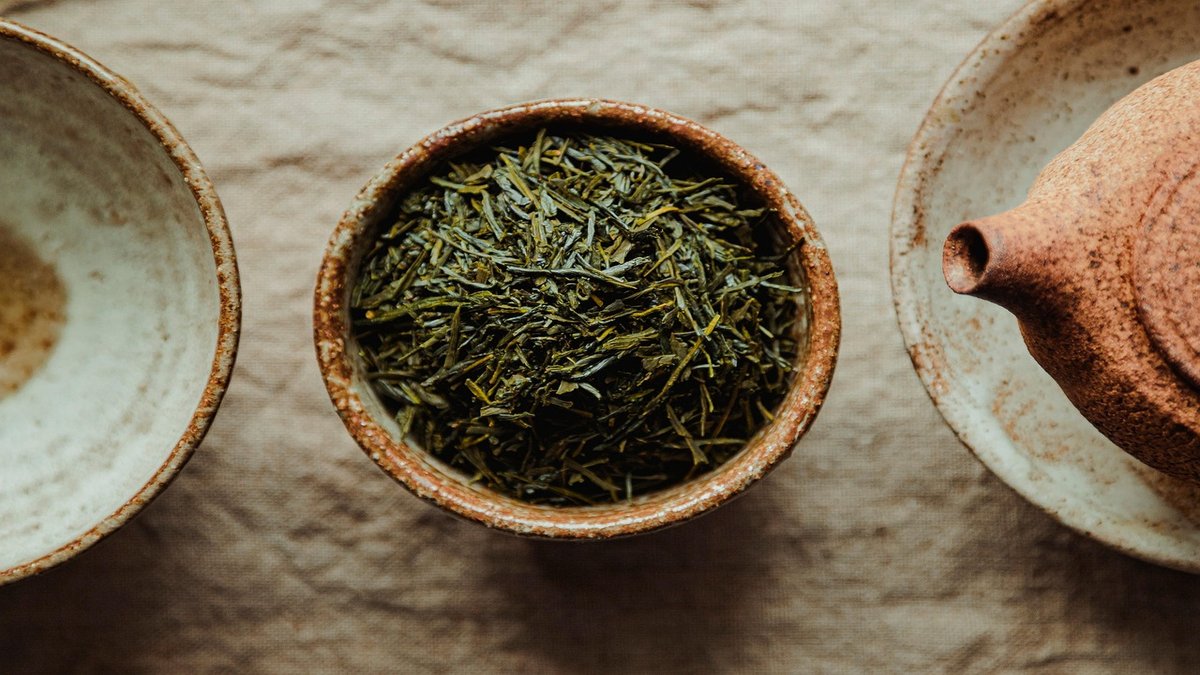
High-quality Wild Tree Dianhong typically presents with tight, slender tea leaves, often adorned with a significant number of golden tips. These golden tips, or "golden hairs" (金毫), are indicative of a high proportion of young, tender buds used in the tea production, which are prized for their sweetness and aromatic compounds. The overall color of the dry leaves should be dark and lustrous, sometimes described as "dark and shiny with golden tips," suggesting careful processing and good storage. The presence of these delicate buds and the consistent appearance of the leaves are strong indicators of a superior product.
The Appearance of the Brewed Liquor
Once brewed, the tea liquor of a high-quality Wild Tree Dianhong is visually striking. It should range from a bright orange-yellow to a rich, deep orange-red, often described as "ruby red," a characteristic that has contributed to Yunnan black tea being called the "boss of the tea world" Baidu Baike on Yunnan Black Tea. The liquor should be clear, bright, and vibrant, without any cloudiness. A noticeable "oily sheen" on the surface of the tea is also a positive sign, indicating a rich concentration of tea solids and a smooth mouthfeel. In some premium examples, like Huaxiang Zhuangyuan's Jin Jun Mei, "golden hairs dance in the soup," adding to the visual appeal and confirming the presence of fine buds.
Aromatic Complexity
The aroma is a crucial indicator of quality. High-quality Wild Tree Dianhong should possess a rich and complex fragrance that is both natural and enduring. This can include a vibrant bouquet of floral, fruity, and sometimes even a subtle smoky or malty note. For instance, a review of Huaxiang Zhuangyuan's Jin Jun Mei highlights its "rich floral, fruity, and smoky pine aromas," which are particularly pronounced in the first brew and remain present through subsequent infusions Sohu review of Huaxiang Zhuangyuan Jin Jun Mei. The scent should be clean and pure, free from any musty or artificial notes. As the tea cools slightly, new layers of aroma may emerge, further showcasing its complexity.
Taste and Mouthfeel
The taste of a premium Wild Tree Dianhong is characterized by its smoothness, mellowness, and natural sweetness. It should offer a harmonious balance of flavors, without any harshness or excessive bitterness. The mouthfeel is often described as "smooth and delicate," with a satisfying richness that coats the palate. A key characteristic is a lingering "honey-sweet" aftertaste and a pleasant "gan run" (甘润), or sweet and moist sensation, at the back of the tongue. This enduring sweetness and smooth texture are hallmarks of well-processed tea from quality leaves. The fullness and body of the tea should be evident, though it may gradually diminish over multiple infusions. For example, after the fourth infusion, the "fullness may slightly decrease," but the underlying sweetness and smoothness should persist.
Leaf Bottom (Brewed Leaves)
After brewing, the "leaf bottom" (叶底), or spent tea leaves, offers further clues about quality. The leaves should be plump, soft, and supple, exhibiting good elasticity and resilience. Their color should be a uniform reddish-brown, often described as "oily and moist." The integrity of the leaves is also important; they should be relatively complete and expanded, indicating that they were not overly broken during processing. A natural and pure aroma should still be discernible from the spent leaves, confirming the tea's inherent quality and careful handling. This final assessment of the leaf bottom provides a comprehensive view of the tea's journey from tree to cup.
For those seeking quality at a more accessible price point, it's worth noting that even "everyday" Dianhong can offer good value. One vendor mentioned receiving "3000 jin of everyday Dianhong tea, priced at 68 yuan per jin," suggesting that quality doesn't always come with an exorbitant price tag, especially when sourced directly.
What Are the Key Characteristics of Dianhong's Aroma and Flavor?
Dianhong teas are renowned for their distinctive and complex aromatic and flavor profiles, which set them apart within the world of black teas. These characteristics are often a direct result of the specific tea tree varietals, the unique terroir of Yunnan, and expert processing techniques. The interplay of these elements creates a sensory experience that is both rich and nuanced.
Rich and Varied Fragrances
The fragrance of Dianhong teas is frequently described as rich and captivating, encompassing a spectrum of notes. Honey is a very common and highly prized aroma, often deep and warm, providing a foundational sweetness. Beyond honey, many Dianhong varieties exhibit prominent floral notes, reminiscent of orchids, roses, or other fragrant blossoms, adding an elegant layer to the bouquet. Fruity undertones are also prevalent, with hints of dried fruits, stone fruits like peach or apricot, or even tropical fruits. These diverse fragrances contribute to the tea's overall appeal and are a hallmark of its quality. The distinct aromas are often noticeable even in the dry leaves and become more pronounced once brewed.
Distinctive Notes in Premium Varieties
Some of the most highly regarded Dianhong varieties, such as Jin Jun Mei, showcase particularly unique aromatic and flavor elements. A review of Huaxiang Zhuangyuan's Jin Jun Mei, for instance, highlights a complex interplay of "flower, fruit, and smoky pine aromas" in the first brew, combined with a "honey-sweet, smooth taste" Sohu review of Huaxiang Zhuangyuan Jin Jun Mei. This specific combination of smoky pine, which is a characteristic of some traditional black tea processing methods, alongside bright floral and fruity notes, creates a multi-layered sensory experience. The "honey-sweetness" is a consistent and desirable trait, contributing to the tea's smooth and mellow character. Such premium varieties are often considered "top-grade products worth tasting" due to their unique and harmonious flavor profiles. It is said that Jin Jun Mei "has a reputation as the ceiling of black tea," underscoring its exceptional aroma and superior quality.
Evolution Across Multiple Infusions
One of the remarkable aspects of high-quality Dianhong tea is how its flavor profile evolves over multiple infusions. The initial brews are typically the most aromatic, releasing a burst of fragrance and a full-bodied taste. For example, the first brew of Huaxiang Zhuangyuan's Jin Jun Mei is noted for its "rich floral, fruity, and smoky pine aromas," along with a "delicate mouthfeel." As subsequent infusions are made, the tea's characteristics subtly shift. The second brew often sees the liquor deepen in color to an "orange-red," with the "smoky pine and fruit aromas becoming richer," and the taste remaining "smooth, moist, sweet, and mellow."
By the third brew, the "liquor color holds steady," and the "aroma remains prominent," maintaining its smoothness and mellowness. In later infusions, such as the fourth, after a 10-second steep, the color may be similar to the previous brew, but the "aroma might slightly weaken." However, a pleasant "sweet and moist sensation" can still be felt under the tongue, indicating a lingering quality. By the fifth infusion, steeped for 20 seconds, the "liquor color might slightly lighten," and the "aroma further diminishes," with the "fullness of the tea decreasing." Even in the sixth infusion, after another 20 seconds, while the "liquor color fades," the "smoky pine and floral aromas still persist," and a "honey-sweetness" remains, though the body of the tea may become "watery." This gradual transformation across infusions allows drinkers to experience the full spectrum of the tea's complexity and endurance.
Which Brands Offer Reputable Wild Tree Dianhong?
Several brands are recognized for their quality Dianhong teas, particularly those sourced from the ancient tea trees of Yunnan. These brands often have a long history and strong ties to the regions known for producing premium Dianhong. When selecting a Wild Tree Dianhong, looking for established names and specific descriptors like "ancient tree" can guide consumers to reputable products.
Established Brands and "China Time-Honored Brands"
Feng Brand (凤牌) stands out as a "China Time-honored Brand" (中华老字号), indicating its long-standing reputation and heritage in tea production. This brand is particularly associated with Dianhong teas from Fengqing, Yunnan, a region renowned for its high-quality black teas. Feng Brand's Classic 58 Yunnan Fengqing Dianhong Special Grade 380g canned tea (Product ID: 100022074522) is a notable example available on major e-commerce platforms like JD.com Jingdong Dianhong product listings. The company's factory is located in Fengqing County, Lincang City, Yunnan Province, within the Dianhong Ecological Industrial Park, with an office in Beijing, showcasing its significant operational footprint Dianhong Mall. Choosing such a brand often guarantees adherence to traditional processing methods and a consistent quality standard.
Other Notable Brands on E-commerce Platforms
Beyond the historical giants, numerous other brands offer a wide range of Dianhong selections, including those marketed as "ancient tree" varieties, on popular platforms like JD.com. For instance, Qichun (七春) offers "Yunnan Dianhong Golden Thread Red Tea, Honey Fragrance Type, Fengqing Famous Tea, Small Canned Kung Fu Tea for Self-drinking 60g" (Product ID: 100103470435). Tea Yiguan (茶一馆) provides "Special Grade Yunnan Dianhong Fengqing Ancient Tree Dianhong Kung Fu Black Tea, Honey Fragrance Type, Gift Box 500g" (Product ID: 100119814393), explicitly mentioning "ancient tree" in its description. Mingjie Tea (茗杰茶叶) also features "Dianhong Yunnan Fengqing Ancient Tree Kung Fu Red Tea for self-drinking, canned 250g*2 cans, suitable for gifting" (Product ID: 100040495132), further emphasizing the availability of ancient tree options. Brands like Ruyi Master Tea (如意大师茶叶) and Huangyuan (皇园) also contribute to the diverse market, offering various Dianhong products, often highlighting characteristics like "honey fragrance type" and "golden bud" (金芽). These product listings on JD.com alone account for 4449 different Dianhong items, showcasing the breadth of the market.
Identifying "Ancient Tree" Varieties
When specifically seeking Wild Tree Dianhong, it is crucial to look for descriptions that explicitly state "ancient tree" (古树, gǔshù) in the product name or description. This term signifies that the tea leaves were harvested from older, often naturally growing tea trees, rather than from younger, cultivated tea bushes. While "ancient tree" doesn't always guarantee a truly wild origin, it generally indicates a tea with more mature leaves and a potentially deeper, more complex flavor profile due to the age of the plant. Consumers should also pay attention to the origin, with Fengqing and other regions in Yunnan being prime locations for authentic ancient tree Dianhong. Descriptions like "Dianhong premium ancient tree red" are used to highlight teas known for their complete leaves, rich ingredients, authentic flavor, and excellent mouthfeel, often leading to repeat customers Baidu Baike on Yunnan Black Tea.
How Has Dianhong Tea Gained International Recognition?
Dianhong tea, with its distinctive qualities, has transcended its origins in Yunnan, China, to achieve significant international recognition, particularly in European markets. Its journey to global prominence is largely due to its unique appearance, flavor profile, and the rich cultural heritage it represents.
Export to European Markets
One of the most notable aspects of Dianhong's international success is its history of export to Europe, especially the United Kingdom. This eastward expansion of Chinese tea has been ongoing for centuries, but Dianhong, in particular, found favor with Western palates. Its robust flavor and vibrant liquor made it a popular choice for blending and standalone consumption. The tea's ability to travel well and maintain its quality during long voyages further cemented its place in international trade. The appreciation in Europe helped establish Dianhong as a premium black tea on the global stage, distinguishing it from other varieties.
The "Ruby Red" Liquor and "Boss of the Tea World" Moniker
A significant factor in Dianhong's international appeal is its striking appearance. The brewed tea liquor is often described as a "ruby red" (赛红宝石), a visually appealing characteristic that stands out among black teas. This vibrant, clear, and bright red color is not only beautiful but also indicative of the tea's quality and rich concentration of desirable compounds. This distinctive color, combined with its robust flavor, led to Yunnan black tea being dubbed the "boss of the tea world" (茶界“霸总”) Baidu Baike on Yunnan Black Tea. This evocative title underscores its commanding presence and high regard in the global tea community, making it a sought-after commodity for connoisseurs worldwide.
Unique Quality and Rich History
Dianhong's unique quality, characterized by its complex aromas of honey, fruit, and florals, along with a smooth, mellow taste, sets it apart from other black teas. This distinctiveness is rooted in its origin from ancient tea trees in Yunnan and the meticulous processing methods employed by Chinese tea masters. The rich history of tea cultivation in Yunnan, dating back centuries, adds to its allure. Consumers and tea enthusiasts globally are drawn to teas with authentic stories and traditional craftsmanship. Dianhong offers this, embodying a deep cultural heritage alongside its exceptional sensory attributes. The tea's consistent quality and distinct characteristics have allowed it to maintain its reputation and appeal in a competitive international market, ensuring its continued recognition and demand.
Frequently Asked Questions
What is the origin of Dianhong tea?
Dianhong tea originates from Yunnan province in China. It is a type of black tea, with its name "Dian" referring to Yunnan and "hong" meaning red, signifying black tea in Chinese. The region is famous for its ancient tea trees and diverse tea varietals, contributing to the unique characteristics of Dianhong. The market for Dianhong is extensive, with 4449 different Dianhong black tea products available on platforms like JD.com Jingdong Dianhong product listings.
How does wild tree Dianhong differ from regular Dianhong?
Wild tree Dianhong is specifically made from leaves harvested from ancient, often naturally growing tea trees, as opposed to younger, cultivated tea bushes. These ancient trees, sometimes centuries old, develop deeper root systems and absorb unique nutrients from their undisturbed environment, resulting in a tea with a more complex flavor profile, greater depth, and often a more pronounced "ancient tree" aroma. One vendor noted that "Dianhong premium ancient tree red" consistently turns drinkers into repeat customers, highlighting its superior quality Baidu Baike on Yunnan Black Tea.
What are the typical brewing instructions for Dianhong tea?
While specific instructions may vary, a common method for brewing Dianhong involves using water around 90-95°C (195-205°F). For loose leaf tea, use about 3-5 grams of tea per 100-150ml of water. The first infusion is typically brief, around 10-20 seconds, to open up the leaves. Subsequent infusions can be gradually lengthened. For instance, a review of Huaxiang Zhuangyuan's Jin Jun Mei suggests a 10-second steep for the fourth brew and 20 seconds for the fifth and sixth brews Sohu review of Huaxiang Zhuangyuan Jin Jun Mei. High-quality Dianhong can often withstand 5-7 infusions or more.
Can Dianhong tea be aged?
While most black teas are consumed fresh, some high-quality Dianhong teas, particularly those from ancient trees, can be aged. Aging can mellow certain characteristics and develop new layers of flavor complexity, similar to Pu-erh tea. However, proper storage conditions, including controlled humidity and temperature, are crucial for successful aging to prevent spoilage or loss of flavor. The durability of the leaves from ancient trees often lends itself better to this process.
Where can I buy authentic wild tree Dianhong tea?
Authentic wild tree Dianhong tea can be purchased from specialized tea vendors, online marketplaces, and directly from brands known for their Yunnan teas. Major e-commerce platforms like JD.com offer a wide selection, with brands like Feng Brand, Qichun, Tea Yiguan, and Mingjie Tea providing various Dianhong options, including those explicitly labeled "ancient tree" (古树) Jingdong Dianhong product listings. It is advisable to look for reputable sellers and product descriptions that clearly indicate the tea's origin and "ancient tree" status to ensure authenticity.
Sources
- Jingdong Dianhong product listings. https://www.jd.com/chanpin/478847.html
- Sohu review of Huaxiang Zhuangyuan Jin Jun Mei. https://www.sohu.com/a/1000811637_120934484
- Baidu Baike on Yunnan Black Tea. https://baike.baidu.com/item/%E4%BA%91%E5%8D%97%E7%BA%A2%E8%8C%B6/650409
- Dianhong Mall. http://www.fengpaichaye.com/product/list?sf=dhmobile&sd=2&nd=0&ps=28.0.0.0.0.0&v=28&p=0.0.1
Related Reading
- Best Dianhong Gold Tips Teas
- Chinese Tea Regions: A Map of Where the Best Teas Come From
- How to Identify Fake Chinese Tea: A Buyer's Guide from Chinese Sources
- Best Chinese Green Teas for Beginners
- Best Chinese Tea Books in English and Chinese
— The Tea Atlas Team