Best Dianhong Gold Tips Teas
- Dianhong Gold Tips teas are a type of Yunnan black tea, often called 'red ruby' for their rich color.
Last updated: April 2026
Affiliate Disclosure: We may earn a commission when you purchase through our links. This does not affect our editorial independence.
Quick Answer
- Dianhong Gold Tips teas are a type of Yunnan black tea, often called 'red ruby' for their rich color.
- Jingdong.com lists 4449 products under 'Yunnan Black Tea Dianhong' (云南红茶滇红) as of 2026.
- Top brands for Dianhong include Feng Brand and those from Fengqing county, known for their classic 58 and ancient tree varieties.
- A good Dianhong tea is characterized by a bright orange-yellow to orange-red liquor, with floral, fruity, and pine-smoke aromas, and a smooth, sweet taste.
Dianhong Gold Tips teas represent a premium category within Chinese black teas, specifically originating from Yunnan province. These teas are highly regarded for their distinctive appearance, often featuring abundant golden tips on tightly rolled, slender leaves. The moniker "red ruby" is frequently used to describe the vibrant, rich color of the tea's liquor, which typically ranges from a bright orange-yellow to a deeper orange-red. This visually appealing characteristic is complemented by a complex aromatic profile that includes notes of flowers, fruits, and a subtle pine-smoke fragrance, culminating in a smooth, sweet, and mellow taste. The popularity of Dianhong teas is evident on major e-commerce platforms; for instance, Jingdong.com currently features 4449 distinct products under the search term 'Yunnan Black Tea Dianhong' (云南红茶滇红), showcasing the wide variety and consumer interest in this tea type. Esteemed brands such as Feng Brand and various producers from Fengqing county are particularly recognized for their high-quality offerings, including their classic '58' blend and selections made from ancient tea trees. The unique combination of visual appeal, aromatic complexity, and a satisfying mouthfeel makes Dianhong Gold Tips teas a significant segment within the world of fine Chinese teas.
What Makes Dianhong Gold Tips Tea Unique?
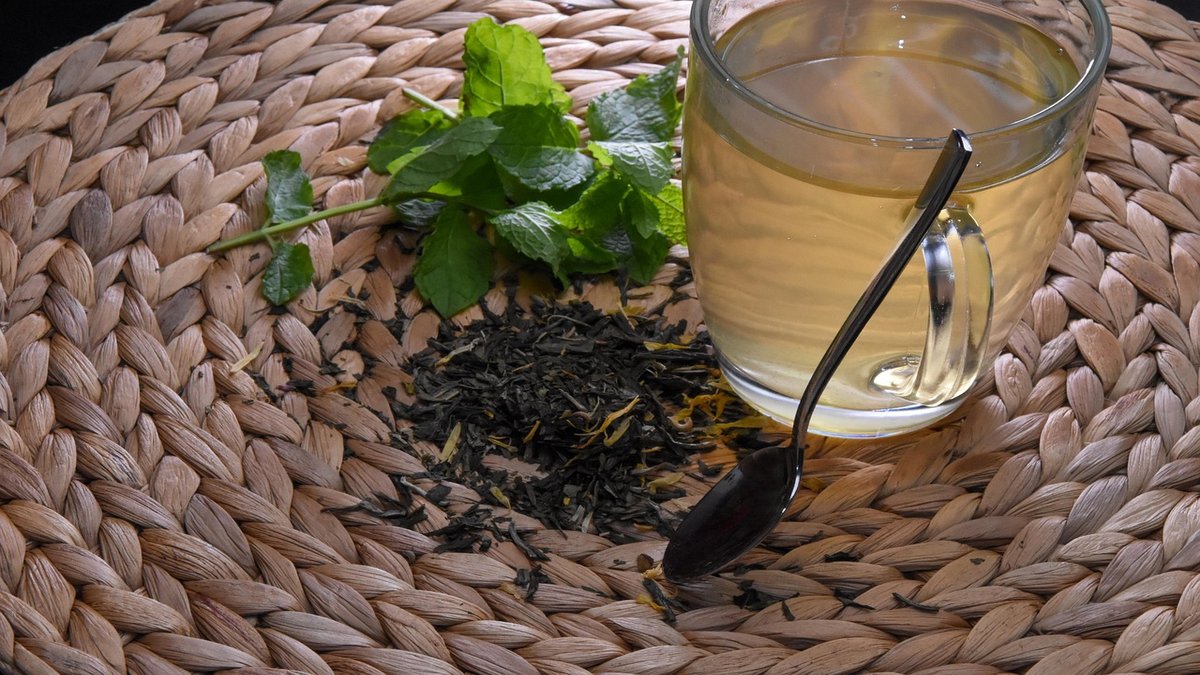
Dianhong Gold Tips tea is a premium Yunnan black tea, highly prized for its distinctive appearance and rich flavor profile. Unlike many other black teas, Dianhong often exhibits a striking visual quality due to the presence of numerous golden tips, which are the young, unopened tea buds. These golden tips contribute significantly to both the aesthetic appeal and the nuanced taste of the tea. The dry tea leaves themselves are a testament to careful processing, typically presenting as tightly rolled, slender, and often consisting of single buds or single leaves. This meticulous crafting results in a dark, lustrous appearance, frequently adorned with a striking golden sheen from the abundant tips. The visual journey continues into the cup, where the brewed tea reveals a captivating liquor. Initially, the tea liquor is usually a bright orange-yellow, which gradually deepens to a more profound orange-red with successive infusions. A remarkable characteristic often observed during brewing is the sight of these golden hairs, or "gold tips," gracefully dancing within the liquid, adding to the tea's overall allure. This combination of visual elegance and aromatic complexity sets Dianhong Gold Tips apart in the world of black teas.
Characteristics of Dry Leaves
The dry leaves of Dianhong Gold Tips tea are a critical indicator of its quality. When examining the dry tea, one should observe tightly rolled, slender tea strips. These strips are typically composed of either single buds or a combination of single buds and very young leaves. The color is predominantly dark, often described as乌亮 (wūliàng), meaning dark and lustrous. This dark base is beautifully contrasted by the prominent golden tips, or金毫 (jīnháo), which are fine golden hairs covering the tender buds. The abundance and vibrancy of these golden tips are often directly correlated with the tea's grade and its potential for a rich, complex flavor. A high-quality Dianhong will have a uniform appearance, with consistent rolling and a clear presence of these golden hues throughout the dry leaf. The aroma of the dry leaves is also an important aspect; a distinct, fresh aroma should be noticeable, hinting at the flavors to come. This initial sensory experience sets the stage for the brewing process and the subsequent enjoyment of the tea.
The Appearance of the Brewed Liquor
Once brewed, the liquor of Dianhong Gold Tips tea is one of its most celebrated features, often leading to its description as a "red ruby." The color of the tea liquor is vibrant and luminous, starting with a bright orange-yellow hue in the first infusions. As the tea is steeped multiple times, the color deepens, evolving into a rich orange-red. This progression in color is not merely aesthetic; it also reflects the changing concentration of compounds in the tea, influencing its taste and aroma. A hallmark of high-quality Dianhong is the clarity and brightness of its liquor. It should appear transparent and radiant, without any cloudiness. Furthermore, one of the unique visual spectacles of Dianhong is the "golden hairs dancing" phenomenon. As the tea is poured and steeps, the tiny golden tips from the dry leaves often become suspended in the liquor, swirling and shimmering, adding an exquisite visual dimension to the tea experience. This visual appeal, combined with its renowned flavor, contributes to Dianhong's esteemed status.
The Role of Golden Tips
The "Gold Tips" in Dianhong Gold Tips tea are not just for show; they play a crucial role in the tea's overall character. These golden tips are actually the tender, unopened leaf buds of the tea plant. They are rich in amino acids and other compounds that contribute to the tea's sweetness, smoothness, and nuanced flavor profile. The presence of a high proportion of golden tips usually signifies a higher grade of Dianhong tea, as it indicates careful plucking of young, delicate material. During processing, these buds undergo oxidation, which results in their distinctive golden color. When brewed, these tips release their rich compounds into the liquor, contributing to its bright color, fragrant aroma, and mellow taste. The "dancing" effect of the golden hairs in the cup is a direct result of these tips being part of the tea, further enhancing the sensory experience. The golden tips are a visual signature and a key determinant of the high quality and unique characteristics that define Dianhong Gold Tips tea.
What are the Flavor Characteristics of Dianhong Gold Tips Tea?
The flavor characteristics of Dianhong Gold Tips tea are complex and highly sought after, distinguishing it from many other black teas. The aroma is particularly noteworthy, offering a multifaceted bouquet that typically includes prominent floral and fruity notes, often intertwined with a subtle yet distinctive pine-smoke fragrance. This combination creates a rich and inviting scent that is frequently described as overtly sweet. When it comes to taste, Dianhong Gold Tips tea delivers a remarkably smooth and delicate experience on the palate. The mouthfeel is often described as mellow and refined, with a lingering sweetness that coats the tongue. This inherent sweetness is a hallmark of high-quality Dianhong, providing a balanced and satisfying finish. Even through multiple infusions, the tea maintains its smooth and mellow character, though the intensity of its aroma may gradually lessen after the fourth steep, indicating a graceful evolution of its profile.
Aromatic Profile: Floral, Fruity, and Pine-Smoke
The aromatic profile of Dianhong Gold Tips tea is one of its most captivating features. It is a harmonious blend of several distinct notes that create a rich and inviting fragrance. Floral notes are often prominent, reminiscent of sweet blossoms, which contribute to the tea's elegant character. Alongside these floral nuances, there are typically clear fruity aromas, which can range from stone fruits to berries, adding a layer of natural sweetness and vibrancy. What often truly sets Dianhong apart is the presence of a unique pine-smoke fragrance. This is not the heavy, tarry smoke found in some Lapsang Souchong teas, but rather a delicate, refined hint of pine, often described as馥郁 (fùyù), meaning rich and fragrant. This subtle smokiness adds depth and complexity to the overall aroma, preventing it from being overly sweet or one-dimensional. The interplay of these three primary aromatic elements—floral, fruity, and pine-smoke—creates a distinctive and memorable sensory experience that is highly cherished by tea enthusiasts.
Taste Profile: Smooth, Delicate, and Mellow
On the palate, Dianhong Gold Tips tea offers a taste profile that is consistently described as smooth, delicate, and mellow. The initial sip often reveals a remarkable smoothness, with the liquor gliding effortlessly across the tongue. This smooth texture is a testament to the tea's quality and careful processing, often attributed to the high concentration of amino acids and other beneficial compounds found in the tender golden tips. Following the initial smoothness, a delicate sweetness emerges, which is natural and refined, rather than cloying. This sweetness lingers pleasantly, contributing to a satisfying and comforting aftertaste. The overall impression is one of mellow richness, where no single flavor dominates, but rather a harmonious blend of subtle complexities. The tea avoids any harshness or astringency, instead offering a gentle yet profound taste that invites repeated sips. This combination of smoothness, delicate sweetness, and mellow character defines the quintessential Dianhong Gold Tips tea experience.
Lingering Sweetness and Mouthfeel
One of the most appreciated aspects of Dianhong Gold Tips tea is its lingering sweetness and refined mouthfeel. After swallowing, the sweetness does not disappear immediately but rather persists on the tongue and at the back of the throat, providing a pleasant and sustained aftertaste, often referred to as回甘 (huígān), or a sweet return. This enduring sweetness is a clear indicator of a high-quality tea. The mouthfeel is another crucial element, often described as柔滑 (róuhuá), meaning soft and smooth, or汤感细腻 (tānggǎn xìnì), indicating a delicate and fine texture of the liquor. Some tasters also note a slight脂感 (zhīgǎn), or oily sensation, on the surface of the liquor, particularly in the second steep, which further contributes to its luxurious and substantial feel. This combination of a persistent, natural sweetness and a smooth, delicate mouthfeel creates a rich and satisfying drinking experience that makes Dianhong Gold Tips tea a favorite among connoisseurs.
How Do Different Infusions Taste?
The experience of tasting Dianhong Gold Tips tea evolves significantly across multiple infusions, revealing different layers of its flavor and aroma. A well-crafted Dianhong is designed to offer a dynamic tasting journey, with each steep presenting a slightly varied profile while maintaining its core characteristics. This multi-infusion capability is a hallmark of high-quality Chinese teas, allowing drinkers to explore the full spectrum of the tea's complexity. The first steep of a good Dianhong, such as Huaxiang Manor's Jin Jun Mei, is often described as producing an orange-yellow, bright liquor with rich floral, fruity, and pine-smoke aromas, accompanied by a sweet, smooth, and delicate mouthfeel. As the brewing progresses, the tea's characteristics shift; the liquor deepens in color, and while some aromas intensify, others may gradually soften. By the later infusions, the body of the tea may lighten, yet the underlying sweetness and some aromatic notes often persist.
First Infusion: Bright and Aromatic
The first infusion of Dianhong Gold Tips tea is typically a vibrant introduction to its character. When prepared without a rinse, as suggested for some premium teas, the liquor immediately presents a bright orange-yellow hue. This initial steep is often the most aromatic, with a pronounced release of the tea's complex fragrance. According to a review of Huaxiang Manor's Jin Jun Mei on Sohu.com, the first steep produces a liquor that is "orange-yellow,润亮 (rùnliàng) bright and lustrous, with golden hairs dancing in the cup. Floral, fruity, and烟松香 (yānsōngxiāng) pine-smoke aromas are馥郁 (fùyù) rich and abundant,蜜甜 (mìtián) honey-sweet, with a柔滑 (róuhuá) smooth mouthfeel and汤感细腻 (tānggǎn xìnì) delicate liquor texture" (translated from Chinese). This initial burst of aroma and flavor sets a high standard, showcasing the tea's prime characteristics. The sweetness is immediate and noticeable, contributing to a soft and delicate mouthfeel that makes the first sip particularly inviting.
Second and Third Infusions: Deepening Flavors
Moving to the second infusion, the Dianhong Gold Tips tea often deepens in both color and intensity. The liquor typically transforms from orange-yellow to a richer orange-red. This deepening is accompanied by an intensification of certain flavor components. The review of Huaxiang Manor's Jin Jun Mei notes that the second steep results in a "汤色愈深 (tāngsè yùshēn) deeper liquor color,橙红 (chénghóng) orange-red. The汤面脂感 (tāngmiàn zhīgǎn) surface has an oily texture, with烟松香果香浓郁 (yānsōngxiāng guǒxiāng nóngyù) intense pine-smoke and fruit aromas. The口感柔滑 (kǒugǎn róuhuá) taste is smooth, and润甜醇和 (rùntián chúnhé) mellow with a moist sweetness" (translated from Chinese). This indicates a more robust and full-bodied experience compared to the first steep. The third infusion generally maintains this strength, with the liquor color remaining stable and the aromas still prominent. The taste continues to be smooth and mellow, offering a consistent and satisfying experience that highlights the tea's enduring quality.
Later Infusions: Softening and Lingering Notes
As the infusions progress beyond the third, the Dianhong Gold Tips tea begins a graceful transition, with some characteristics softening while others persist. By the fourth steep, if brewed for approximately 10 seconds, the liquor color usually holds steady compared to the previous steep, but the aroma may start to slightly weaken. However, the tea continues to offer a pleasant experience, with a "舌底甘润 (shédǐ gānrùn) sweet and moist sensation at the base of the tongue, and甜柔 (tiánróu) a soft sweetness. The饱满度略降 (bǎomǎndù lüè jiàng) fullness of the body slightly decreases" (translated from Chinese). The fifth steep, often with an extended brewing time of around 20 seconds, sees the liquor lighten somewhat, and the aroma further diminishes. Despite this, the sweetness remains, though the overall fullness of the liquor continues to decline. By the sixth steep, also steeped for about 20 seconds, the liquor color fades further. While the distinct pine-smoke and floral aromas may still be present, and the honey sweetness persists, the body of the liquor is described as "已水 (yǐ shuǐ)," meaning it has become watery (translated from Chinese). This progression illustrates the tea's journey, offering a range of experiences from intense aroma to lingering sweetness before gracefully concluding its flavor release. According to Sohu.com Huaxiang Manor review, this detailed breakdown of infusions provides valuable insight into the tea's endurance and evolving profile.
Which Brands are Recommended for Dianhong Gold Tips Teas?
When seeking out high-quality Dianhong Gold Tips teas, several brands and specific varieties consistently receive recommendations due to their established reputation and distinct characteristics. Among the most well-known names is Feng Brand (凤牌), recognized for its long history and quality. Their 'Classic 58' Yunnan Fengqing Dianhong Special Grade is particularly notable, often available in 380g canned tea, and proudly carries the designation of a 'China Time-honored Brand' (中华老字号), signifying its historical and cultural importance. Beyond Feng Brand, the broader market, as seen on platforms like Jingdong.com, offers a wide array of choices. Jingdong.com lists 4449 items under 'Yunnan Black Tea Dianhong' (云南红茶滇红), highlighting the extensive selection available to consumers. Other highly regarded brands and varieties found on this platform include Qichun Yunnan Dianhong Gold Silk Red Tea (七春云南滇红金丝红茶), known for its honey aroma; Tea Yiguan Tea's Special Grade Yunnan Dianhong Fengqing Ancient Tree Dianhong (茶一馆茶叶 特级云南滇红凤庆古树滇红功夫红茶), which emphasizes ancient tree tea leaves; and Royal Garden Dianhong Gold Silk Red Tea (皇园滇红金丝红茶), often presented in gift-ready packaging. Huaxiang Manor's Jin Jun Mei also stands out, praised for its unique aroma and considered a top-grade tea, indicating that while not strictly Dianhong, it shares the characteristics of high-quality Chinese black tea, often produced in similar regions.
Feng Brand: A China Time-Honored Legacy
Feng Brand (凤牌) holds a prestigious position in the world of Dianhong tea, largely due to its designation as a 'China Time-honored Brand' (中华老字号). This title is awarded to brands with a long history, distinctive traditional culture, and strong market recognition, underscoring Feng Brand's enduring legacy and commitment to quality. Their flagship product, the 'Classic 58' Yunnan Fengqing Dianhong Special Grade, is a testament to their expertise. This specific tea is typically sold in a 380g canned format, making it both a convenient and respected choice for consumers. The brand's deep roots in Fengqing county, a renowned tea-producing region, further solidify its reputation. Feng Brand's factory is located within the Dianhong ecological industrial park in Fengqing County, Yunnan Province, highlighting its direct connection to the source of premium tea leaves. This heritage and dedication to traditional processing methods contribute to the consistent quality and distinct flavor profile that tea enthusiasts expect from a leading Dianhong producer. The brand's continuous presence and high regard on platforms like Jingdong.com, where their classic 58 is a prominent listing, confirm its status as a benchmark for Dianhong quality.
Emerging and Specialized Brands
While established names like Feng Brand dominate, the Dianhong market is also rich with emerging and specialized brands that cater to diverse preferences. On platforms like Jingdong.com, which features a vast selection of 4449 'Yunnan Black Tea Dianhong' products, several brands stand out for their particular offerings. For instance, Qichun Yunnan Dianhong Gold Silk Red Tea (七春云南滇红金丝红茶) is highlighted for its distinct honey aroma, appealing to those who favor a sweeter, more fragrant profile. Tea Yiguan Tea's Special Grade Yunnan Dianhong Fengqing Ancient Tree Dianhong (茶一馆茶叶 特级云南滇红凤庆古树滇红功夫红茶) emphasizes the use of ancient tree tea leaves, a category often associated with deeper, more complex flavors and a unique terroir. Another notable offering is Royal Garden Dianhong Gold Silk Red Tea (皇园滇红金丝红茶), which is often packaged as a gift set, indicating its perceived premium quality and suitability for special occasions. These brands, alongside others like Mingjie Tea (茗杰茶叶), which offers both general Dianhong and ancient tree varieties, demonstrate the breadth and depth of the Dianhong market. They often focus on specific cultivation methods, processing styles, or unique aromatic profiles to carve out their niche, providing consumers with a rich array of choices beyond the traditional giants. These diverse options ensure that both daily drinkers and connoisseurs can find a Dianhong tea that perfectly matches their taste and budget. You can explore many of these options by browsing Jingdong.com Dianhong listings.
Huaxiang Manor's Jin Jun Mei and Other High-Grade Red Teas
While not strictly a Dianhong tea, Huaxiang Manor's Jin Jun Mei (金骏眉) is frequently mentioned in discussions about high-grade Chinese black teas and offers a benchmark for quality that can inform selections for premium Dianhong. Jin Jun Mei, originating from Fujian province, is often considered the "ceiling" of black teas due to its exquisite craftsmanship and complex flavor profile. A review on Sohu.com praises Huaxiang Manor's Jin Jun Mei, stating, "Huaxiang Manor's Jin Jun Mei, with its bright orange-yellow liquor, rich pine-smoke, floral, and fruity aromas, sweet and mellow taste, is indeed a unique and superior product, worth tasting! Jin Jun Mei is said to be the 'ceiling' of black teas" (translated from Chinese). This sentiment highlights the characteristics that define a top-tier black tea: a vibrant liquor, multifaceted aromas, and a smooth, sweet, and mellow taste. While Dianhong has its own distinct regional characteristics, these descriptors provide a valuable framework for understanding what constitutes "high-grade" in the broader context of Chinese red teas. The review also mentions other high-quality red teas such as Jin Mao Hao (金毛豪) and Yingde Black Tea (英德红茶), noting their characteristic floral and fruity sweetness and rich aftertaste. For Yingde Black Tea, specific "benchmark brands" like "Hongqi Tea Factory" and "Charleston" are recommended. This context of other premium red teas helps to situate Dianhong Gold Tips within a wider landscape of exceptional Chinese black teas, all sharing a commitment to unique aroma and superior taste.
What is the Significance of Fengqing County to Dianhong Tea?
Fengqing County holds immense significance as a pivotal origin for Dianhong tea, particularly for its premium varieties. Located in Yunnan province, this region is not only the birthplace of many highly regarded Dianhong teas but also a hub for innovation and traditional craftsmanship in tea production. Many premium Dianhong teas, including prized ancient tree varieties, directly originate from Fengqing county, which is celebrated for its unique terroir and ideal growing conditions. The county's importance is further solidified by the presence of significant infrastructure dedicated to tea production, such as the Dianhong ecological industrial park, where major producers like Feng Brand have established their factories. This concentration of resources and expertise underscores Fengqing's role as a vital center for Dianhong production. Teas from Fengqing are consistently highlighted on prominent e-commerce platforms like Jingdong.com, often specifically emphasizing their origin and particular characteristics, such as their distinctive honey aroma, which is a beloved trait of many Fengqing-produced Dianhong teas. The county's name itself has become synonymous with quality in the Dianhong market, serving as a key identifier for discerning consumers.
Historical Roots and Terroir
Fengqing County's historical roots in tea cultivation run deep, contributing significantly to its reputation as a premier Dianhong producing region. The region boasts a rich history of tea cultivation, with ancient tea trees that are hundreds, if not thousands, of years old. These ancient trees provide leaves that are often sought after for their unique flavor complexities and robust character, forming the basis for many high-end Dianhong teas. The terroir of Fengqing is particularly conducive to growing exceptional tea. It features a combination of high altitudes, abundant rainfall, fertile soil, and a temperate climate, all of which are critical factors for developing the nuanced flavors and aromas characteristic of Dianhong. The unique ecological environment allows tea plants to thrive, accumulating a rich array of compounds that contribute to the tea's sweetness, mellowness, and aromatic depth. This natural advantage, combined with generations of tea-making knowledge, has cemented Fengqing's status as an indispensable region for Dianhong tea production. Baidu Baike Yunnan Black Tea notes that Yunnan black tea, or Dianhong, is famous for its quality, linking it inherently to regions like Fengqing.
Fengqing as an Industrial Hub
Beyond its natural advantages, Fengqing County has also developed into a significant industrial hub for Dianhong tea. The presence of the Dianhong ecological industrial park in the county's Nancheng New Area underscores this development. This industrial park is home to major tea producers, including the renowned Feng Brand, whose factory is located there. Such infrastructure facilitates large-scale, quality-controlled production, from cultivation to processing and packaging. The concentration of tea factories and related businesses in Fengqing not only supports the local economy but also fosters a collaborative environment for tea research and development. This allows for the continuous improvement of processing techniques and the maintenance of high-quality standards across the region. The industrial park serves as a central point for innovation, ensuring that Fengqing remains at the forefront of Dianhong tea production. This blend of traditional expertise and modern industrial capability allows Fengqing to consistently produce a wide range of Dianhong teas, from everyday consumables to high-end specialty products, catering to a global market. The official website for Dianhong Mall, affiliated with Feng Brand, lists their factory address as "Nancheng New Area, Fengqing County, Lincang City, Yunnan Province (Dianhong Ecological Industrial Park)," confirming its central role in the industry.
Market Recognition and Specific Characteristics
Teas originating from Fengqing County enjoy strong market recognition, often highlighted on e-commerce platforms as a mark of quality. When browsing sites like Jingdong.com, it is common to see product descriptions specifically mentioning "Fengqing" to signify the tea's provenance and expected quality. For instance, products like "Tea Yiguan Tea's Special Grade Yunnan Dianhong Fengqing Ancient Tree Dianhong" explicitly use the county's name to emphasize its origin from ancient tea trees within the region. This highlights a consumer preference for teas from this specific area. One of the specific characteristics frequently associated with Fengqing Dianhong teas is their distinctive honey aroma (蜜香型). This natural sweetness and fragrant quality are highly prized and contribute to the tea's overall appeal. The consistent quality, unique flavor profile, and strong regional identity contribute to Fengqing's teas being frequently chosen by consumers, whether for personal enjoyment or as gifts. The strong association between Fengqing and high-quality Dianhong tea has made the county's name a reliable indicator for tea lovers seeking authentic and superior products.
What are the Characteristics of High-Quality Dianhong Tea Leaves?
Identifying high-quality Dianhong Gold Tips tea involves a careful assessment of its physical characteristics, particularly focusing on the appearance and condition of both the dry leaves and the spent leaves after brewing. These visual and textural cues provide reliable indicators of the tea's processing, freshness, and overall quality. A truly excellent Dianhong tea will present specific attributes in its spent leaves: they should be reddish-brown, oily, and uniformly shaped. Furthermore, these leaves should unfurl well after brewing, demonstrating their integrity and pliability. Resilience in the spent leaves is another key factor, indicating that the tea leaves were robust and well-processed. Finally, a natural and pure aroma emanating from the spent leaves confirms the tea's inherent quality and absence of artificial additives. The integrity of the buds and leaves, along with their consistent color, further contributes to the overall assessment of a high-quality Dianhong.
Appearance of Spent Leaves
The appearance of the spent leaves after brewing is a crucial indicator of a Dianhong tea's quality. High-quality Dianhong will typically yield spent leaves that are reddish-brown in color, reflecting the proper oxidation during processing. These leaves should also appear oily or lustrous (油润, yóurùn), suggesting a richness in the tea's compounds. Furthermore, uniformity is key: the spent leaves should be generally even in size and shape (匀整, yúnzhěng), indicating careful plucking and sorting of the tea material. When steeped, these leaves should unfurl gracefully and completely (舒展, shūzhǎn), revealing their original form, which often includes delicate buds and young leaves. This ability to unfurl well demonstrates the freshness and integrity of the tea leaves. Conversely, spent leaves that are broken, dull, or unevenly colored may suggest lower quality or improper processing. The visual inspection of spent leaves provides direct evidence of the raw material's quality and the skill involved in its transformation into tea.
Texture and Resilience
Beyond their visual appeal, the texture and resilience of the spent leaves are also vital characteristics of high-quality Dianhong tea. Good spent leaves should possess a noticeable resilience (韧性强, rènxìng qiáng), meaning they are not brittle or easily crumbled. When gently pressed or stretched, they should exhibit a certain degree of pliability and strength, indicating that the original tea material was robust and healthy. This resilience suggests that the tea leaves were processed in a way that preserved their structural integrity, which often correlates with a richer flavor profile and the ability to withstand multiple infusions. Leaves that feel mushy, overly soft, or easily fall apart after brewing may indicate a lower quality raw material or over-processing. The texture should feel somewhat substantial, yet delicate, reflecting the balance between the tenderness of the buds and leaves and the strength of the processed tea. This tactile assessment provides an additional layer of insight into the tea's overall quality.
Aroma of Spent Leaves
Even after multiple infusions, the spent leaves of a high-quality Dianhong tea should retain a natural and pure aroma (香气自然纯正, xiāngqì zìrán chúnzhèng). This lingering fragrance is a strong indicator of the tea's inherent quality and the absence of artificial flavorings or additives. The aroma might be a softer version of the brewed tea's initial floral, fruity, or pine-smoke notes, but it should still be distinct and pleasant. A clean, fresh scent from the spent leaves signifies that the tea was made from healthy, well-handled raw material. Conversely, any off-odors, stale smells, or a complete lack of aroma would suggest a tea of lesser quality, potentially due to poor storage, inferior processing, or old tea leaves. The ability of the spent leaves to hold onto their natural fragrance demonstrates the depth of the tea's aromatic compounds and its overall vitality, providing a final sensory confirmation of its superior quality.
Characteristics of High-Quality Dianhong Tea Leaves
Identifying high-quality Dianhong Gold Tips tea involves a careful assessment of its physical characteristics, particularly focusing on the appearance and condition of both the dry leaves and the spent leaves after brewing. These visual and textural cues provide reliable indicators of the tea's processing, freshness, and overall quality. A truly excellent Dianhong tea will present specific attributes in its spent leaves: they should be reddish-brown, oily, and uniformly shaped. Furthermore, these leaves should unfurl well after brewing, demonstrating their integrity and pliability. Resilience in the spent leaves is another key factor, indicating that the tea leaves were robust and well-processed. Finally, a natural and pure aroma emanating from the spent leaves confirms the tea's inherent quality and absence of artificial additives. The integrity of the buds and leaves, along with their consistent color, further contributes to the overall assessment of a high-quality Dianhong.
Appearance of Spent Leaves
The appearance of the spent leaves after brewing is a crucial indicator of a Dianhong tea's quality. High-quality Dianhong will typically yield spent leaves that are reddish-brown in color, reflecting the proper oxidation during processing. These leaves should also appear oily or lustrous (油润, yóurùn), suggesting a richness in the tea's compounds. Furthermore, uniformity is key: the spent leaves should be generally even in size and shape (匀整, yúnzhěng), indicating careful plucking and sorting of the tea material. When steeped, these leaves should unfurl gracefully and completely (舒展, shūzhǎn), revealing their original form, which often includes delicate buds and young leaves. This ability to unfurl well demonstrates the freshness and integrity of the tea leaves. Conversely, spent leaves that are broken, dull, or unevenly colored may suggest lower quality or improper processing. The visual inspection of spent leaves provides direct evidence of the raw material's quality and the skill involved in its transformation into tea.
Texture and Resilience
Beyond their visual appeal, the texture and resilience of the spent leaves are also vital characteristics of high-quality Dianhong tea. Good spent leaves should possess a noticeable resilience (韧性强, rènxìng qiáng), meaning they are not brittle or easily crumbled. When gently pressed or stretched, they should exhibit a certain degree of pliability and strength, indicating that the original tea material was robust and healthy. This resilience suggests that the tea leaves were processed in a way that preserved their structural integrity, which often correlates with a richer flavor profile and the ability to withstand multiple infusions. Leaves that feel mushy, overly soft, or easily fall apart after brewing may indicate a lower quality raw material or over-processing. The texture should feel somewhat substantial, yet delicate, reflecting the balance between the tenderness of the buds and leaves and the strength of the processed tea. This tactile assessment provides an additional layer of insight into the tea's overall quality.
Aroma of Spent Leaves
Even after multiple infusions, the spent leaves of a high-quality Dianhong tea should retain a natural and pure aroma (香气自然纯正, xiāngqì zìrán chúnzhèng). This lingering fragrance is a strong indicator of the tea's inherent quality and the absence of artificial flavorings or additives. The aroma might be a softer version of the brewed tea's initial floral, fruity, or pine-smoke notes, but it should still be distinct and pleasant. A clean, fresh scent from the spent leaves signifies that the tea was made from healthy, well-handled raw material. Conversely, any off-odors, stale smells, or a complete lack of aroma would suggest a tea of lesser quality, potentially due to poor storage, inferior processing, or old tea leaves. The ability of the spent leaves to hold onto their natural fragrance demonstrates the depth of the tea's aromatic compounds and its overall vitality, providing a final sensory confirmation of its superior quality.
Frequently Asked Questions
What is Dianhong Gold Tips tea?
Dianhong Gold Tips tea is a premium type of Chinese black tea originating from Yunnan province. It is renowned for its distinctive appearance, characterized by tightly rolled, slender leaves adorned with numerous golden tips, which are the young, unopened tea buds. The tea produces a bright, luminous liquor that transitions from orange-yellow to deep orange-red across infusions, often with the golden hairs dancing in the cup. Its flavor profile is complex, featuring floral, fruity, and subtle pine-smoke aromas, culminating in a smooth, sweet, and mellow taste that lingers on the palate.
Where does Dianhong tea come from?
Dianhong tea primarily comes from Yunnan province in China, with Fengqing County being a particularly significant origin. This region is known for its ideal terroir, including high altitudes, abundant rainfall, and ancient tea trees, which contribute to the unique characteristics of Dianhong. Many premium varieties, including those made from ancient tree leaves, originate from Fengqing, and major producers like Feng Brand have their factories located in the county's Dianhong ecological industrial park.
What are the main flavor notes of Dianhong Gold Tips tea?
The main flavor notes of Dianhong Gold Tips tea are a harmonious blend of floral, fruity, and pine-smoke aromas. These fragrances are often described as rich and sweet, complementing a taste that is consistently smooth, delicate, and mellow. The tea delivers a lingering sweetness and a refined mouthfeel, with some infusions even presenting an oily texture on the liquor's surface. These combined characteristics create a complex and satisfying sensory experience.
How many infusions can I get from Dianhong Gold Tips tea?
High-quality Dianhong Gold Tips tea is capable of yielding multiple infusions, with the flavor and aroma evolving through each steep. A review of Huaxiang Manor's Jin Jun Mei on Sohu.com details the characteristics through six infusions, noting that while the aroma might begin to weaken after the fourth steep and the body may become watery by the sixth, the sweetness often persists. This demonstrates the tea's longevity and ability to provide a sustained tasting experience.
Are there specific brands of Dianhong Gold Tips tea recommended for purchase?
Yes, several brands are highly recommended for Dianhong Gold Tips tea. Feng Brand (凤牌) is a prominent choice, particularly their 'Classic 58' Yunnan Fengqing Dianhong Special Grade, which is recognized as a 'China Time-honored Brand'. Other notable options found on Jingdong.com, which lists 4449 items under 'Yunnan Black Tea Dianhong', include Qichun Yunnan Dianhong Gold Silk Red Tea, Tea Yiguan Tea's Special Grade Yunnan Dianhong Fengqing Ancient Tree Dianhong, and Royal Garden Dianhong Gold Silk Red Tea. These brands are praised for their quality and distinct characteristics.
Sources
- https://www.sohu.com/a/1000811637_120934484
- https://www.jd.com/chanpin/478847.html
- https://baike.baidu.com/item/%E4%BA%91%E5%8D%97%E7%BA%A2%E8%8C%B6/650409
- http://www.fengpaichaye.com/product/list?sf=dhmobile&sd=2&nd=0&ps=28.0.0.0.0.0&v=28&p=0.0.1
Related Reading
- Best Wild Tree Dianhong Teas
- Chinese Tea Regions: A Map of Where the Best Teas Come From
- Best Chinese Green Teas for Beginners
- Best Chinese Tea Books in English and Chinese
- Best Chinese Tea Markets to Visit
— The Tea Atlas Team