Best Da Hong Pao (Big Red Robe) Teas Ranked
- Da Hong Pao is a premium Wuyi Rock Oolong tea, designated a national intangible cultural heritage in 2006 and part of China's traditional tea-making techniques on the human intangible heritage list in 2022 Learn more about Da Hong Pao's history and characteristics.
Last updated: April 2026
Affiliate Disclosure: We may earn a commission when you purchase through our links. This does not affect our editorial independence.
Quick Answer
- Da Hong Pao is a premium Wuyi Rock Oolong tea, designated a national intangible cultural heritage in 2006 and part of China's traditional tea-making techniques on the human intangible heritage list in 2022 Learn more about Da Hong Pao's history and characteristics.
- The Wuyi Rock Tea brand value reached 75.018 billion yuan in 2025, ranking second in China for geographical indications for nine consecutive years.
- Its unique 'rock bone flower fragrance' comes from over ten traditional steps, including withering, 'yao qing' (shaking and bruising), and charcoal roasting.
- Key characteristics include a clear orange-yellow tea liquor, lasting aroma, and leaves that are red and green after brewing.
Da Hong Pao, often called "Big Red Robe," stands as a pinnacle among Chinese Oolong teas, revered for its exceptional quality and profound cultural significance. This premium tea originates from the majestic Wuyi Mountain in Fujian province, where its tea plants thrive in the unique rock crevices. Its historical roots run deep, with tea-making techniques traceable to the Han Dynasty and documented cultivation reaching back to the Tang Dynasty. By the Song Dynasty, Da Hong Pao was already esteemed enough to be designated a royal tribute tea, a testament to its enduring prestige. The intricate traditional craftsmanship involved in its production, encompassing more than ten distinct steps such as withering, 'yao qing', and precise charcoal roasting, culminates in its signature "rock bone flower fragrance." This distinctive characteristic is central to its identity. The esteemed status of Da Hong Pao was further solidified in 2006 when its traditional making process was recognized as a national intangible cultural heritage. This recognition was elevated in 2022 when it was included in the "Traditional Chinese Tea Making Techniques" on the UNESCO Intangible Cultural Heritage list, highlighting its global importance. The Wuyi Rock Tea brand, under which Da Hong Pao falls, achieved a remarkable market value of 75.018 billion yuan in 2025, consistently holding the second position among Chinese tea geographical indications for nine consecutive years.
What is Da Hong Pao Tea?
Da Hong Pao tea is a distinguished variety of Oolong tea, celebrated as one of China's finest and often referred to as the "King of Oolong." It is classified as a Wuyi Rock Tea, meaning it hails specifically from the Wuyi Mountains in Fujian province, a region renowned for its unique terroir and tea-making heritage. The tea plants traditionally grow in the mineral-rich rock crevices of these mountains, which are believed to impart distinctive qualities to the tea. This geographical specificity and the unique environmental conditions contribute significantly to the tea's characteristic "rock bone flower fragrance," a complex aroma and taste profile that sets it apart. The term "rock bone" (岩骨) refers to the mineral-rich taste derived from the Wuyi Mountain soil, while "flower fragrance" (花香) describes the rich floral notes that develop during processing.
The history of Da Hong Pao is rich and spans centuries, intertwining with the broader narrative of Chinese tea culture. Historical records indicate that tea-making techniques were already established in the Wuyi region during the Han Dynasty, suggesting a long tradition of tea cultivation and processing. Evidence of tea cultivation in the area can be traced back to the Tang Dynasty, demonstrating its ancient roots. By the Song Dynasty, Da Hong Pao had gained such recognition and prestige that it was selected as a royal tribute tea, reserved for the imperial court. This early imperial endorsement cemented its status as a tea of exceptional quality and rarity. The designation as a royal tribute meant that the tea was highly valued and carefully managed, often involving specialized bureaus for its production. For instance, during the Yuan Dynasty, a dedicated "焙局" (bèi jú), or roasting bureau, was established in Wuyi Mountain specifically to oversee the production of tribute tea, ensuring its quality and exclusivity. This historical background underscores the deep cultural and historical importance of Da Hong Pao in China.
The traditional production of Da Hong Pao involves a meticulous and multi-step process, which is crucial for developing its unique characteristics. This craftsmanship includes over ten distinct stages, each contributing to the tea's final flavor and aroma. Key steps include withering (萎凋), where freshly picked leaves are spread to lose moisture; 'yao qing' (做青), a critical bruising and oxidation step that involves shaking and tumbling the leaves; and charcoal roasting (炭焙), which provides the tea with its distinctive roasted notes and helps to stabilize its flavor. These traditional methods have been refined over generations, with the Oolong tea processing system being further perfected in the early Qing Dynasty. The intricate nature of these processes, passed down through generations, is what allows Da Hong Pao to achieve its signature "rock bone flower fragrance." This unique flavor profile is often described as a harmonious blend of the freshness typically found in green teas and the mellow sweetness characteristic of black teas.
The cultural significance of Da Hong Pao extends beyond its taste and history. Its traditional making process was officially recognized as a national intangible cultural heritage in 2006, highlighting its importance to Chinese cultural identity. This recognition acknowledges the intricate skills and knowledge involved in its production as a valuable part of China's heritage. Further cementing its global importance, in 2022, the "Traditional Chinese Tea Making Techniques," which includes Da Hong Pao, were inscribed on the UNESCO Intangible Cultural Heritage list. This international recognition underscores the universal value of these tea-making traditions and their role in human cultural diversity. These designations not only preserve the traditional methods but also promote the tea's legacy for future generations. For those interested in delving deeper into its rich background, Learn more about Da Hong Pao's history and characteristics.
The Four Famous Congs of Wuyi Rock Tea
While "Da Hong Pao" is a famous name, it also refers to a broader category of Wuyi Rock Teas that encompasses several distinct tea tree varieties, collectively known as the "四大名枞" (Sì Dà Míng Cóng) or Four Famous Congs. These include Da Hong Pao itself (often referring to the original mother trees or their direct descendants), Tie Luo Han (Iron Arhat), Bai Ji Guan (White Cockscomb), and Shui Jin Gui (Golden Water Turtle). Each of these varieties contributes to the diverse and rich flavor profiles found within Wuyi Rock Tea. The tea tree varieties, particularly the original Da Hong Pao mother trees, are extremely rare and their leaves are no longer harvested for commercial sale, making them legendary. Modern Da Hong Pao is typically a blend of different Wuyi Oolong varietals, expertly crafted to replicate the esteemed characteristics of the original. However, some premium offerings might feature "pure varietal" Da Hong Pao, often referring to a specific cultivar like Qidan or Beidou, which are considered descendants of the original trees. The cultivation of these specific cultivars within the "Zhengyan" (正岩) or "True Rock" area of Wuyi Mountain ensures that the tea maintains its authentic "rock bone flower fragrance."
The "Rock Bone Flower Fragrance" Profile
The most celebrated characteristic of Da Hong Pao is its "岩骨花香" (yángǔ huāxiāng), or "rock bone flower fragrance." This distinctive quality is not merely a marketing term but a deeply rooted aspect of its identity, stemming from the unique geological conditions of the Wuyi Mountains and the traditional processing methods. The "rock bone" element refers to a profound, complex mineral taste that is both robust and lingering, a direct result of the tea plants absorbing nutrients from the rocky soil and mineral-rich springs within the Wuyi Mountain crevices. This mineral quality provides a substantial "body" to the tea, giving it a sense of depth and enduring presence on the palate.
Complementing this minerality is the "flower fragrance," which encompasses a spectrum of aromatic notes. These can range from subtle orchid and osmanthus to more pronounced fruity or honey-like undertones. The specific nuances of the floral aroma depend on the cultivar, the microclimate of its growth location, and the skill of the tea master during the 'yao qing' and charcoal roasting processes. The charcoal roasting, in particular, plays a crucial role in developing and fixing these complex aromatic compounds, transforming the fresh leaf aromas into the rich, mature bouquet found in the finished tea. The interplay between these two elements—the grounding minerality and the ethereal floral notes—creates a harmonious and multi-layered sensory experience. It is a defining feature that tea connoisseurs seek out and appreciate in authentic Da Hong Pao, distinguishing it from other Oolong teas.
Historical Context of Da Hong Pao's Craftsmanship
The evolution of Da Hong Pao's craftsmanship is deeply intertwined with Chinese tea history. The Han Dynasty saw the nascent stages of tea cultivation and processing in the Wuyi region, laying the groundwork for more sophisticated techniques. By the Tang Dynasty, tea cultivation was well-established, and tea had begun to transition from a medicinal drink to a beverage of cultural significance. The Song Dynasty marked a significant period for Wuyi tea, as it achieved imperial tribute status. This elevated status likely led to increased investment in refining cultivation and processing methods to meet the exacting standards of the imperial court.
The Yuan Dynasty further institutionalized Wuyi tea production with the establishment of the "焙局" (bèi jú), or roasting bureau, specifically for tribute teas. This bureau would have been responsible for overseeing all aspects of tea production, from harvesting to roasting, ensuring consistency and quality for the emperor. This period likely saw the standardization and refinement of many processing steps. The Qing Dynasty, particularly in its early stages, is credited with perfecting the Oolong tea processing system. This era saw the development of the distinct steps that define Oolong production, such as the precise control over withering, 'yao qing', and charcoal roasting, which are all critical to achieving Da Hong Pao's unique "rock bone flower fragrance." This continuous refinement over centuries, driven by both imperial demand and the pursuit of tea-making excellence, has shaped Da Hong Pao into the revered tea it is today. Its journey from a local specialty to a national treasure is a testament to the enduring legacy of Chinese tea culture.
What are the characteristics of authentic Da Hong Pao?
Authentic Da Hong Pao tea is distinguished by a complex interplay of visual, aromatic, and flavor characteristics that tea enthusiasts highly prize. Its unique profile is a result of the specific cultivation environment in the Wuyi Mountains and a meticulous traditional processing method. When brewed correctly, the tea offers a sensory experience that combines the delicate freshness often found in green teas with the deep, mellow sweetness typically associated with black teas. This balance of freshness and richness is a hallmark of high-quality Wuyi Rock Oolong. The tea leaves themselves provide the first visual cues of authenticity. They are described as tightly twisted and uniform in appearance, exhibiting a fresh green-brown color that speaks to their careful processing. This particular leaf shape and color are indicators of proper hand-rolling and oxidation.
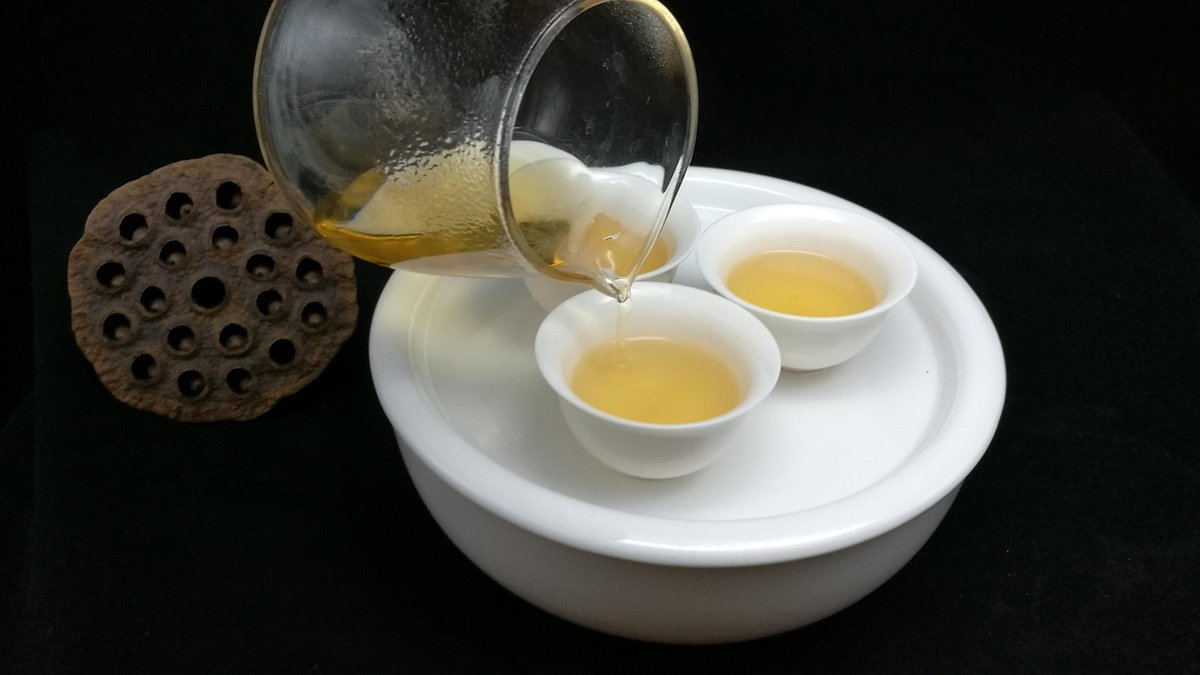
Upon brewing, the tea liquor reveals a clear and bright appearance, typically a vibrant orange-yellow hue. This clarity and color are important indicators of a well-processed tea, free from impurities. The aroma of authentic Da Hong Pao is another defining feature, noted for being rich and long-lasting. This fragrance is not fleeting but persists through multiple infusions, evolving subtly with each steep. After brewing, the spent tea leaves offer further insight into the tea's quality. They display a distinctive mix of red and green, often described as "green leaves with red edges" (绿叶红镶边). This visual characteristic is a direct result of the partial oxidation process unique to Oolong teas, where the edges of the leaves oxidize more fully, turning reddish, while the center remains greener. This "green leaves with red edges" appearance is a classic sign of a well-made Oolong, particularly Da Hong Pao.
Qing Dynasty scholar Liang Zhangju succinctly captured the essence of Da Hong Pao's quality, stating, "Its characteristics are best summarized by the four words '活、甘、清、香' (lively, sweet, clear, fragrant)" (translated from Chinese). This concise description encapsulates the core sensory attributes that define an excellent Da Hong Pao. Let's delve into these and other key tasting notes in more detail.
Key Tasting Notes and Sensory Attributes
The tasting experience of authentic Da Hong Pao is complex and multi-layered, often described using specific terms by tea masters. These terms provide a framework for appreciating its unique qualities:
-
活 (Huó) - Lively: This refers to a sensation of smoothness and refreshment on the palate, without any astringency or stickiness. The tea should feel invigorating and clean, leaving a pleasant, crisp sensation in the throat. It implies a certain vibrancy and energy in the tea's character, a lively interaction with the taste buds that leaves the mouth feeling refreshed and clean. The throat should experience a clear and refreshing aftertaste, indicating a clean finish.
-
甘 (Gān) - Sweet: Authentic Da Hong Pao is known for a quick and clear sweetness that emerges shortly after sipping. This sweetness is not overpowering but rather refreshing and clean, leaving a pleasant, lingering sensation. The term implies a rapid and clean return of sweetness, a distinct and pleasing sugary note that is not cloying. This sweetness often manifests as a natural, almost honey-like quality, distinct from added sugars.
-
清 (Qīng) - Clear/Pure: This characteristic applies to both the tea's taste and its visual aspects. The flavor profile should be pure and unadulterated, free from any杂味 (záwèi) or off-notes. The tea liquor should be bright and clear, and the brewed leaves should also appear clear and vibrant. It signifies a clean, crisp character that is free from any muddiness or unpleasant undertones. This clarity extends to the overall impression the tea leaves, both in its aroma and its taste.
-
香 (Xiāng) - Fragrant: The aroma of Da Hong Pao is described as rich, intense, and long-lasting. It is a complex bouquet that can include floral, fruity, and mineral notes, evolving subtly with each infusion. This fragrance is not just present but pervasive, filling the air and lingering on the palate. The combination of "rock bone" (矿物味) and "flower fragrance" (花香) is what truly defines its unique aromatic profile, setting it apart from other teas. Traditional Chinese tea masters describe the "rock bone flower fragrance" as referring to the unique mineral taste from the Wuyi Mountain soil combined with a rich floral aroma (translated from Chinese). This combination creates a deeply satisfying olfactory experience.
Beyond these four core characteristics, other descriptors are often used to convey the depth of Da Hong Pao's quality:
-
浓 (Nóng) - Thick/Mellow: This points to the tea's full-bodied nature. A high-quality Da Hong Pao should feel substantial and rich in the mouth without being overly bitter or astringent. It suggests a depth of flavor that is satisfying and coats the palate. It's a concentrated flavor without harshness.
-
厚 (Hòu) - Substantial/Persistent: This refers to the tea's enduring quality and robust structure. When tasted, it should feel substantial, leaving a lasting impression on the tongue and throat. This "骨" (gǔ) or "bone" quality implies that the tea has a strong foundation and a persistent character that does not diminish quickly. It's the sensation of the tea having "body" and a lasting presence.
-
韵 (Yùn) - Rhyme/Aftertaste: This is closely related to the "rock bone flower fragrance." It describes the unique, lingering aftertaste and mouthfeel that is distinctive to Wuyi Rock Teas. This "rhyme" is the enduring essence of the tea that stays with you long after you've swallowed, often manifesting as a returning sweetness or a pleasant mineral sensation in the throat. It's the unique character that defines its origin.
-
持久性 (Chíjiǔxìng) - Persistence: This refers to the longevity of the pleasant sensations in the mouth, not the persistence of bitterness or off-flavors. A superior tea should leave a comfortable and enjoyable aftertaste for an extended period. The comfort and pleasantness should last, even before and after meals. This means that the positive sensations, such as the sweetness and fragrance, should linger and evolve over time, providing a prolonged enjoyment.
These characteristics collectively paint a picture of an authentic Da Hong Pao: a tea that is not only visually appealing but also offers a profound and memorable sensory journey, embodying the rich heritage and meticulous craftsmanship of Wuyi Rock Teas.
How is Da Hong Pao categorized and priced?
Da Hong Pao tea is categorized and priced based on several factors, including its packaging, flavor profile, leaf shape, and perceived taste characteristics. These distinctions help consumers navigate the wide array of options available on the market, ranging from everyday drinking teas to high-end gifts. Understanding these categories is essential for selecting a Da Hong Pao that meets specific preferences and budgets. Major Chinese e-commerce platforms like Taobao and JD.com offer a vast selection, with filters that allow buyers to sort by these very attributes. Explore various Da Hong Pao types on Taobao to see the range of options.
Packaging Formats
Da Hong Pao teas are commonly available in several packaging formats, each catering to different consumer needs and occasions:
-
礼盒装 (Lǐhézhuāng) - Gift Box: This is a popular choice for gifting, especially for special occasions or as business presents. Gift boxes often contain individually wrapped sachets or smaller tins within a larger, decorative box, emphasizing presentation and perceived value. These are frequently chosen for their aesthetic appeal and convenience, making them suitable for leaders, elders, or as corporate gifts. Brands like Wuyi Lu, Feng Wuyi, and Wuyi Qing offer various gift box options on JD.com, with some packages ranging from 102g to 255g. For example, Wuyi Lu offers a high-end gift box of 204g and another of 255g, both marketed for gifting to leaders and elders.
-
罐装 (Guànzhuāng) - Canned: Tea packaged in cans typically offers better protection against light, air, and moisture, helping to preserve the tea's freshness and aroma over time. Cans are often seen as a premium packaging option for personal consumption or less formal gifting. They can come in various sizes, offering flexibility for different consumption rates.
-
盒装 (Hézhuāng) - Boxed: Similar to gift boxes but often less elaborate, standard boxed packaging is common for both personal consumption and casual gifting. These may contain loose leaf tea or individually wrapped small packets (小泡袋, xiǎopàodài), which are convenient for single servings and maintain freshness. Hao Cha Nong, for instance, offers a 510g box of Zheng Yan Da Hong Pao in small sachets, highlighting convenience and preservation.
-
袋装 (Dàizhuāng) - Bagged: This is often the most economical option, typically used for larger quantities of loose leaf tea intended for daily consumption or as "口粮茶" (kǒuliángchá), meaning "ration tea" or everyday tea. While less formal than other options, modern bagging techniques can still provide good freshness, especially if the bags are resealable or vacuum-sealed. Some bagged options may also come in smaller, individual packets within the bag for added convenience.
Price Categories
The price of Da Hong Pao varies significantly, reflecting differences in origin (e.g., Zheng Yan vs. Ban Yan), cultivar, processing quality, and brand prestige. On platforms like Taobao, prices are often segmented into distinct ranges:
-
60-99 yuan: This entry-level price point typically offers Da Hong Pao suitable for everyday drinking. While still authentic Wuyi Rock Tea, these teas might come from "zhou cha" (洲茶) or "zhou yan" (洲岩) areas, referring to teas grown on riverbanks or lower elevations, rather than the most prized "Zheng Yan" (正岩) or "true rock" areas. These options provide an accessible way to experience the general characteristics of Da Hong Pao.
-
100-199 yuan: Teas in this range represent a step up in quality, often featuring better leaf material or more refined processing. They might be suitable for more frequent enjoyment or as modest gifts. For example, a 500g box of Zheng Yan Rou Gui (a type of Wuyi Rock Tea similar to Da Hong Pao) with a strong aroma can be found for around 63 yuan, and a 250g gift box of Zheng Yan Da Hong Pao for 97.6 yuan, indicating good value at this level.
-
200-299 yuan: This mid-range segment typically offers higher quality Da Hong Pao, possibly from better production areas or featuring more distinctive flavor profiles. These teas are often chosen for personal indulgence or for gifting to close acquaintances.
-
300-499 yuan: At this price point, consumers can expect premium Da Hong Pao, often from specific rock areas within Wuyi Mountain, showcasing more pronounced "rock bone flower fragrance" and superior craftsmanship. These are often presented in more elaborate gift packaging.
-
500 yuan and above: This category includes the most exclusive and highest-grade Da Hong Pao teas. These might be from highly sought-after "Zheng Yan" locations, made from rare cultivars, or represent the finest artisanal processing. These are typically reserved for serious collectors, connoisseurs, or significant ceremonial gifting.
Flavor Profiles (香型)
Da Hong Pao, like other Oolong teas, is categorized by its flavor profile, which is largely determined by the degree of oxidation and roasting:
-
浓香型 (Nóngxiāngxíng) - Strong Aroma Type: This is a traditional style of Da Hong Pao, characterized by a robust, rich aroma and a mellow, full-bodied taste. It often undergoes a heavier charcoal roast, which brings out deeper, sometimes caramelized or nutty notes, alongside the inherent floral and mineral qualities. This type is generally preferred by those who enjoy a more intense and enduring flavor.
-
醇香型 (Chúnxiāngxíng) - Mellow Aroma Type: This profile offers a balanced and smooth experience, with a harmonious blend of aroma and taste. It might have a moderate roast, allowing both the natural tea characteristics and the roasted notes to shine through without one dominating the other. The term "醇" (chún) implies a certain smoothness and maturity in flavor.
-
清香型 (Qīngxiāngxíng) - Light Aroma Type: While less common for traditional Da Hong Pao, some variations may lean towards a lighter roast, preserving more of the fresh, green notes of the tea leaf. This results in a cleaner, brighter aroma and a lighter body. This style, though more typical of other Oolongs like Tie Guan Yin (which can have a light aroma type and is described as suitable for beginners), might appeal to those who prefer a less intense experience in their Da Hong Pao.
-
炭烧口味 (Tànshāokǒuwèi) - Charcoal Roasted Flavor: This explicitly highlights the charcoal roasting process, which is fundamental to Da Hong Pao. Teas described this way will have prominent roasted notes, ranging from a subtle char to a more intense smoky or toasted character, deeply integrated with the tea's natural flavors. This is often synonymous with the strong aroma type.
Leaf Shapes (条形)
The appearance of the dry tea leaves also serves as a quality indicator:
-
壮结 (Zhuàngjié) - Tightly Twisted: This indicates well-rolled, robust leaves that are compact and dense. It suggests careful processing and good-quality leaf material.
-
扭曲 (Niǔqū) - Twisted: A general term for the characteristic twist of Oolong leaves, this indicates the typical processing method.
-
蜻蜓头 (Qīngtíngtóu) - Dragonfly Head: This is a highly prized leaf shape, where the tea leaf is tightly rolled and appears plump, resembling the head of a dragonfly. It signifies superior craftsmanship and often indicates higher quality.
-
细条 (Xìtiáo) - Thin Strips: This describes leaves that are more slender and elongated, which can vary depending on the cultivar and rolling technique. While not necessarily a sign of lower quality, it differs from the more compact "tightly twisted" or "dragonfly head" forms.
Taste Descriptions (口感)
Reviewers and producers use specific terms to describe the flavor experience:
-
醇厚甘爽 (Chúnhòugānshuǎng) - Mellow and Refreshing: A balanced taste that is both rich and invigorating, leaving a clean and pleasant feeling.
-
醇和回甘 (Chúnhéhuígān) - Mellow with Sweet Aftertaste: Highlights the smoothness of the tea followed by a distinct and lasting sweetness in the throat.
-
醇厚鲜爽 (Chúnhòuxiānshuǎng) - Mellow and Fresh: Combines richness with a lively freshness, creating a vibrant yet deep flavor.
-
清醇甘鲜 (Qīngchúngānxiān) - Clear, Mellow, Sweet, and Fresh: A comprehensive description emphasizing clarity, smoothness, natural sweetness, and a fresh finish.
These categories and descriptions provide a detailed framework for understanding and choosing Da Hong Pao, allowing consumers to find teas that match their specific preferences for occasion, price, and sensory experience.
Which are the top Da Hong Pao brands and products?
The market for Da Hong Pao tea features a diverse range of brands and products, from well-established tea houses to specialized regional producers. When identifying top brands and products, we consider their prominence on major e-commerce platforms, product descriptions highlighting quality, and suitability for various consumer needs, such as gifting or personal consumption. These brands often emphasize "Zheng Yan" (正岩), meaning "true rock," to denote tea sourced from the most esteemed growing areas within the Wuyi Mountains, a key indicator of authentic Da Hong Pao quality. Shop for Da Hong Pao on JD.com to explore products from many of these brands.
Prominent Brands and Their Offerings
Several brands consistently appear in rankings and product listings for Da Hong Pao, each with distinct offerings:
-
Wuyi Lu (武夷禄): This brand specializes in premium gift boxes, often targeting the high-end gift market. Their offerings include "正岩大红袍高端送礼物领导长辈新茶年货特级" (Zheng Yan Da Hong Pao high-end gift for leaders and elders, new tea, special grade).
- Wuyi Lu Tea Gift Box (204g): This product is described as a high-end gift box of Zheng Yan Da Hong Pao, suitable for leaders and elders, and often positioned as a new tea or New Year's gift. Its 204g size makes it a substantial present.
- Wuyi Lu Tea Gift Box (255g): A larger version of their premium offering, this 255g gift box is also marketed as a special-grade Zheng Yan Da Hong Pao, ideal for significant gifting occasions.
-
Wuyi Pu (武夷朴): Also focusing on the gift market, Wuyi Pu offers elegant packaging and emphasizes authenticity.
- Wuyi Pu Oolong Tea Special Grade Da Hong Pao Zheng Yan (102g): This product is presented as a high-end, authentic Zheng Yan Da Hong Pao gift box, tailored for giving to leaders and elders. The 102g size suggests a more refined, concentrated offering.
-
Feng Wuyi (逢武夷): This brand provides a range of Da Hong Pao products, often highlighting their suitability for gifting and their "Zheng Yan" origin.
- Feng Wuyi Oolong Tea Special Grade Da Hong Pao Rock Tea (250g): Available in a gift box, this 250g offering is positioned as a high-end gift for elders and leaders, emphasizing its rock tea provenance.
- Feng Wuyi Oolong Tea Special Grade Zheng Yan Tea Da Hong Pao (250g): Another 250g gift box, this product reiterates the "Zheng Yan" quality, making it a reliable choice for those seeking authentic rock tea.
-
Ruiquan (瑞泉): Known for its focus on quality Wuyi Rock Tea, Ruiquan often offers teas that highlight specific grades.
- Ruiquan Oolong Tea Yan Pin Da Hong Pao Wuyi Rock Tea Zheng Yan First Grade (51g): This smaller, high-grade gift box of 51g emphasizes its "Zheng Yan" origin and "First Grade" quality, suggesting a very premium and concentrated offering suitable for sophisticated gifting.
-
Wuyi Zan (武夷赞): This brand also caters to the high-end gift segment with its Zheng Yan Da Hong Pao.
- Wuyi Zan Tea Gift Box Oolong Tea Zheng Yan Da Hong Pao (153g): A high-end, authentic Zheng Yan Da Hong Pao gift box, similar to others, designed for gifting to leaders and elders.
-
You Ming Jun (优茗君): This brand often provides larger quantities, appealing to both personal consumption and gifting.
- You Ming Jun Da Hong Pao Oolong Tea Wuyi Specialty Rich Aroma Rock Tea (500g): This large 500g package is described as having a rich aroma and is suitable for gifting to fathers-in-law or leaders, indicating its high regard. Its larger quantity also makes it an excellent option for regular personal enjoyment.
- You Ming Jun Oolong Tea Da Hong Pao Rock Tea (250g): A smaller gift box format, still suitable for gifting to leaders and elders, emphasizing its high-end quality.
-
Hao Cha Nong (好茶农): This brand focuses on convenience and preserving the tea's characteristics.
- Hao Cha Nong Wuyi Rock Tea Da Hong Pao Tea Zheng Yan Da Hong Pao Original Place Oolong Tea Fruit Aroma Small Sachets (510g): This product highlights its "Zheng Yan" origin and "fruit aroma," packaged in convenient small sachets within a 510g box. The individual sachets help maintain freshness and make brewing easy, while the "rock bone flower fragrance" is a key feature.
-
Hua Xiang Yuan (华祥苑): Known for its national brand presence and high-quality teas.
- Hua Xiang Yuan Guo Bin Tea Zheng Yan Da Hong Pao Special Grade Wuyi Mountain Rock Tea (41.5g): This very premium, small gift box is marketed as a high-grade gift, underscoring its "Zheng Yan" origin and special grade classification. The compact size often indicates exceptional quality and rarity.
-
Wuyi Qing (武夷庆): Another brand offering gift-oriented Da Hong Pao.
- Wuyi Qing Da Hong Pao Oolong Tea Special Grade Zheng Yan High Mountain (150g): This gift box is designed for gifting to elders, leaders, and important figures, emphasizing its special grade and high mountain origin.
-
Yan Cong (岩枞): This brand focuses on authentic Wuyi Mountain rock tea.
- Yan Cong Da Hong Pao Wuyi Mountain Rock Tea Authentic Special Grade Oolong Tea Rich Aroma Type (249g): Packaged in a gift box, this rich aroma type Da Hong Pao is suitable for gifting to elders.
-
Cong Lai Ke Liu (枞来客留): This brand offers Da Hong Pao for everyday consumption or for those who prefer specific varietals.
- Cong Lai Ke Liu Wuyi Rock Tea Zheng Yan Rou Gui Tea Oolong Tea Rich Aroma Type (500g/60 sachets): While specifically Rou Gui (Cassia), this product is listed alongside Da Hong Pao, indicating its popularity as a similar Wuyi Rock Tea. The 500g package with 60 individual sachets makes it convenient for daily drinking.
-
Wuyi Shan Zhong Gu Cha Ye (武夷山中谷茶业): This brand focuses on self-consumption options.
- Wuyi Shan Zhong Gu Cha Ye Oolong Tea Rock Rhyme Wuyi Rock Tea Zheng Yan Da Hong Pao First Grade (450g): This product is described as a "medium fire" roasted Da Hong Pao in a 450g box, suitable for self-drinking. The "rock rhyme" (岩韵) refers to the distinct mineral aftertaste.
-
Lapsangstore.com: This international retailer offers convenient Da Hong Pao options for a global audience.
- Da Hong Pao Wuyi Rock Tea Sachets Collection 91.3g [LP03]: This product is available for $45, offering a collection of Da Hong Pao Wuyi Rock Tea in sachets, designed for ease of brewing and portability.
When choosing a Da Hong Pao, buyers often look for terms like "Zheng Yan" (正岩) for authentic origin and "特级" (tèjí) or "一级" (yījí) for special or first-grade quality. The packaging (gift box, can, bag) and weight (e.g., 204g, 500g) also play a role in the decision, depending on whether the tea is for personal enjoyment or as a gift.
What is the market value and cultural significance of Wuyi Rock Tea?
Wuyi Rock Tea, with Da Hong Pao as its most celebrated variety, holds immense market value and profound cultural significance within China and globally. Its economic impact is substantial, reflecting its premium status and the concerted efforts to promote and protect its heritage. Beyond its commercial success, Wuyi Rock Tea is deeply embedded in Chinese culture, serving as a symbol of tradition, craftsmanship, and a source of national pride.
The brand value of Wuyi Rock Tea reached an impressive 75.018 billion yuan in 2025. This figure underscores its significant economic footprint and its position as a leading agricultural brand in China. This remarkable valuation is not a fleeting achievement; Wuyi Rock Tea has consistently ranked as the second most valuable geographical indication among Chinese tea categories for nine consecutive years. This sustained high ranking highlights the enduring consumer trust, strong market demand, and effective brand management strategies associated with Wuyi Rock Tea. The continuous growth in brand value demonstrates its robust market presence and its importance to the regional and national economy.
Culturally, Wuyi Rock Tea is more than just a beverage; it is a cultural artifact. Its production techniques, rooted in centuries of tradition, were recognized as a national intangible cultural heritage in 2006. This designation protects and promotes the intricate skills and knowledge involved in cultivating and processing this unique tea. Furthermore, in 2022, the "Traditional Chinese Tea Making Techniques," encompassing Wuyi Rock Tea, were inscribed on the UNESCO Intangible Cultural Heritage list, granting it global recognition and emphasizing its universal cultural value. This international acknowledgement elevates its status, ensuring its preservation and transmission to future generations.
Wuyi Mountain, the birthplace of this esteemed tea, actively promotes its cultural heritage through various initiatives. The region regularly hosts significant events such as "Tea King" competitions (茶王赛) and tea expos (茶博会). These events serve multiple purposes: they provide platforms for tea masters to showcase their skills, facilitate trade and industry development, and educate the public about the nuances of Wuyi Rock Tea. The "Tea King" competitions, in particular, are highly anticipated, as they identify and celebrate the finest teas and the skilled artisans behind them, further enhancing the reputation and value of Wuyi teas.
Looking to the future, Wuyi Mountain is committed to deepening the cultural experience of its tea. In 2025, the first private Wuyi Rock Tea museum is scheduled to open. This museum will serve as a dedicated space for preserving and exhibiting the history, art, and science of Wuyi Rock Tea. Beyond a traditional museum, it is envisioned as a tea culture research and study base (茶文化研学基地), offering educational programs and fostering academic inquiry into tea. This initiative aims to create an immersive experience for visitors, allowing them to connect more deeply with the tea's origins and traditions.
To further promote its cultural reach, the "Wuyi Tea, Journey Through China" (武夷茶·华夏行) series of tea tasting events is regularly organized. These events travel across the country, offering consumers outside of Fujian province the opportunity to experience and appreciate authentic Wuyi Rock Tea. By bringing the tea directly to various communities, these activities enhance brand awareness, cultivate new enthusiasts, and reinforce the tea's standing as a cherished national product. These cultural and economic initiatives collectively ensure that Wuyi Rock Tea, and Da Hong Pao in particular, continues to thrive both as a valuable commodity and as an irreplaceable part of China's rich cultural tapestry.
How do modern practices support Da Hong Pao production?
Modern practices are increasingly being integrated into the production of Da Hong Pao and other Wuyi Rock Teas, aiming to enhance quality, optimize efficiency, and appeal to a broader consumer base while preserving traditional methods. These advancements blend cutting-edge technology with ecological principles, ensuring the sustainability and continued excellence of this esteemed tea. The goal is not to replace traditional craftsmanship but to support and refine it, adapting to contemporary challenges and opportunities.
One significant area of modernization is the adoption of ecological tea garden management models. These models prioritize environmental sustainability and biodiversity, moving away from conventional farming practices that might rely heavily on synthetic inputs. Ecological management focuses on maintaining soil health, conserving water resources, and fostering a balanced ecosystem within the tea gardens. This approach helps to protect the unique terroir of the Wuyi Mountains, which is crucial for developing the distinctive "rock bone flower fragrance" of Da Hong Pao. By promoting natural pest control, organic fertilization, and sustainable harvesting techniques, these models ensure that the tea plants thrive in a healthy, natural environment, leading to higher quality leaves that truly reflect their origin. This commitment to ecological practices aligns with growing global demand for sustainably produced goods.
Another key technological advancement is the application of Internet of Things (IoT) monitoring systems in tea production. These systems utilize sensors and networked devices to collect real-time data on various environmental factors and production parameters. For instance, IoT sensors can monitor soil moisture levels, temperature, humidity, and even the health of individual tea plants. This data provides tea farmers and producers with precise insights, allowing them to optimize irrigation schedules, adjust cultivation practices, and identify potential issues early. By leveraging IoT, tea enterprises can make more informed decisions, leading to improved consistency in tea quality, reduced resource waste, and enhanced operational efficiency. For example, precise monitoring of weather conditions during the crucial 'yao qing' (shaking and bruising) stage can help tea masters fine-tune the process, ensuring optimal oxidation and aroma development.
Beyond production, modern practices also extend to product development and market outreach. To appeal to younger consumers and adapt to changing lifestyles, new product formats are being developed. One notable example is the introduction of "drip bag" rock tea (挂耳岩茶). Inspired by single-serve coffee drip bags, these tea sachets offer a convenient way to brew high-quality Wuyi Rock Tea without needing extensive tea ceremony equipment. This innovation makes premium teas like Da Hong Pao more accessible for busy individuals or those new to traditional tea brewing, providing a quick yet authentic tea experience. Such products aim to demystify traditional tea and integrate it seamlessly into modern daily routines, thereby expanding the market for Wuyi Rock Tea.
Furthermore, Wuyi Mountain is actively promoting tea-tourism integration projects (茶文旅融合体验项目). These initiatives combine tea production with cultural tourism, offering visitors immersive experiences that go beyond simply tasting tea. Tourists can visit tea gardens, observe traditional tea-making processes, participate in tea ceremonies, and learn about the history and culture of Wuyi Rock Tea. These projects create a deeper connection between consumers and the tea's origin, enhancing appreciation for its heritage and craftsmanship. The development of a private Wuyi Rock Tea museum and tea culture research bases, scheduled to open in 2025, further exemplifies this commitment to cultural preservation and experiential learning, drawing both enthusiasts and scholars to the region. These modern approaches, from ecological farming to technological monitoring and innovative product development, collectively ensure that Da Hong Pao production remains dynamic, sustainable, and relevant in the contemporary tea landscape.
Where can you buy authentic Da Hong Pao?
Authentic Da Hong Pao tea is widely available through various channels, both within China and internationally. For English-speaking readers, major e-commerce platforms offer convenient access, while specialized tea retailers provide curated selections. Ensuring authenticity is key, and understanding reputable sources can guide consumers in their purchasing decisions.
Within China, the largest and most comprehensive selections of Da Hong Pao can be found on major e-commerce platforms such as JD.com and Taobao. These platforms host numerous brands and vendors, offering a vast array of Da Hong Pao products across different price points, grades, and packaging types. On JD.com, for example, you can find a wide range of "Zheng Yan Da Hong Pao" (正岩大红袍), which denotes tea from the most authentic and prized growing regions of Wuyi Mountain. Products like the Wuyi Lu Tea Gift Box (204g) and You Ming Jun's 500g package are readily available, often with detailed descriptions and customer reviews Shop for Da Hong Pao on JD.com. Similarly, Taobao offers an extensive marketplace, allowing consumers to filter by brand, price range (e.g., 60-99 yuan up to over 500 yuan), aroma type (strong, mellow, light, charcoal roasted), and even leaf shape Explore various Da Hong Pao types on Taobao. These platforms are excellent for exploring the diversity of Da Hong Pao offerings and comparing options from different producers.
For international buyers, or those seeking a more curated experience, specialized online tea stores also carry Da Hong Pao. For example, Lapsangstore.com offers a "Da Hong Pao Wuyi Rock Tea Sachets Collection 91.3g [LP03]" for $45. This type of offering is convenient for those who prefer pre-portioned sachets for ease of brewing, making it accessible for daily consumption or travel. Such specialized retailers often provide detailed information about the tea's origin, processing, and tasting notes, catering to tea connoisseurs and those looking for specific grades.
When purchasing Da Hong Pao, especially for those new to this specific tea, starting with reputable brands through their official flagship stores or self-operated stores (自营店) on these e-commerce platforms is highly recommended. This approach helps to ensure the quality and authenticity of the tea, as brand stores typically maintain strict quality control and provide accurate product information. While brand teas may sometimes have a higher price point, particularly during promotional periods, they often offer discounts that make them more accessible. Prioritizing established brands helps to guarantee a consistent and authentic taste experience, which is crucial when first exploring complex teas like Da Hong Pao. As experience grows, individuals might then feel more confident exploring smaller vendors or specialized offline stores.
The continuous growth of the Wuyi Rock Tea brand value, which reached 75.018 billion yuan in 2025 and has consistently ranked second in China for geographical indications for nine consecutive years, further underscores the robust market and the importance of reliable sourcing. This strong market presence means that consumers have numerous reputable options for purchasing Da Hong Pao, whether they are looking for a luxurious gift or a high-quality tea for daily enjoyment. The availability of diverse price ranges and formats ensures that authentic Da Hong Pao is accessible to a wide audience, from casual drinkers to serious collectors.
Frequently Asked Questions
What is the origin of Da Hong Pao tea?
Da Hong Pao tea originates from the Wuyi Mountains in Fujian province, China. Its tea-making techniques date back to the Han Dynasty, with cultivation records from the Tang Dynasty. By the Song Dynasty, it was already recognized as a royal tribute tea, signifying its long and prestigious history. The unique terroir of the Wuyi Mountains, particularly the mineral-rich rock crevices, is essential to its distinctive "rock bone flower fragrance."
What makes Da Hong Pao unique among Oolong teas?
Da Hong Pao stands out among Oolong teas due to its unique "rock bone flower fragrance" (岩骨花香), a complex profile combining a profound mineral taste from its Wuyi Mountain origin with rich floral notes. Its traditional production involves over ten steps, including a specific charcoal roasting process. It also holds significant cultural status, designated a national intangible cultural heritage in 2006 and part of China's traditional tea-making techniques on the UNESCO Intangible Cultural Heritage list in 2022.
How should Da Hong Pao tea be brewed to get the best flavor?
To achieve the best flavor from Da Hong Pao, traditional Chinese gongfu tea brewing methods are often recommended. This typically involves using a small Yixing clay teapot or gaiwan, high-quality water (preferably soft spring water), and precise temperature control (around 95-100°C). Short, multiple infusions (starting with 10-20 seconds and gradually increasing) allow the tea's complex "rock bone flower fragrance" and layered flavors to unfold beautifully.
What is the 'rock bone flower fragrance' characteristic of Da Hong Pao?
The 'rock bone flower fragrance' (岩骨花香) is the defining characteristic of Da Hong Pao. "Rock bone" refers to the distinct, lingering mineral taste and robust body derived from the tea plants growing in the rocky, mineral-rich soil of the Wuyi Mountains. "Flower fragrance" describes the complex, rich floral aromas, which can include notes of orchid, osmanthus, or ripe fruit, developed through meticulous processing, especially charcoal roasting. This combination creates a unique and profound sensory experience, as Qing Dynasty scholar Liang Zhangju summarized, "Its characteristics are best summarized by the four words 'lively, sweet, clear, fragrant'" (translated from Chinese).
Is Da Hong Pao considered a good gift in China?
Yes, Da Hong Pao is highly regarded as a prestigious gift in China, especially for leaders, elders, and important social or business occasions. Its historical status as a royal tribute tea, its recognition as a national intangible cultural heritage, and its high market value (Wuyi Rock Tea brand value reached 75.018 billion yuan in 2025) all contribute to its esteemed reputation as a thoughtful and high-quality present. Many brands offer Da Hong Pao in elegant gift boxes specifically designed for such purposes.
— The Tea Atlas Team
Related Reading
- Best Yunnan Dian Hong Teas Ranked
- Best Oolong Teas from Wuyi Mountain
- Top 5 Chinese Green Teas Ranked by Tea Masters
- Best Chinese Red Tea for Cold Brew
- Best Wuyi Cliff Tea Producers in 2026
Sources
- https://www.jd.com/chanpin/480806.html
- https://baike.baidu.com/item/%E6%AD%A6%E5%A4%B7%E5%B2%A9%E8%8C%B6%E5%A4%A7%E7%BA%A2%E8%A2%8D/10223881
- https://www.taobao.com/list/product/%E6%AD%A6%E5%A4%B7%E5%B2%A9%E8%8C%B6%E5%A4%A7%E7%BA%A2%E8%A2%8D.htm
- https://lapsangstore.com/zh/products/lp03-1?srsltid=AfmBOooeAFO-bMAC-vfC3pyYJDpuIbINyS2IIOfddE1E_z1QAAysjSK8